
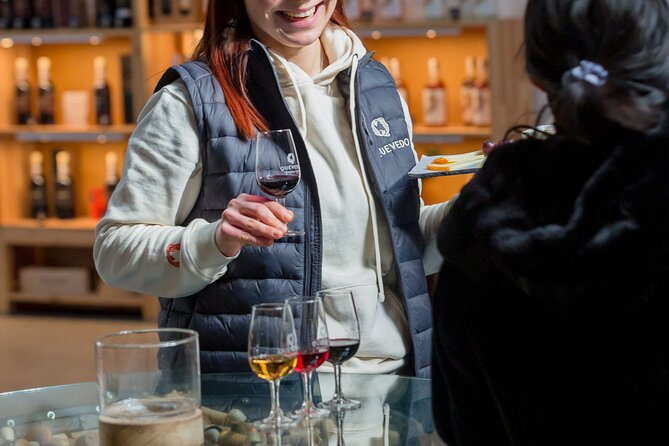
Review · PORTO
Cheese and Port Wine Pairing Activity
The best part of this Port and cheese tasting is its tidy focus: three distinct Ports, three Portuguese cheeses, and a guide who helps you understand what sits in the glass. At Quevedo Lodge, in a handsome old building across the river from Porto, you can learn the basics without giving up half your afternoon.
I like the small group limit of eight, which leaves room for questions. I also like the useful range of wines: Crusted Port, 10-Year-Old Tawny, and White Colheita Port 2009. The main thing to watch is the pairing detail. The tasting explains the wines well, but the cheese-and-wine matching may be brief, so ask directly why a particular cheese works with each Port.
Key points at a glance
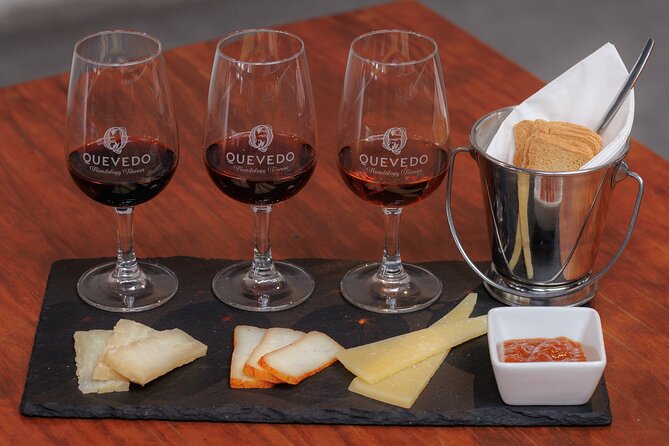
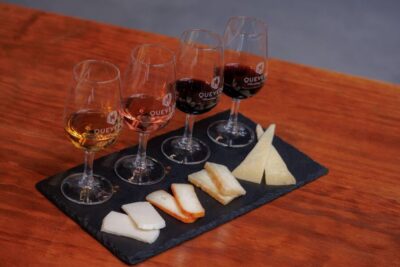
- Three different Ports: Taste a Crusted Port, a 10-Year-Old Tawny, and a White Colheita Port 2009.
- Three Portuguese cheeses: Try paprika-aged goat cheese, mixed cow and goat cured cheese, and cow cheese with local jam.
- Forty minutes: This is a compact stop for a busy day in Porto or Vila Nova de Gaia.
- Small groups: The activity accepts no more than eight people, making conversation with the guide easier.
- English presentation: The tasting is offered in English, with explanations about Port and food pairing.
- Quevedo Lodge setting: Meet at the Quevedo wine bar and tasting room on R. de Santa M.nha 77 in Vila Nova de Gaia.
Three Ports, three different jobs in the glass
The tasting begins with three special Ports. This is not a broad survey of every style, but it gives you a useful contrast in a short sitting.
The Crusted Port is the less familiar name for many first-time tasters. It is a style associated with bottle aging and sediment, so your guide may use it to explain how Port changes after bottling and why careful pouring matters. The listing does not promise a particular vintage or producer detail beyond the style, so treat this as an introduction rather than a full technical lesson.
The 10-Year-Old Tawny gives you a clear point of comparison. Tawny Port is associated with time in wood and a different character from a younger, fruitier style. The age statement also gives your guide an easy way to explain what the number means and what it does not mean. Ask how the Tawny differs from the Crusted Port in sweetness, texture, and finish.
The White Colheita Port 2009 brings a lighter-colored wine into the lineup. Colheita refers to a dated tawny-style Port from a single harvest, and the 2009 date makes this bottle more specific than a general white Port. It is a useful choice for showing that Port is not simply one dark, sweet drink.
You receive what are described as healthy pours, so pace yourself. Three Port samples in 40 minutes can add up quickly, especially if you have sightseeing plans afterward. The format works best when you sip slowly and pay attention to how the cheeses change the taste.
More Wine and Cheese Tastings in Portugal
- Vila Nova de Gaia: Port Wine Tasting with Cheese Pairing
★ 4.8 · 1,074 reviews - Wine and Cheese Tasting Lunch in Portuguese Wine Bar
★ 5.0 · 447 reviews - Lisbon: Portuguese Wine and Cheese Tasting with Lunch
★ 4.7 · 353 reviews
The cheese board is small but thoughtfully chosen
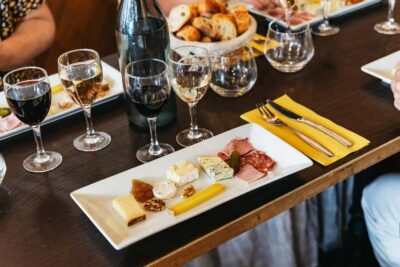
The cheese platter includes paprika-aged goat cheese, a mixed cow and goat cured cheese, and cow cheese served with local jam. That gives you three useful contrasts: goat against cow, younger or sharper flavors against cured character, and savory cheese against sweetness.
The paprika-aged goat cheese should give the tasting a more pronounced edge. Goat cheese can bring a tangy note, while paprika adds seasoning and a warmer finish. Try it first with each Port before deciding which match you prefer. That simple comparison often tells you more than a long explanation.
The mixed cow and goat cured cheese offers another angle. Curing changes texture and concentrates flavor, so it may handle a fuller Port better than a mild fresh cheese. The blend of milks also gives the guide an opening to explain how the base cheese affects the pairing.
The cow cheese with local jam is the most obvious sweet-and-savory combination. The jam can soften the cheese and make a sweeter Port seem less heavy. It is also a good reminder that pairing is not only about matching strength. Texture, salt, acidity, spice, and sweetness all matter.
One useful caution: the advertised menu names the cheeses and includes a staff explanation, but it does not promise a long lesson on the science of each match. One person found that the presentation named the cheeses and offered a favorite pairing without fully explaining why each cheese suited each wine. If pairing theory is important to you, ask questions such as: Which cheese works best with the Tawny? Does the jam make the White Colheita taste sweeter? Why does the goat cheese suit one Port better than another?
What the 40-minute format really gives you
Forty minutes is short, but that is the point. You can fit this tasting between a visit to the riverside and another cellar, or use it as a pleasant break on a rainy afternoon. You will not spend a whole day learning about Port, and you should not expect a full winery tour from the information provided.
The session appears to follow a simple rhythm:
- You arrive at Quevedo Lodge and settle in at the wine bar and tasting room.
- The guide introduces Port and the three wines.
- You taste the Crusted Port, 10-Year-Old Tawny, and White Colheita Port 2009.
- You work through the Portuguese cheeses and local jam.
- The guide discusses the differences between the Ports and answers questions.
- You finish at the same meeting point.
That structure is good for a first taste. It keeps the activity from becoming a lecture, and several hosts have been praised for making the explanation clear, friendly, and easy to follow. Miguel, Fernando, Danny, Dima, and Ricardo are among the guides specifically singled out for warm service and strong product knowledge.
The experience is also personal in scale. With a maximum of eight people, you have a fair chance to ask about sweetness, aging, serving style, or which bottle to seek out later. A larger room can make a tasting feel like a speech. This setup should feel more like a guided conversation, though the exact feel can change with the group and the host.
Quevedo Lodge in Vila Nova de Gaia
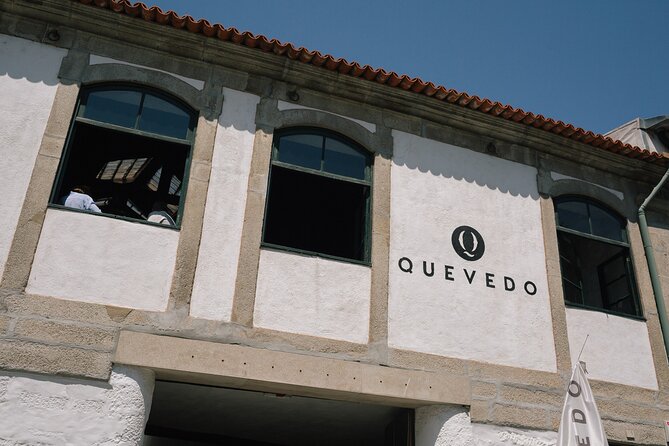
The meeting point is Quevedo Lodge, Wine Bar and Tastings, at R. de Santa M.nha 77, 4400-291 Vila Nova de Gaia. The location puts you on the Gaia side of the Douro, in the district closely linked with Port houses and cellar visits.
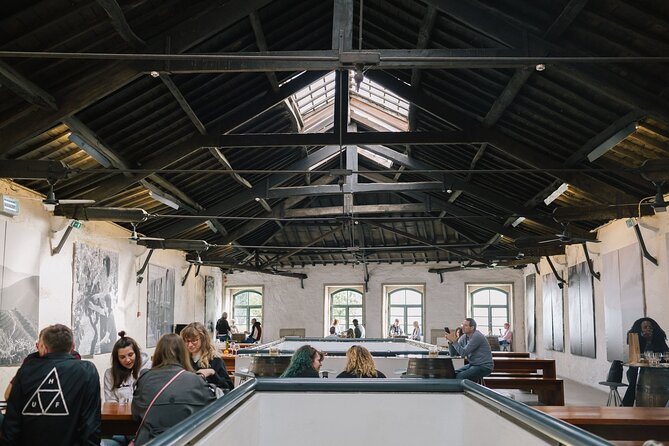
The setting has been described as a beautiful old building, with a window seat or window-side position available during at least one tasting. That matters on a wet day, when a warm glass and a quiet room can be a welcome pause from walking around Porto.
Do not confuse Vila Nova de Gaia with Porto’s central north-bank streets when planning your day. They are close, but the activity ends back at the lodge, not at a different attraction. It is near public transportation, and you can use that fact to build the tasting into a wider Gaia visit.
There is no transport included, and the supplied details do not promise a cellar tour, river view, food beyond the listed cheese platter, or a meal. Think of the lodge as the destination, not merely a check-in point for another activity.
Same region, a different wheel:
- Porto: Cálem Cellar with Chocolate, Cheese, and Wine Tasting
★ 4.6 · 310 reviews - Wine, Cheese & Charcuterie Tasting, including complimentary tour
★ 5.0 · 110 reviews - Terceira: Half-Day Island Tour with Cheese Tasting
★ 4.4 · 106 reviews - Lisbon Getaway: Private Arrábida Wine & Food Tour
★ 4.9 · 49 reviews
Is $31.24 fair for the tasting?
At $31.24 per person, the value depends on what you want from a wine stop. If you only want a few sips of Port, you may find cheaper bar options. If you want three styles presented in a clear order, a cheese board, and a host available for questions, the price is easier to justify.
The small group is part of the value. You are not paying only for the liquid and cheese. You are paying for a structured comparison that helps you notice why a Tawny behaves differently from a Crusted Port, or why jam changes the balance of a cheese.
The tasting also saves time. Many Porto visitors want to see churches, viewpoints, bridges, markets, and cellars in the same day. A 40-minute appointment gives you a contained introduction rather than requiring a long commitment. It is a sensible choice if you want Port context but do not want a full winery program.
The strongest value comes when you participate. Taste the cheese before the Port, then again afterward. Ask for the reason behind each match. If you sit quietly and treat it as three free pours, you may leave with less than your money’s worth.
The hosts make the difference
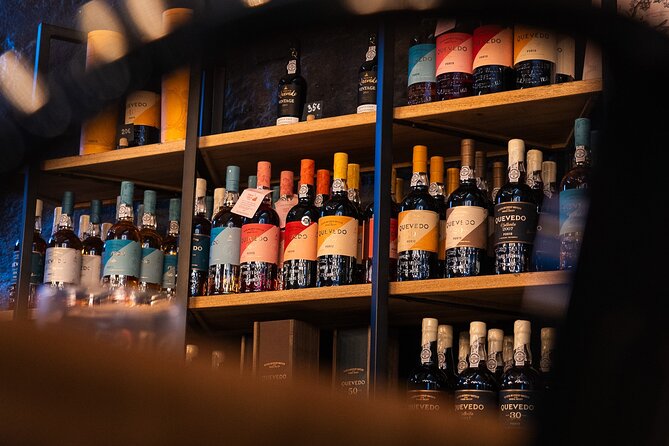
The most consistent strength here is the staff. The guides are described as friendly, attentive, professional, and clear. Fernando receives particular praise for his presentation and hospitality, while Danny is noted for making the session fun as well as informative. Miguel is credited with explaining both Port and food science, and Ricardo is praised for giving a welcoming introduction to Oporto’s wine culture.
That range of names also tells you that the exact personality of the tasting can vary. One host may spend more time on production, another on flavor, and another on the cheeses. The common thread is an approachable style that welcomes questions rather than pushing you toward a purchase.
You also get a low-pressure setting. One person who arrived late was still allowed to complete the activity, and no hard sell was reported. That is useful if you are fitting the tasting into a packed day, though I would still aim to arrive on time so you do not miss the opening explanation.
The activity is offered in English. Confirmation is provided at booking, service animals are allowed, and the experience can be reached near public transportation. The supplied information does not give further accessibility details, so contact the provider if you need specific arrangements.
Who will enjoy this most?
I would choose this for a first visit to Porto, especially if you want an introduction to Port without committing to a long cellar tour. It also suits couples, small groups of friends, and solo visitors who prefer a guided tasting over ordering blindly at a bar.
It works particularly well for:
- First-time Port drinkers who want the main styles explained simply.
- Busy sightseers who can spare 40 minutes but not an entire afternoon.
- Food-minded visitors who want to compare goat, cow, cured cheese, and jam.
- Rainy-day planners looking for an indoor activity in Gaia.
- Small groups who value conversation with the host.
I would be more cautious if your main goal is a detailed technical study of cheese pairing. The wine explanation appears stronger than the formal pairing lesson. You can improve that part by asking direct questions and tasting each cheese with each wine yourself.
I would also avoid scheduling it immediately before driving or another activity that requires alertness. The pours are described as generous enough to matter, and Port is sweet, fortified wine.
Booking and cancellation details
The activity is often booked about 10 days ahead, so reserve early if your Porto dates are fixed. The maximum group size is eight, but availability can still be limited by the short schedule and the popularity of Gaia’s Port houses.
You can cancel for a full refund up to 24 hours before the local start time. Cancellations or changes made less than 24 hours before the start are not refunded or accepted. That policy is reasonable for a small appointment, but check your plans before booking.
Should you book the Quevedo Port and cheese tasting?
Book it if you want a short, friendly, well-organized introduction to Port with enough food to make the differences clearer. The three-wine lineup, small group, central Gaia meeting point, and attentive hosts give it solid value for a first tasting.
Skip it if you are seeking a full estate visit, a long production tour, or a highly technical cheese-pairing class. For most visitors with limited time, though, this is a smart way to understand Port before exploring more of Vila Nova de Gaia. Ask the guide to explain the reason behind each pairing, and the 40 minutes will give you more than a pleasant sugar rush.
FAQ
Where does the Port and cheese tasting take place?
It takes place at Quevedo Lodge, Wine Bar and Tastings, at R. de Santa M.nha 77, 4400-291 Vila Nova de Gaia, Portugal.
How long does the activity last?
The tasting lasts approximately 40 minutes.
Which Port wines are included?
The listed tasting includes Crusted Port, 10-Year-Old Tawny, and White Colheita Port 2009.
Which cheeses are served?
The platter includes paprika-aged goat cheese, mixed cow and goat cured cheese, and cow cheese with local jam.
Is the tasting offered in English?
Yes. The activity is offered in English.
What is the cancellation policy?
You can cancel at least 24 hours before the local start time for a full refund. Cancellations or changes made less than 24 hours before the start are not accepted and are not refunded.
Freshly cut around Portugal
- Cheese Walk & Atelier with a Goat Shepherd in Aoleão★ 5.0 · 2 reviews
- WineTour Palmela – Cheese, Wine & Bread★ 5.0 · 2 reviews
- Private Porto Half Day Tour: Port Wine Cellars and Cheese Tasting★ 4.5 · 6 reviews
- Private Serra da Estrela Gastronomy & Snow Tour from Porto★ 5.0 · 9 reviews
- Private Azeitão Cheese Workshop: Wine & Sesimbra from Lisbon★ 5.0 · 2 reviews
- Bread, Wine&Cheese, The Natural Taste★ 5.0 · 3 reviews
- Private Tour to Arrabida with Wine and Cheese Tasting at the Mourisca Tide Mill★ 5.0 · 9 reviews
- Serra da Estrela – Half-day off-road tour with cheese tasting★ 5.0 · 3 reviews
Wine and Cheese Tastings, plate by plate.
Paris: Montmartre Cheese, Wine & Pastry Guided Walking Tour
Read our review →



Paris Le Marais Food Tour With 10+ Tastings, Cheese, Wine & More
Read our review →Cheese lists with this tasting