
Review · AMSTERDAM
Amsterdam: Make your cheese next to De Hallen
The most useful thing about this Amsterdam workshop is that you do not simply watch someone make cheese. You turn two liters of supermarket milk into two fresh cheeses, using both acid coagulation and rennet. That gives you a practical start in a craft you can continue at home.
I like the small group, limited to 10 people, and the hands-on format. I also like that Paula begins with a short presentation and introductions, then gives you supplies and recipes to keep experimenting. The main consideration is the price: at $135 per person, this is a special-interest activity, not a quick tasting.
Key points
- Make two cheeses yourself: One uses acid coagulation, and the other uses rennet.
- Learn a useful distinction: Rennet is the method linked to aged cheese, so this workshop gives you a base for more advanced recipes.
- Add your own flavor: You can experiment with herbs and spices while making your cheeses.
- Take home practical supplies: Your package includes two cheeses, a cheese cloth, rennet, calcium, and emailed recipes.
- Taste more than your own work: The final tasting includes homemade fresh and pressed cheeses.
- Expect a personal class: Groups are limited to 10, with instruction available in English, Spanish, French, or Dutch.
Making cheese near De Hallen
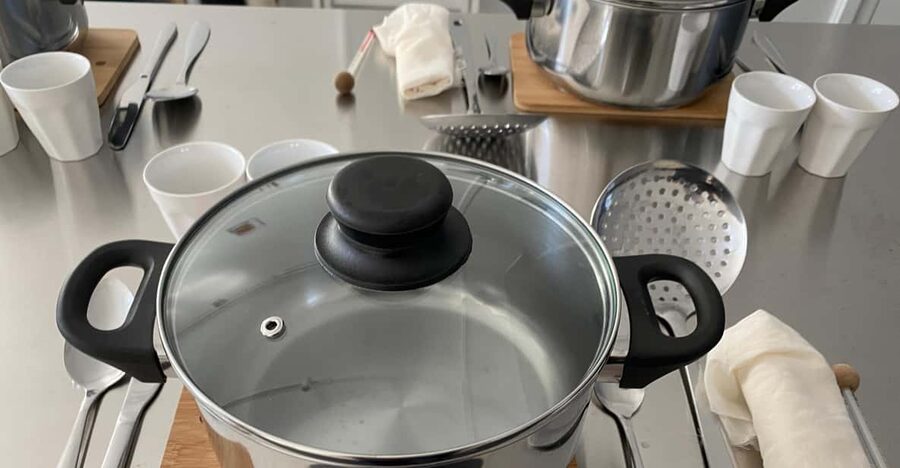
De Kaasserie places this experience close to De Hallen, an easy area to pair with food, markets, and a look around Amsterdam’s west side. The workshop itself gives you a change of pace from museums and canal walks. For three hours, your attention shifts from seeing Amsterdam to making something with your hands.
You meet at De Kaasserie, though the exact meeting point can vary with the option you book. Check your confirmation carefully before setting out. The supplied information does not give a detailed route or a fixed starting time, so you should check availability and allow enough time to reach the location.
The group size matters here. With no more than 10 participants, the class should feel more like a shared lesson than a large demonstration. You have room to ask questions, compare results, and get help while working with the milk. Paula leads the session, and the class is available in four languages: English, Spanish, French, and Dutch.
More cheese tours around Amsterdam:
- Amsterdam Classic Saloon Boat Cruise with Drinks and Cheese
★ 5.0 · 31,825 reviews - Amsterdam: Classic Saloon Boat Cruise with Cheese & Wine
★ 4.6 · 27,035 reviews - Amsterdam: Guided Zaanse Schans, Windmills & Cheese Tour
★ 4.4 · 4,826 reviews
A short introduction before the milk starts moving
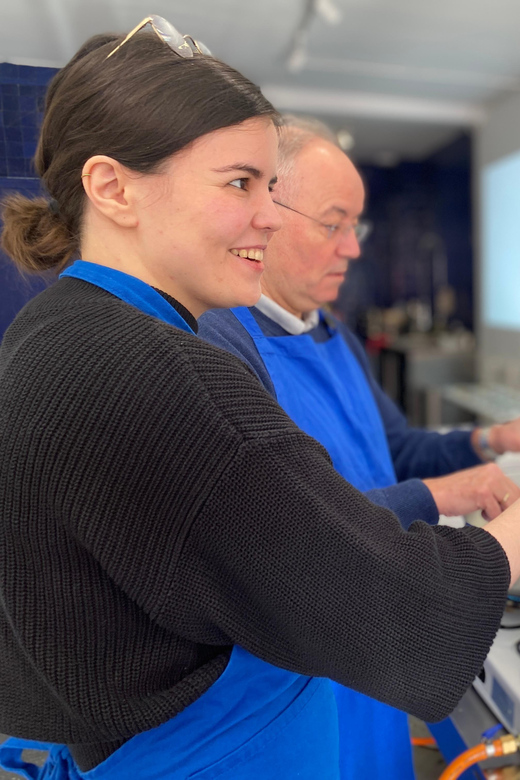
The session opens with tea and a presentation about De Kaasserie and the workshop. Paula also has the group introduce themselves. This is a simple touch, but it helps set the tone and gives you a clearer idea of who is sharing the table.
The opening lesson covers the two basic types of milk coagulation. That sounds technical, but the idea is central to the whole class. Milk must change from a liquid into a solid or semi-solid curd, and the method you use affects the cheese that follows.
You learn about acid coagulation, which uses acidity to change the milk, and rennet coagulation, which uses rennet to form the curd. The class then puts both methods to work. You are not left with a general explanation and a sample to taste. You make one cheese with each method.
This is one of the strongest parts of the experience because it gives you a useful comparison. You can see that cheesemaking is not one single recipe. Different methods lead to different textures, uses, and possibilities.
Two cartons of milk, two fresh cheeses
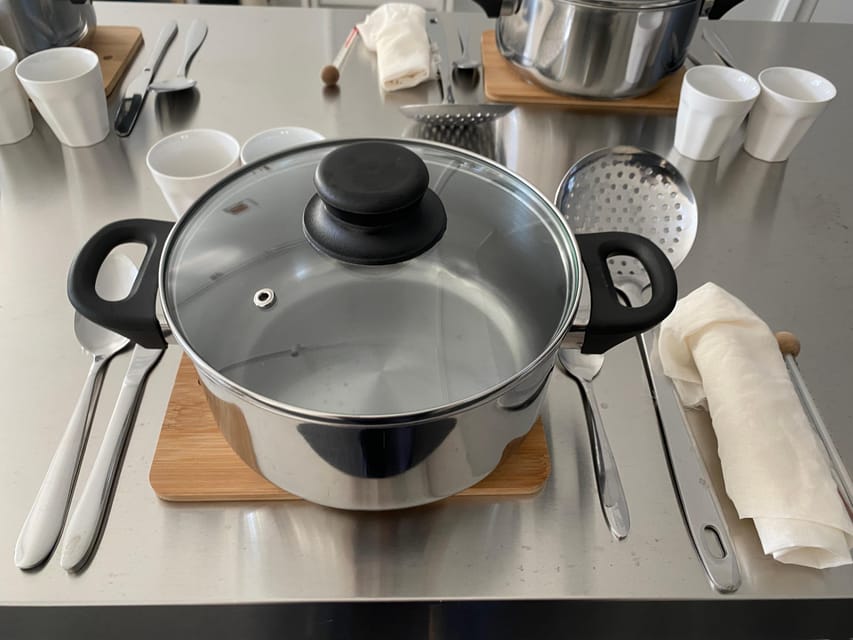
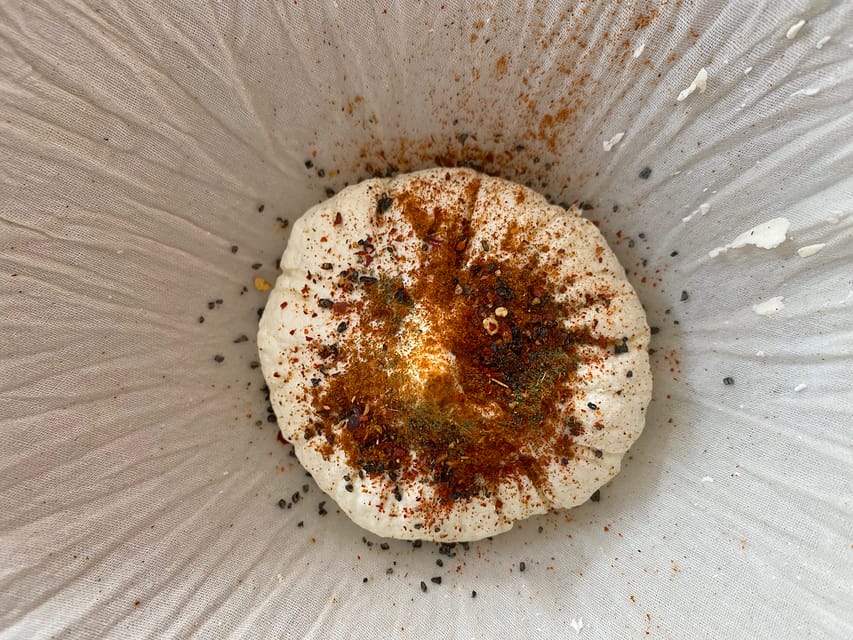
You use one liter of supermarket milk for the acid-coagulated cheese and another liter for the rennet-coagulated cheese. In the end, two ordinary milk cartons become two pieces of fresh cheese.
That makes the workshop approachable. You do not need a farm, special herd, or professional dairy setup to begin. The ingredients start with milk that you can buy in a supermarket, and the method is presented as something you can continue at home.
The first cheese gives you an introduction to acid coagulation. The second uses rennet. Rennet coagulation is the procedure used to make aged cheese, although the class makes a fresh cheese so you can learn the process in a manageable way.
This distinction is important if you want more than a one-time activity. The fresh rennet cheese is an entry point. Once you understand the basic procedure, you can move on to longer recipes and aged cheeses at home. The workshop does not promise that you will leave as a professional cheesemaker, but it gives you a clear first step.
You will also have the chance to add herbs and spices. This is where the class becomes more personal. Rather than producing two identical pieces, you can experiment with flavor. The information provided does not specify which herbs or spices are available, so think of this as a chance to make choices within the materials offered on the day, not a fully open pantry.
Why the hands-on format is worth your time
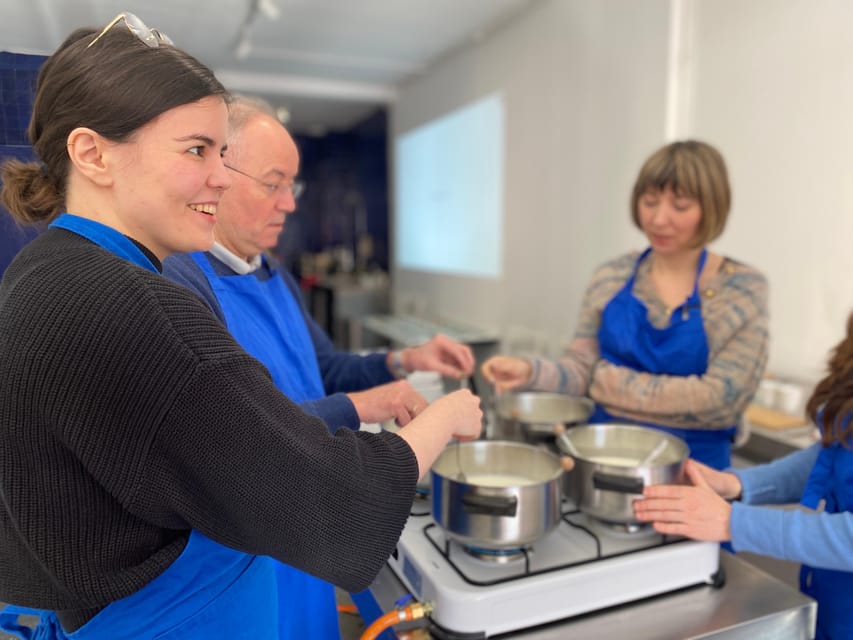
A cheese tasting can tell you what a finished product tastes like. This workshop also shows you how the texture and flavor begin. You see the connection between milk, method, seasoning, and the final cheese.
I like this kind of lesson because it gives you a skill rather than only a memory. The activity is also paced over three hours, which allows time for explanation, preparation, and tasting. You are not rushing through a short sample session.
The class has a practical limit, too. Fresh cheesemaking is not the same as learning every step required for a mature aged cheese. You will not leave with a fully aged wheel made during the workshop. Instead, you learn the rennet process through a fresh cheese and receive what you need to try more at home.
That is a fair trade for a first lesson. Aging takes time, and the workshop is designed to give you an accessible starting point. If you want a finished aged cheese to carry home on the same afternoon, this is not that kind of tour.
Same region, a different wheel:
- Zaanse Schans Windmills, Clogs and Dutch Cheese Small-Group Tour from Amsterdam
★ 4.5 · 2,369 reviews - From Amsterdam: Volendam and Zaanse Schans Tour with Cheese
★ 4.6 · 1,993 reviews - Amsterdam: Evening Candle Light Cruise With Wine & Cheese
★ 4.6 · 1,774 reviews - Countryside Bike Tour from Amsterdam: Cheese, Clogs & a Windmill
★ 5.0 · 1,485 reviews
A tasting of fresh and pressed cheeses
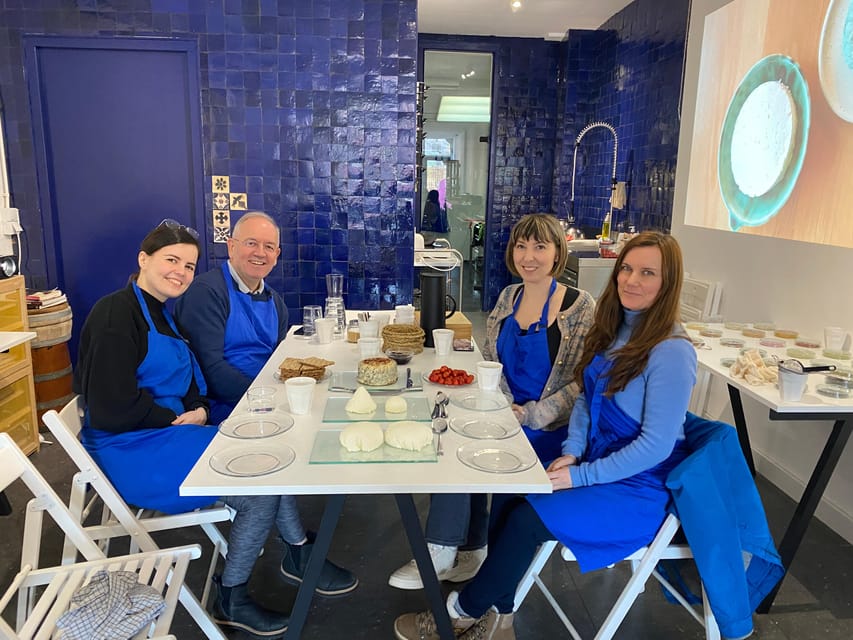
Once your two pieces are ready, the class finishes with a tasting of homemade cheeses. This includes fresh and pressed varieties, so you can compare more than just the cheeses you made during the session.
The tasting helps put the lesson into context. You have just handled the basic ingredients and methods, then you get to sample what those methods can lead toward. It is also a welcome social finish after the practical work.
Do not confuse this with a wine and cheese pairing. Tea is included with the introduction, but coffee and alcoholic drinks are not included. If you are looking for a full Dutch cheese-and-drinks event, you may find the offering limited. If your main interest is the craft itself, the tasting is a useful conclusion.
Your own cheeses go home with you. You also receive a cheese cloth, rennet, calcium, and recipes by email. Those extras affect the value of the experience because they give you a way to repeat the process instead of leaving with only a small sample.
The take-home kit and what it lets you do
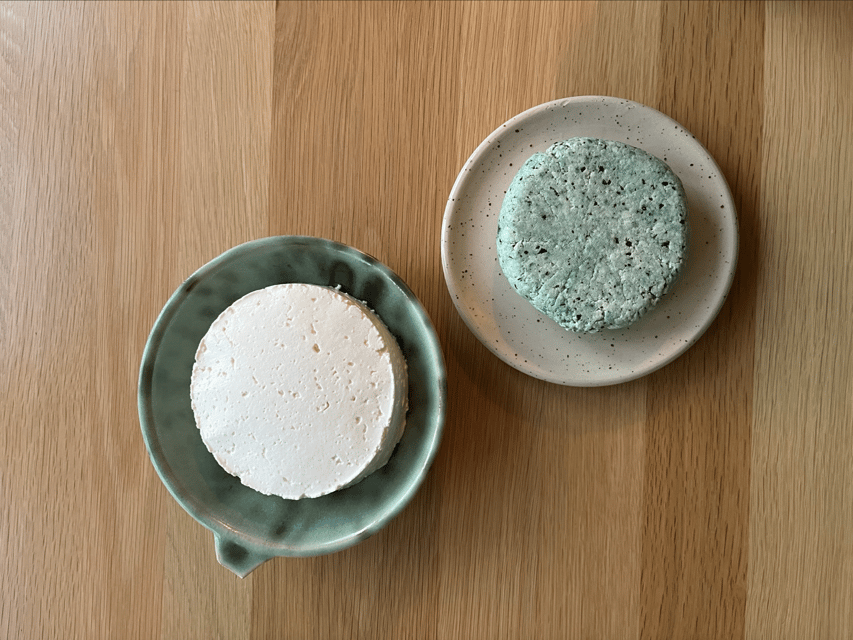
The two cheeses are the obvious souvenirs, but the supplies may be more useful in the long run. A cheese cloth helps with handling and draining, while rennet and calcium let you try the rennet process again. The recipes sent by email give you a written reference after the class.
I would save the recipes and notes as soon as you receive them. The workshop introduces several new terms and steps, and details are easy to forget after a busy day in Amsterdam. The take-home materials are most valuable if you actually plan to make cheese again.
The class encourages that next step. You can repeat the fresh cheeses first, then begin testing longer recipes. The rennet lesson is the door to aged cheese, but aging requires more time and care than the three-hour class can cover. Treat this workshop as the first chapter, not the entire book.
Is $135 a fair price?
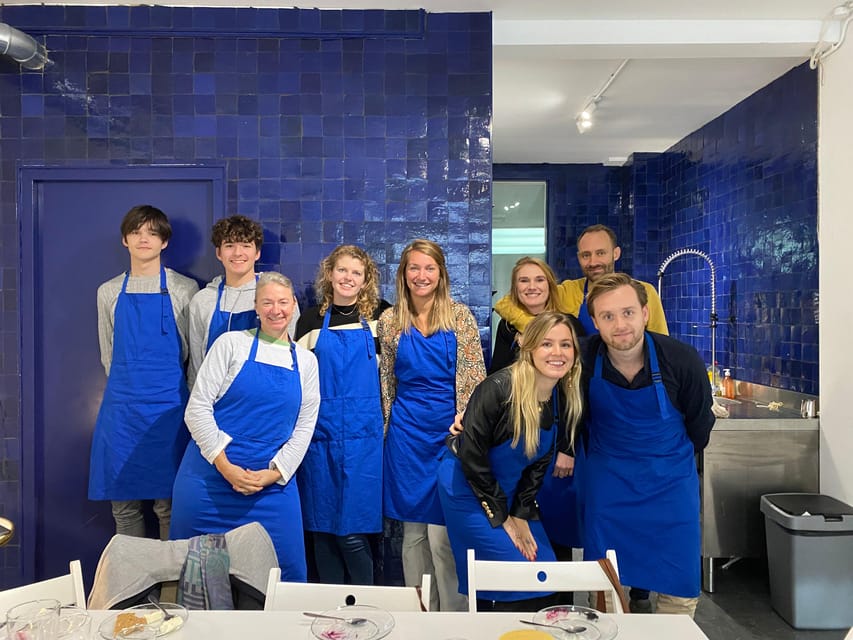
At $135 per person, the workshop costs more than a standard food tasting or a quick cooking demonstration. The price makes more sense when you count the full experience: three hours of instruction, two cheeses you make yourself, a homemade cheese tasting, tea, a cheese cloth, rennet, calcium, and recipes.
You are also paying for a small class. A group capped at 10 gives the instructor a better chance to watch your work and answer questions. For a hands-on craft, that is more valuable than a large room where you only see the instructor’s version.
Still, value depends on your interest. If you mainly want to sample Dutch cheese, you can find simpler and less expensive ways to do that in Amsterdam. If you want to learn a repeatable process and take home supplies, the price is easier to justify.
I would book this for someone who likes food workshops, practical skills, and activities with a clear result. I would skip it for someone who prefers sightseeing with frequent stops or wants a polished tasting with several drinks and a large spread.
Who will enjoy this workshop most
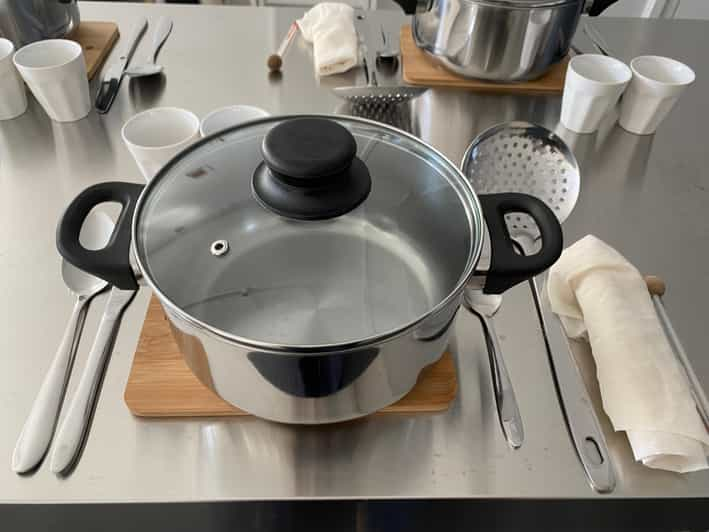
This experience suits curious adults who like understanding how food is made. You do not need to describe yourself as a cook or cheesemaker. The use of supermarket milk makes the class feel approachable, and the two methods give you a clear comparison.
It also works well for a couple or small group of friends who want to do something different near De Hallen. The class is social without being built around a meal or alcohol. Since everyone makes cheese, you have a shared task rather than simply sitting through a talk.
The minimum age is 16, so this is not a family activity for younger children. It is also not suitable for people with lactose intolerance. The stated upper age limit is 95, which is an unusual booking restriction but one you should note when arranging the activity.
Instruction is available in English, Spanish, French, and Dutch. Choose the language that lets you follow food-safety guidance and preparation steps most easily. The group format means clear communication matters.
Small details that can shape your day
Plan this as a three-hour appointment rather than a quick stop between major sights. Since the starting time depends on availability, check the schedule before building the rest of your day around it.
The meeting point may vary depending on the option booked. Do not rely only on the general De Hallen area. Confirm the exact location in your booking information.
The cancellation terms are useful if your Amsterdam plans are still changing. You can cancel up to 24 hours in advance for a full refund, and you can reserve now and pay later. Those terms do not remove the need to check the booking conditions, but they make it easier to fit the class into a busy city visit.
Tea is included, but coffee and alcohol are not. Eat beforehand if you need a full meal, since the cheese tasting is part of the workshop rather than a complete lunch or dinner.
How this compares with a regular cheese tasting
A regular tasting puts the finished cheese first. You sample, compare, and perhaps learn where the products come from. This class puts the making process first and uses tasting as the final piece.
That difference should guide your choice. You will not spend the full three hours sampling a broad range of Dutch cheeses. You will spend much of the time learning, handling milk, making two fresh cheeses, and trying flavors such as herbs or spices.
The reward is a better understanding of what you are tasting. Acid-coagulated and rennet-coagulated cheeses are not just different names. They reflect different ways of changing milk, and the class lets you experience that difference directly.
For me, the strongest appeal is the sense of possibility after the class. You leave with a basic method, supplies, and recipes. You can repeat the process, adjust seasonings, and eventually attempt an aged cheese. That ongoing potential gives the workshop more value than a souvenir that sits untouched.
Should you book Amsterdam: Make Your Cheese Next to De Hallen?
Book it if you want a small, practical food class and like the idea of making something you can repeat at home. The best reasons are the two different coagulation methods, Paula’s personal instruction, the 10-person limit, and the take-home kit.
Think twice if you have lactose intolerance, need a child-friendly activity, or want a simple Dutch cheese tasting with coffee, wine, or a full meal. At $135, you should care about learning the craft, not just eating the result.
For the right person, this is a memorable way to spend three hours in Amsterdam. You taste cheese, but the real souvenir is knowing how to start making your own.
FAQ
How long does the cheese-making workshop last?
The workshop lasts three hours.
Where does the activity take place?
You meet at De Kaasserie near De Hallen in Amsterdam. The exact meeting point may vary depending on the option booked.
How many people can join the group?
The group is limited to 10 participants.
Which languages are available?
Instruction is available in English, Spanish, French, and Dutch.
What kinds of cheese will I make?
You will make two fresh cheeses. One uses acid coagulation, and the other uses rennet coagulation.
What milk is used during the class?
You use one liter of supermarket milk for each cheese, for two liters in total.
Can I add herbs or spices?
Yes. You can experiment with adding herbs and spices to your cheeses.
What can I take home?
You take home your two cheeses, a cheese cloth, rennet, calcium, and recipes sent by email.
Is food or drink included?
Tea with the introduction and a tasting of homemade fresh and pressed cheeses are included. Coffee and alcoholic beverages are not included.
Is the workshop suitable for children or people with lactose intolerance?
The activity is not suitable for children under 16 or for people with lactose intolerance.
Freshly cut around Amsterdam
- Amsterdam: Zaanse Schans E-Bike Tour with Windmills & Cheese★ 4.5 · 12 reviews
- Zaanse Schans & Volendam Private Tour: Windmills and Cheese★ 5.0 · 5 reviews
- Amsterdam: Experience Edam, a Cheese Tasting, and a Windmill★ 4.5 · 7 reviews
- Zaanse Schans Windmills, cheese and clogs and Volendam tour from Amsterdam★ 5.0 · 14 reviews
- Admission to The Story of Edam Cheese Museum★ 4.0 · 9 reviews
- Private Tour to Tulips, Keukenhof, Windmills & Cheese Farm★ 5.0 · 4 reviews
- Private Guided Highlights of Holland Tour with Cheese Tasting★ 5.0 · 4 reviews
- Private Sightseeing Tour to Windmills Cheese Farm and Volendam★ 5.0 · 5 reviews
Amsterdam Cheese Tours, plate by plate.

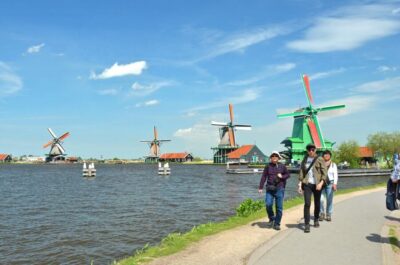
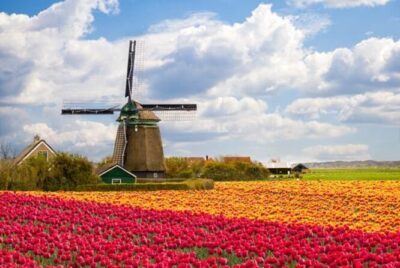
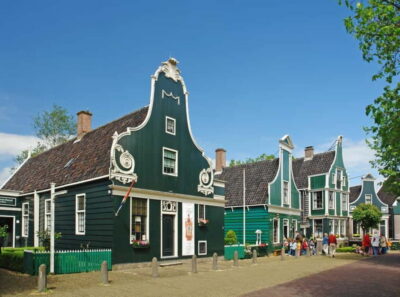
Countryside Bike Tour from Amsterdam: Cheese, Clogs & a Windmill
Read our review →
Cheese lists with this tasting