Review · AMSTERDAM
Cheese and Wine tasting in Amsterdam
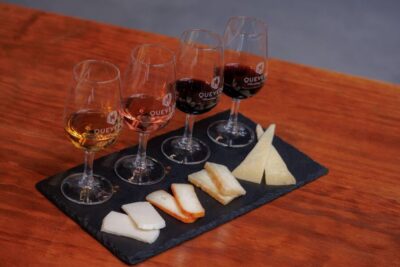
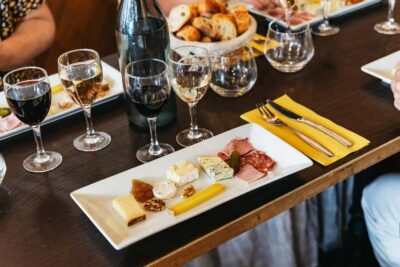
The main event here is a guided tasting of five award-winning Dutch cheeses from 2024, matched with selected wines in an upstairs room at the Old Amsterdam Cheese Store. You learn how age, milk type, and texture affect the pairing, rather than simply eating cheese and drinking wine side by side.
I like the clear focus and the short format. In less than an hour, you get a useful introduction to Dutch cheese, wine pairing, and local cheese-making traditions. I also like the friendly teaching style, with guides such as Rick, Maria, Ron, and Luca bringing humor, history, and practical tasting advice.
The main consideration is that this takes place in a cheese shop and also promotes its products. That is not a surprise, but you should expect a tasting with a retail connection, not a broad tour of Amsterdam’s food scene.
Key points at a glance
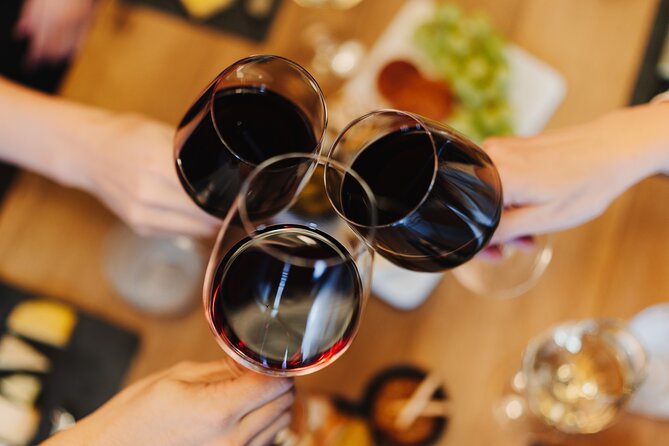
- Five cheeses, three wine styles: The tasting commonly includes a white wine, a red wine, and a Port, though the exact selection can vary.
- A lesson, not just a snack: You learn about goat and cow milk, aging from roughly four to 18 months, production, and pairing.
- A convenient Damrak address: Start and finish at Damrak 62HS, close to public transportation and central Amsterdam sights.
- A compact 55-minute plan: This works well before dinner, between canal walks, or on a rainy afternoon.
- A social but manageable group: The maximum is 26 people, though some sessions may feel much smaller.
- A shop discount may follow: Some tasting sessions offer 10 percent off cheese purchases afterward, making it easy to take a favorite home.
Five Dutch cheeses in one short sitting
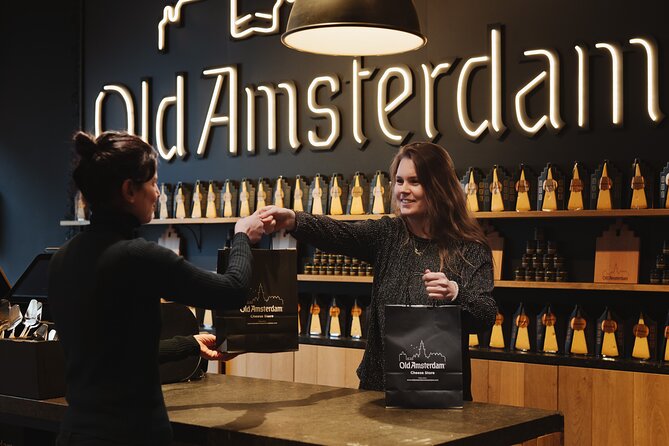
This tasting is built around comparison. You are served five different cheeses, then guided through their textures, ages, flavors, and wine matches. That format gives the experience a purpose. You are not simply told that one cheese is mild and another is strong. You get to test how the differences affect what you taste in the glass.
The selection focuses on Old Amsterdam cheeses and related Dutch styles. You may taste both goat and cow cheeses, with ages ranging from younger examples to cheeses matured for around 18 months. That range matters. Young cheese tends to feel softer and milder, while older cheese develops a firmer texture and more pronounced flavor.
The tasting also helps you recognize details that are easy to miss when cheese is served as a snack. You may notice salt, sweetness, nuttiness, sharpness, or a drier finish. The guide explains what causes those traits and shows how wine can soften, echo, or contrast with them.
A small booklet or written guide has been provided in some sessions. It can help you remember the cheeses afterward, although you may want to ask for the exact cheese and wine names if you plan to buy a particular favorite.
More Wine and Cheese Tastings in Amsterdam
- Amsterdam: Classic Saloon Boat Cruise with Cheese & Wine
★ 4.6 · 27,035 reviews - Amsterdam: Evening Candle Light Cruise With Wine & Cheese
★ 4.6 · 1,774 reviews - Amsterdam: Cozy Cheese & Wine Cruise Tasting Experience
★ 4.5 · 1,156 reviews
What happens inside the Old Amsterdam Cheese Store
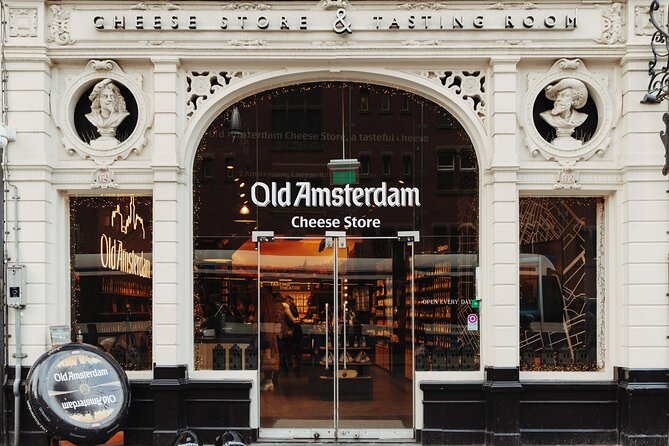
The only scheduled stop is the Old Amsterdam Cheese Store at Damrak 62HS. You meet there and return to the same location when the session ends, so there is no bus, canal boat, or transfer to manage.
The shop has a tasting room upstairs with a presentation screen. This creates a more organized setting than a quick counter sample. You sit down, listen to the introduction, and receive the cheese and wine in stages.
The opening usually covers Dutch cheese-making and the story of Old Amsterdam. The guide may discuss how milk is handled, how cheese is matured, and why age changes both texture and taste. You also get some context about Gouda production in the Amsterdam area and the founders of the Old Amsterdam brand.
The tone is generally relaxed rather than formal. Guides have used quizzes, light jokes, and questions to keep the hour moving. That helps if you are not already comfortable with wine language. You do not need to know the difference between tannin and acidity before you arrive.
The room can hold up to 26 people. That is not a private tasting, and a full session will feel more like a small group presentation. Still, the short format and seated setting make it easier to follow than a crowded shop counter.
How the cheese and wine pairing works
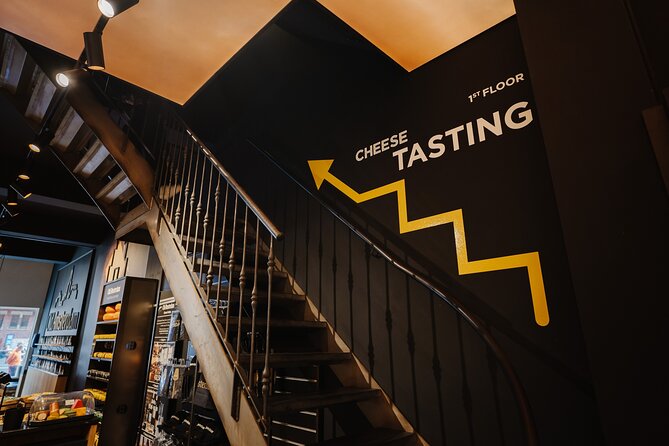
The tasting includes food and wine, with cutlery provided. The wine selection commonly includes a white, a red, and a Port. Some descriptions of the session refer to two white wines and one red, so the exact pours may change. You should expect several European wines selected to show different pairing effects, not a single bottle served throughout.
The guide takes you through the cheese first, then shows how the wine changes the experience. A younger cheese may work well with a lighter white. A firmer, older cheese can call for a fuller red or a sweet fortified wine. The point is not to establish one rigid rule. It is to help you notice why a combination works.
Port is especially useful in this setting. Its sweetness can make a salty or mature cheese taste different from the same cheese paired with a dry wine. You may find that a pairing you would not choose at home becomes the most memorable one of the session.
The cheese selection can include goat and cow cheeses. This is one of the more useful parts for beginners, since the guide explains how the milk source affects aroma and flavor. Aging is another central theme. Comparing cheeses at four, 12, or 18 months, for example, helps you understand the change better than a brief explanation alone.
Some sessions have included an unusual chocolate cheese at the end. Treat that as a possible extra rather than a guaranteed part of the tasting. The core offering is the five-cheese sample with wine pairings.
The teaching style makes the difference
A cheese tasting can easily become a sales pitch with a few cubes on a plate. Here, the guide’s presentation is important. Rick has led sessions focused on wine and cheese knowledge, while Maria has been praised for a friendly, engaging approach. Ron and Luca have also hosted tastings, with an emphasis on cheese production, wine, and pairing.
I would expect the guide to explain rather than lecture. You can ask questions about the cheeses, the wines, and where to find similar products. Guides also provide suggestions for other things to do in Amsterdam, according to the experience details shared by past participants.
The best part is the practical information. You learn how to tell goat cheese from cow cheese, how the aging process changes a wheel, and why a particular wine suits a particular texture. This gives you something to use later at a market, restaurant, or cheese counter.
The presentation is also a pleasant option for solo visitors. The room brings people together around an easy subject, and the tasting naturally gives you something to discuss. Couples, friend groups, and solo visitors can all fit the format.
More Wine and Cheese Tastings in the Netherlands
- Amsterdam: Wine and Cheese Evening Cruise
★ 4.5 · 839 reviews - Amsterdam Wine and Cheese Evening Cruise
★ 4.5 · 798 reviews - Evening Canal Cruise in Amsterdam with Wine & Cheese Option
★ 4.0 · 781 reviews - Amsterdam: Dutch Cheese Tasting Experience with Wine
★ 4.7 · 658 reviews
Value at $32.65 per person
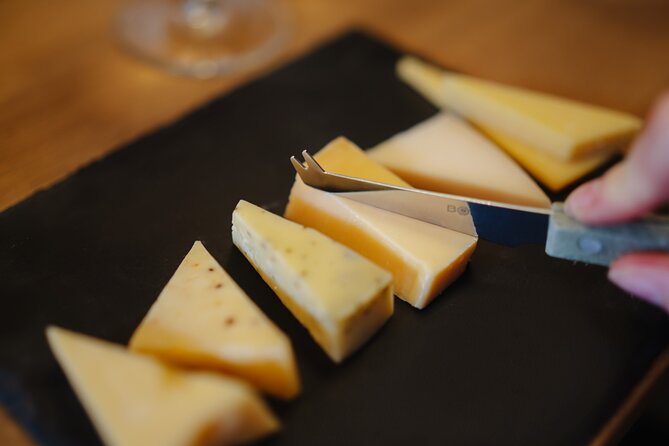
At $32.65, this is not the cheapest way to sample Dutch cheese. Amsterdam has shops that offer small samples, and you could buy cheese and wine on your own for less or more depending on your choices.
The value comes from the explanation and the structured comparison. You are paying for five cheeses, multiple wines, cutlery, a seated presentation, and an English-speaking guide. If you already understand cheese-making and wine pairing, the lesson may feel basic. If you usually buy cheese based only on appearance, the guidance adds more value.
The 55-minute length also keeps the cost manageable. You are not committing half a day to a food activity. It fits nicely into a sightseeing plan, especially before lunch or dinner.
Some sessions include a 10 percent discount on cheese bought in the shop afterward. That detail is worth checking when you arrive. If you find a cheese you like, the discount can improve the overall value and gives you a simple way to bring a taste of Amsterdam home.
I would not book this for a full meal. The tasting is substantial enough to be enjoyable, but it is not described as lunch or dinner. Plan to eat separately.
Why the Damrak meeting point matters
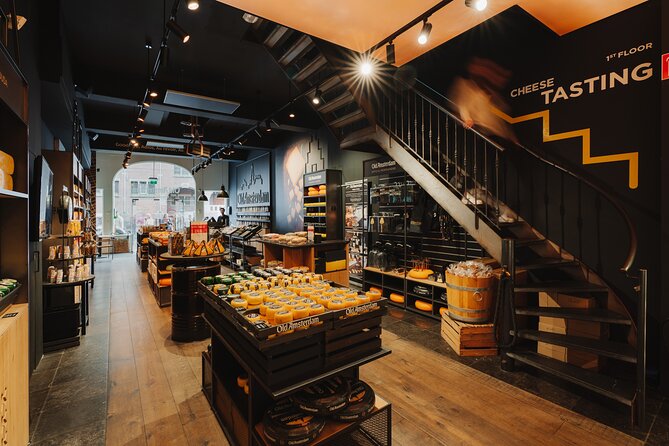
Damrak 62HS is in central Amsterdam, making this an easy stop during a day in the historic center. You start and end at the shop, so you do not need to find a second location or arrange private transportation.
The central position can also be a drawback. Damrak is a busy part of Amsterdam, and the address may be easy to pass if you are watching the street rather than the shopfronts. Give yourself enough time to locate the store before the tasting begins.
The activity is near public transportation, though no private transfer is included. For most visitors already exploring central Amsterdam, walking or public transport should be the practical approach.
Because the session lasts less than an hour, you can pair it with nearby sightseeing. You might schedule it after a canal walk, before visiting another central attraction, or as a break from a wet afternoon. The indoor setting makes it a useful backup when the weather turns poor.
Group size, timing, and who will like it
The maximum group size is 26. That keeps the activity fairly contained, but a full room may limit personal attention. If you want a private lesson or a long conversation with the guide, this is not the right format.
Some sessions have had only a couple or a small handful of people. In that situation, the guide can give more direct attention and answer more questions. You should not count on a private tasting, but the possibility of a smaller group is one of the pleasant features.
You must be at least 18 to drink alcohol. The tasting is offered in English, and confirmation is sent when you book. Service animals are allowed, and most people can take part.
I would recommend this for:
- First-time visitors who want a simple introduction to Dutch cheese
- Couples looking for a low-key food activity
- Solo visitors who enjoy a social, seated experience
- Friends who want a short activity with wine but not a full dinner
- Anyone interested in how aging and milk type affect cheese
I would be more cautious if you want a farm visit, a market tour, or a broad look at Dutch food. This is a brand-based tasting in a central shop, not a trip into the countryside or a survey of Amsterdam’s food culture.
What you should know before booking
The activity is offered in English, and the ticket is mobile, so you do not need a printed voucher. The meeting point is Damrak 62HS, 1012 LM Amsterdam. The activity ends back at the same place.
Book ahead if the timing matters. The average booking lead time is about 14 days, which suggests that popular dates can fill before your visit. A group of up to 26 people may attend, so book together if you want to sit with friends.
You can cancel for a full refund up to 24 hours before the start time. Cancellations or changes made less than 24 hours before the start are not accepted for a refund, and the cut-off uses Amsterdam local time.
One small practical tip: ask for the names of the cheeses and wines as they are served. A written booklet has been used in some sessions, but the exact list may not always be obvious. That information will help if you want to return to the shop and buy a particular cheese.
Is this cheese tasting worth your time?
I would book this if you want a short, friendly introduction to Dutch cheese and wine in central Amsterdam. The five-cheese format, the mix of goat and cow cheeses, and the comparison of younger and older styles give the hour real substance.
The strongest reason to go is the guide-led explanation. You leave with a better sense of why pairings work, not just a full stomach. The main limitation is the retail setting and the modest duration. If that sounds too commercial, or if you want a full meal and a wider food tour, spend your money elsewhere.
For most visitors who like cheese, wine, and practical cultural lessons, $32.65 is a fair price for an easy 55-minute activity. It is especially useful on a rainy day or when you want a break from Amsterdam’s major sights without giving up the city center.
FAQ
Where does the cheese and wine tasting take place?
It takes place at the Old Amsterdam Cheese Store, at Damrak 62HS, 1012 LM Amsterdam, Netherlands.
How long does the experience last?
The tasting lasts approximately 55 minutes.
How many cheeses and wines are included?
You taste five different cheeses. The wine selection commonly includes three styles or pours, such as a white wine, a red wine, and a Port. The exact selection can vary.
Is the tasting offered in English?
Yes. The experience is offered in English.
What is the minimum drinking age?
The minimum drinking age is 18.
How large can the group be?
The maximum group size is 26 people.
Can I cancel for a refund?
Yes. You can cancel at least 24 hours before the start time for a full refund. Cancellations or changes made less than 24 hours before the start time are not accepted for a refund.
Freshly cut around Amsterdam
- Amsterdam: Zaanse Schans E-Bike Tour with Windmills & Cheese★ 4.5 · 12 reviews
- Zaanse Schans & Volendam Private Tour: Windmills and Cheese★ 5.0 · 5 reviews
- Amsterdam: Experience Edam, a Cheese Tasting, and a Windmill★ 4.5 · 7 reviews
- Zaanse Schans Windmills, cheese and clogs and Volendam tour from Amsterdam★ 5.0 · 14 reviews
- Admission to The Story of Edam Cheese Museum★ 4.0 · 9 reviews
- Private Tour to Tulips, Keukenhof, Windmills & Cheese Farm★ 5.0 · 4 reviews
- Private Guided Highlights of Holland Tour with Cheese Tasting★ 5.0 · 4 reviews
- Private Sightseeing Tour to Windmills Cheese Farm and Volendam★ 5.0 · 5 reviews
Wine and Cheese Tastings, plate by plate.
Paris: Montmartre Cheese, Wine & Pastry Guided Walking Tour
Read our review →