
Review · BUDAPEST
Evening Wine, Cheese, & Charcuterie Tasting in Budapest
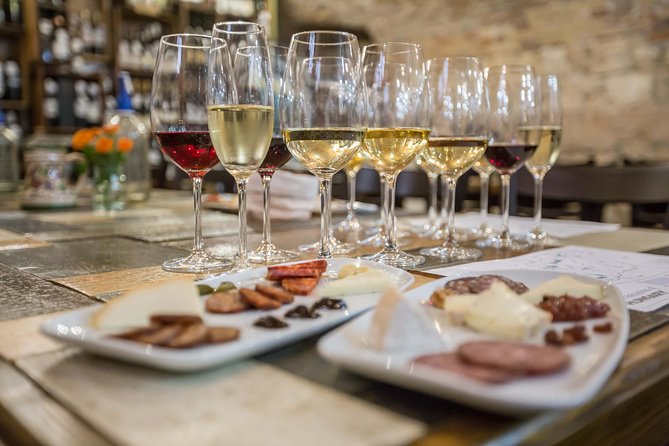
Hungary’s wines are still a secret to many visitors, and this two-hour tasting is a smart way to change that. At Taste Hungary’s cellar, a sommelier leads you through eight Hungarian wines, from sparkling wine and crisp whites to reds and a sweet Tokaj finale. You get the story behind each glass, not just a rapid pour-and-go tasting.
I like the relaxed cellar setting and the local cheese and charcuterie pairings. I also like that the wines come directly from producers, including small wineries you may never encounter in a standard shop. The main consideration is the fixed, non-refundable booking policy, so choose your date carefully.
Key points at a glance
- Eight wines in two hours: Expect sparkling, white, red, and sweet Hungarian wines in a clear progression.
- A useful countrywide introduction: The sommelier explains Hungary’s regions, grapes, styles, and current winemaking trends.
- Food with every wine: Local cheese, cured meats, and other light pairings help you compare how food changes a wine.
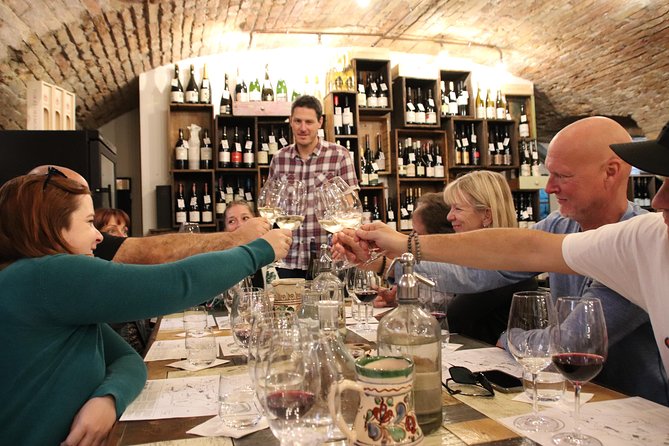
- A friendly cellar atmosphere: The small-group format makes conversation easy, including for solo visitors.
- Tokaj closes the evening: The final sweet wine comes from Tokaj, one of the world’s great sweet-wine regions.
- Best timing: Book this early in your Budapest stay if you want better guidance when ordering wine later.
Why Hungarian wine deserves two hours of your Budapest evening
Hungary is not a one-grape, one-style wine country. Its wine regions produce sparkling wines, bright whites, serious reds, and sweet wines with a worldwide reputation. The challenge for a first-time visitor is knowing where to begin.
That is what makes this tasting useful. Instead of handing you a list of unfamiliar grape names, the sommelier builds a simple route through the country’s wine culture. You hear about the major regions, important varieties, winemaking traditions, and newer directions in Hungarian wine.
The tasting also places wine in its cultural setting. You learn why certain areas are known for particular styles and how Hungarian producers are gaining attention beyond the country. The material is aimed at curious drinkers, not only people who can already identify every aroma in a glass.
That last point matters. The best sessions keep the language plain and let you enjoy the wine. One host, Tomas, is repeatedly praised for making the subject approachable and entertaining without turning it into a lecture. Other sessions have featured sommeliers including Bolasz and John, so the exact personality and presentation may vary by date.
More Cheese and Charcuterie Boards in the world:
- Budapest: Wine, Cheese, and Charcuterie Tasting
★ 4.9 · 647 reviews - Hungarian Wine Tasting (with Cheese and Charcuterie) in Budapest
★ 5.0 · 531 reviews - Full-Day Group Wine Tour (with cheese and charcuterie) in Niagara-on-the-Lake
★ 5.0 · 349 reviews
Arriving at the Tasting Table Cellar on Bródy Sándor utca
The meeting point is the Tasting Table Cellar by Taste Hungary at Bródy Sándor u. 9, in Budapest’s 1088 district. The session begins at 6 pm and ends back at the same location, so you do not need to arrange a ride across town after the final glass.
The cellar setting is part of the appeal. This is not a large sightseeing coach or a noisy bar crawl. It is a dedicated tasting room with a more intimate feel, and the maximum group size is 24 people. Actual sessions may be smaller, which can make it easier to ask questions and chat across the table.
Plan to arrive with enough time to find the address. A mobile ticket is accepted, and the venue is near public transportation. Hotel pickup and drop-off are not included, so you make your own way there and back.
The 6 pm start works well for an evening in Budapest. You can spend the afternoon sightseeing, settle into the tasting, and continue to dinner or a drink afterward. Keep in mind that eight samples plus food can make this more than a simple aperitif. If you plan a late dinner, you may want to keep it light.
The first glasses: sparkling wine and Hungarian whites
The lineup generally begins with a welcoming sparkling wine. This gives you an easy start and introduces the idea that Hungarian winemaking is broader than the sweet Tokaj wines many people already know.
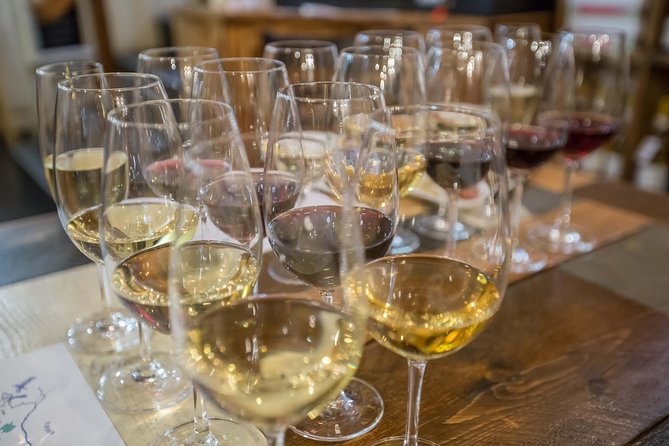
From there, the tasting moves into white wines. You should expect several different styles rather than eight glasses that all taste alike. The sommelier explains the grapes, the place where each wine was made, and the aromas or flavors to look for.
You do not need a trained palate. The useful lesson is learning how to pay attention. Take a small sip, notice the smell, taste the wine again, and compare it with the food. The sommelier helps you recognize differences without making you feel tested.
The food pairing is more than decoration. Cheese and light savory foods can soften acidity, emphasize fruit, or make a wine seem fuller. This gives you a practical way to understand the wine instead of hearing technical descriptions that disappear as soon as the next glass arrives.
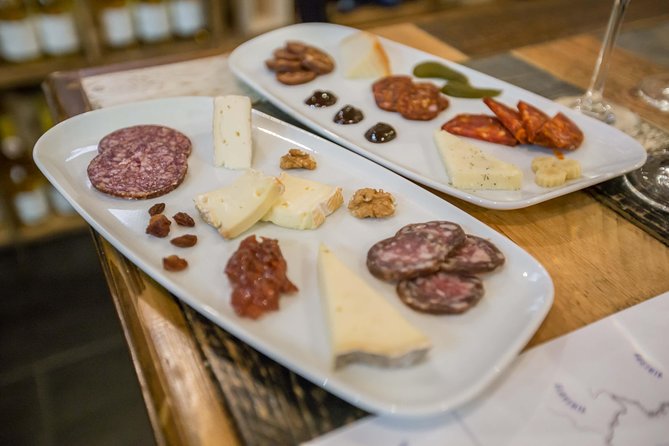
Several sessions have included separate boards for white and red wines, with good-quality cheeses and cured meats. The exact selection can change, but the supplied menu identifies a cheese and charcuterie board with local specialties. If you have dietary needs, tell the operator when booking.
Red wines, small producers, and the value of comparison
The red wines provide another useful turn in the story. Rather than treating Hungary as a place for only light whites and sweet wines, the sommelier shows how local producers handle red varieties and different styles.
This is also where the direct-producer sourcing matters. Taste Hungary buys wines from producers it knows, and each bottle is chosen for a reason. You are not simply sampling whatever is easiest to obtain. The point is to show variety and help you understand what makes Hungarian wine distinctive.
That approach can be especially valuable if you plan to visit wine shops or restaurants during your stay. After the tasting, names such as Tokaj, Eger, Villány, or other regional references will mean more than they did when you arrived. You may not remember every grape, but you will have a better sense of what style you want to order.
The pairing boards also make the red section social. Small plates are placed for sharing, and the arrangement encourages conversation. Solo visitors often find this format comfortable because the food gives everyone a natural subject to discuss, while couples can enjoy the evening without being isolated at a private table.
The social side is not forced. You can focus on the sommelier, talk with people from other countries, or do a bit of both. The group format is one of the strongest reasons to choose this experience over a private bottle at a wine bar.
More Wine and Cheese Tastings in the world:
- Amsterdam: Classic Saloon Boat Cruise with Cheese & Wine
★ 4.6 · 27,035 reviews - Paris: Montmartre Cheese, Wine & Pastry Guided Walking Tour
★ 4.8 · 2,255 reviews - Amsterdam: Evening Candle Light Cruise With Wine & Cheese
★ 4.6 · 1,774 reviews - Amsterdam: Cozy Cheese & Wine Cruise Tasting Experience
★ 4.5 · 1,156 reviews
The Tokaj finale and what makes the ending special
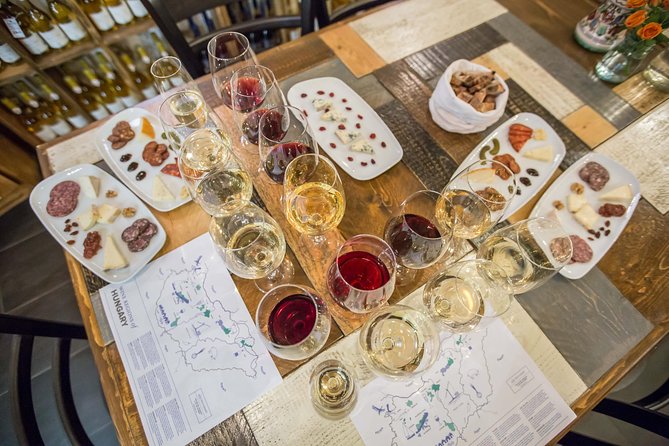
The final wine is a sweet wine from Tokaj. This is a strong way to finish because Tokaj gives the tasting a clear point of arrival. After sparkling, white, and red wines, you end with a style that has helped put Hungary on the international wine map.
The sommelier explains the character of Tokaj and why sweet wine can be so complex. You can compare the final glass with the savory food already on the table, though you may prefer to enjoy it on its own.
This closing glass is also a reminder that Hungarian wine does not fit a single label. A visitor who arrives expecting only dry European table wine gets a much wider picture by the end of the evening.
What the food pairing adds to the experience
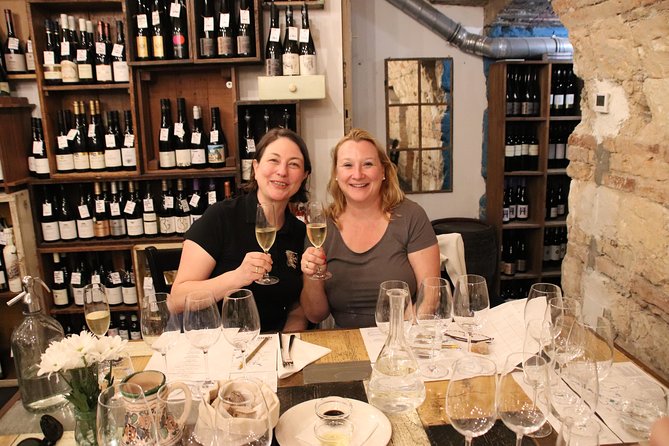
The food is described as a light pairing, not a full dinner. That distinction is important. You receive enough cheese, charcuterie, and related nibbles to accompany the wines, but you should not book this expecting a multi-course meal.
The local focus improves the tasting. Cheese and cured meat give you a taste of Hungarian food culture alongside the wine, and the salt and richness create useful contrasts. Several tastings have included separate boards for different parts of the lineup, allowing you to see how the same food works with white and red wines.
Quality matters here. A small amount of well-chosen food is more useful than a large buffet that distracts from the glasses. The boards also help pace the evening, which is welcome when you are tasting eight samples in two hours.
If you have allergies, follow the instruction to provide dietary requirements at booking. The listed experience includes mineral water, but additional food and drinks cost extra.
Is $65 a fair price?
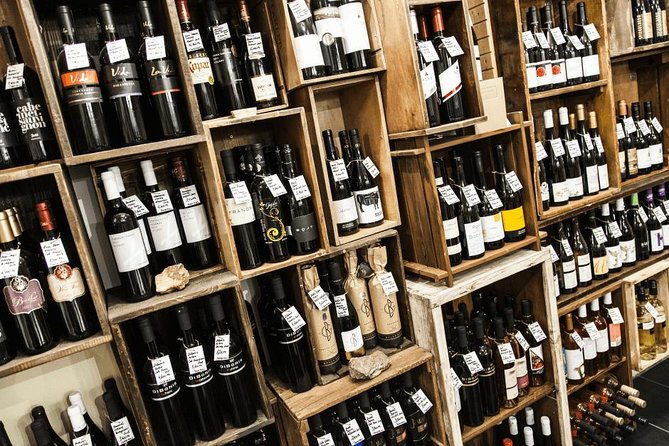
At $65 per person, this is not the cheapest way to drink wine in Budapest. It is also more than the cost of ordering a single glass or two at a neighborhood bar. The value comes from the structure: eight samples, food pairings, a professional sommelier, regional context, and direct access to bottles that may be unfamiliar outside Hungary.
A self-guided wine evening might cost less, but you would need to choose the bottles, understand the regions, and work out the food yourself. You would also miss the connection between the wines. Here, the sequence turns separate samples into a story.
The price makes the most sense for three types of visitor. First, it suits wine lovers who want to discover smaller Hungarian producers. Second, it works for curious beginners who want guidance without heavy technical language. Third, it is a good choice for solo visitors who would enjoy a shared table and an easy way to meet people.
It may be less appealing if you dislike group activities, drink very little, or want a complete dinner. In that case, a restaurant wine list or private tasting could suit you better. Also remember that extra drinks are not included.
The atmosphere, the guide, and the group size
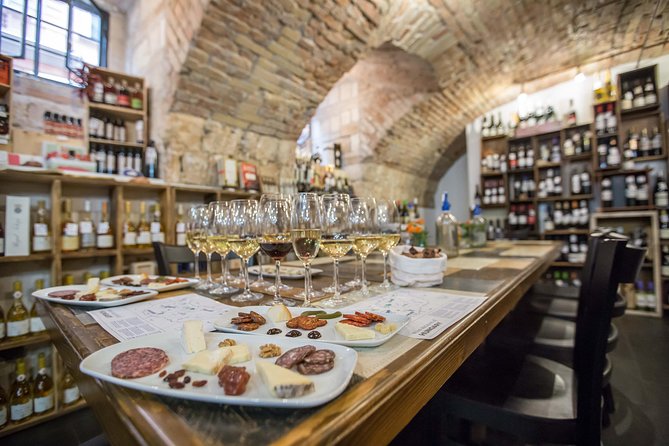
The tone is meant to be friendly rather than formal. Strong hosts keep the facts moving, add stories about Hungarian wine and culture, and leave room for conversation. Tomas is often singled out for combining clear explanations with humor and a personal touch. Bolasz is also praised for making the material easy to follow without overcomplicating it.
There is one important qualification: a tasting depends partly on the individual sommelier. A warm, engaged host can make the two hours fly by. A less enthusiastic presenter can make the same wines feel flatter. The experience is generally praised for its relaxed tone, but no hosted event is completely uniform from one date to another.
The group cap of 24 is sensible. It is large enough to create a social evening, but small enough for the sommelier to address the table. Some sessions have been much smaller, which is especially helpful if you want to ask about buying a bottle or choosing wine at a restaurant later.
You do not need to arrive as a wine expert. In fact, the format may be more useful if you are still learning what you like. The sommelier explains how to identify notes and aromas, but you are not expected to use specialist vocabulary.
Practical details to know before booking
The activity is offered in English and lasts about two hours. It begins at 6 pm at the Tasting Table Cellar and finishes at the meeting point. A mobile ticket is accepted, and the location is near public transportation.
The minimum age is 18. Hotel transportation is not included. Mineral water and light food pairings are included, while extra food and drinks are not.
The experience is non-refundable and cannot be changed after booking. If the minimum number of participants is not reached and the operator cancels, you can be offered another date or experience, or receive a full refund. Since you cannot cancel for personal reasons and recover the price, I would avoid booking it on the last night of a tightly planned trip.
Book early if the timing matters. This tasting is booked an average of 36 days ahead, which suggests that popular dates can fill before you arrive. It is also a smart early-trip activity because the lessons can guide your later wine choices in Budapest.
Who should book this tasting?
I would choose it if you want a compact introduction to Hungary’s wine regions and do not want to spend days sorting out unfamiliar bottles. The eight-wine format gives you range, while the sommelier provides the link between the samples.
It is especially good for couples, friends, and solo visitors who enjoy conversation. The shared boards and small-group setup make it easier to meet people than a standard restaurant table, but the evening still has a clear focus.
I would hesitate if you need a substantial meal, want to visit vineyards outside Budapest, or prefer a private experience. This is a city cellar tasting, not a countryside wine tour. You also need to accept the fixed booking terms and the possibility that the host’s style will vary.
Should you book it?
Yes, if Hungarian wine is new to you and you want an evening that is educational without being stiff. For $65, you get eight wines, local food, mineral water, and a guided explanation of a wine country that many visitors overlook.
Book it early in your Budapest stay, arrive ready to taste rather than rush through dinner, and ask questions. If the lineup includes bottles you love, Taste Hungary also has a shop where you may be able to buy wine for later. This is a particularly good pick for a solo visitor, a curious beginner, or anyone who wants more from Hungarian wine than a quick glass of Tokaj.
FAQ
Where does the tasting take place?
It takes place at the Tasting Table Cellar by Taste Hungary, at Bródy Sándor u. 9, 1088 Budapest, Hungary.
What time does the experience begin?
The tasting starts at 6 pm.
How long does the tasting last?
It lasts approximately two hours.
How many wines are included?
Eight Hungarian wine samples are included.
What food is served?
The tasting includes light food pairings, including a cheese and charcuterie board with local specialties. Additional food is not included.
Is the tasting offered in English?
Yes. The experience is offered in English and includes a professional sommelier-guide.
Is there a minimum age?
Yes. Participants must be at least 18 years old.
Can I cancel or change my booking?
No. The experience is non-refundable and cannot be changed for any reason. If the operator cancels because the minimum number of participants is not reached, you can be offered another date or experience, or receive a full refund.
More evening tastings in the world
- Amsterdam: Wine and Cheese Evening Cruise
★ 4.5 · 839 reviews - Amsterdam Wine and Cheese Evening Cruise
★ 4.5 · 798 reviews - Evening Canal Cruise in Amsterdam with Wine & Cheese Option
★ 4.0 · 781 reviews - Uluru: Sacred Sites & Sunset Tour with Wine & Cheeseboard
★ 4.5 · 450 reviews
Freshly cut around the world
- Zurich Open-top Tour and Chocolate and Cheese Countryside★ 3.5 · 11 reviews
- Zurich: Lucerne Trip, Igloo Fondue and Titlis Rotair Option★ 4.9 · 5 reviews
- Zermatt: Outdoor fondue “group experience under the stars”★ 4.7 · 3 reviews
- Amsterdam: Zaanse Schans E-Bike Tour with Windmills & Cheese★ 4.5 · 12 reviews
- Zaanse Schans & Volendam Private Tour: Windmills and Cheese★ 5.0 · 5 reviews
- Wine Tasting with Cured Meats & Cheeses in Florence★ 5.0 · 2 reviews
- Yeppoon: Sunset Cruise w/ Cheese Platter & Champagne★ 4.3 · 19 reviews
- Wine Masterclass & Cheese Tasting Workshop in Bordeaux★ 5.0 · 2 reviews
Cheese and Charcuterie Boards, plate by plate.
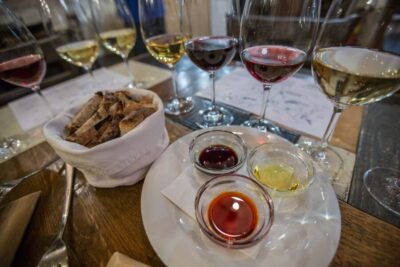
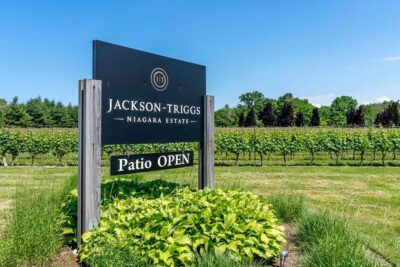
Full-Day Group Wine Tour (with cheese and charcuterie) in Niagara-on-the-Lake
Read our review →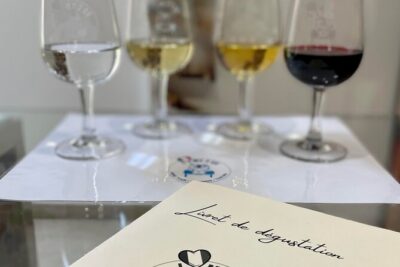
Tasting of 6 Bordeaux wines and pairing charcuterie & cheese
Read our review →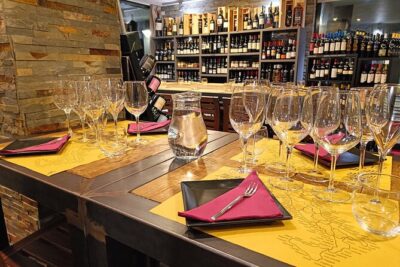
Taste of Lake Como: 4 Wines Paired with Local Cheese Charcuterie
Read our review →
Bordeaux: Wine Masterclass with Cheese and Charcuterie Board
Read our review →
Introduction to Bordeaux wines paired with cheeses & charcuterie
Read our review →
Cheese lists with this tasting