
Review · FUERTEVENTURA
Fuerteventura: Artisan Goat’s Cheese Making at Local Farm
Fuerteventura’s most useful souvenir may be the one you can eat. At this small goat farm, you help milk Majorera goats, turn fresh milk into cheese, and label your own vacuum-packed creation before taking it home. The work feels real, not staged for a quick photo.
I like the hands-on pace, especially the chance to feed goats and, when available, bottle-feed the babies. I also like the generous breakfast, which includes farm cheese, a sandwich, Canarian mojos, homemade jams, and one drink. The main consideration is communication: English and Spanish support is offered, but one past session had no guide present, so basic Spanish or a translation app could be useful.
Key points at a glance
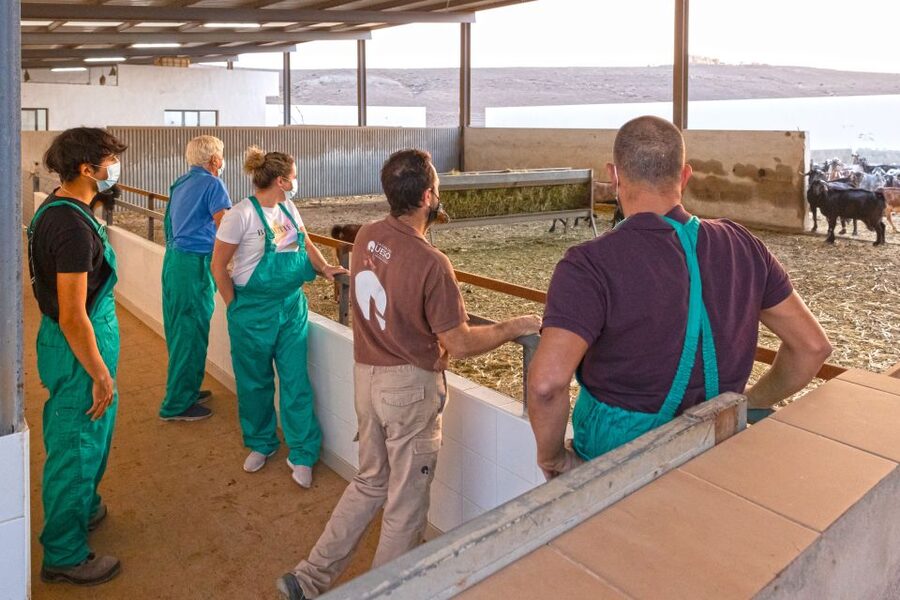
- Feed and milk Majorera goats: Learn both hand milking and machine milking, with time around the adult goats and babies.
- Make a cheese from start to finish: Shape your own fresh cheese, let it rest in the press, then vacuum-pack and label it yourself.
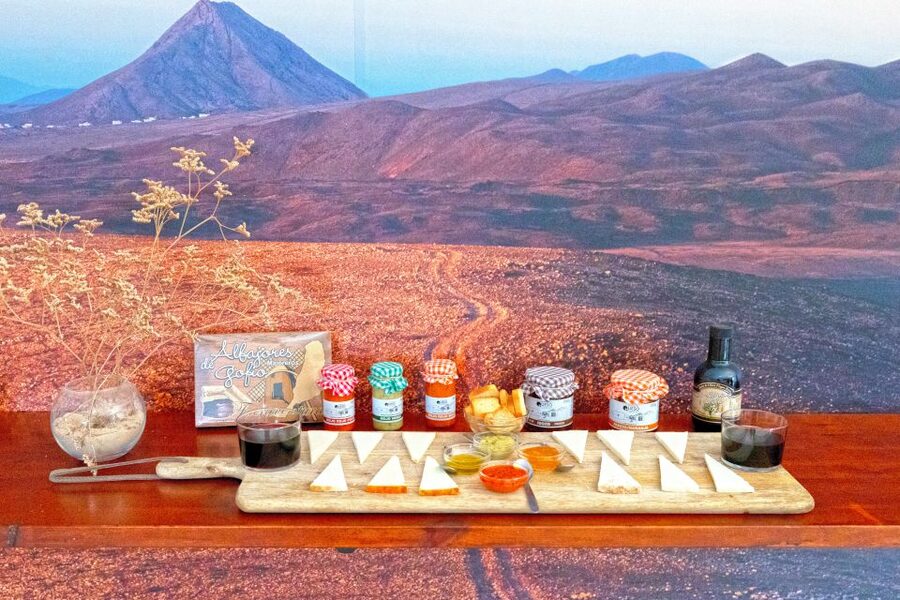
- Eat a proper farm breakfast: Expect fresh cheese, a cheese board, mojos, jams, and a drink rather than a token snack.
- Small group, real farm setting: The group is limited to 10, giving you more time with the animals and equipment.
- Guides who add local context: Elaine has led sessions in English, while Helen has also been praised for clear explanations and patient instruction.
- Good value for food lovers: At $85 for 2.5 hours, the fee includes the workshop, breakfast, equipment, and your own cheese to take home.
Why Majorero cheese matters on Fuerteventura
Fuerteventura is famous for Majorero cheese because the island’s Majorera goats are well suited to its dry climate. This is not a factory visit where you watch a distant production line. The activity connects the cheese to the animals, the people who care for them, and the work required before milk ever reaches a mold.
That connection is the main reason I would choose this outing over a standard tasting. You are not simply told that goat cheese is important here. You see the goats, learn how they are milked, and handle the early stages of production yourself.
The farm is also a working place. Past participants have spent time with more than 50 goats on a farm with over 100 animals, along with donkeys and very young kids. The exact animal encounters can vary, but feeding the goats and meeting the babies are central parts of the morning.
More Cheese Making Workshops in Spain
- Sangria Workshop and Tasting with Local Cheese
★ 5.0 · 86 reviews - Central Madrid: Sangría Workshop & Tasting with Local Cheese
★ 4.8 · 82 reviews - Menorca: Cheesemaking and Farm-Fresh Product Tasting
★ 4.9 · 57 reviews
Arrival coffee and the first look at the farm
Your visit begins with a welcome coffee while the host introduces the farm and explains how the session will run. This is a useful start because it gives you a chance to settle in before handling animals or equipment.
The group size is capped at 10 people. That matters here. Milking and cheese making work best when you can see the demonstration clearly and get your own turn. A large coach group would make the activity feel more like a show, while this smaller format allows the guide and farm staff to correct your technique.
Elaine has guided several English-language sessions and is described as friendly, patient, and fun. Helen has also led the activity, explaining each step clearly. The farm family takes part as well, bringing practical experience that a guide alone could not provide.
The language options are English and Spanish. The activity is wheelchair accessible, though the supplied details do not describe every surface or route around the farm. If you need specific access arrangements, ask before booking.
Feeding goats and learning to milk by hand
The animal section gives the experience its character. You may feed the older goats, spend time with the herd, and meet the baby goats. Some sessions have included bottle-feeding babies only a few days old, including newborns. That is a lovely extra, but animal care comes first, so availability will depend on the farm and the animals on the day.
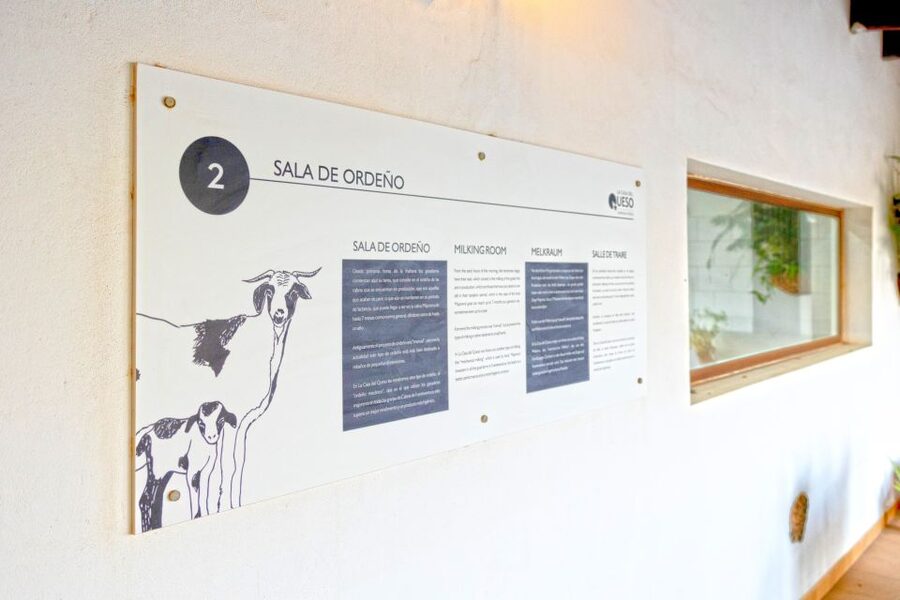
The practical lesson covers manual milking and machine milking. Hand milking helps you understand the basic relationship between the animal and the cheesemaker. Machine milking shows the more efficient method used when a farm has a large herd.
You may also be shown how goats are fed and managed before milking. One past session included corn-feeding the adult goats, feeding donkeys, and drinking milk straight from the udder. Those details may not happen in every session, so treat them as possible farm activities rather than guaranteed steps.
I like that the farm work is not dressed up as a theatrical performance. You are expected to take part, and a little patience helps. Goats do not always cooperate on command. That unpredictability is part of the charm, but it also means the timing can feel less rigid than a conventional guided attraction.
Making your own fresh Majorero cheese
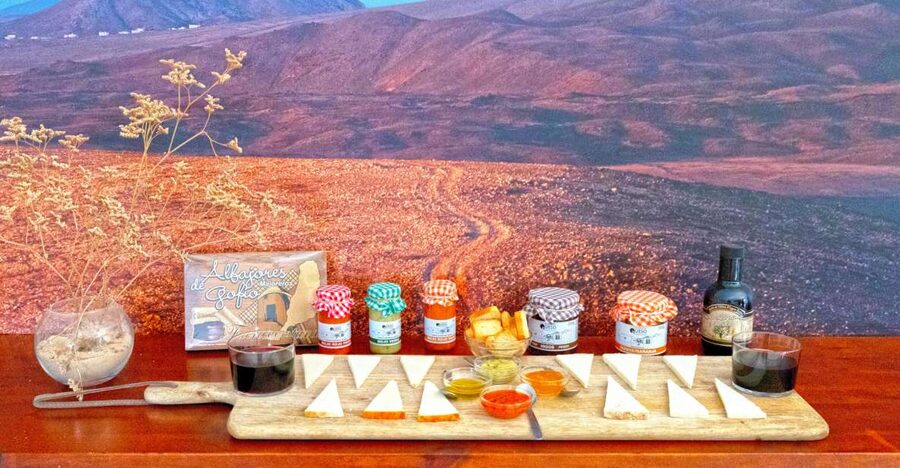
After the milking demonstration, you move into the production room for the main workshop. The guide takes you through the process step by step, and you prepare your own fresh cheese rather than watching someone else make one large batch.
The farm supplies the tools and equipment. You are shown how to work the milk, shape the cheese, and place it in the press. The cheese then needs time to rest, which creates a natural pause in the activity.
This is where the 2.5-hour duration works well. You have enough time to understand the process without turning the morning into a full cheesemaking course. The work remains accessible for beginners, and families can follow along without needing previous food-making skills.
Your finished cheese is the strongest part of the value. Past participants describe taking home about one kilogram, vacuum-packed and marked with the farm label. You also get to label it yourself, turning an ordinary food product into a personal souvenir.
Keep in mind that fresh cheese is perishable. The information provided confirms that it is vacuum-packed, but it does not state a specific storage period or transport instruction. Ask the farm how soon to refrigerate it and how long it will keep, especially if you have a long journey ahead.
Same region, a different wheel:
- Tacoronte: Guided Winery Tour with Wine and Cheese Tastings
★ 4.6 · 481 reviews - Guided Visit to the Estrella Galicia Museum with Cheese Pairing
★ 5.0 · 218 reviews - Fuerteventura: Tickets to Salt, Cheese and Windmill Museums
★ 4.4 · 129 reviews - Tenerife Bodegas Monje Winery Tour with Wine and Cheese Tasting
★ 4.5 · 121 reviews
A Canarian breakfast while the cheese rests
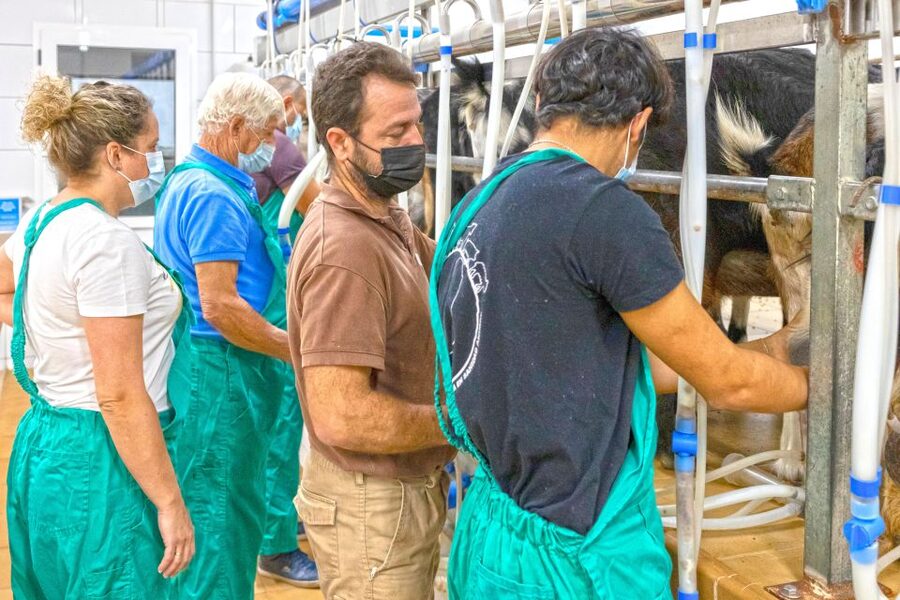
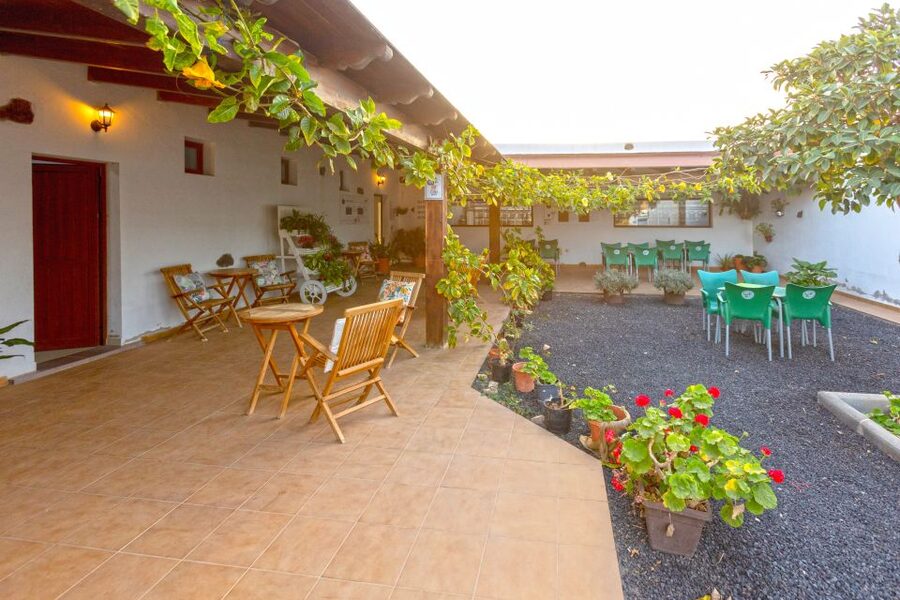
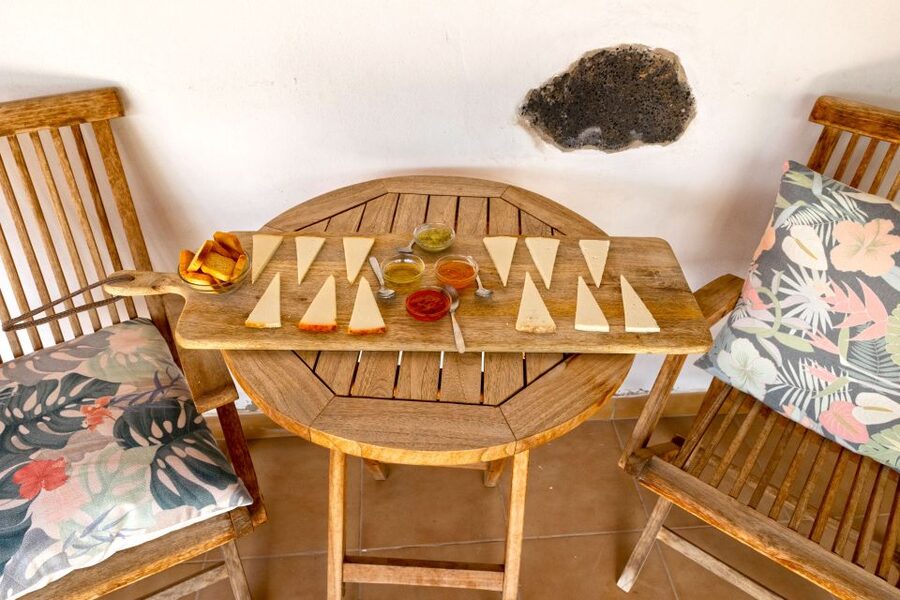
While your cheese sits in the press, you take a break on the garden patio for breakfast. This is more substantial than a coffee and biscuit stop.
The spread includes a fresh cheese sandwich, a local cheese board, Canarian mojos, homemade jams, and one drink. You can choose coffee, tea, Tenerife wine, beer, a soft drink, or water. Additional drinks are not included, so keep that in mind if you plan to linger over the meal.
The breakfast does useful work beyond filling you up. It lets you taste the kind of cheese you have just learned about alongside familiar island accompaniments. The mojos provide a Canarian touch, while the jams offer a sweeter contrast to the cheese.
For me, this meal also gives the activity a better rhythm. The animal and production work is active and practical. Sitting down afterward gives you time to talk with the group, ask questions, and enjoy the farm setting before returning to finish your cheese.
There is one small point to watch: the included drink is limited to one per person. The food itself is part of the package, but extra beverages cost more.
Vacuum-packing and labeling your cheese
Once the cheese has rested, you return to the production room. You vacuum-pack and label it yourselves, with the farm providing the equipment and guidance.
This final step is easy to overlook, but it makes the experience feel complete. You have followed the cheese from goat to finished product, and you leave with something tangible rather than just a photograph.
The cheese also gives you a way to share the experience later. It can serve as a snack for your accommodation or a present for someone at home, provided you follow the farm’s advice about refrigeration and transport.
Is $85 a fair price?
The fee is $85 per person. That is not a bargain-priced farm visit, but the package includes several separate parts: a guided workshop, access to the animals, instruction in two milking methods, use of all tools, a full breakfast, one drink, and your own cheese.
The small group limit strengthens the value. With no more than 10 people, you are more likely to get direct help during milking and cheese preparation. You are paying for participation, not just admission.
Families and food-focused visitors will probably find the price easier to justify than people looking for a quick tasting. You also need to value the animal time. If you would rather spend two hours sampling cheese at a table, this may feel expensive. If you want to understand how the cheese begins, the cost is more reasonable.
The take-home cheese is a real part of the package, not a small branded trinket. Past participants have specifically praised the roughly one-kilogram portion, though the exact size is not formally stated in the activity details.
Who will enjoy this farm morning?
I would recommend this for food lovers, families, curious adults, and anyone who wants a break from beach time. Children are likely to enjoy the baby goats and feeding sessions, while adults can focus on the milking and production methods.
It also suits people who prefer local experiences with a clear connection to place. You learn about Fuerteventura through one of its most familiar foods, and the farm family’s involvement gives the morning a personal quality.
The activity may be less suitable if you dislike animal contact, do not want to handle raw food, or prefer a tightly timed sightseeing tour. Farm work can be messy and unpredictable. The supplied details do not specify clothing requirements, so practical clothes and shoes would be sensible.
The experience is wheelchair accessible, but the exact accessibility arrangements are not described. If you have mobility concerns, confirm how the animal areas, garden patio, and production room are reached.
A note about guides and communication
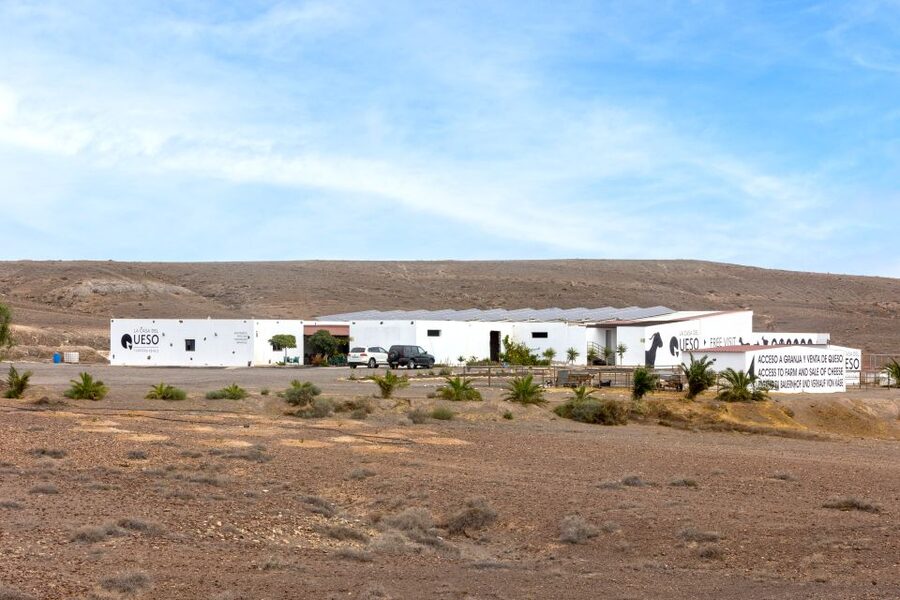
The main guiding strength is the personal instruction. Elaine has been praised for keeping the session friendly, clear, and enjoyable, while Helen has also been singled out for patient explanations. The farm owners and staff take time to show how the work is done and explain the care involved.
There is one important caveat. One past booking had no guide arrive, leaving the farm worker to communicate through Google Translate. That participant still had a good time and understood much of the Spanish, but the language gap made the situation harder than it should have been.
This appears to have been an exception rather than the normal setup, since other sessions included English-speaking guides. Still, if your Spanish is limited, having a translation app ready is a practical backup. It can help with animal instructions, food questions, and storage advice.
Booking details that matter
The activity lasts 2.5 hours, with starting times shown according to availability. It is offered in English and Spanish, and the group is limited to 10 people.
You can cancel up to 24 hours before the activity for a full refund. The reserve-now, pay-later option is useful if your Fuerteventura plans are still moving around, since you can hold a place without paying immediately.
The experience is provided by Timonfaya Travel Lanzarote, even though the farm activity takes place in Fuerteventura. Check the meeting information carefully when booking, since the supplied details do not include a meeting address or transport arrangements.
Should you book this cheese-making experience?
Book it if you want to do more than sample local cheese. The best parts are the contact with the Majorera goats, the chance to make your own cheese, and the relaxed breakfast while your cheese rests.
I would especially choose it for a family morning, a food-focused day, or a return visit to Fuerteventura when you have already seen the island’s main beaches. The activity has enough structure to be easy to follow, but enough farm life to feel genuine.
Skip it if you want a short, polished tasting with no animal handling or practical work. Also think carefully about the $85 price if you will not value the take-home cheese or the hands-on lesson. For most people who enjoy local food and real participation, though, this is a memorable and well-filled 2.5 hours.
FAQ
How long does the goat cheese-making activity last?
The experience lasts 2.5 hours.
How much does the activity cost?
The price is $85 per person.
What languages are available?
The activity is offered in English and Spanish.
How many people can join the group?
The group is limited to 10 participants.
Can I make my own cheese?
Yes. You prepare your own fresh Majorero cheese, let it rest in the press, then vacuum-pack and label it yourself.
What food and drink are included?
The breakfast includes a fresh cheese sandwich, a local cheese board, Canarian mojos, homemade jams, and one drink. The drink can be coffee, tea, Tenerife wine, beer, a soft drink, or water.
Can I take the cheese home?
Yes. Your cheese is vacuum-packed and labeled for you to take home.
Is the activity wheelchair accessible?
Yes, the activity is listed as wheelchair accessible. The supplied details do not describe each surface or access route, so contact the provider if you need specific arrangements.
Freshly cut around Spain
- Cheese Factory Workshop with Wine Tasting in Requena, Valencia★ 4.5 · 3 reviews
- Guided Tour Montesdeoca Cheese Factory – Cheese and Wine Tasting★ 4.5 · 6 reviews
- Hike the Cork Oak trail and try some Delicious Cheese★ 5.0 · 12 reviews
- Discover the Art of Idiazabal Cheese in the Basque Country★ 4.5 · 9 reviews
- Private Basque Cheese & Txakoli Wine Tour from San Sebastian★ 5.0 · 20 reviews
- Menorca: Cheesemaking and Farm-Fresh Product Tasting★ 5.0 · 29 reviews
- Madrid Bike Tour with Churros and Wine, Ham, and Cheese Upgrade★ 5.0 · 8 reviews
- Mallorca Wine and Cheese Tasting★ 5.0 · 29 reviews
Cheese Making Workshops, plate by plate.
Troodos Mountains Halloumi Making: All Inclusive Workshop & Tour
Read our review →
Central Madrid: Sangría Workshop & Tasting with Local Cheese
Read our review →
Cheese lists with this tasting