
Review · SAN MIGUEL DE ALLENDE
Taste of Europe in Mexico: History and Flavors of Artisan Cheese
The best part of this San Miguel experience is the mammoth cheeseboard: about a dozen local artisan cheeses paired with membrillo, cajeta de Celaya, orange blossom honey, bread, and drinks. You are not just eating cheese. You are learning how to buy it, cut it, store it, and build a board that works at home.
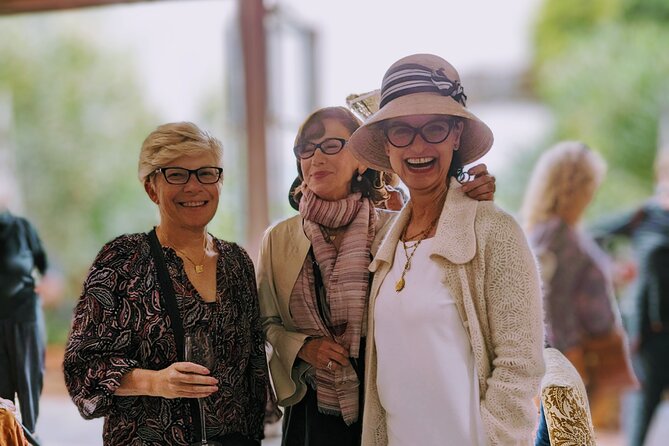
I like the clear link between Mexico and France, especially the story of French cheesemakers who made Mexico home over several generations. I also like the small size, with no more than 12 people, and the personal setting where Tonya leads the class and her husband brings a wine perspective. The main consideration is simple: at $110 per person, this is a food class and tasting, not a general San Miguel sightseeing tour.
Key points to know before booking
- A dozen local cheeses take center stage: You will taste Mexican artisan cheeses and hear about their makers and where to buy them.
- Tonya leads a hands-on food lesson: The class covers cheese production, styles, commercial cheese, artisan cheese, and serving methods.
- French traditions meet Mexican ingredients: Pairings include membrillo, cajeta de Celaya, and orange blossom honey.
- Several appetizers come first: Expect cheese-based starters, bread, charcuterie-style items, and other small dishes before the main board.
- The class ends with cheese dessert: Possible finales include pistachio cheesecake, goat cheese panna cotta, or fig frangipane tart.
- It is a small, fixed-location experience: The class begins and ends at Independencia 2260 at 3:00 pm, with no private transportation included.
A Mexican cheese lesson with a French accent
San Miguel de Allende is full of food experiences, but this one takes a narrow and useful path. You spend roughly two hours learning how cheese is made, how cheese styles differ, and how Mexican cheesemakers work within traditions that also have strong French roots.
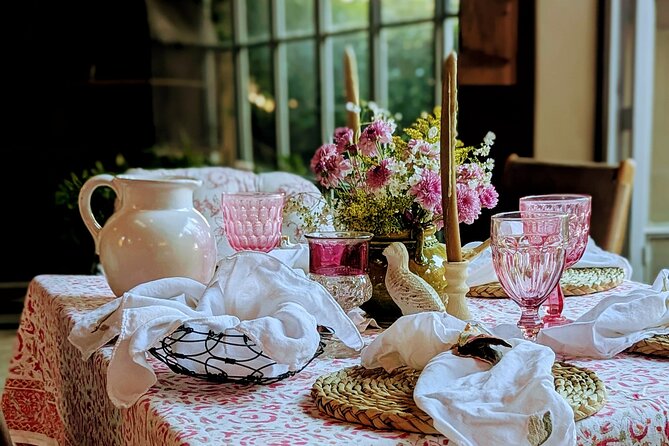
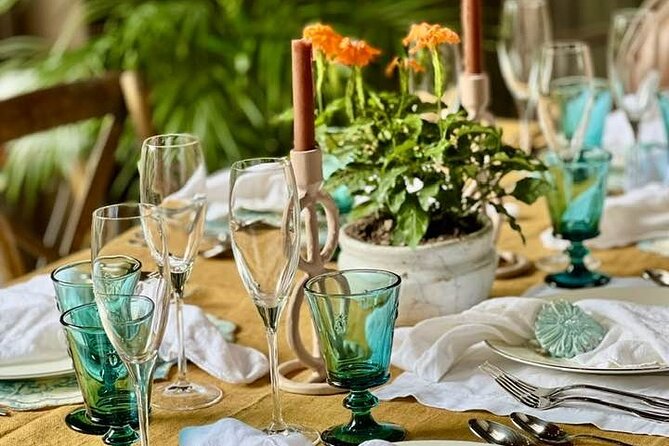
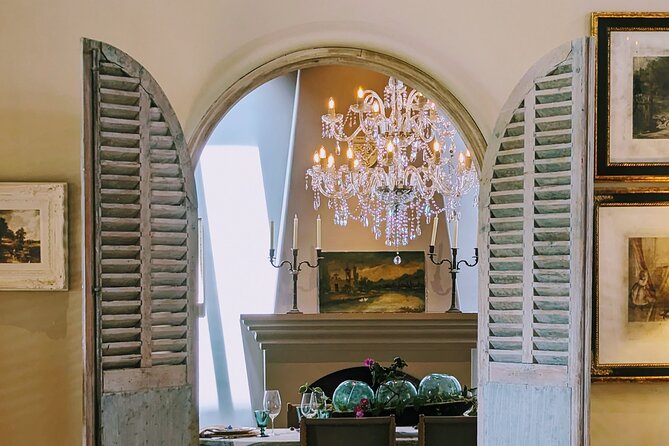
Tonya leads the class, and the setting is her home, which has views over the city. That detail matters. This is not a large restaurant demonstration or a quick tasting at a market stall. You sit at a table, hear the story behind the food, and have time to ask questions as the board is assembled.
Her husband has a special interest in wine, so the drink pairings are part of the lesson rather than an afterthought. You will taste several beverages and learn basic pairing rules for different cheese types. The exact drinks are not specified, so you should think of the experience as a guided tasting rather than a formal wine course.
The French connection gives the class useful context. You learn about generations of French cheesemakers who settled in Mexico and helped shape the country’s cheese traditions. That makes the tasting more than a parade of samples. You begin to understand why Mexican artisan cheese can feel both familiar and distinct.
More food history tours in Mexico:
- Tour of the Tradition and History of Cheese and Wine in Querétaro
★ 5.0 · 2 reviews - Gouda: Historical Canal Cruise
★ 4.3 · 158 reviews - Paris Le Marais Historical Walking Tour with Wine and Cheese Tasting
★ 4.0 · 32 reviews
Starting with baked cheese and small plates
The class begins with appetizers and a beverage before the main lesson gets underway. The menu can include baked feta with grapes or tomatoes and herbs, served with crostini. Another possible starter is baked Camembert, wrapped in pastry or served without it, with candied pecans, jams, honey, and crostini.
These opening bites set the tone. You get warm, soft cheese first, then move toward the wider range of textures and flavors on the main board. If the menu includes a charcuterie board, you may also find assorted meats, nuts, fruit, olives, jams, membrillo, bread, and crackers.
Other listed starters include an antipasto platter with grilled bread, tomato, buffalo mozzarella, grilled eggplant, and zucchini. Italian artichoke pie, made with artichokes and provolone in a crust, may also appear. Homemade focaccia with rosemary, tomatoes, or olives rounds out the possible opening dishes.
The menu is broad, and it is presented as a selection of possible dishes rather than a strict promise that every item will appear at one sitting. You should expect several appetizers, but not assume that every starter listed will be served. The important point is that the class does not begin with a bare plate of cheese. You get a substantial introduction before the main board.
Learning how Mexican artisan cheese is made
After introductions, Tonya explains the basics of cheesemaking. You learn how milk becomes cheese, how styles differ, and what separates commercial cheese from artisan cheese.
That comparison is especially helpful if you normally buy cheese by appearance or price alone. The lesson gives you a framework for noticing texture, aroma, age, production method, and handling. You also hear about the people behind the products, including cheese makers and cheese mongers in Mexico.
I like this part because it turns the tasting into a practical shopping lesson. You do not simply hear that one cheese is soft and another is firm. You get information about where to buy the cheeses in Mexico and how to think about them once you bring them home.
The class also puts local cheese into a larger food story. French methods and traditions are part of the background, but the products being tasted are sourced locally. That balance is valuable if you want to understand San Miguel’s food culture without treating Mexico as a copy of Europe.
Building the large French-inspired cheeseboard
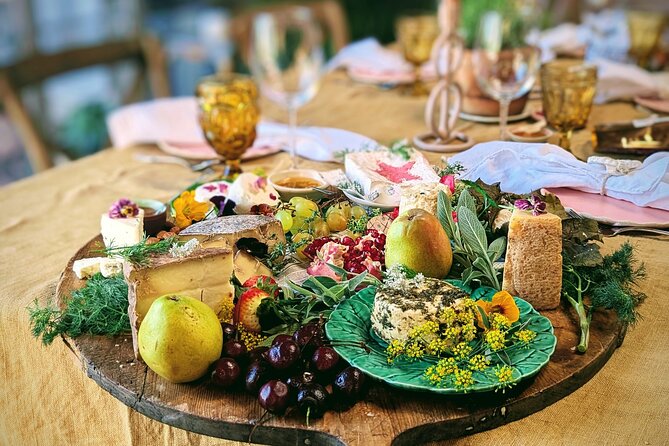
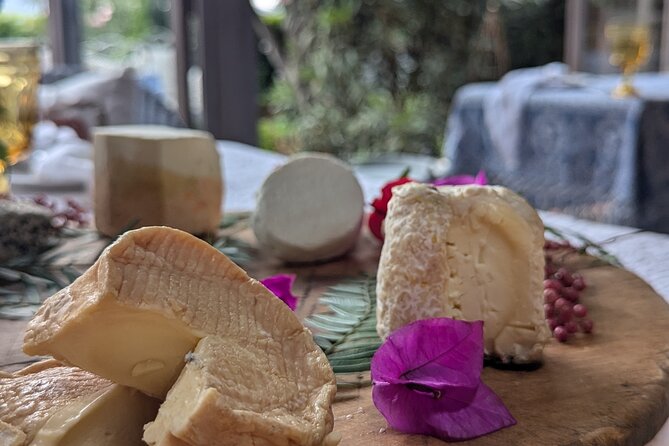
The main event is a large board with about a dozen local artisan cheeses. The board may include bread, condiments, flowers, and drinks, giving you more than a sequence of isolated samples.
You taste each cheese as you move around the board. Tonya explains the maker, the source, and where you can buy it in Mexico. This turns the board into a map of local food producers. If you are staying in San Miguel for several days, the shopping advice may be as useful as the tasting itself.
The accompaniments provide a clear Mexican stamp. Membrillo adds sweet fruit flavor. Cajeta de Celaya brings the caramel-like taste of goat’s milk confection from the nearby city of Celaya. Orange blossom honey adds a floral note. These are not generic crackers and imported jam chosen to fill space. They help you see how Mexican ingredients can change the way a cheese tastes.
You also learn how to arrange a board. That includes where to place the cheeses, what to serve beside them, and how to make the spread look generous without turning it into a pile of random food. The practical advice continues with how to cut and serve different cheeses.
Storage is part of the lesson, too. That may sound basic, but it is often where a good cheese purchase goes wrong. The class explains how to keep cheese in proper condition after you leave the shop. Since the class is held in English, you can ask direct questions without waiting for a translation.
More cheese tours around Mexico:
- Santiago de Querétaro: Pueblos Mágicos Cheese and Wine Route
★ 4.8 · 96 reviews - Querétaro: Bernal & Tequisquiapan Trip with Wine & Cheese
★ 4.6 · 29 reviews - Ojos Negros Valley Wine and Cheese Route Tour in Baja California
★ 5.0 · 29 reviews - Cheese and Wine Route with 2 Towns, starting from Querétaro
★ 5.0 · 27 reviews
Pairing cheese with drinks and sweet condiments
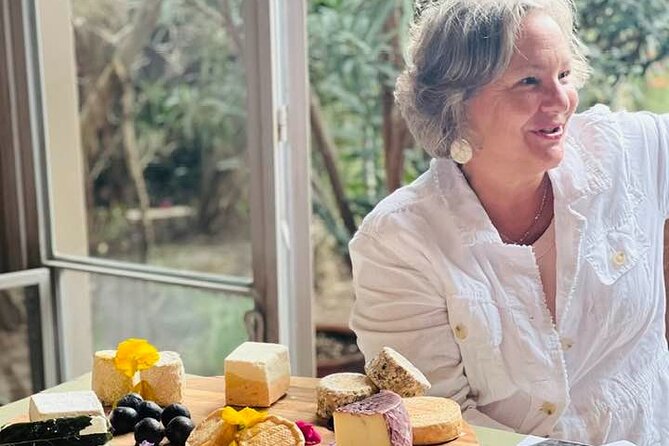
Pairing is handled as a set of rules rather than a list of fixed combinations. You taste several drinks and learn which types work with different kinds of cheese.
The supplied details do not name every beverage, so I would not book this expecting a particular wine, beer, or spirit. Instead, expect the drink selection to support the cheese lesson. With Tonya’s husband involved in the wine pairings, the beverage side has a clear role in the class.
The condiments also teach you how to balance a board. A sweet item such as membrillo or cajeta can soften a salty cheese. Honey can bring out floral or creamy notes. Bread and crackers give you a neutral base between samples.
This is useful for anyone who wants to repeat the experience at home. You leave with more than a favorite cheese. You have a better idea of how to combine salty, sweet, creamy, firm, fruity, and savory elements.
Finishing with a cheese-based dessert
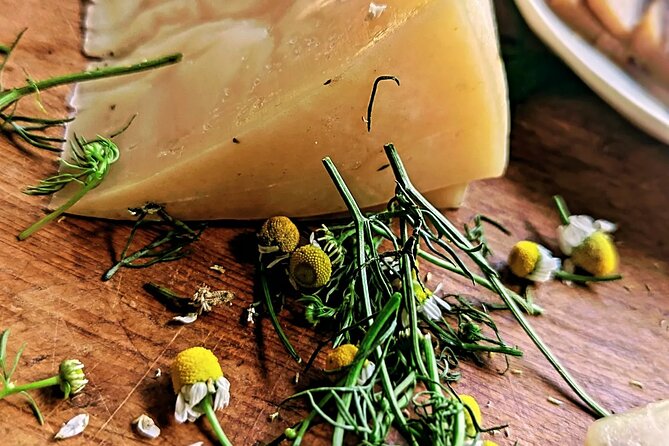
The class ends with dessert, and the possible choices stay close to the theme. You might be served pistachio cheesecake made with fresh pistachios and cheese, goat cheese panna cotta, or fig frangipane tart with cheese ice cream.
The goat cheese panna cotta is the most direct continuation of the class, since the cheese remains the main flavor. The fig tart offers a different route, pairing fruit and pastry with cheese ice cream. The pistachio cheesecake gives you a familiar dessert form with a fresh-cheese element.
Again, the exact dessert can vary. The practical expectation is a cheese-centered sweet course, not a standard Mexican dessert unrelated to the rest of the meal. After appetizers, a dozen or more cheeses, condiments, bread, and drinks, dessert makes the class feel like a complete food event.
You should arrive hungry but not expect a full restaurant dinner with unlimited portions. The experience is built around tasting and instruction. The amount of food sounds generous for two hours, but the purpose is to compare flavors and learn technique.
The setting and the San Miguel meeting point
The stated meeting point is Independencia 2260 in Mexiquito, San Miguel de Allende. The activity begins at 3:00 pm and ends back at the same meeting point. Private transportation is not included, so you need to arrange your own way there and back.
The information also names Parroquia de San Miguel Arcangel as a stop. That church is one of San Miguel’s best-known landmarks, but this cheese experience is not described as a walking tour or church visit. Do not book it expecting guided sightseeing around the parish. The core activity is the home-based cheese class.
The meeting point is near public transportation, and the experience accepts service animals. Confirmation arrives at booking. These details are small but useful, particularly if you are fitting the class into a day of sightseeing.
The group is capped at 12 people. That is a good number for a food lesson. You can see the board, follow the explanations, and ask questions without the room feeling like a lecture hall. The class is offered in English.
Is $110 a fair price?
At $110 per person, the price is not low for a two-hour activity. You are paying more than the cost of a cheese plate at a cafe. The value comes from the combination of food, instruction, local sourcing, drinks, dessert, and a small group.
If you only want to eat cheese, you can likely spend less elsewhere. If you want to learn where to buy Mexican artisan cheese, how to set up a board, and how to pair local condiments with different styles, the price becomes easier to justify.
The appetizers also matter. Baked feta, Camembert, charcuterie, antipasto, focaccia, and other starters make this more than a single tasting flight. A dozen local cheeses, several beverages, and dessert add to the food value.
I would see this as a good splurge for food-focused visitors, couples, and people who enjoy cooking or entertaining at home. It is less suited to someone seeking a low-cost activity or a broad overview of San Miguel’s history and sights.
The experience has a 5 rating from 28 ratings, with 100 percent recommending it. That fits the design of the class: it is personal, focused, and built around a clear subject rather than trying to cover too much.
What you should know about the home setting
The class takes place in Tonya’s home, with views over the city. A private home gives the activity a personal feel, but it also means the experience is not a polished hotel cooking school with a large commercial kitchen or a formal restaurant service.
That is part of the appeal. You get a host-led lesson, a table-centered meal, and direct conversation. The small group supports that format.
Still, think about your own preferences. If you want a structured sightseeing schedule, this is not the right choice. If you enjoy sitting down with a host, tasting carefully, and learning the story behind local food, the format should suit you well.
The time also deserves attention. A 3:00 pm start makes this a late afternoon activity. It can work well after morning sightseeing, but the food may be substantial enough that you will not want a large dinner immediately afterward.
Who should book this cheese experience?
I would recommend it to you if you enjoy food history, local products, French cheese traditions, wine pairings, or practical cooking advice. It is also a strong choice if you want an activity that feels different from San Miguel’s churches, galleries, and city walks.
It suits couples especially well, since the setting encourages conversation and the food unfolds at a relaxed pace. Solo participants can also fit in easily because the group is small and the lesson gives everyone a shared focus.
Families with older children may find it appealing, but the supplied information does not specify a minimum age. Anyone with dietary restrictions should ask before booking, since the menu includes dairy, bread, nuts, meat, and several prepared dishes.
The experience is less suitable if you dislike cheese, want a strict sightseeing itinerary, or need private transportation. It is also not the place to expect the same exact menu every time. The list includes several possible starters and desserts, so the final dishes may vary.
Should you book it?
Book this class if you want to understand Mexican artisan cheese, not just taste it. The strongest reasons are the small group, Tonya’s personal teaching style, the French-Mexican cheesemaking story, and the chance to sample local cheeses with cajeta de Celaya, membrillo, and orange blossom honey.
Skip it if $110 feels high for a two-hour food activity or if you would rather spend the afternoon visiting San Miguel’s landmarks. The class does not include private transportation, and Parroquia de San Miguel Arcangel should not be treated as the main attraction.
For a food-minded visit, though, this is a thoughtful choice. You eat well, learn what to look for at Mexican cheese shops, and leave with practical ideas for making a better cheeseboard at home.
FAQ
How long does the cheese experience last?
The class lasts approximately two hours.
What time does the activity start?
The activity starts at 3:00 pm.
Where does the experience begin?
It begins at Independencia 2260, Mexiquito, 37717 San Miguel de Allende, Guanajuato, Mexico.
Where does the experience end?
It ends back at the same meeting point.
Is transportation included?
No. Private transportation is not included.
How many people can join the class?
The experience has a maximum of 12 participants.
Is the class offered in English?
Yes. The experience is offered in English.
What food and drinks are included?
The price includes several appetizers, a dozen or more cheeses, a variety of beverages, condiments, bread, and a cheese-based dessert.
Can I cancel for a full refund?
Yes. You can cancel for a full refund up to 24 hours before the experience starts. Cancellations or changes made less than 24 hours before the start time are not accepted for a refund.
Freshly cut around Mexico
- Tequila and Mezcal Tasting in Tulum with Cheese Pairing★ 4.5 · 19 reviews
- Tour of the Tradition and History of Cheese and Wine in Querétaro★ 5.0 · 2 reviews
- Hands-on Mexican Farm Experience: from Cow to Cheese★ 5.0 · 9 reviews
- Oaxacan Cheese and Quesillo Workshop★ 5.0 · 3 reviews
- Ensenada Shore Excursion: Wine and Cheese Tour with Lunch in Ojos Negros Valley★ 4.0 · 9 reviews
- Querétaro: Cheese & Wine Tour In A Day★ 4.8 · 24 reviews
- Puerto Vallarta: Los Arcos Bioluminescence & Swim by Boat★ 5.0 · 6 reviews
- Querétaro: Cheese and Wine Tasting Tour★ 4.8 · 3 reviews
Mexico Cheese Tours, plate by plate.
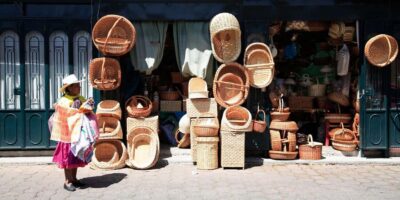
Santiago de Querétaro: Pueblos Mágicos Cheese and Wine Route
Read our review →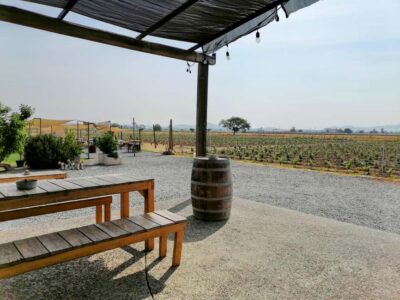
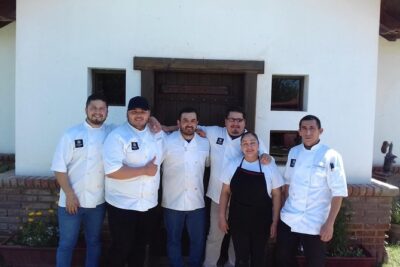
Ojos Negros Valley Wine and Cheese Route Tour in Baja California
Read our review →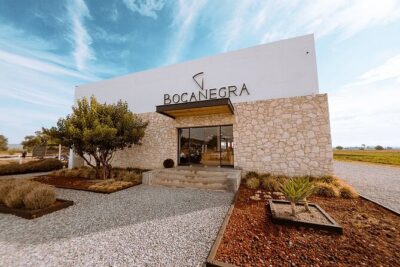
Cheese and Wine Route with 2 Towns, starting from Querétaro
Read our review →
Visit to 3 Vineyards in the Region, departing from Querétaro
Read our review →
Ensenada Shore Excursion: Wine and Cheese Tour with Lunch in Ojos Negros Valley
Read our review →Cheese lists with this tasting