
Review · MADRID
Central Madrid: Sangría Workshop & Tasting with Local Cheese
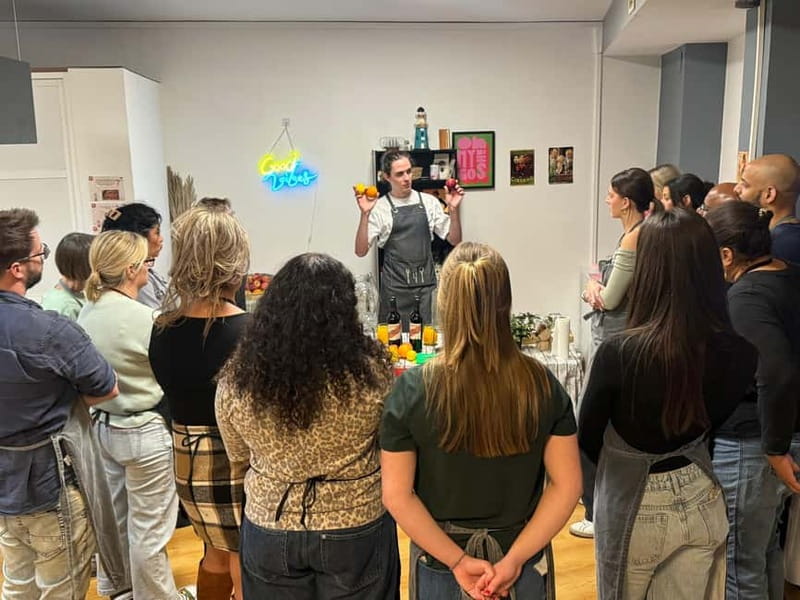
Sangria is easy to drink, but making a good one takes more judgment than tossing fruit into wine. In this two-hour central Madrid workshop, you’ll prepare two or three styles, taste them with Spanish cheeses, and learn how wine, fruit, spices, and fortified wine work together.
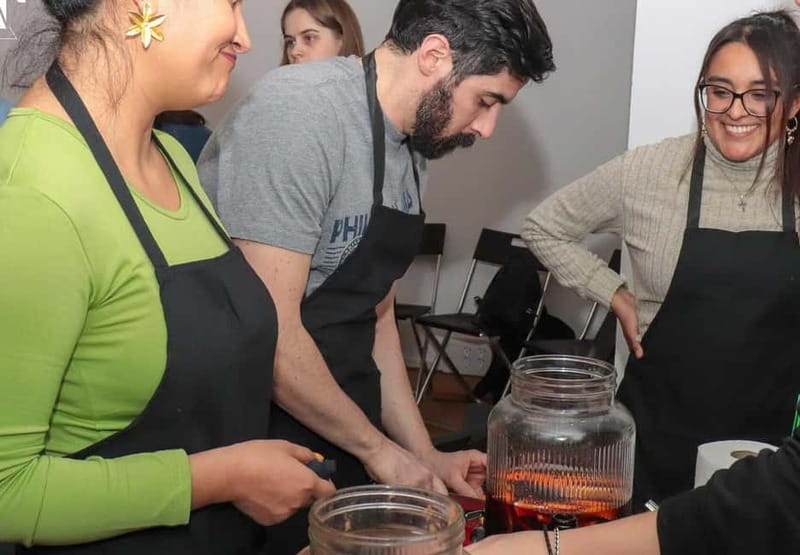
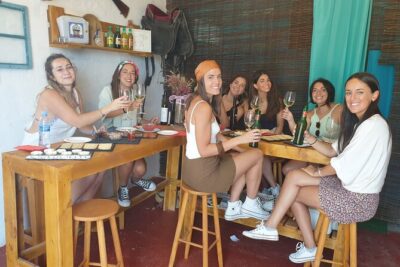
I like the hands-on format, since you cut fruit, measure ingredients, and help build the drinks rather than simply watching a demonstration. I also like the cheese pairing, especially the chance to try Manchego alongside several sangrias. The main consideration is the setting: the room can feel small, and the meeting point may not look obvious at first.
Key points to know before booking
- Two or three sangria styles: Expect classic red sangria and white sangria, with some sessions also featuring a sherry-infused version.
- Four local cheeses: Manchego and other Spanish cheeses give the tasting a proper food component, not just a few token snacks.
- Friendly, social teaching: Guides including Lila, Miguel, Ivan, and Silvana use icebreakers and group participation to get people talking.
- Recipes sent afterward: You receive a PDF, so you can repeat the drinks at home instead of relying on a fading memory.
- Good value at $33: The price covers the workshop, drinks, ingredients, cheese, instruction, and tools for two hours.
- Adults only: The activity includes alcohol and is not suitable for children under 18, though nonalcoholic and vegan options are available.
What the Madrid sangria workshop is really about
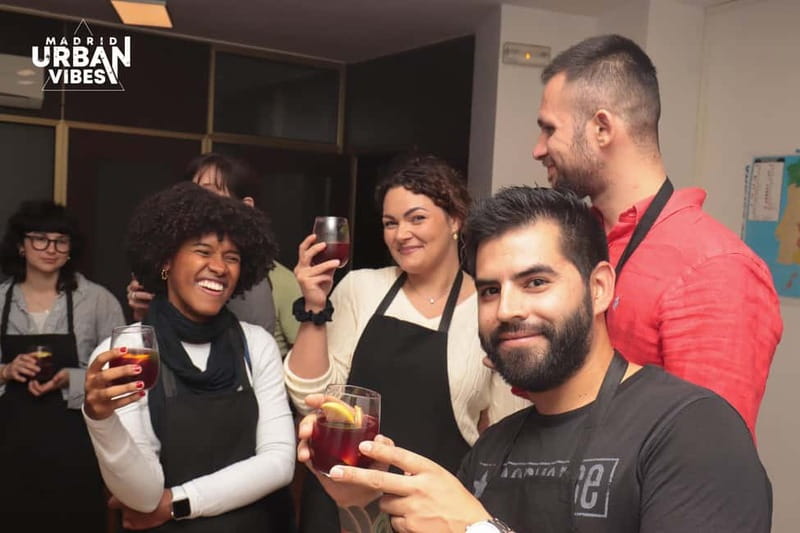
This is not a formal wine course. It is a relaxed food-and-drink class built around one of Spain’s best-known social beverages. You learn enough technique to understand the choices, then spend plenty of time preparing, tasting, and talking with the group.
That balance matters. A class that focuses too much on instruction can feel like school, while a simple tasting can leave you with little to remember. Here, you take part in the preparation and still have time to enjoy the finished drinks.
The workshop takes place in central Madrid, making it an easy addition to a day of sightseeing. It lasts about two hours, and sessions have been described as suitable for solo visitors, couples, groups of friends, and larger celebrations such as hen parties.
You should arrive ready to participate. This is not the place to sit quietly while someone else does the work. The group may cut fruit, pour ingredients, mix the drinks, and compare the results together.
More Cheese Making Workshops in Spain
- Fuerteventura: Artisan Goat’s Cheese Making at Local Farm
★ 4.9 · 112 reviews - Sangria Workshop and Tasting with Local Cheese
★ 5.0 · 86 reviews - Menorca: Cheesemaking and Farm-Fresh Product Tasting
★ 4.9 · 57 reviews
Arriving at the central Madrid meeting point
The meeting arrangement is simple but worth understanding. You meet outside the building, then go upstairs together by elevator or stairs. Several participants have found the entrance less obvious than expected, with one person specifically advising visitors to wait near a tattoo shop until the guide arrives with a sign.
I would allow a few extra minutes for this part. The location has been described as a little awkward by at least one participant, and arriving late could mean searching for the right entrance while the group is getting started.
The guide may be Lila, Miguel, Ivan, Iván, or Silvana, depending on the session. Each has been praised for making the class friendly and easy to join. Miguel has been particularly good at keeping energy up in a compact room, while Lila has been described as warm, funny, and attentive to the group.
The workshop is available in English or Spanish. It is also wheelchair accessible, which is useful for anyone who wants to confirm access needs before booking.
The opening icebreakers make a difference
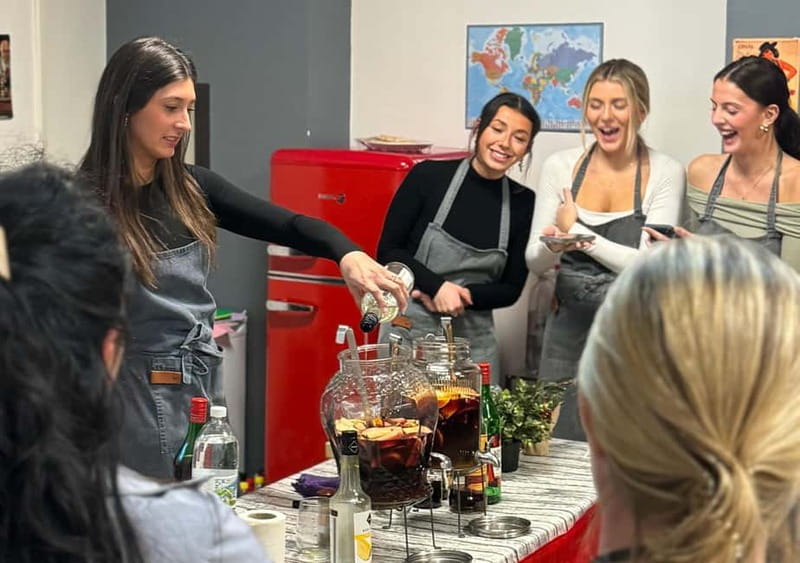
The class often begins with a few simple icebreakers. That may sound like a small detail, but it helps when you are arriving alone or with a mixed group of strangers.
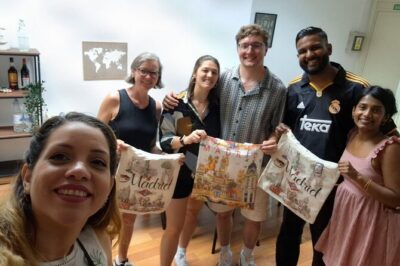
Sangria is a social drink, and the format follows that idea. You are encouraged to meet the people around you before the preparation begins. Couples can enjoy the class together without being isolated, while solo visitors have a natural way to start conversations.
The social side is one of the strongest reasons to choose this activity instead of buying a jug of sangria at a bar. You are not only tasting a drink. You are making it with other people, comparing the results, and sharing the table.
The tone is informal rather than technical. Guides use humor and conversation to keep the class moving, but there is still useful information about ingredients, origins, and flavor balance.
Making the first sangria
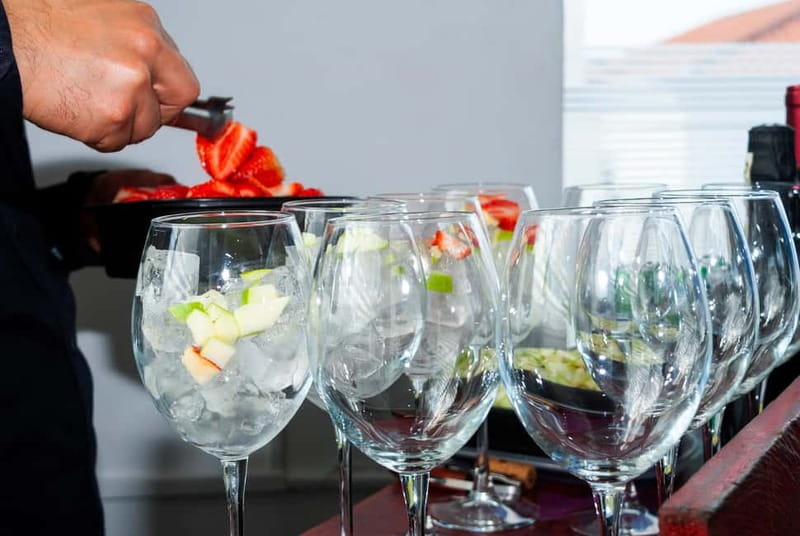
The first preparation generally introduces a classic red sangria. You help combine wine, fruit, and the other ingredients, then taste the result as the flavors come together.
The practical lesson is balance. Sangria should not be treated as a recipe where more fruit or more sugar automatically makes a better drink. The guide explains how each ingredient changes the final glass, and how small adjustments can alter the flavor.
You may learn why one wine works better than another, how fruit contributes sweetness and aroma, and how spices or other additions can add character without taking over. The exact recipes may vary, but the useful idea stays the same: sangria is a matter of proportion.
This is also where the workshop earns its name. You are not merely handed a drink and told what is in it. You take part in building it, which makes the final tasting more satisfying and gives you a method to repeat later.
Same region, a different wheel:
- Tacoronte: Guided Winery Tour with Wine and Cheese Tastings
★ 4.6 · 481 reviews - Guided Visit to the Estrella Galicia Museum with Cheese Pairing
★ 5.0 · 218 reviews - Fuerteventura: Tickets to Salt, Cheese and Windmill Museums
★ 4.4 · 129 reviews - Tenerife Bodegas Monje Winery Tour with Wine and Cheese Tasting
★ 4.5 · 121 reviews
Comparing white and sherry-infused styles
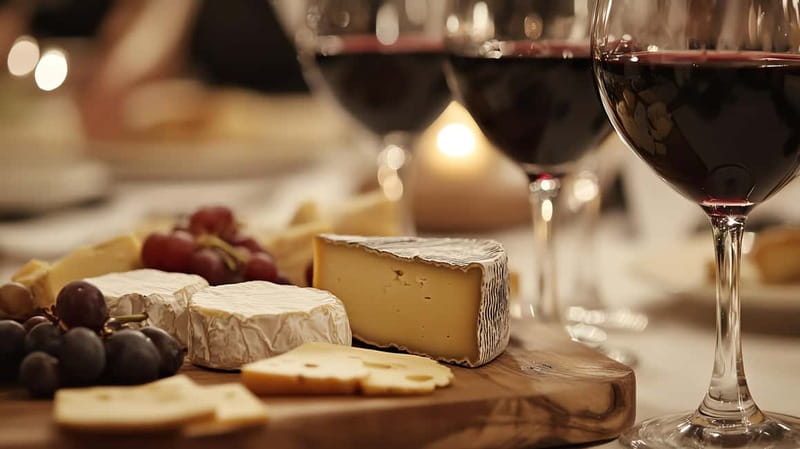
The second preparation usually offers a clear contrast, often a white sangria. Some descriptions also refer to a sherry-infused version with a lighter, more tropical feel.
This change of style is important because it shows how flexible sangria can be. A red version tends to feel fuller and more familiar, while a white or sherry-based blend can seem brighter and less heavy. You learn to notice how the wine base changes the role of fruit and other ingredients.
The class may cover two sangrias or three, depending on the session. Past groups have made red and white versions, while the activity description also allows for a sherry-infused blend. You should think of the workshop as a tasting of distinct styles, not a promise that every session will include every possible recipe.
The preparation stays interactive. Everyone has a role, and the drinks are made in enough quantity for repeated tasting and sharing. One participant specifically described having plentiful sangria for several refills, though you should still pace yourself because this is a two-hour alcohol tasting.
Four cheeses, including Manchego
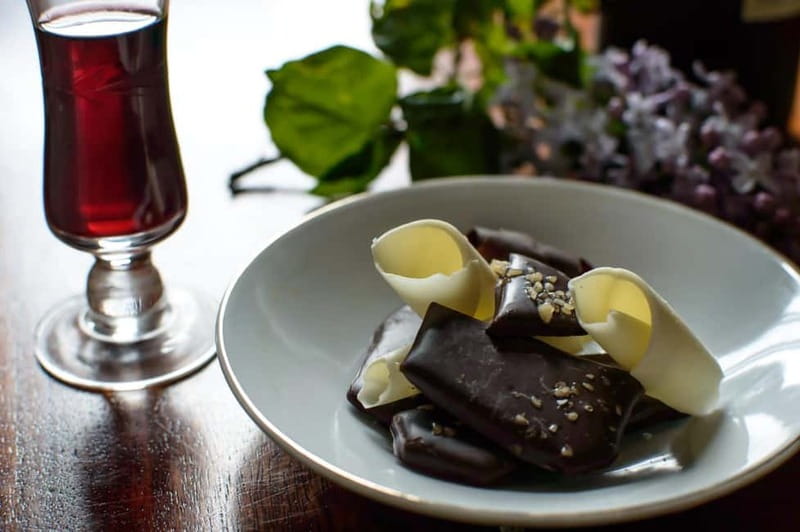
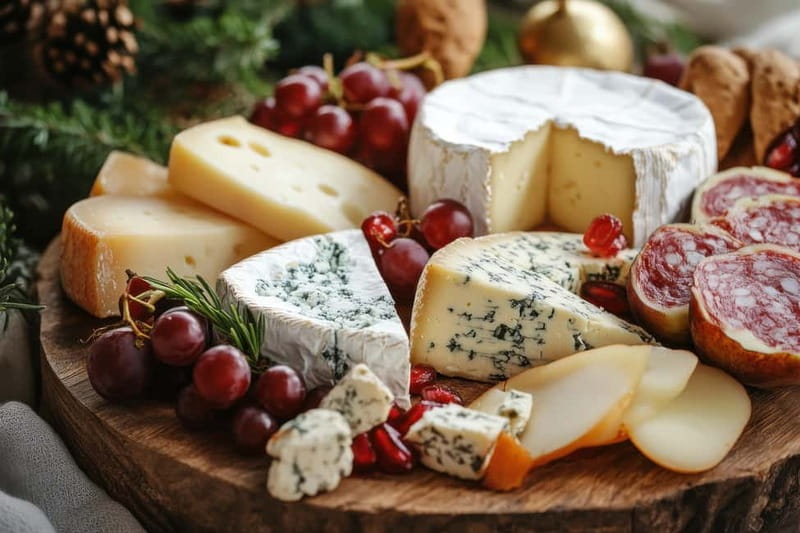
The cheese portion gives the workshop more substance than a drinks-only class. You taste four local cheeses, including authentic Manchego, a Spanish sheep’s milk cheese with a buttery, nutty character.
The pairings are chosen to show how cheese can change your impression of a drink. A salty or firm cheese can make a sangria seem sweeter, while a milder cheese may let the fruit and wine show more clearly.
I like this part because it connects the drink to Spanish food culture. Sangria is often treated as a party beverage, but pairing it with cheese encourages you to think about it at the table, not just in a large glass with ice.
The cheese tasting is also useful if you are planning to visit markets or food shops during your stay. You will have a few names and flavor ideas to guide later purchases. Do not expect a full cheese seminar, but you should receive an explanation of the varieties and why they work with the drinks.
The guides shape the experience
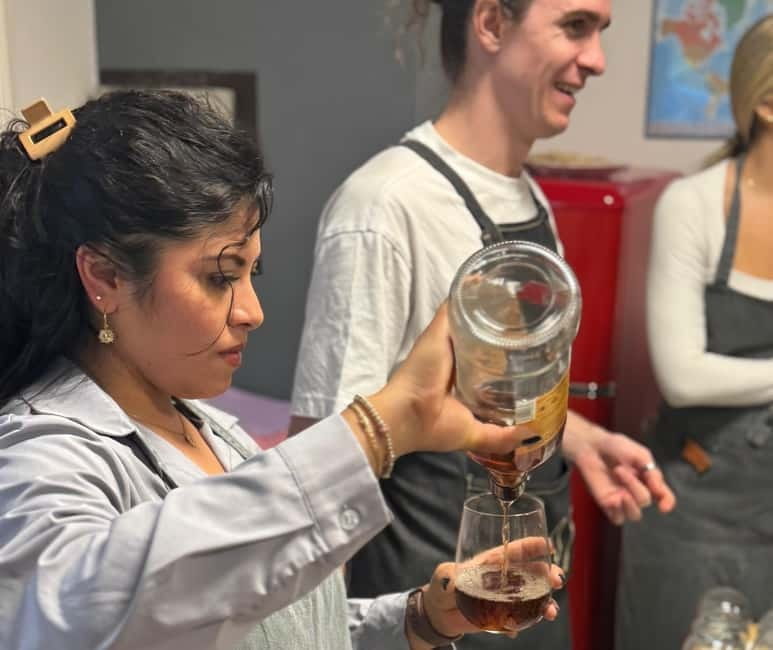
The guide matters here because the workshop depends on conversation and group energy. The most frequently praised hosts have been Lila and Miguel, with Ivan, Iván, and Silvana also leading well-received sessions.
Lila has been described as especially engaging and approachable. She teaches while keeping the mood light, and she seems comfortable with both small groups and larger parties. Miguel has been praised for making an awkward room feel lively and for explaining both sangria and cheese clearly.
Ivan has led friendly, hands-on sessions, while Silvana has hosted larger groups with warmth and good humor. The provider is Travel Vibes Agency, but the individual host is the person you will remember.
Because several guides lead the activity, the exact personality and rhythm can vary. That is not necessarily a weakness, but it means you should book this for the format and subject rather than expecting one particular host unless your confirmation specifies one.
What the $33 price includes
At $33 per person, the value is strong if you want both instruction and enough food and drink to make the class feel like part of your evening.
The fee includes all sangria ingredients, the tools needed to prepare the drinks, cheese and tapas ingredients, the tools used for preparation, and an instructor. You are also sent a PDF with the recipes after the class.
That last detail improves the value. A recipe you can use at home turns a one-time Madrid activity into something you can repeat for friends. You do not need to remember every measurement while sampling several drinks.
The price is less attractive if you only want a quick glass of sangria. Madrid has plenty of bars where you can order one for less than the cost of a workshop. But those bars do not give you hands-on preparation, guided comparisons, cheese pairings, or recipes to take home.
The class also works well before dinner. Several sessions have provided enough sangria and cheese to make the activity feel substantial, but I would not treat it as a full replacement for a Madrid meal.
Practical points about alcohol and dietary needs
You must be at least 18 years old because alcohol is included. Children under 18 cannot join this activity.
Nonalcoholic options are available, which is helpful if you do not drink or want to take part for the social and culinary side. Vegan options are also offered. You should make your needs clear when booking or before the class so the instructor can prepare appropriately.
The activity includes alcohol, so pacing matters. The class is friendly and generous with tastings, and some sessions provide enough for more than one round. Eat beforehand or plan to enjoy the cheese and tapas as part of the session rather than rushing through several glasses.
The class is wheelchair accessible. The group goes up to the meeting space by elevator or stairs, so the elevator option may be useful for anyone who needs step-free access.
Who will enjoy this most
I would recommend this workshop to adults who want a social activity with a clear Spanish food connection. It is particularly well suited to:
- Solo visitors who want an easy way to meet people
- Couples looking for something beyond museums and bars
- Friends who enjoy making food and drinks together
- Anyone curious about Spanish cheese and Manchego
- Larger groups planning a relaxed celebration
- Visitors who want a useful recipe to take home
It is less suitable if you dislike group activities, want a quiet private tasting, or are looking for a serious wine education course. The room may feel compact, and the tone is lively rather than formal.
You should also check the meeting point carefully. Waiting outside near the tattoo shop, if that is the landmark given for your session, may save you confusion. The guide is expected to meet the group outside and lead everyone upstairs.
Should you book the sangria workshop?
I would book it if you want a friendly, hands-on introduction to sangria rather than just another drink at a bar. The combination of two or three preparations, four cheeses, a social group, and take-home recipes gives the $33 price real value.
The strongest parts are the active preparation, the generous tasting portions, and the hosts. Lila and Miguel have been especially effective at making people feel welcome, but the format itself is the main draw.
Skip it if you need a large, polished venue or prefer a private experience. Also remember that this is an adults-only activity with alcohol, even though nonalcoholic and vegan choices are available.
For most adults spending a few days in Madrid, this is a smart choice for an evening or pre-dinner slot. You get a taste of Spanish food culture, a practical recipe, and a couple of hours that are built around participation rather than simply looking at another famous sight.
FAQ
How long does the sangria workshop last?
The activity lasts two hours.
How much does the workshop cost?
The listed price is $33 per person.
Where does the activity take place?
It takes place in central Madrid, in the Community of Madrid, Spain.
What languages does the instructor speak?
The instructor can lead the activity in English or Spanish.
What types of sangria will I make?
You will make two or three different styles, which may include classic red sangria, white sangria, and a sherry-infused blend.
How many cheeses are included?
The tasting includes four local cheeses, including Manchego.
Are the recipes provided after the class?
Yes. A PDF with the recipes is sent after the workshop.
Can I join if I do not drink alcohol?
Yes. Nonalcoholic options are available, though the activity is still restricted to people aged 18 and over.
Are vegan options available?
Yes. Vegan options are available.
Is the activity wheelchair accessible?
Yes. The activity is wheelchair accessible, and the group can use the elevator or stairs to reach the workshop space.
Freshly cut around Spain
- Cheese Factory Workshop with Wine Tasting in Requena, Valencia★ 4.5 · 3 reviews
- Guided Tour Montesdeoca Cheese Factory – Cheese and Wine Tasting★ 4.5 · 6 reviews
- Hike the Cork Oak trail and try some Delicious Cheese★ 5.0 · 12 reviews
- Discover the Art of Idiazabal Cheese in the Basque Country★ 4.5 · 9 reviews
- Private Basque Cheese & Txakoli Wine Tour from San Sebastian★ 5.0 · 20 reviews
- Menorca: Cheesemaking and Farm-Fresh Product Tasting★ 5.0 · 29 reviews
- Madrid Bike Tour with Churros and Wine, Ham, and Cheese Upgrade★ 5.0 · 8 reviews
- Mallorca Wine and Cheese Tasting★ 5.0 · 29 reviews
Cheese Making Workshops, plate by plate.
Troodos Mountains Halloumi Making: All Inclusive Workshop & Tour
Read our review →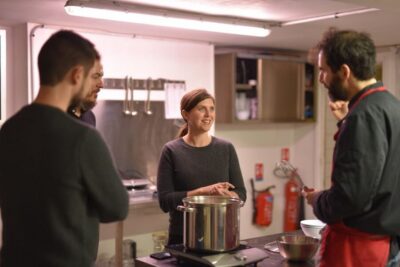
Cheese lists with this tasting