
Review · PARIS
Paris: Cheese and Wine Class in a 17th Century Cellar
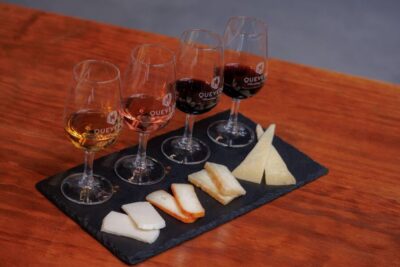
The best part of this Paris experience is the setting: you taste cheese where the craft of aging it is part of the story. In a 17th-century cellar, an expert guide explains how milk becomes cheese, why maturation matters, and how to match each bite with French wine.
I like the broad tasting lineup, with seven cheeses and three wines, and I like the small-group format, which leaves room for questions. The main drawback is simple: this is not a good pick if you cannot eat dairy, and the minimum drinking age is 18.
Key points to know before booking
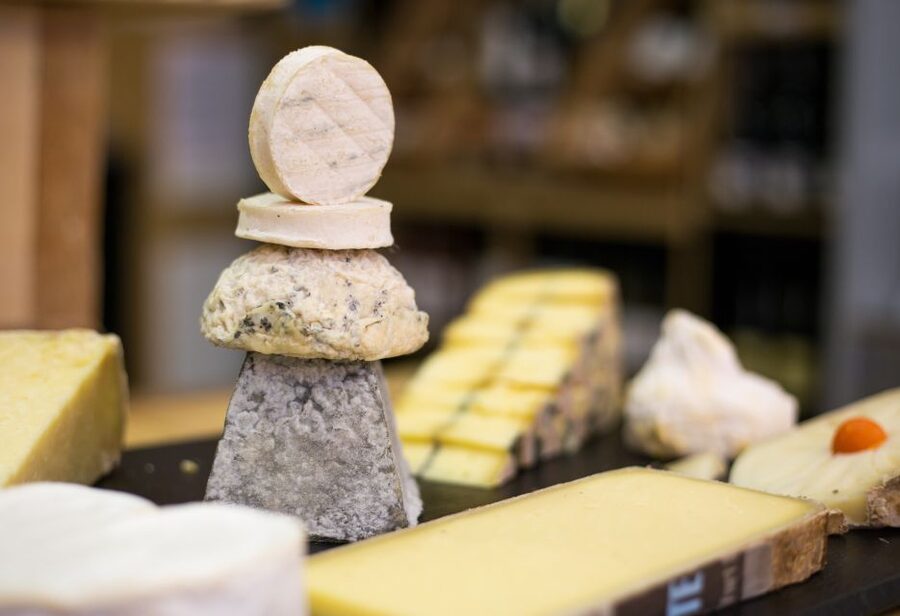
- Seven cheeses from different French regions: Expect a mix of milk types, textures, and styles rather than seven versions of the same cheese.
- Three wines with fresh baguette: Bread helps clear your palate and makes the tasting feel like a light meal, though it is not a full lunch.
- A real cellar setting: The cheese museum’s underground room gives the class more character than a standard shop tasting.
- English-speaking guides with personality: Guides including Pierre, Agathe, Gala, Guillaume, and Marie have been praised for clear explanations and an easy, interactive style.
- Small-group attention: The format is designed to feel personal, with one session reported at 12 people.
- Easy Île Saint-Louis location: Meet at Musée Vivant du Fromage, 39 rue Saint Louis en l’île, 75004 Paris.
Inside the 17th-century cheese cellar
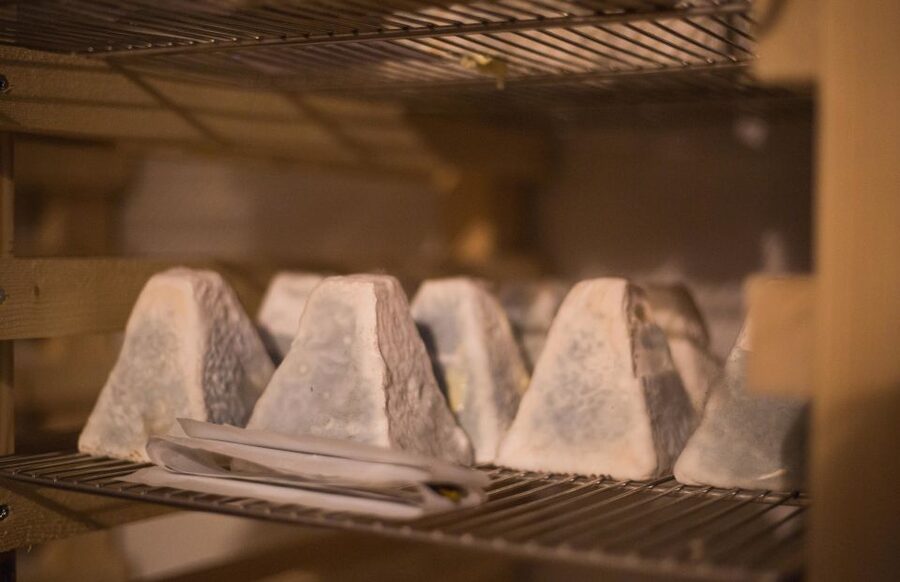
The class begins at Musée Vivant du Fromage on Île Saint-Louis, a central spot in the heart of Paris. Your meeting point is 39 rue Saint Louis en l’île, 75004 Paris, and you make your own way there since hotel pickup and drop-off are not included.
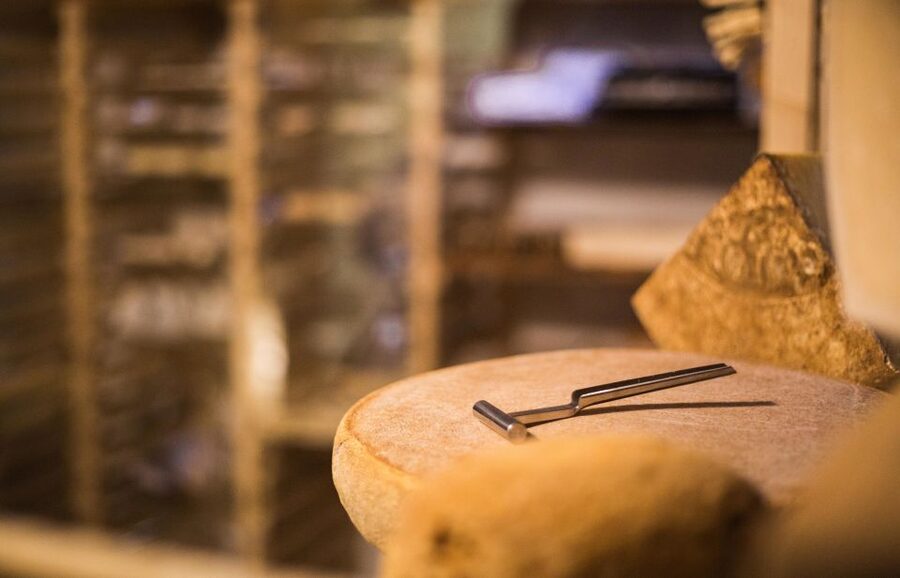
The museum setting gives this tasting a useful sense of place. You are not simply seated at a modern wine bar with a plate of cheese in front of you. You are in a historic cellar connected to the work of maturing cheese, with the stock of the cellar close at hand.
That matters because aging is one of the parts of French cheese most visitors taste but rarely understand. Your guide explains what happens as cheese matures, how its texture changes, and why a cheese from one region can taste so different from another made with a different milk or method.
The cellar is also practical for a short class. You do not spend time being moved from one location to another. After meeting the guide, the experience gets to the useful part quickly: look, listen, taste, and compare.
More Wine and Cheese Tastings in France
- Paris: Montmartre Cheese, Wine & Pastry Guided Walking Tour
★ 4.8 · 2,255 reviews - Private Montmartre Food Tour with Wine, Cheese & Pastries
★ 5.0 · 1,027 reviews - Paris Le Marais Food Tour With 10+ Tastings, Cheese, Wine & More
★ 5.0 · 985 reviews
Seven cheeses, seven different lessons
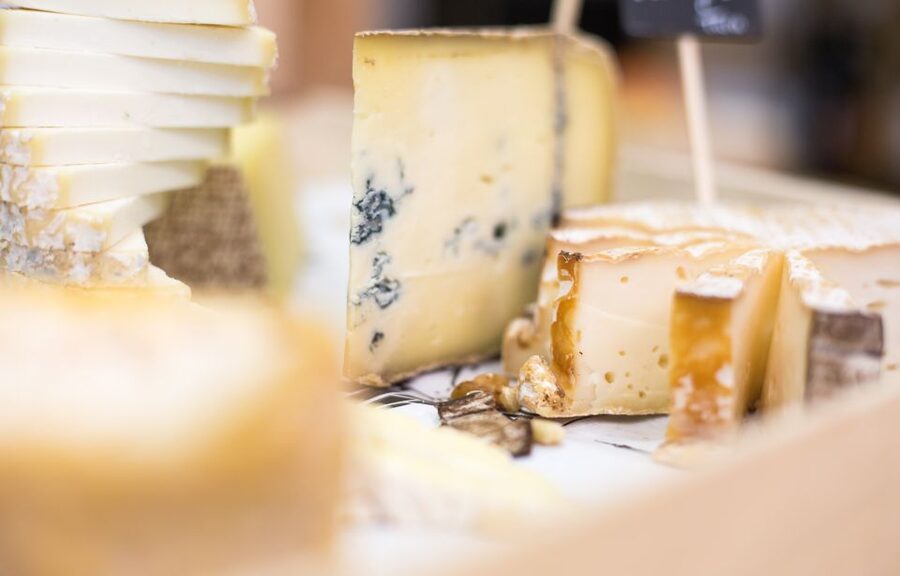
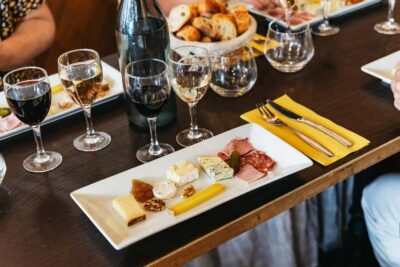
The tasting includes seven cheeses from various French regions, with differences in type, texture, and milk. The exact selection can change, so you should think of the lineup as a guided tour through French cheese rather than a fixed menu you can memorize in advance.
That variety is the main reason this class works well for beginners. A mild, creamy cheese teaches you something different from a firm, aged cheese or a pungent variety. With seven samples, you get enough contrast to notice patterns instead of treating every cheese as just another snack.
Your guide introduces each cheese before you taste it. You learn where it comes from, how it is made, and what to notice in its smell, feel, and flavor. The emphasis is not only on liking or disliking a cheese. It is on learning why it tastes the way it does.
This is where the class earns its place in a Paris schedule. You can buy French cheese anywhere, but it is harder to know what to choose or how to serve it. After this session, you should have a better sense of the differences between soft and firm cheeses, younger and more mature styles, and the effects of different milk types.
Do not expect seven large portions. A tasting works by offering enough of each cheese to compare it with the wine and bread. Come ready for a substantial snack, but do not book this as a replacement for dinner.
Three French wines and the art of pairing
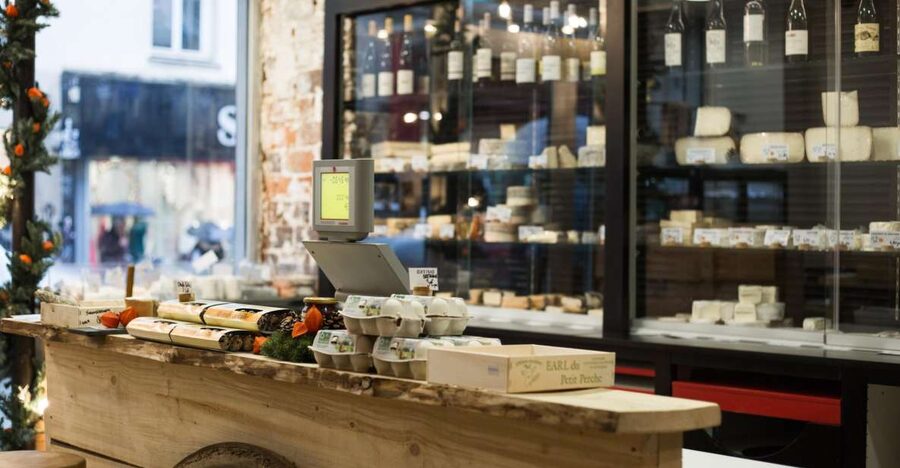
The class includes three wines selected to go with the cheese. The point is not to teach a full wine course. It is to show you how the right wine can make a cheese taste gentler, sharper, sweeter, or more balanced.
You alternate bites of cheese with sips of wine, guided by the instructor. This is a simple method, but it changes the experience. A cheese that seems too strong on its own may work beautifully with the right wine. Another may overpower a delicate wine and call for something with more body or freshness.
The pairing lesson is especially useful if you often buy cheese and wine separately. Your guide gives you a way to think about the match: consider the strength of the cheese, its texture, its saltiness, and the weight of the wine. You do not need to remember every technical term to take something practical away.
The three-wine format also keeps the tasting focused. You get enough range to see how pairings work without turning the 90 minutes into a drinking marathon. Bread is served alongside the tasting, giving you a neutral bite between samples.
The minimum drinking age is 18. Since wine is part of the experience rather than an optional extra, this class is best suited to adults who want to taste all three pairings.
The guides make the difference
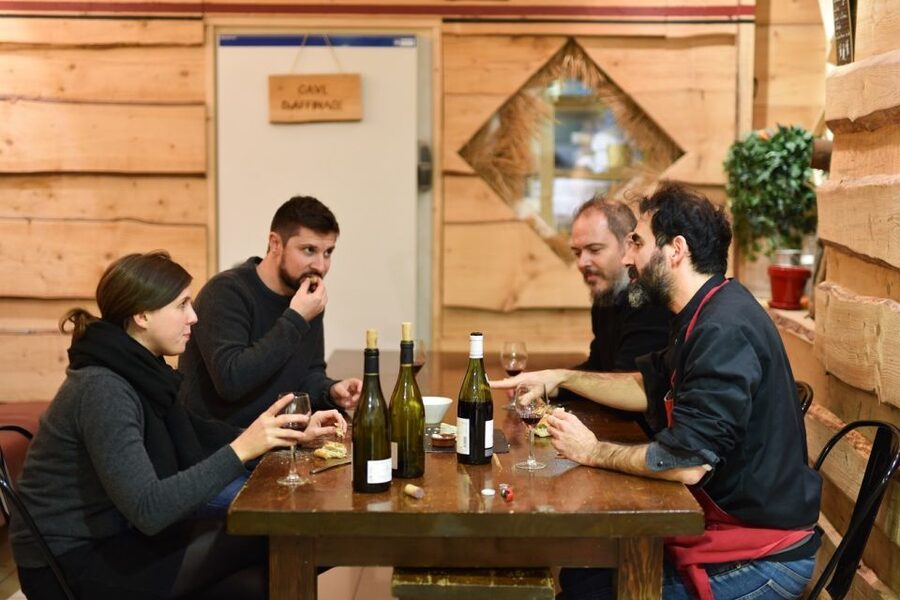
The guide is central to the quality of this experience. The class depends less on a long itinerary and more on how well the instructor explains the cheese, answers questions, and keeps the group involved.
Several guides have led the session, including Pierre, Agathe, Gala, Guillaume, Marie, and Gallina. Pierre has been described as warm, funny, and highly informed, with a style that keeps the class interactive. Agathe is known for a good sense of humor and clear facts without overloading the group. Other sessions have praised Gala, Guillaume, Marie, and Gallina for making the material easy to follow.
That range of names tells you that the experience is not built around a single host. The tone may vary slightly by session, but the format remains the same: a professional cheese and wine guide leads you through the tasting in English.
I like that the class leaves room for questions. Cheese can become dull when every fact is delivered as a lecture. Here, the strongest sessions are described as lively and personal, with the guide spending time on the cheeses and wine matches rather than rushing through a script.
A small group helps. One session had 12 people, and the activity is presented as a small-group experience. Exact numbers can vary, but you should have a better chance to ask questions than on a large sightseeing tour.
More Wine and Cheese Tastings in Paris
- Paris: Wine and Cheese Lunch
★ 4.9 · 596 reviews - Cheese & Wine Tasting in Montmartre with Local Cheesemonger
★ 5.0 · 470 reviews - French Wine, Champagne And Cheese Tasting Paris SECRET WINE DOOR
★ 5.0 · 464 reviews - Paris Wine Tasting plus Cheese Lunch with an Expert Sommelier
★ 5.0 · 424 reviews
How the 90 minutes unfold
The entire activity lasts 90 minutes, so the pace is steady rather than leisurely. You meet the guide, settle into the cellar, and begin with an introduction to French cheese production and the role of aging.
Next comes the tasting itself. The guide presents seven cheeses, explaining the origin, type, texture, milk, and production details as you go. The wines are served alongside the cheese, and you compare each pairing rather than drinking them separately.
Fresh baguette is included. It is a small but important part of the tasting because bread gives you a familiar base between stronger flavors and helps turn the samples into a satisfying food experience.
The final part gives you a chance to ask questions and decide what you like. One useful detail from a past session is that wine was available for purchase afterward with a 10 percent discount. Treat that as something to confirm on the day, since the included experience covers the tasting rather than take-home bottles.
At the end, you leave the cellar and return to the streets of Île Saint-Louis. The compact schedule makes this easy to pair with other Paris plans, especially if you want a break from museums and monuments.
Is $82 a fair price?
At $82 per person, this is not the cheapest way to eat cheese in Paris. You could buy bread, cheese, and a bottle of wine for less at a market or shop. That comparison is fair, especially for independent travelers who already know what they like.
The value here comes from the setting, instruction, and range. You are paying for seven cheeses, three wines, bread, a professional guide, and access to a historic cellar in a central Paris location. You are also paying to understand what you are tasting, which can be more useful than simply ordering a random cheese plate.
I would consider the price reasonable for someone who wants a structured food experience and does not have time to research French cheese shops. It also works well for a couple or small group looking for an evening activity that feels more distinctive than a standard restaurant meal.
The value is weaker if you dislike wine, want a full meal, or already have strong knowledge of French cheese and pairing. In that case, a self-guided visit to a market may give you more food for your money.
Still, the class can prevent expensive guesswork later. After learning what you enjoy, you can shop with more confidence and choose a better bottle or cheese plate during the rest of your stay.
The practical details that matter
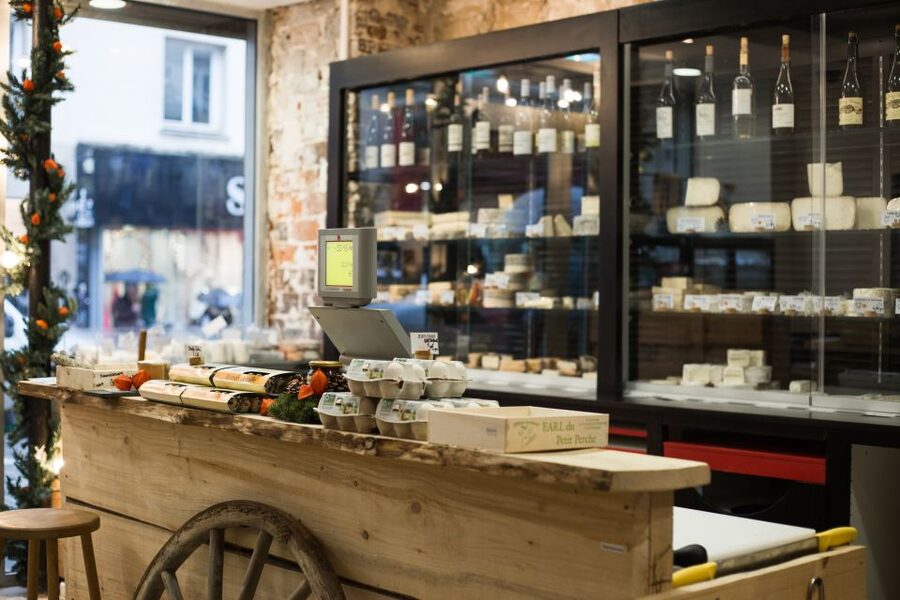
You must reach the meeting point yourself. There is no pickup or drop-off, so allow enough time to get to Musée Vivant du Fromage at 39 rue Saint Louis en l’île.
The class is offered in English. The instructor-led format makes it suitable for English-speaking visitors who want explanations rather than simply a silent tasting.
Pets are not allowed. The activity is also not suitable for people with lactose intolerance, and the wine portion means all participants must be at least 18 years old.
The booking terms are flexible. You can cancel up to 24 hours before the activity for a full refund, and you can reserve now and pay later. Starting times vary, so check availability before building the rest of your day around it.
The experience lasts 90 minutes, but plan extra time for getting to the cellar and for any browsing or shopping afterward. The tasting itself is compact enough to fit between other plans, but you should not arrive late and expect to catch up easily.
Who will enjoy this most?
I would recommend this class to adults who like food, want a cultural activity with a social side, or feel uncertain about French cheese. It is particularly helpful if you want to learn how to describe what you are tasting instead of relying on a vague statement such as it tastes strong.
It also suits repeat visitors to Paris. If you have already seen the major sights, this gives you a different way to spend part of an afternoon or evening. The cellar setting and hands-on tasting make it feel separate from a normal museum visit.
Couples, friends, and solo visitors can all fit into the format. A small group creates an easy chance to meet other people, while the guide gives the class enough structure that you are not left making conversation with strangers for 90 minutes.
Families should check the age issue carefully. Anyone under 18 cannot take part in the wine tasting, and the activity is not suitable for people with lactose intolerance. It is also not the right choice for someone who wants a full meal or avoids dairy altogether.
Who should skip it?
Skip this experience if cheese is not a major interest. Seven varieties in 90 minutes is a lot of dairy, and the entire class centers on comparing cheese with wine.
You should also skip it if you need hotel transport or a fully private experience. Pickup is not included, and while the group is small, this is not described as a private class.
Finally, do not book it expecting an advanced professional certification. The class teaches traditional production, maturation, tasting, and pairing in an accessible way. It is designed to make you a more confident eater and shopper, not a cheesemaker.
Should you book this Paris cheese and wine class?
Book it if you want a focused, adult food experience in a characterful cellar, with enough instruction to make the tasting meaningful. The strongest reasons are the seven-cheese lineup, three wine pairings, English-speaking guides, and the chance to ask questions in a small group.
I would especially choose it for a first Paris visit when you want one activity beyond the usual monuments. It gives you a practical introduction to French cheese culture and may help you make better choices at markets and restaurants afterward.
Skip it if you are dairy intolerant, under 18, looking for a full dinner, or trying to keep food costs very low. For everyone else, $82 is a fair price for a polished 90-minute lesson, tasting, and cellar setting in central Paris.
FAQ
Where does the cheese and wine class meet?
It meets at Musée Vivant du Fromage, 39 rue Saint Louis en l’île, 75004 Paris.
How long does the experience last?
The class lasts 90 minutes.
How many cheeses are included?
The tasting includes seven different cheeses from various French regions, types, textures, and milk sources.
How many wines are included?
Three French wines are included and paired with the cheeses.
Is bread included?
Yes. Fresh baguette is served with the cheese and wine tasting.
Is the class offered in English?
Yes. The listed language is English, and the instructor is an English-speaking professional cheese and wine guide.
What is the minimum drinking age?
The minimum drinking age is 18 years old.
Are hotel pickup and drop-off included?
No. You must make your own way to and from the museum.
Are pets allowed?
No. Pets are not allowed.
Can I cancel for a refund?
Yes. You can cancel up to 24 hours in advance for a full refund. You can also reserve now and pay later.
Freshly cut around Paris
- Paris: Wine and Cheese Pairing★ 5.0 · 4 reviews
- French Wine and Cheese Master Class Near the Eiffel Tower★ 5.0 · 6 reviews
- Paris Wine and Cheese Tastings Class near Le Marais★ 5.0 · 4 reviews
- Paris Wine with Cheese Pairing & Tasting Small Group Class★ 5.0 · 6 reviews
- Private wine tour to Sancerre vineyards from Paris with Sommelier★ 5.0 · 11 reviews
- Paris Marché d’Aligre Walking Tour with Chocolate and Cheese Tasting★ 3.5 · 24 reviews
- Wine and cheese tasting in Bastille★ 5.0 · 5 reviews
- Paris Wine and Cheese Pairing Private Masterclass in a Bistrot★ 5.0 · 7 reviews
Wine and Cheese Tastings, plate by plate.
Paris: Montmartre Cheese, Wine & Pastry Guided Walking Tour
Read our review →
Paris Le Marais Food Tour With 10+ Tastings, Cheese, Wine & More
Read our review →Cheese lists with this tasting