
Review · ITALY
Verona: Cheese Tasting and Pairing
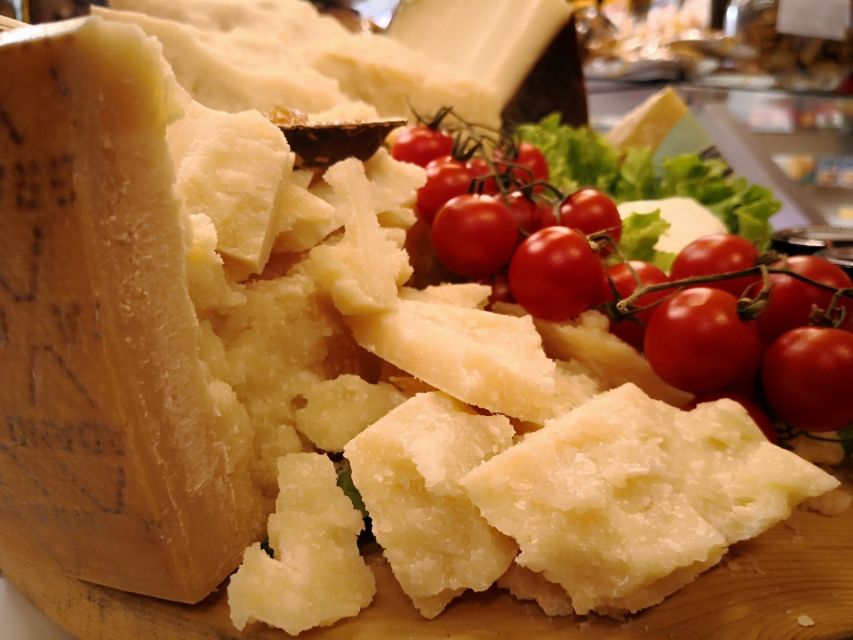
Verona’s food story gets a close-up here: five regional cheeses, tasted slowly and paired with sweet and savory extras. At the historic Botteghetta shop, your guide asks you to look at, touch, smell, and finally taste each piece. That simple order turns a cheese plate into a small lesson in how food is made and enjoyed in Veneto.
I like two things in particular. First, the tasting reaches beyond cheese with jams, honey, mustards, fresh fruit, bread, and breadsticks. Second, the one-hour format fits neatly into a day of sightseeing, while the small, personal feel has earned especially warm praise. The main drawback is that this is a short tasting, not a full meal or an extended food tour. Arrive expecting a focused plate and explanation, not a long afternoon around a table.
Key points at a glance
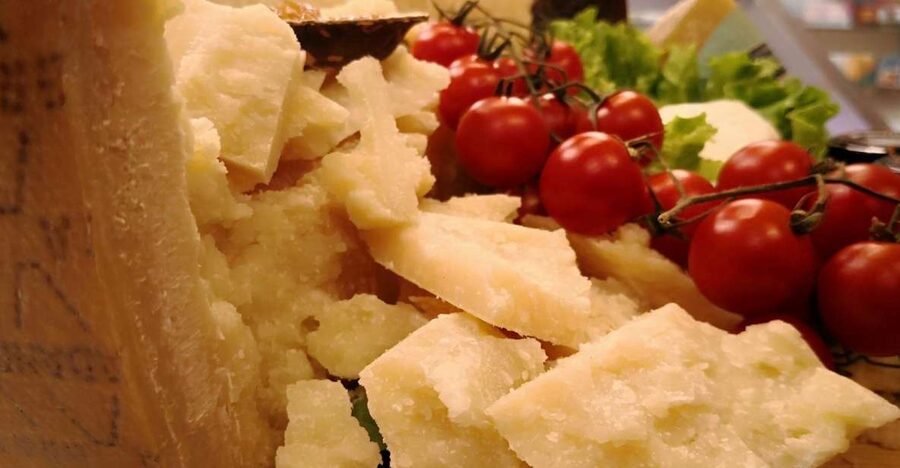
- Five Veneto cheeses: Compare different textures, aromas, and flavors from an area known for serious cheesemaking.
- Monte Veronese may be included: This important local cheese has featured in a tasting, selected from small producers.
- Pairings do real work: Jams, honey, mustards, fruit, bread, and breadsticks show how one cheese can change with its companion.
- A sensory lesson: You begin by looking, touching, and smelling before taking the first bite.
- One hour at Botteghetta: The compact schedule works well between Verona sights and meals.
- Wine is available on request: Ask about wine pairings when booking, and bring identification if you plan to drink.
Five cheeses, one short lesson in Veneto
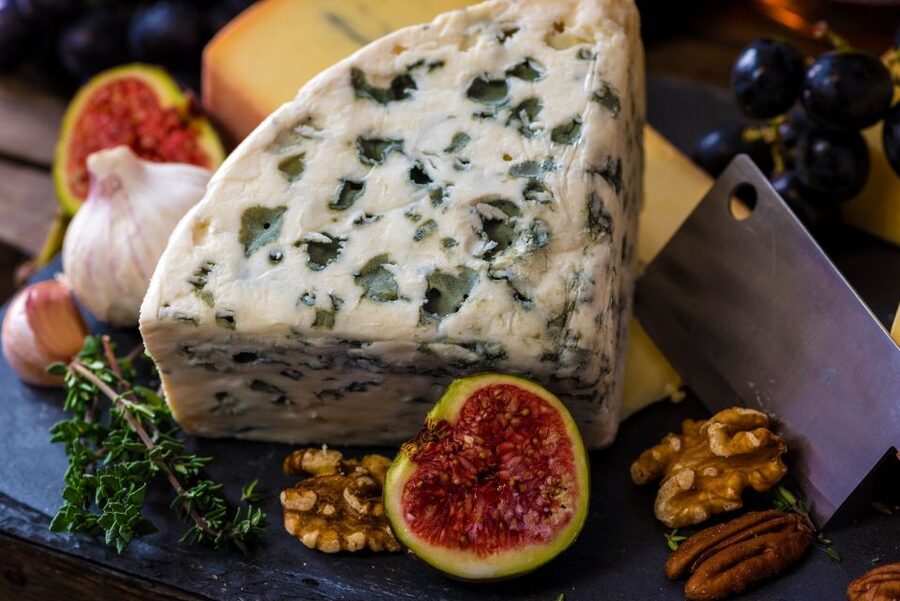
The heart of this experience is comparison. Five cheeses give you enough range to notice how milk, aging, texture, and production methods shape flavor without burying you under a long list of samples.
You are not simply handed a plate and left to guess. The guide leads you through a set order: first look at the cheese, then touch it, smell it, and taste it. It sounds basic, but it changes how you eat. A crumbly piece, a smooth slice, and a firmer aged cheese each offer clues before they reach your mouth.
That approach also gives the tasting a clear purpose. You learn why relying only on taste misses part of the story. Color, surface, firmness, scent, and the way a cheese breaks apart all help you understand what is in front of you.
The precise five-cheese lineup is not specified in advance, so you should not book this expecting a guaranteed list of particular varieties. Monte Veronese is one notable example that has been included. It is closely tied to the Verona area, and one tasting featured a version selected from small producers. That detail matters if you want something more local than a familiar supermarket cheese.
More cheese tours around Italy:
- Authentic Farm Tour with Pizza, Cheese, Wine & Limoncello Tasting
★ 5.0 · 698 reviews - Sorrento Farm by Tuk Tuk: Cheese, Limoncello & Hands-On Pizza
★ 5.0 · 628 reviews - Tour Parmigiano Reggiano dairy and Parma ham
★ 5.0 · 601 reviews
What happens at Botteghetta
You meet at Botteghetta, a historic shop in Verona. The information provided does not promise a separate market visit, production facility tour, or walk through the city, so think of this as a seated or shop-based tasting rather than a sightseeing excursion.
Arrive 15 minutes early. That is more than a polite suggestion. With only an hour available, arriving late can take a noticeable bite out of the experience, especially if the guide needs to introduce the format and set out the tasting.
The guide speaks English, Italian, or Russian. No individual guide names are provided, but the activity is led live rather than delivered through an audio recording or printed sheet. That lets you ask about the cheeses and pairings as you go.
The setting has been described as small and personal, which suits the subject. Cheese tasting works better when you can hear the explanation and take your time with each sample. It is less suited to anyone hoping for a large social event or a lively group meal.
Training your senses before the first bite
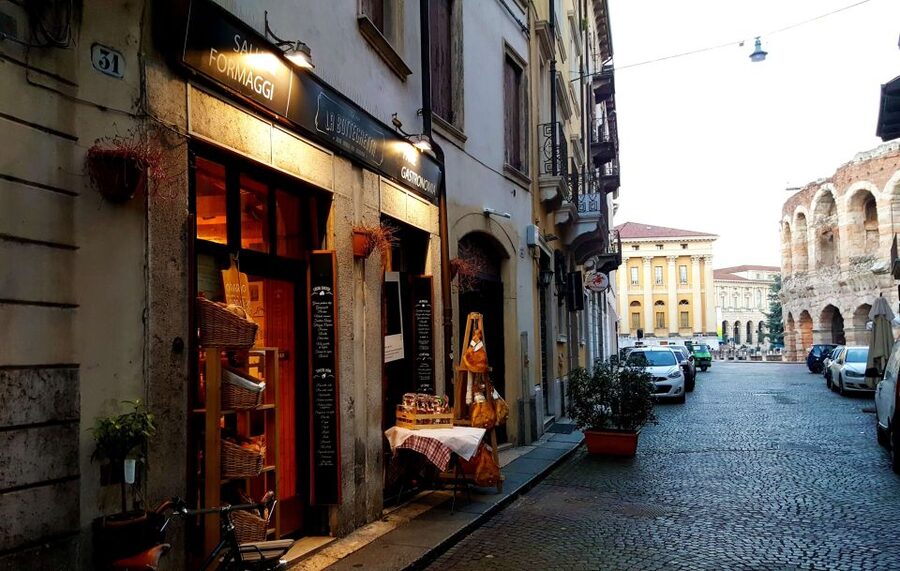
The tasting begins before you eat. You look at the piece, noting its color and form. You touch it to sense firmness or softness. Then you smell it, preparing your palate for the first bite.
This sequence is useful for beginners because it gives you a way to talk about what you are experiencing. Instead of saying only that you like or dislike a cheese, you can notice whether it feels dense, crumbly, creamy, mild, sharp, or fragrant. The guide’s role is to expand that vocabulary without turning the hour into a technical lecture.
You will then taste the cheese and consider its flavor on its own. After that, the accompanying foods show how a pairing changes the experience. A sweet jam can soften a strong note. Honey can add a rounder sweetness. Mustard can bring heat and contrast, while fresh fruit adds moisture and freshness.
Bread and breadsticks provide a neutral base and a practical way to move between samples. Sparkling and mineral water are included, giving you a nonalcoholic option for clearing your palate.
The arrangement is part of the lesson, too. The plate is meant to be appreciated as a combination of color, texture, scent, and flavor. You are learning not just which cheese you prefer, but how a regional food tradition builds a complete bite.
The pairings are more than decoration
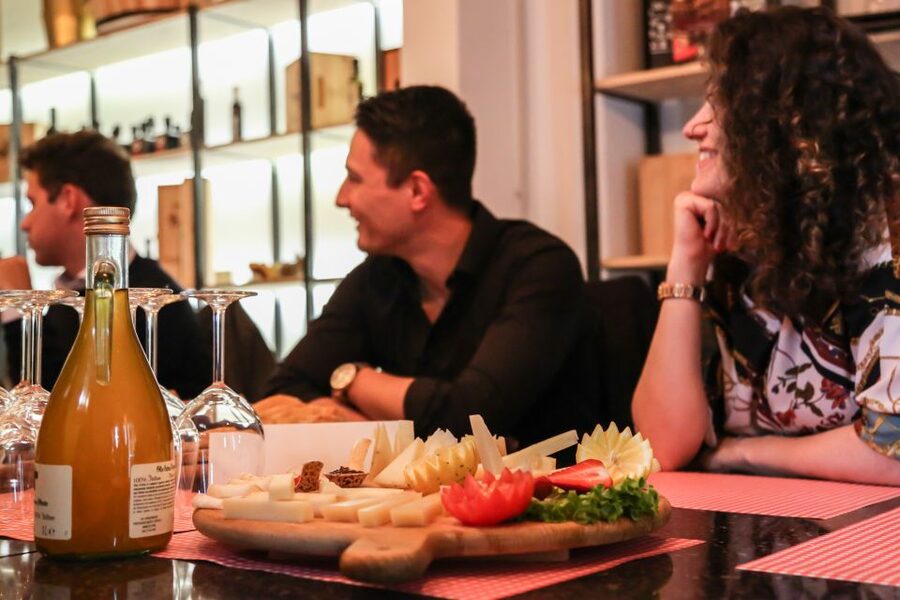
Many cheese tastings include a dab of jam almost as an afterthought. Here, jams, honey, mustards, and fresh fruit are part of the main experience. That makes the tasting more useful for your future meals because you can see how to serve regional cheese at home.
Pay attention to contrast. A rich or firm cheese may feel different beside fruit than beside honey. Mustard changes the balance in another direction. Bread and breadsticks give you a plain comparison, helping you identify what the extras contribute.
The supplied details also mention local products such as mostarda, bread, and oil in connection with one tasting, along with wine and balsamic vinegar. Those additions should not be treated as a guaranteed part of every booking, since the standard inclusions specifically list jams, honey, mustards, fruit, bread, and breadsticks. Still, they suggest that the presentation can highlight more than cheese alone.
If you want wine, request the pairing in advance. Wine is listed as available on request rather than automatically included. This is important for the price calculation: do not assume the $53 cost covers a full wine flight.
Same region, a different wheel:
- Parma: Parmigiano Production and Parma Ham Tour & Tasting
★ 4.9 · 554 reviews - Cooking class with Pasta, mozzarella and Tiramisu with wine
★ 5.0 · 549 reviews - Sorrento: Farm Tour with Cheese Tasting & Pizza Making Class
★ 5.0 · 503 reviews - Amalfi: Make Fresh Pasta, Mozzarella & Tiramisù with wine
★ 5.0 · 503 reviews
Is $53 a fair price?
At $53 per person, this is not a cheap snack. It is a paid tasting with five cheeses, accompaniments, water, and a live guide in a historic shop. The price makes the most sense if you value explanation and comparison, not just the amount of food on the plate.
The one-hour length keeps the total cost easier to fit into a Verona day. You are not committing half a day or losing an evening meal. If you have already planned a separate lunch or dinner, a short tasting can fill the gap without leaving you too full for the next reservation.
The value depends heavily on your expectations. One account described the experience as essentially a cheese platter and felt it did not last as long as expected. That is a fair warning. The advertised duration is one hour, not an hour and a half, and the activity does not promise a full meal, a winery visit, or a long class.
I would book it for the chance to understand local cheese and pairings in a personal setting. I would skip it if your priority is the largest quantity of food for your money. This is about guided tasting, not bargain grazing.
How the timing fits into a Verona day
The one-hour schedule is easy to place between major sights. You can use it as a midday break, an early evening aperitivo-style stop, or a food-focused activity after exploring the historic center.
Because there is no transport segment listed, plan your own way to Botteghetta and allow extra time to find the shop. The meeting point is specific, but the available information does not give a street address or directions. Keep the confirmation details handy and do not cut arrival too close.
The tasting can also help you make better choices for the rest of your trip. After trying Veneto cheeses with sweet and savory pairings, you may have a clearer idea of what to seek at a market, food shop, or restaurant. That is one of the better uses of a short food activity: it gives you a reference point for the meals that follow.
Do not schedule it as your only food stop. The included bread and accompaniments may take the edge off your appetite, but the experience is not presented as lunch or dinner.
Who will enjoy this tasting most
This suits adults who like learning through food and want a local activity with little time pressure. It is also a good choice for couples, friends, and small groups. One particularly positive account described it as a good fit for small groups because the intimate setup lets you enjoy the food and explanation fully.
Cheese lovers will get the most from it, but you do not need expert knowledge. The look, touch, smell, taste structure gives first-time tasters an easy way in. If you already know your cheeses, you may still appreciate the local focus, especially if Monte Veronese or other small-producer selections are on the plate.
The activity is for adults only. The minimum drinking age is 18, and you should bring a passport or ID card. Children under 18 cannot join. Since wheelchair access is not available, wheelchair users should choose another activity.
Language should be straightforward for English speakers, with English, Italian, and Russian offered. If you need another language, this is not the right booking based on the information available.
What the strongest praise gets right
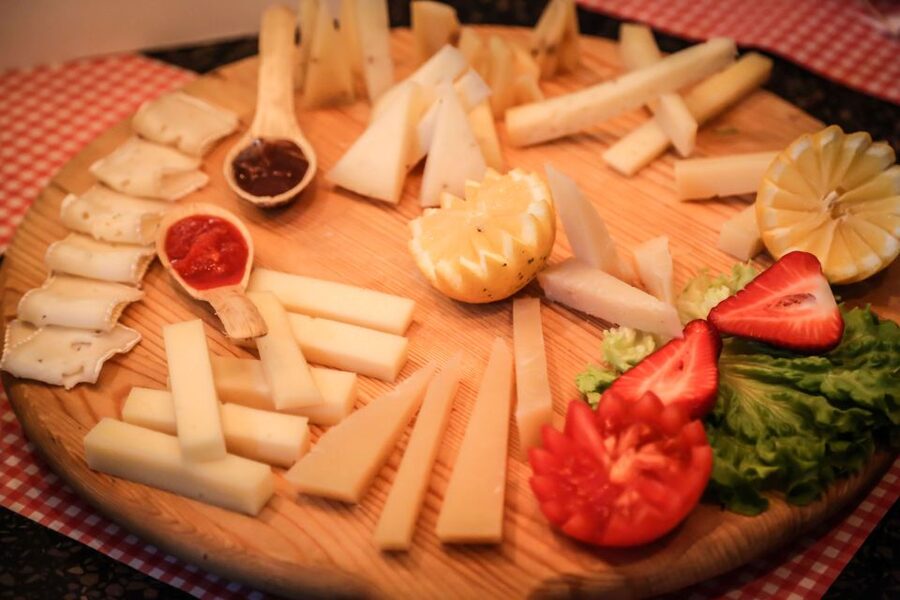
The most consistent positive points are the personal atmosphere, the friendly hosting, and the explanations of each cheese. The experience works best when the guide gives each sample attention instead of rushing through a generic plate.
The accompaniments also receive clear appreciation, especially the jams. That makes sense because the pairings give the tasting variety and prevent five cheese samples from blending into one long, salty course.
Wine and cheese are another popular combination here, but remember that wine is available on request. If you want that part, confirm it rather than assuming it will appear at the table.
The strongest overall impression is not grand scale. It is a small, pleasant food lesson that adds a local flavor to a Verona visit. That is exactly why the format works for some people and disappoints others. You get intimacy and focus, but not a sprawling culinary tour.
Practical details before you book
The cost is $53 per person, and the stated duration is one hour. You can cancel up to 24 hours before the start for a full refund, and the reserve-now, pay-later option keeps you from paying immediately.
Bring your passport or ID card, especially if you plan to drink wine. Arrive 15 minutes early at Botteghetta. The tasting includes sparkling and mineral water, bread, and breadsticks, along with jams, honey, mustards, and fresh fruit.
Do not count on wheelchair access, and do not book this for anyone under 18. Also keep your expectations in check: the activity is a guided cheese tasting, not a full sightseeing tour or a guaranteed extended meal.
Should you book the Verona cheese tasting?
Book it if you want a compact, adult-only food experience that explains how to taste and pair five Veneto cheeses. The small setting, local focus, Monte Veronese connection, and broad selection of accompaniments make it a useful addition to a Verona itinerary.
Skip it if you want a substantial lunch, a long food walk, or a guaranteed wine tasting included in the base price. At $53, the value rests on the guide’s explanation and the chance to compare regional products, not on sheer quantity.
For most cheese-loving visitors with one spare hour, I would consider it a worthwhile stop. Just arrive early, request wine if desired, and treat the hour as a focused tasting lesson rather than a full meal.
FAQ
Where does the cheese tasting meet?
The meeting point is the historic shop Botteghetta in Verona.
How long does the activity last?
The stated duration is one hour. You should arrive 15 minutes before the scheduled start.
Which languages are offered?
The live guide can conduct the activity in English, Italian, or Russian.
Is wine included?
Wine pairings are available on request. Sparkling and mineral water are included.
What food is included besides cheese?
The tasting includes jams, honey, mustards, fresh fruit, bread, and breadsticks.
Can children or wheelchair users join?
The activity is not suitable for children under 18 or wheelchair users. Adults should bring a passport or ID card, and the minimum drinking age is 18.
Freshly cut around Italy
- Wine Tasting with Cured Meats & Cheeses in Florence★ 5.0 · 2 reviews
- Vico Equense: Tour in the dairy “Mozzarella Experience”★ 5.0 · 19 reviews
- Turin: Gastronomy tasting through oil, wine and cheese★ 5.0 · 2 reviews
- From Parma/Cinque Terre: Truffle & Parmesan Picnic (Tasting)★ 5.0 · 2 reviews
- Tuscany: Ripalte Design Winery Wine and Cheese Tasting Tour★ 4.7 · 15 reviews
- Prosecco Hills Wine and Cheese Gourmet Discovery★ 5.0 · 6 reviews
- The Valpolicella food & wine driving tour: cheese factory+ winery★ 5.0 · 6 reviews
- Premium Cheeses and Gins Tour in the Prosecco hills. Full lunch!★ 5.0 · 3 reviews
Italy Cheese Tours, plate by plate.
Authentic Farm Tour with Pizza, Cheese, Wine & Limoncello Tasting
Read our review →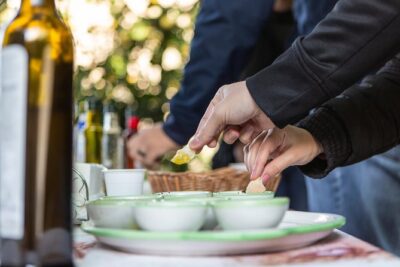
Sorrento Farm by Tuk Tuk: Cheese, Limoncello & Hands-On Pizza
Read our review →
Cheese lists with this tasting