Review · ITALY
Dolianova: visit and workshop in a cheese factory
The best part of this Dolianova outing is that you do not just watch cheese being made. You handle the process yourself, from coagulation to forming and salting, then taste the results alongside several local cheeses. I like the hands-on workshop and the clear look at each factory stage, including brining, aging, packaging, and shipping.
I also like the generous tasting, which includes three or four cheeses and a glass of Sardinian wine. The main thing to consider is that the tour requires at least 10 people, so a small independent booking may not operate unless enough participants join. It is also not suited to people with mobility impairments or lactose intolerance.
Key points to know before you book
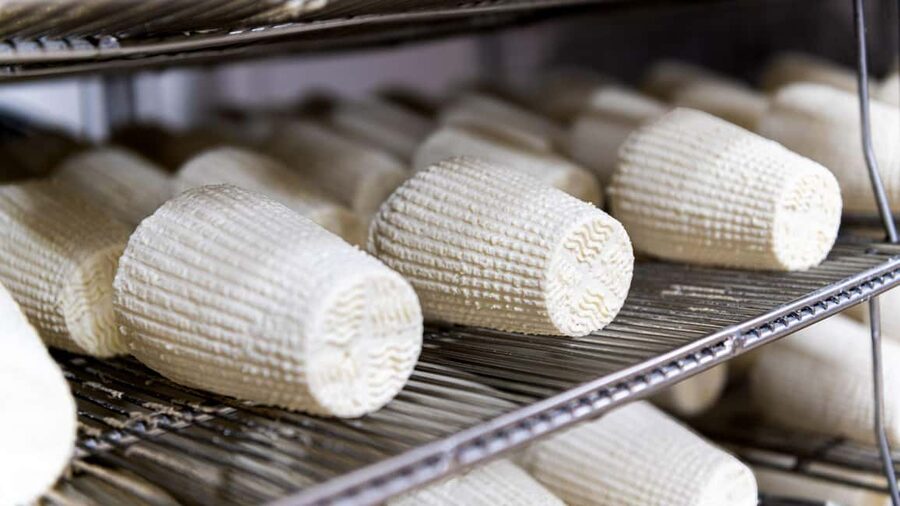
- Make your own cheese: The workshop lets you form and salt fresh cheese, then taste it or take it with you.
- See the full production chain: You follow milk testing, recipes, brining, aging, packaging, and shipping.
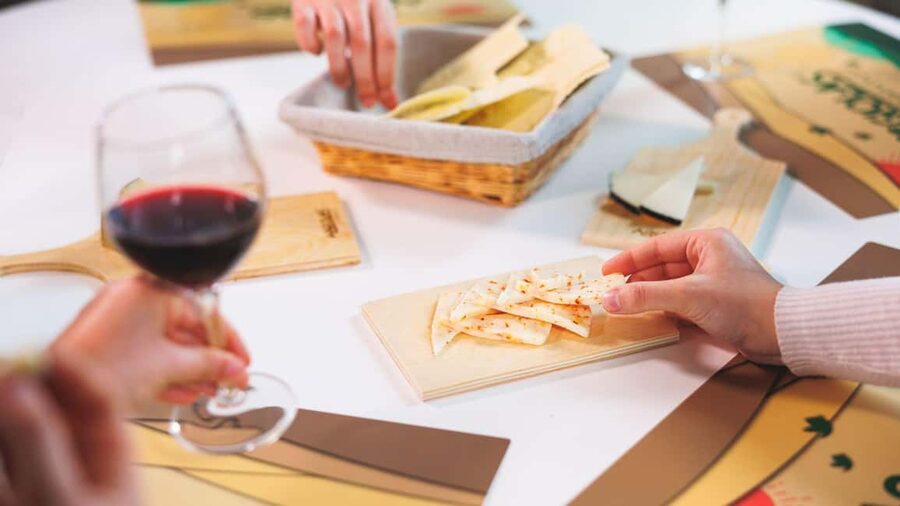
- Taste more than one sample: The final tasting includes three or four cheeses from the farm, plus local wine.
- A Sardinian dairy with six decades of work: The company produces sheep and goat cheeses while continuing to focus on research and environmental care.
- Plan for a group: The experience runs only with a minimum of 10 participants.
- Allow 2.5 hours: That gives enough time for the factory visit, workshop, and tasting without turning the outing into a full-day commitment.
Why Dolianova is a good place for a cheese experience
Dolianova sits near Cagliari in southern Sardinia, making this a practical food outing if you are based in the capital or exploring the surrounding area. The setting is a working cheese company rather than a staged food attraction, so the focus stays on how dairy products are actually made.
I find that useful because cheese can seem simple on the plate but involves a string of careful decisions behind the scenes. The type of milk, the recipe, the coagulation, the salting, and the length of aging all change the finished product. This visit gives you a way to connect those choices with what you taste later.
The company has produced sheep and goat cheeses for more than 60 years. Its work combines traditional methods with research, innovation, and attention to environmental sustainability. That mix matters in Sardinia, where pecorino and caprino are not just souvenirs but part of the island’s food culture.
You meet at the company’s farm store, beside the wooden shed. Free parking is available outside the factory, in front of the gate. If you are driving, that arrangement keeps arrival simple, although you should still check the exact starting time when booking because several start times may be offered.
More Cheese Farm Visits in Italy
- Authentic Farm Tour with Pizza, Cheese, Wine & Limoncello Tasting
★ 5.0 · 698 reviews - Sorrento: Farm Tour with Cheese Tasting & Pizza Making Class
★ 5.0 · 503 reviews - Parma: Traditional Cheese Factory Visit with Tasting
★ 4.9 · 225 reviews
Following milk from testing to finished cheese
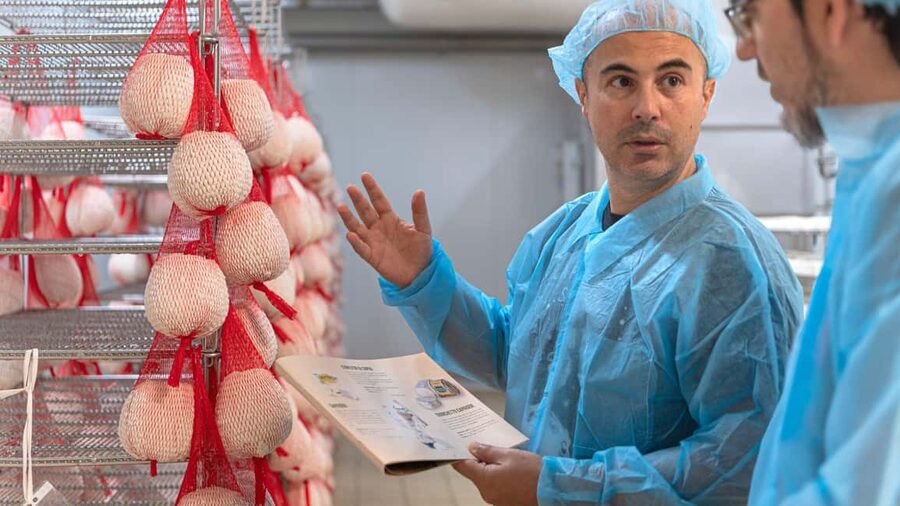
The guided visit takes you through the main production phases. You begin with milk testing, which gives you a useful reminder that good cheese starts long before the curds appear. Milk must be checked before it enters the recipes used for sheep and goat cheeses.
From there, the tour explains the different recipes and the way they shape the final product. The available information does not list every cheese produced on the premises, so I would not arrive expecting a particular variety beyond the stated focus on pecorino and caprino cheeses.
The next important stage is salting in brine tanks. This is one of the details I appreciate because it is easy to treat salting as a minor finishing touch. In practice, it affects flavor and preservation, and seeing the brine tanks makes the process more concrete than simply hearing about it at a tasting table.
You then see the aging stage. Cheese changes with time, and this part helps explain why two products made from similar milk can taste quite different. The visit continues through preparation, packaging, and shipping, showing how the product moves from the production room to the wider market.
This is not only a display of old methods. The company’s stated interest in research and environmental sustainability adds a modern side to the visit. You get a picture of a dairy business trying to protect its local traditions while operating as a current food producer.
The workshop puts your hands in the process
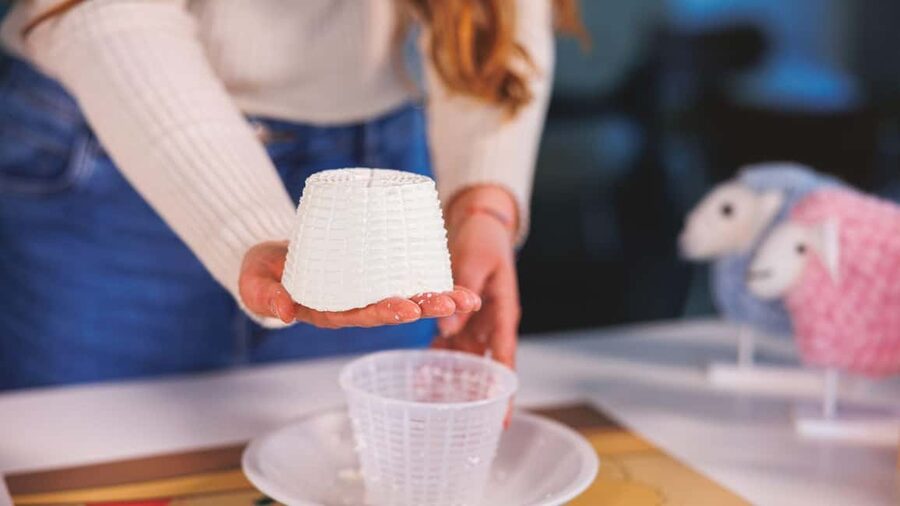
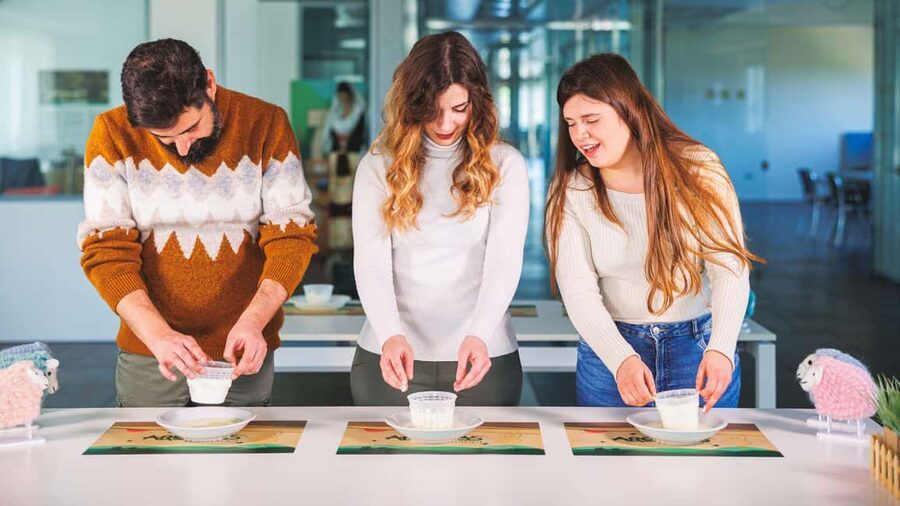
The workshop is the most active part of the outing. Led by dairy experts, it covers the basic steps of artisanal cheesemaking, including coagulation, forming, and salting. You get the chance to make your own cheese instead of remaining on the sidelines.
That matters because the workshop turns technical information into something you can feel and see. The change from milk to a solid cheese is easier to understand when you take part in forming it yourself. You also get a better sense of why timing and handling matter.
Your finished cheese can be tasted or taken with you. That small choice adds a nice personal touch: you can eat it during the visit or carry it away as a food souvenir. A certificate is also provided as a keepsake.
The activity is designed for adults and children, which makes it a sensible choice for families looking for something more engaging than a standard tasting. Children can take part in a real food-making task, while adults get the wider explanation of the production process.
Do not expect a long cooking class with several recipes. The workshop centers on the basic cheesemaking steps, not on preparing a complete meal. That is a strength if you want a focused introduction, but less so if you are looking for advanced instruction.
The final tasting: three or four cheeses and Sardinian wine
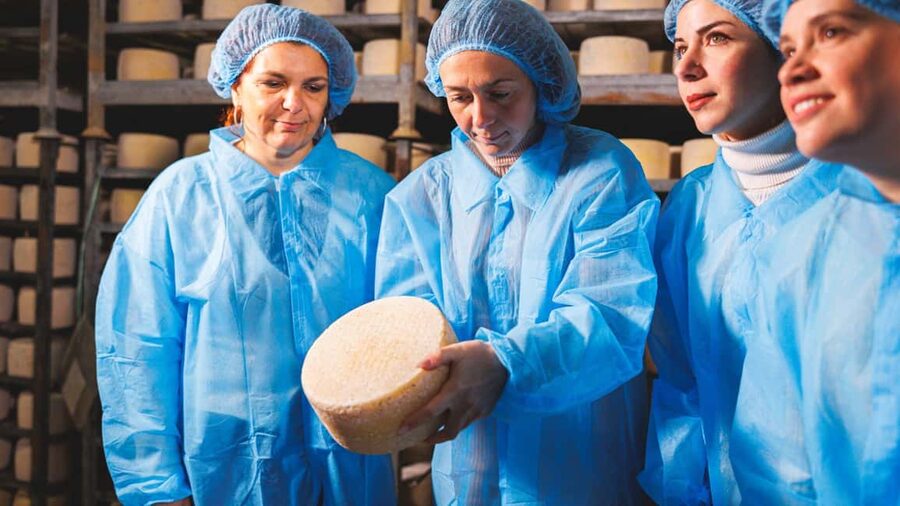
At the end, you taste three or four of the farm’s best-known cheeses. The selection is described as a tasting of local products, with the farm’s sheep and goat cheeses at its center. Since the exact selection can vary, you should think of this as a chance to compare styles rather than a fixed menu.
I like the way the tasting follows the factory tour. By this point, you have seen milk testing, recipes, brining, and aging, so the cheese on your plate has some context. You can pay attention to differences in texture, salt, and age instead of simply eating a few unrelated samples.
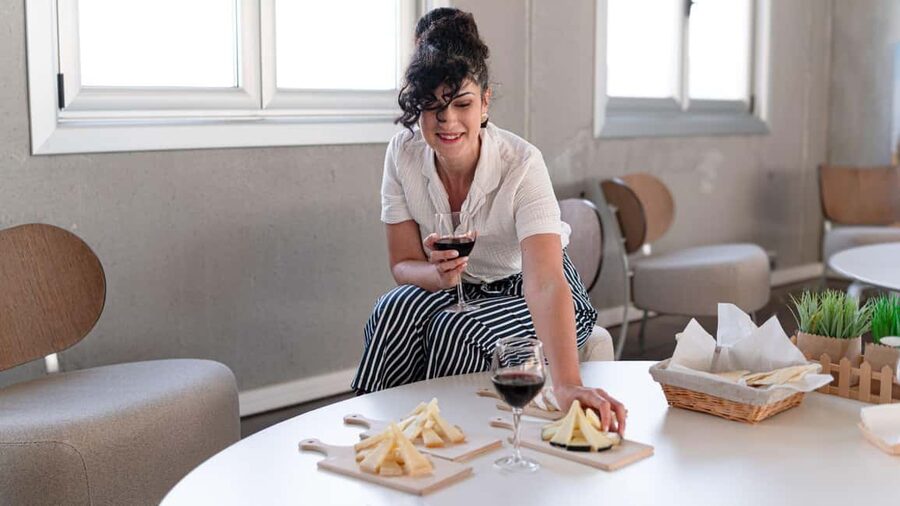
A glass of Sardinian wine accompanies the tasting. This gives the final part a distinctly local feel and makes the visit more than a technical factory walk. For minors and anyone who does not drink wine, water is available.
There is one important food warning: no alternative is available for people who are lactose intolerant. The experience is built around dairy from beginning to end, so this is not a suitable booking if you need lactose-free options.
The tasting appears to be a generous part of the experience. One participant described having plenty of cheese on the table, along with wine, and the chance to make fresh cheese to take away. That combination gives the final hour real value, especially if you enjoy regional food and want more than a token sample.
More Cheese Making Workshops in Italy
- Florence: Mozzarella Making Workshop with Wine Tasting
★ 4.9 · 54 reviews - Florence: Mozzarella Cheese Making with Wine and food Tastings
★ 5.0 · 37 reviews - Sorrento Half-Day Farm Experience: Pizza, Cheese Making and Wine
★ 5.0 · 17 reviews - Martina Franca: Mozzarella and Pasta Workshop with Farm Tour
★ 4.8 · 6 reviews
What the $84 price means
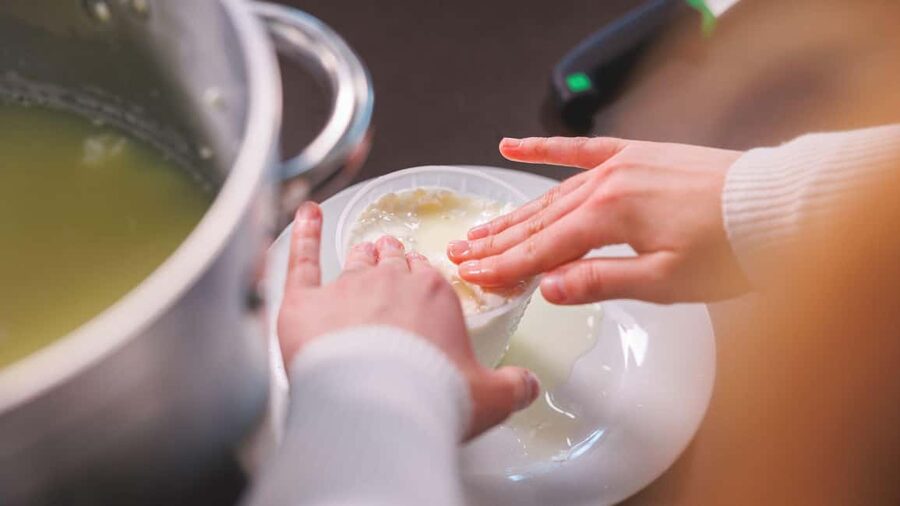
At $84 per person, this is not the cheapest way to taste Sardinian cheese. You are paying for more than food, though. The price includes the guided factory visit, the protective clothing and hair kit, the hands-on dairy workshop, the tasting, and wine.
The value depends on how you like to spend your time. If you only want to buy pecorino at a shop, the price will feel high. If you want to understand how the cheese is made, take part in production, and sample several products in one organized visit, the cost is easier to justify.
The 2.5-hour duration also helps. You are not committing a full day to one food activity, and the visit can fit into a broader day around Cagliari and southern Sardinia. The included workshop gives the experience more substance than a short factory look followed by a single tasting.
I would be less enthusiastic about the value for someone who does not eat much cheese or does not drink wine. Water is available, but the core attraction remains dairy tasting. The lack of lactose-free alternatives makes this a particularly poor match for anyone with that dietary need.
Practical details that affect your day
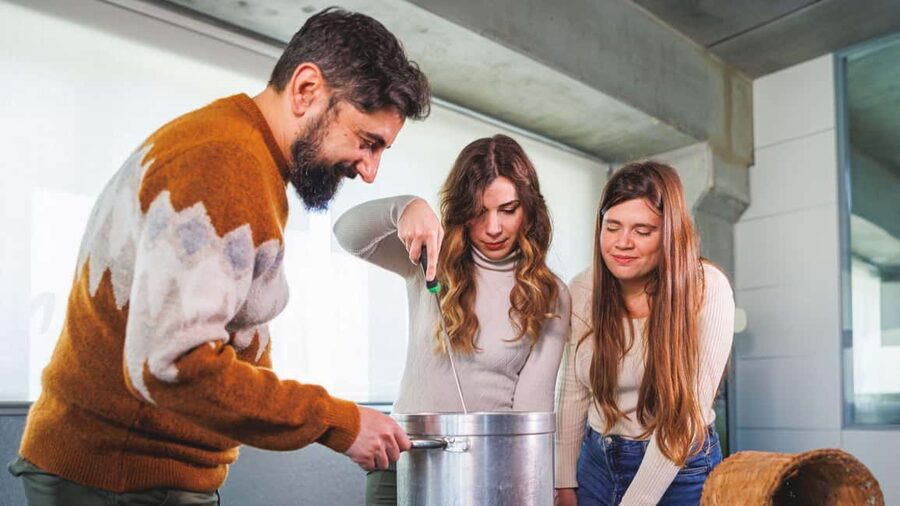
The meeting point is the farm store by the wooden shed. Free parking is available outside the factory in front of the gate, so a car makes arrival straightforward. The available details do not provide a public transport plan or hotel pickup, so you should not assume either is included.
The tour is offered in Italian and English. If you need English, confirm the language when reserving. The host or greeter arrangement is listed in those two languages, but no specific guide name is provided.
Plan on wearing clothes and shoes that are suitable for a working food-production setting. A visitor kit for clothing and hair protection is included, which helps keep the workshop sanitary and lets you take part without bringing special equipment.
Pets are not allowed. The activity is also listed as unsuitable for people with mobility impairments. Those limits are worth checking before you book, especially if someone in your group needs step-free access or extra assistance.
The group minimum is 10 people. This is the key scheduling issue. A party of 10 or more has a clear advantage, while a couple or small family should confirm that the session will run before building an entire day around it.
You can cancel up to 24 hours in advance for a full refund, and you can reserve now while paying later. Those options are useful if your Sardinia plans are still shifting, but they do not remove the need to check the minimum group requirement.
Who will enjoy this most
I would choose this outing for food-focused visitors who want to understand a Sardinian product at its source. It suits people who enjoy seeing working production spaces, asking practical questions, and tasting the result afterward.
Families can also get good value from it because the workshop is intended for children as well as adults. Making a small cheese is more memorable than simply listening to a guide explain the process, and the certificate gives younger participants a physical reminder of the activity.
It is a good fit for a group of friends, too. The cheese-making task creates something to do together, while the tasting gives the group time to sit and compare flavors. The wine adds an adult touch without leaving minors out, since water is available.
I would skip it if you have limited mobility, cannot eat lactose, dislike dairy, or want a quiet sightseeing stop with no participation. I would also think twice if you are traveling alone and cannot confirm that at least 10 people are booked.
The available ratings are very strong, with an overall score of 4.8 from 11 reviews. The most repeated praise centers on the friendly guide, the clear explanation of the process, the tasting, and especially the chance to make fresh cheese. One lower rating still described the host as kind, while questioning how clearly some explanations were delivered. That is a fair reminder that the quality of a spoken tour can depend on the individual session and language fit.
Should you book the Dolianova cheese workshop?
Book it if you want a hands-on food experience near Cagliari, particularly if you have a group of at least 10 and enjoy pecorino, caprino, and local wine. The strongest reason to go is the combination of factory access, personal cheesemaking, and a substantial tasting in a 2.5-hour visit.
I would not book it simply as a cheap snack stop. At $84, the value comes from the guided production tour and workshop, not from the cheese alone. Confirm the language, group minimum, mobility requirements, and lactose issue before paying.
For the right person, this is an engaging way to meet a real Sardinian tradition through the people and process behind it. You leave with a better sense of how local cheese is made, a tasting to remember, and possibly a fresh cheese of your own.
FAQ
Where does the cheese experience take place?
It takes place at a cheese company in Dolianova, near Cagliari in southern Sardinia. The meeting point is the company’s farm store by the wooden shed.
How long does the activity last?
The experience lasts 2.5 hours, including the guided company visit, cheesemaking workshop, and tasting.
What is included in the price?
The price includes the guided cheese company visit, dairy workshop, visitor clothing and hair protection, cheese tasting, and wine.
How many people are needed for the experience to operate?
The experience is available only for a minimum of 10 people.
Is the tour offered in English?
Yes. The listed languages are Italian and English.
Can children take part in the workshop?
Yes. The workshop is described as suitable for both adults and children.
What cheeses and drinks are included in the tasting?
You can taste three or four of the farm’s well-known cheeses, accompanied by a glass of local Sardinian wine. Water is available for minors and people who do not drink wine.
Is the experience suitable for someone with lactose intolerance?
No alternative is available for people who are lactose intolerant, so the experience is not suitable for them.
Freshly cut around Italy
- Wine Tasting with Cured Meats & Cheeses in Florence★ 5.0 · 2 reviews
- Vico Equense: Tour in the dairy “Mozzarella Experience”★ 5.0 · 19 reviews
- Turin: Gastronomy tasting through oil, wine and cheese★ 5.0 · 2 reviews
- From Parma/Cinque Terre: Truffle & Parmesan Picnic (Tasting)★ 5.0 · 2 reviews
- Tuscany: Ripalte Design Winery Wine and Cheese Tasting Tour★ 4.7 · 15 reviews
- Prosecco Hills Wine and Cheese Gourmet Discovery★ 5.0 · 6 reviews
- The Valpolicella food & wine driving tour: cheese factory+ winery★ 5.0 · 6 reviews
- Premium Cheeses and Gins Tour in the Prosecco hills. Full lunch!★ 5.0 · 3 reviews
Cheese Making Workshops, plate by plate.
Troodos Mountains Halloumi Making: All Inclusive Workshop & Tour
Read our review →
Central Madrid: Sangría Workshop & Tasting with Local Cheese
Read our review →