
Review · GOUDA
Gouda: Museum Gouda Entry Ticket
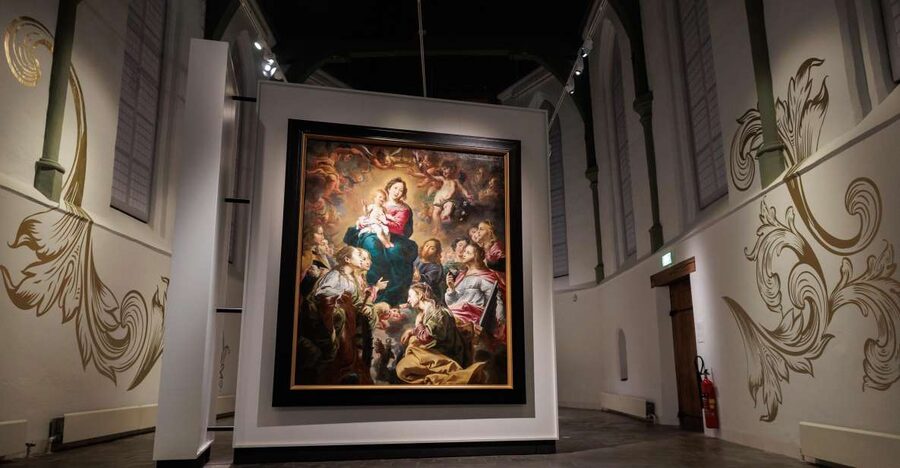
Gouda’s best museum surprise is not cheese. It is the city’s surviving art, displayed inside a 14th-century guest house. You can see altar paintings that escaped the 16th-century iconoclasm, study civic guard portraits, and use a huge interactive model to see Gouda as it looked in 1562. I especially like the way the collection links art to city life, and I like that one ticket covers both the permanent collection and temporary exhibitions.
The main drawback is simple: you should not expect a personal guide or a full audio guide experience. One visitor found the works hard to follow without more explanation. If you like to read carefully and make your own connections, you will have plenty to explore. If you want every painting explained, plan to spend more time with the displays.
Key points to know before you go
- A 1562 Gouda model gives you a clear picture of the medieval city and makes the local story easier to understand.
- Surviving altar paintings show what religious art looked like before and after the iconoclasm of the 16th century.
- Ferdinand Bol and Isaac Israels connect Gouda to wider Dutch and European art movements.
- Gouda pottery explains how decorative ceramics became part of the city’s identity.
- The 14th-century guest house setting adds atmosphere before you even reach the galleries.
- The $19 entry price is strongest for visitors who will take their time with both permanent and temporary displays.
A 600-year story inside a former guest house
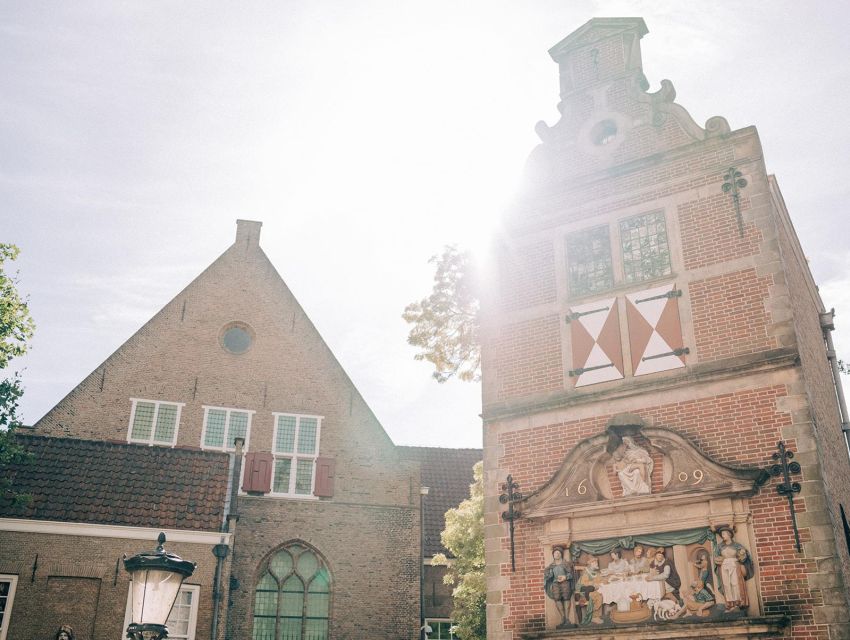
Museum Gouda presents the city through objects rather than through one narrow theme. The collection spans from the 16th to the 20th century, so you move from church art and civic groups to paintings, pottery, and later Dutch and French works.
That broad range matters. You are not looking at isolated masterpieces with no local connection. You are following Gouda as it changed. Religion shaped the early collection. Civic pride appears in militia portraits. Industry and taste come through in the pottery. Later paintings place Gouda within larger Dutch and French art traditions.
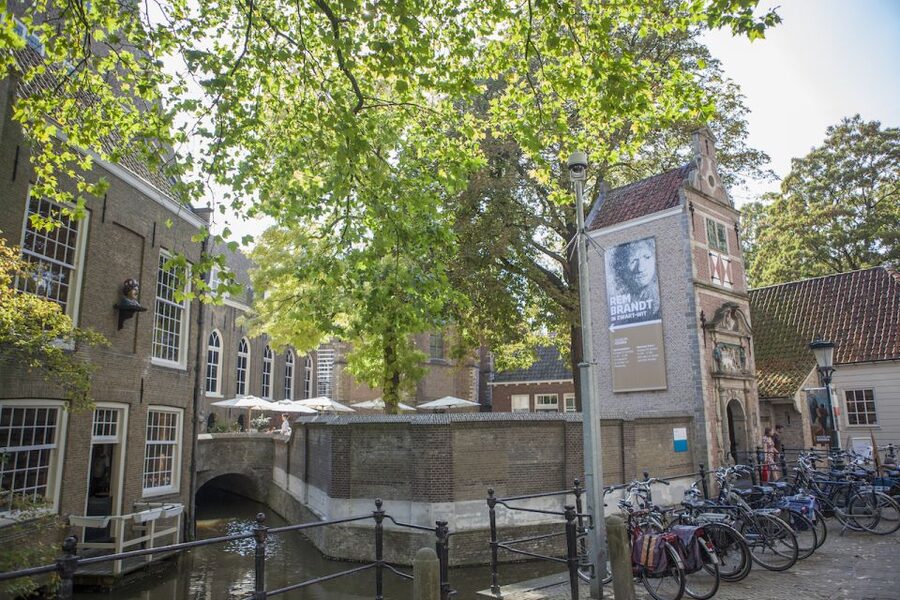
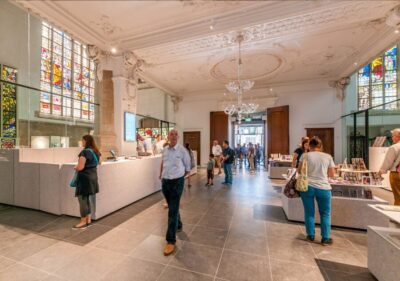
The building helps set the mood. The museum occupies a 14th-century guest house, a useful reminder that Gouda’s past is not confined to glass cases. The setting gives the visit a sense of place, though the available information does not specify how every gallery is arranged. I would allow enough time to pause in each room rather than rushing toward the best-known names.
More cheese and food museums in Gouda:
- Guided Visit to the Estrella Galicia Museum with Cheese Pairing
★ 5.0 · 218 reviews - Paris: Living Cheese Museum Guided Tour with Cheese Tasting
★ 4.8 · 182 reviews - Fuerteventura: Tickets to Salt, Cheese and Windmill Museums
★ 4.4 · 129 reviews
Start with Gouda as it looked in 1562
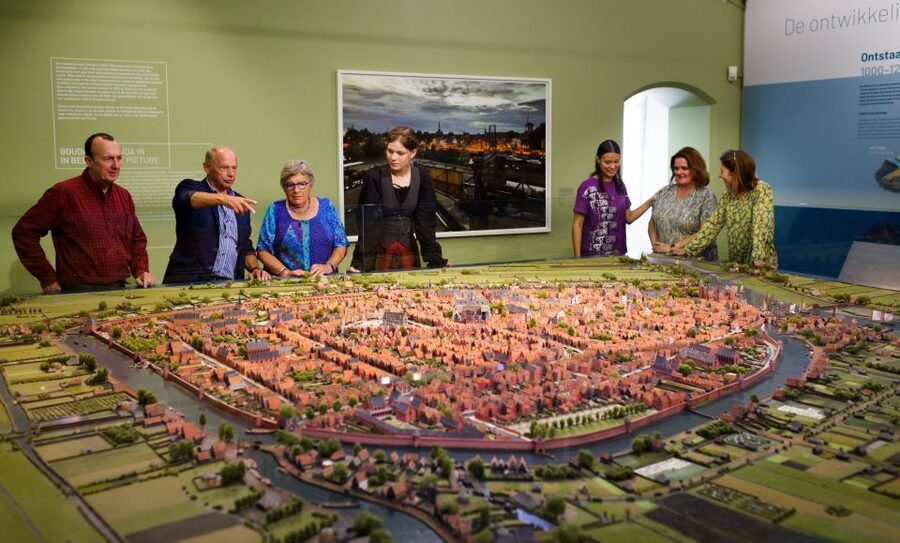
The large interactive maquette is one of the most useful parts of the visit. It shows Gouda in 1562, giving you a visual map of the city at a time when its streets, buildings, and institutions looked very different from today.
I like this kind of display because it gives context before you face a wall of art. Instead of asking where a church painting or civic portrait fits, you can first picture the city that produced it. Look closely at the model, then carry that image with you through the rest of the museum.
The model is also a good choice if you are visiting with someone who is less interested in paintings. It turns local history into something easy to grasp. You can see the city as a working place, not just as a backdrop for famous artworks.
The supplied information calls the maquette huge and interactive, but it does not specify the exact controls or activities. Expect it to be a central orientation point, not a guided city tour.
The altar paintings that escaped destruction
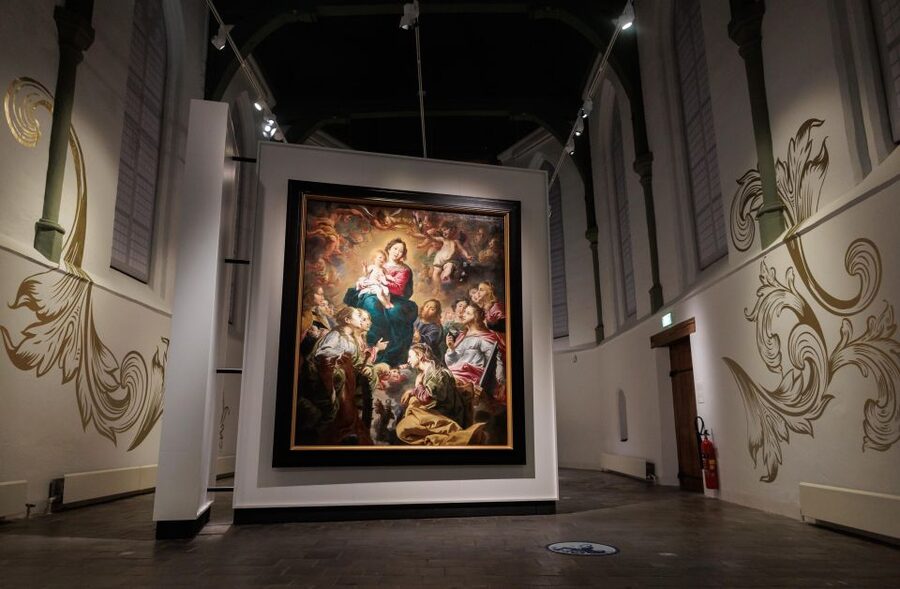
The museum’s early religious works are among its most important holdings. During the iconoclasm that swept through the Netherlands in the 16th century, many religious images were damaged or destroyed. The altar pieces that survived are therefore valuable not only for their artistic quality, but also for what they tell you about Gouda’s religious past.
You can look at these works on two levels. First, study the painting itself: the figures, color, composition, and details that would have mattered to worshippers. Then think about survival. These are objects that passed through a period of violent change and remained connected to the city.
The collection includes a 16th-century triptych. A triptych, with its three linked panels, often rewards a slow look because the separate sections work together. The available information does not name the painter of every altar piece, so I would not arrive expecting a single famous attribution to carry this section.
This is also where the lack of a guide or audio guide may matter most. The paintings deserve explanation, and without one you may need to rely on labels and your own reading. Give yourself time. The objects are more rewarding when you consider their religious and civic setting, not just their age.
Civic guards, militia portraits, and public pride
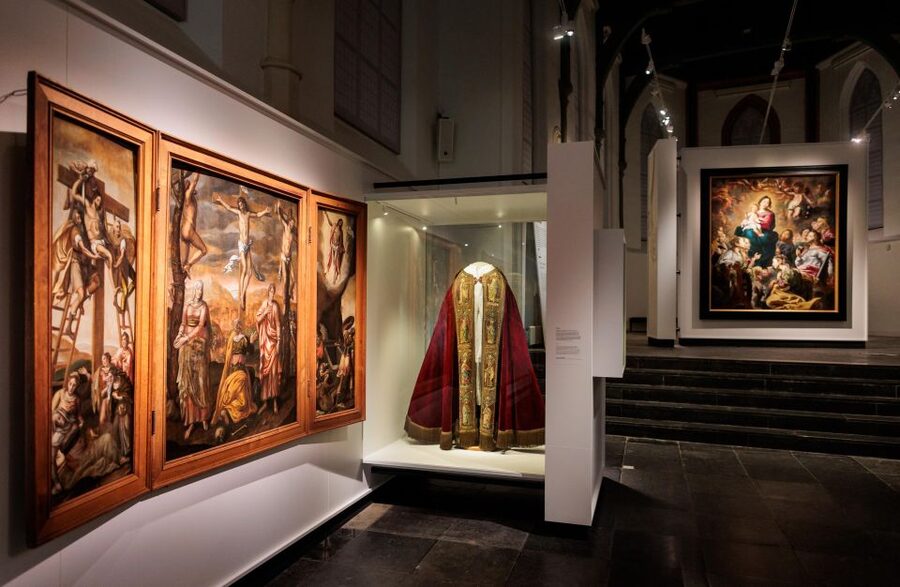
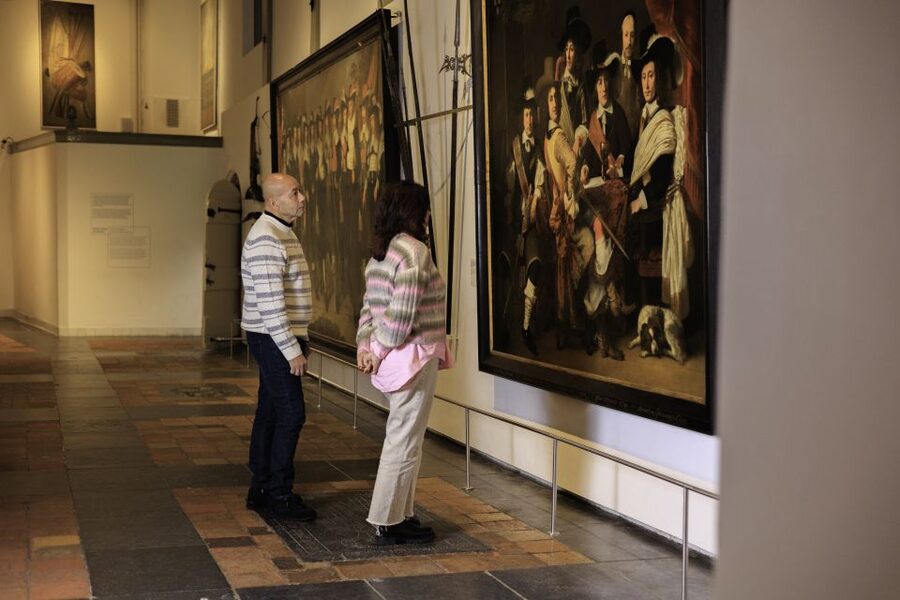
The 17th-century civic guard pieces and militia group portraits shift the story from church to city. These paintings record organized groups of citizens and show how public identity was displayed.
Group portraits can look formal at first. People stand or sit in carefully arranged poses, often with objects that signal rank or responsibility. Their value grows when you notice that they are records of local society as well as works of art.
For you, this section offers a useful contrast with the altar paintings. The religious works connect to worship and upheaval. The civic pieces connect to authority, duty, and status. Together, they show how a city represented itself in different settings.
Do not rush past the faces. Even when you do not know the names of the people shown, the arrangement tells you something about how the group wanted to be seen. The museum’s strength here is the combination of art and local record keeping.
More entry tickets in Gouda:
- Gouda: Gouda Cheese Experience Entry Ticket
★ 4.6 · 578 reviews - Gouda: Entry Ticket to Church of St. John with Audioguide
★ 4.5 · 48 reviews - Gouda: Syrup Waffle Factory Ticket with a Waffle
★ 4.5 · 202 reviews - Parma: Parmigiano Reggiano Museum Ticket
★ 3.7 · 34 reviews
Ferdinand Bol and Isaac Israels widen the picture
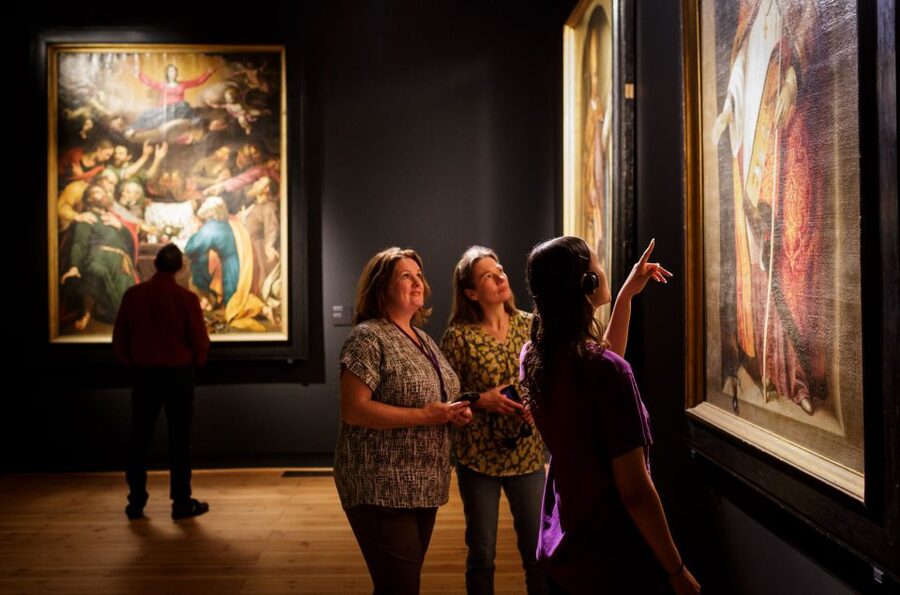
Museum Gouda is not limited to local artists or purely historical objects. The collection includes works by Ferdinand Bol and Isaac Israels, along with 19th-century French and Dutch art.
Bol connects the museum to the grand tradition of Dutch painting. Israels brings a later period and a different artistic outlook. Seeing these names within a city museum helps you understand Gouda as part of the wider Dutch art world, rather than as a place defined only by its own products.
The exact works on view can change with exhibitions and collection rotation, so I would treat the named artists as highlights rather than a guarantee of a particular painting. Temporary exhibitions also form part of the visit, and their subjects may change during your trip.
A useful approach is to compare the museum’s local material with its broader art. Ask what changes between the early altar pieces, the civic portraits, and the later paintings. You may notice changes in subject, mood, color, and the role of the person commissioning the work.
One Japanese visitor singled out works connected with Vermeer and Rembrandt, as well as the label tower, as especially memorable. Since the supplied details do not identify those works precisely, check the current displays if those artists are important to your plans. The safer expectation is a museum with Dutch art across several periods, not a dedicated Vermeer or Rembrandt collection.
Gouda pottery and the appeal of plateel
The pottery section explains one of Gouda’s most recognizable cultural products. Gouda became famous for decorative pottery, known as Gouds plateel, and the museum shows how ceramics fit into the city’s 20th-century story.
This part is particularly helpful if you know Gouda mainly for cheese. The city’s identity has another side, built through design and manufacturing. Decorative pottery also gives you a break from framed paintings. You can focus on shape, surface, pattern, and color.
I would look at the pottery as both art and local industry. The pieces were made to be attractive, but they also belonged to a commercial tradition that helped define Gouda. That combination makes the section practical for anyone interested in design, craft, or the way cities build reputations around distinctive goods.
The information provided does not list individual pottery makers, series, or dates for every object. Expect a broad introduction to Gouda pottery rather than a specialist catalogue in one room. Temporary displays may add more detail.
How long should you spend inside?
Your ticket is valid for one day, which gives you flexibility rather than forcing a short timed visit. The experience is best treated as a substantial museum stop, especially if you want to read labels, study the maquette, and see the temporary exhibition.
No fixed start time is provided. You should check availability when booking. The visit does not include food or drinks, and parking is not included, so plan those parts separately.
Because the museum covers 600 years, your pace will shape the experience. A quick visit can give you the building, city model, main altar pieces, a few civic portraits, and pottery. A slower visit lets you make sense of the links between religion, civic life, painting, and industry.
I would not judge the museum by how many rooms you complete. The value comes from the connections. The 1562 model can help you understand the city. The paintings show how people represented faith and public duty. The pottery shows how Gouda’s image continued into the 20th century.
Is $19 good value?
At $19 per person, Museum Gouda is reasonably priced for a museum covering six centuries and including temporary exhibitions. The value is strongest if you already plan to spend time in Gouda and want more than a quick look at the city center.
You are paying for breadth rather than one blockbuster attraction. There may not be a single universally famous object that justifies the ticket on its own. Instead, you get a connected collection of altar art, civic portraits, later paintings, and pottery, all in a historic building.
The price is less convincing if you want a guided interpretation at every stop. No guide is included, and one visitor specifically found the lack of an audio guide disappointing. Read the labels, use the model to orient yourself, and consider the museum a self-guided visit.
The booking terms reduce the risk. You can cancel up to 24 hours in advance for a full refund, and you can reserve now while paying later. Those options are useful when your Gouda plans may change.
Who will enjoy Museum Gouda most?
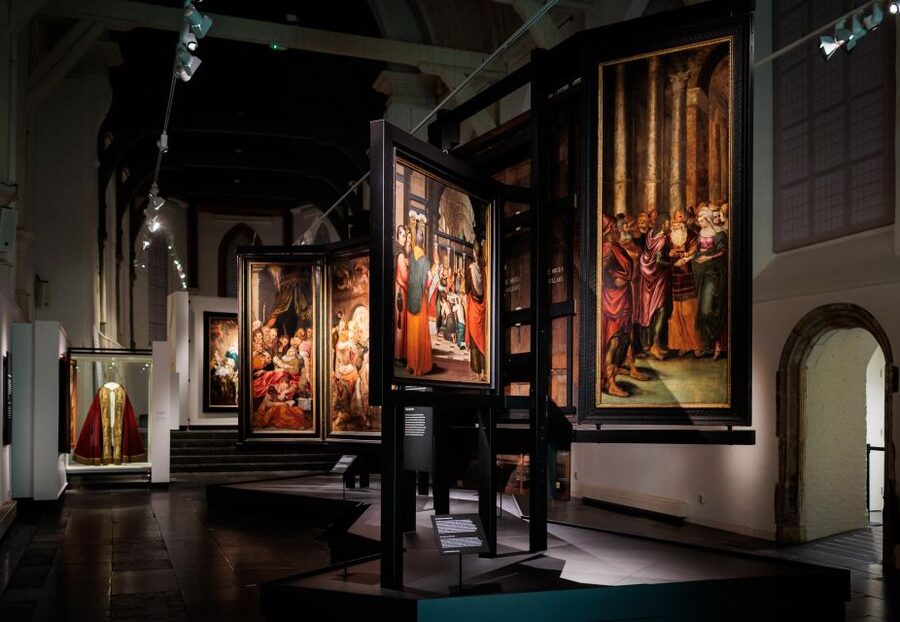
I would recommend this museum to you if you like local history, Dutch painting, religious art, decorative pottery, or historic buildings. It is also a good choice if you want a calmer cultural stop that explains Gouda beyond its most famous food.
Families and mixed-interest groups may find the city model helpful because it offers an immediate visual focus. The pottery can also appeal to people who are more interested in design than in old paintings.
Art specialists should check the current temporary exhibition and collection details before booking. The museum includes important names and periods, but the available information does not promise a focused exhibition of one artist.
If you need a fully guided experience, take the lack of included commentary seriously. The museum is described as wheelchair accessible, and the host or greeter languages are English and Dutch. Still, the most useful interpretation may come from the displays themselves, so give yourself time to read.
Should you book the Museum Gouda ticket?
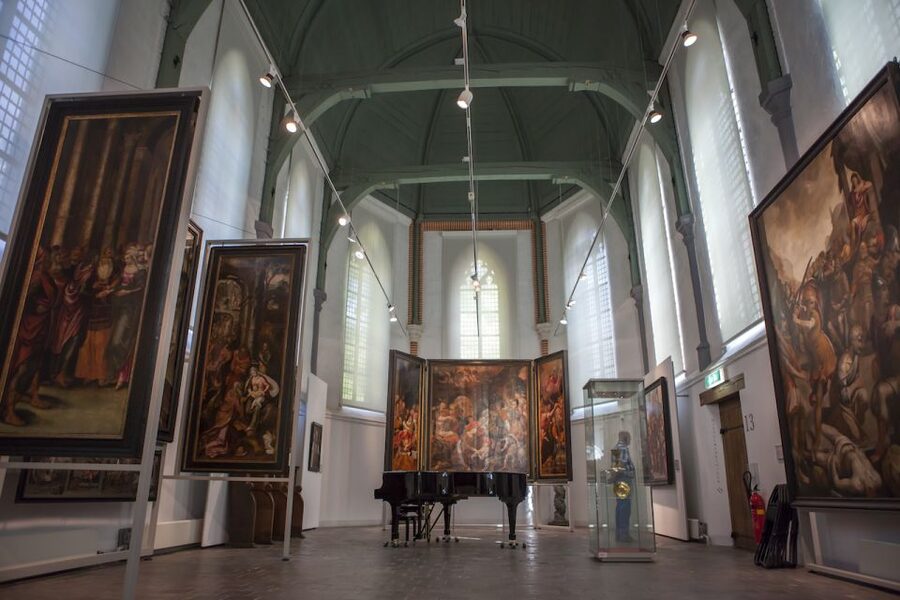
Book it if you want to understand Gouda as a real city with religious, civic, artistic, and industrial stories. The 1562 model, surviving altar paintings, civic guard works, and Gouda pottery create a much fuller picture than a quick walk around the center.
Skip it if you only want a guided tour or a single famous masterpiece with extensive commentary. For most independent visitors, though, the $19 ticket offers a solid half-day-style cultural stop, with a full day of validity if you want to take it slowly and include the temporary displays.
FAQ
Where is Museum Gouda?
Museum Gouda is in South Holland, Netherlands. It is located in a 14th-century guest house.
How much does admission cost?
The entry ticket costs $19 per person.
How long is the ticket valid?
The ticket is valid for one day.
Is Museum Gouda wheelchair accessible?
Yes. The activity is listed as wheelchair accessible.
Are guided tours or audio guides included?
No guide or audio guide is included in the ticket information. The available host or greeter languages are English and Dutch.
Can I cancel the booking?
Yes. You can cancel up to 24 hours in advance for a full refund.
Freshly cut around Gouda
- Discover Gouda with a self-guided Outside Escape city game tour!★ 5.0 · 13 reviews
- e-Scavenger hunt Gouda: Explore the city at your own pace★ 4.5 · 19 reviews
- Self-Guided Walking Tour of Gouda: Canals, Colonies, and Cheese★ 5.0 · 3 reviews
- Gouda Cheese and Delft Blue: Full-Day Private Tour★ 5.0 · 4 reviews
- Gouda Private Walking Tour: History, Architecture & Cheese★ 4.5 · 8 reviews
- Explore Gouda with Self-Guided GPS and Audio Tour★ 4.0 · 2 reviews
- 90 Minutes Self-Guided Family Friendly Walking Tour in Gouda★ 5.0 · 2 reviews
- Escape Xperience in Gouda: The Legend of Jacoba★ 5.0 · 2 reviews
Gouda Cheese Tours, plate by plate.

Cheese lists with this tasting