
Review · SPAIN
Gran Canaria: Cheese Workshop in Agüimes
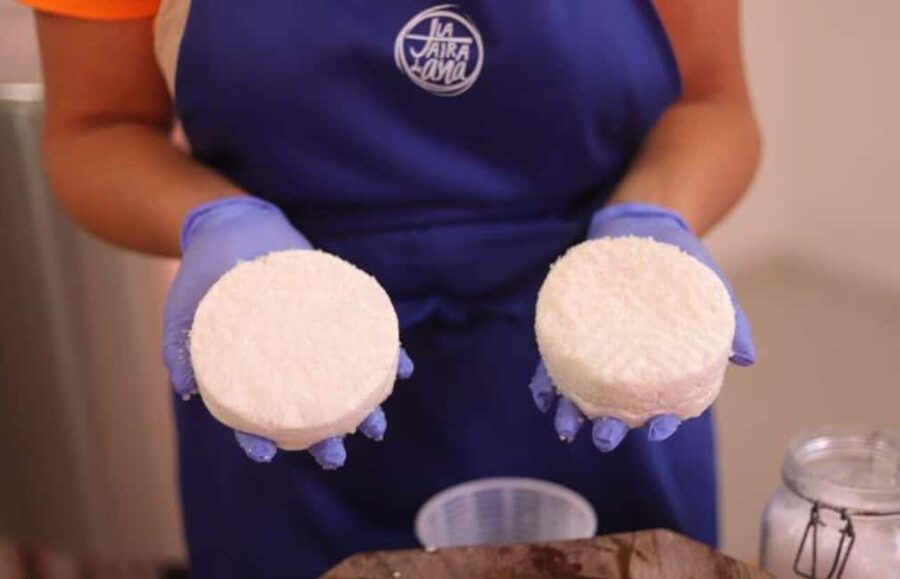
Making cheese from fresh goat’s milk gives this short Agüimes outing a real sense of place. At La Jaira de Ana, you meet the animals, follow the process from milk to curd, and shape cheese you can take home. The baby goats and farm setting add a warm, family-friendly touch.
I like two things here: you work with your hands, rather than only watching a demonstration, and you learn why goats matter to the Canary Islands’ food traditions. Ana is praised for explaining the process with patience and enthusiasm, while Fermet has also helped visitors around the farm. The main drawback is practical: the farm can be hard to find, and the workshop is conducted in Spanish.
Key points at a glance
- Fresh goat’s milk: Learn how milk from the farm’s own goats becomes handmade cheese.
- A real hands-on class: You take part in the steps, from coagulation through shaping.
- Baby goats and farm animals: Children can meet the goats, rabbits, and other animals on the property.
- A short, focused visit: The workshop lasts 1.5 hours, so it fits neatly into an Agüimes day.
- Spanish instruction: The experience is offered in Spanish, with some content shown in its original language.
- Bring a cooler: You take your finished cheese home, and it needs suitable chilled storage.
Why this small farm visit feels different
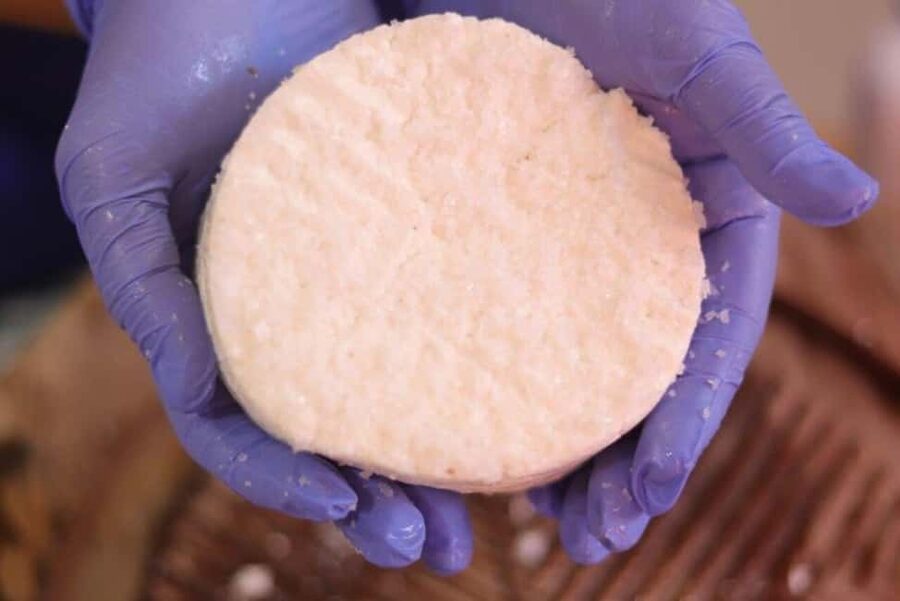
Gran Canaria is best known for beaches, resort towns, and dramatic scenery, but its food traditions tell another story. Goats have long played an important part in island farming, and goat cheese remains one of the most recognizable local products. This workshop gives you a practical way to understand that tradition.
You are not simply handed a tasting plate. You see how the raw material is collected, learn what happens when milk coagulates, and help shape the finished cheese. That makes the activity useful for anyone who likes food, craft, or rural culture. I especially like that the animals are part of the visit rather than a separate photo stop.
La Jaira de Ana is in the Agüimes area, away from the main resort strip. The setting is described as scenic, with wide views toward the city. That helps the visit feel like a short countryside break, even though the workshop itself is compact.
The experience costs $35 per person. That is a fair price if you value direct participation and leave with cheese you made yourself. It is less compelling if you are looking only for a quick tasting or a general farm visit, since most of the value comes from taking part in the process.
More Cheese Making Workshops in Spain
- Fuerteventura: Artisan Goat’s Cheese Making at Local Farm
★ 4.9 · 112 reviews - Sangria Workshop and Tasting with Local Cheese
★ 5.0 · 86 reviews - Central Madrid: Sangría Workshop & Tasting with Local Cheese
★ 4.8 · 82 reviews
Meeting the goats before the cheese starts
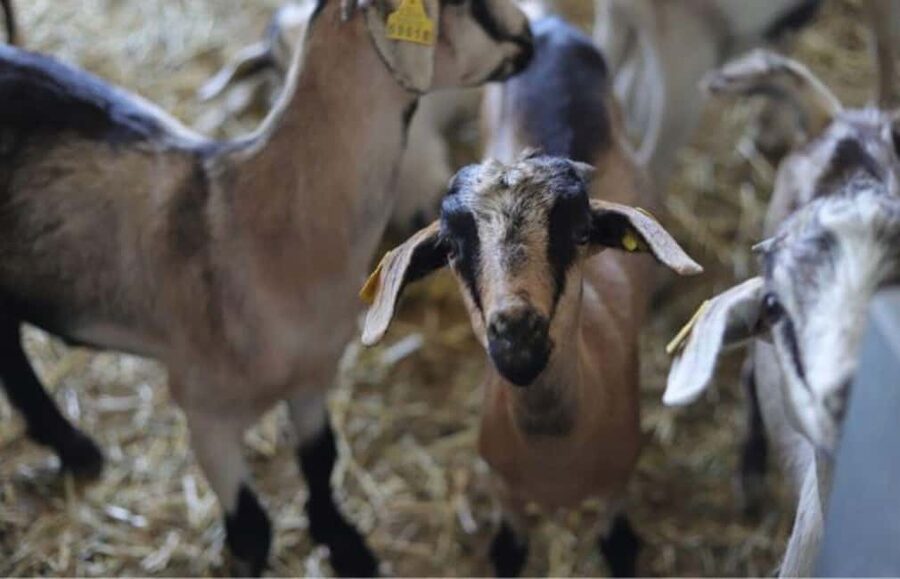
The visit begins with a welcome and an introduction to the goats. You learn about their care and see the animals connected to the milk used in the workshop. The farm setting may include baby goats, rabbits, and other animals, giving younger visitors something to enjoy before the food work begins.
This opening matters because it connects the product to the farm. Goat cheese can seem like an abstract item in a shop, but here you can see the animals and understand where the milk begins. The experience is not presented as a factory-style production tour. It is closer to a small working farm visit, with the animals and food process side by side.
The baby goats are likely to be a highlight for children. The activity description specifically centers on close contact with the little goats, and the farm has been described as suitable for families. Still, you should remember that the main purpose is cheese-making. If your children are interested only in animals, the 1.5-hour format may feel longer once the workshop begins.
A host named Fermet has helped introduce people to the farm and its animals, while Ana is associated with the cheesemaking instruction. Since the available information does not promise a particular host at every session, treat those names as useful context rather than a guarantee.
Following milk through the traditional process
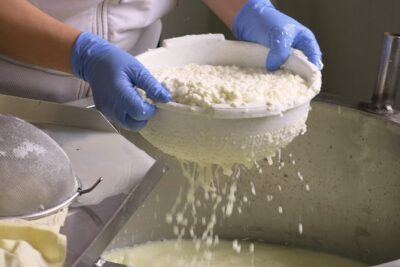
After the animal introduction, the focus shifts to the cheese itself. You are shown the process from milking and collecting fresh milk through the main transformation stages. The workshop explains coagulation, the point where the milk thickens, before moving on to shaping.
This step-by-step order is one of the strongest parts of the activity. You can see how small decisions affect the final product, rather than being asked to accept a finished result without explanation. The class is designed so that you participate in the work, not merely stand nearby.
The process is traditional and hands-on. You may handle the mixture as it changes, help with shaping, and follow the instructions under guidance. The supplied information does not give a detailed recipe, aging period, or exact equipment list, so do not book this expecting a full professional cheesemaking course. Think of it as a friendly introduction to artisan production.
The Spanish-only format deserves attention. If you understand Spanish, you should get the clearest explanation of the techniques and the role of goats in island food culture. If you do not, the practical actions may still be easy to follow, but the educational side will be harder. The listing notes that some content appears in its original language, so translation support should not be assumed.
Ana’s patient approach to the workshop
Ana is described as explaining the entire cheesemaking process with energy and patience. That matters in a class like this because the steps can be unfamiliar, and rushing through them would take away much of the fun.
A good guide also helps turn a basic recipe into a local story. The value here is not only learning when to stir or shape the cheese. You also gain a better sense of why goats are important in the Canary Islands and how small farms keep traditional food practices alive.
The workshop has a practical rhythm. First you get the explanation, then you handle the ingredients, and finally you shape what you have made. That balance should suit people who like instruction but do not want a long lecture.
The experience has a small-scale feel, but a group size is not provided. You should not assume a private class or a one-to-one lesson. If personal attention is important to you, check the group arrangements before booking.
Same region, a different wheel:
- Tacoronte: Guided Winery Tour with Wine and Cheese Tastings
★ 4.6 · 481 reviews - Guided Visit to the Estrella Galicia Museum with Cheese Pairing
★ 5.0 · 218 reviews - Fuerteventura: Tickets to Salt, Cheese and Windmill Museums
★ 4.4 · 129 reviews - Tenerife Bodegas Monje Winery Tour with Wine and Cheese Tasting
★ 4.5 · 121 reviews
Taking your own cheese home
The final reward is the cheese you have made. You take it with you rather than eating only a sample at the farm. That gives the activity a useful souvenir, especially if you are staying in an apartment or have access to a kitchen.
Bring a cooler. This is not a minor suggestion. Fresh cheese needs sensible handling, and the activity specifically asks you to bring one for the journey home. A cooler also makes it easier to continue sightseeing after the workshop without worrying about the cheese warming up.
The exact size, weight, and maturation of the finished cheese are not specified. You should therefore think of it as a handmade portion from a short workshop, not a large supply for the rest of your holiday. The pleasure comes from knowing you helped make it.
I also like the fact that this take-home item has a story. A packaged cheese from a shop can be a good gift, but your own cheese connects to the goats, the farm, and the process you followed. If you are looking for a souvenir with a personal link to Gran Canaria, this is more memorable than another refrigerator magnet.
The setting near Agüimes
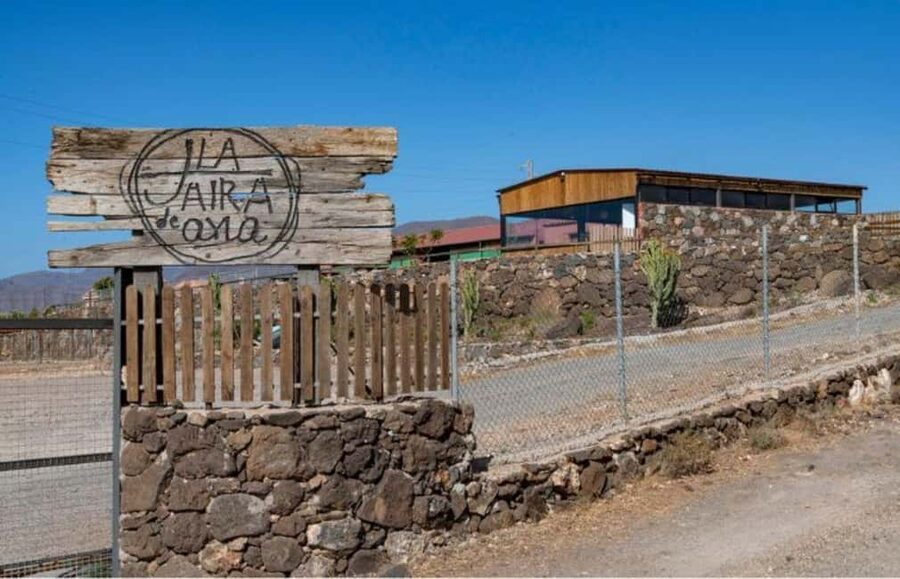
Agüimes gives the experience a different mood from the island’s resort areas. The farm is described as being in a striking location with views across the city. You get a rural setting and an open outlook, rather than a polished attraction built mainly for sightseeing.
That setting is part of the value, but it also brings a logistical warning. One person had serious trouble finding the farm even after leaving on time, asking around town, and following navigation directions. A call made during the missed time window was not answered, and contact afterward was not resolved quickly.
You should plan the arrival carefully. Check the exact meeting details, allow extra time, and make sure you have the provider’s contact number before setting out. If your schedule is tight, this uncertainty is worth considering. The workshop itself lasts only 1.5 hours, but a hard-to-find rural location can add stress before the activity begins.
This is not a reason to reject the experience outright. It is simply the most important practical caution. The farm setting is part of the appeal, and rural locations can be less obvious than town-center meeting points. Good preparation will make a difference.
Who will get the most from $35
At $35 per person, the workshop offers several elements in one short visit:
- An introduction to the goats and their care
- Contact with baby goats and other farm animals
- A guided cheesemaking class
- Local food context
- Cheese to take home
That is solid value for someone who enjoys active experiences. You are paying for instruction, ingredients, access to the farm, animal contact, and a finished product. The price also compares well with a standard tasting if you prefer to learn by doing.
Families may find the mix especially appealing. Children can enjoy the baby animals, while adults get a food lesson with a clear result. The Spanish instruction could limit how much younger children understand, but the physical process may still keep them involved.
Food-focused visitors should also find the class worthwhile. You leave with a better understanding of how goat cheese is made, not just a passing taste. The activity could pair well with a day around Agüimes, provided you leave enough time for finding the farm and do not overpack your schedule.
This is not the best match for someone who wants a polished, multilingual tourism product. The experience is Spanish-language, the location may require care to find, and the pace can depend on the host. Its appeal comes from its small-farm character, not from a slick presentation.
Timing, language, and cancellation
The visit lasts 1.5 hours. That is long enough for a meaningful introduction and practical work, but short enough to fit into a half-day plan. Starting times vary, so check availability when you choose your date.
The instruction is in Spanish. You can still watch the demonstrations and follow physical steps without full fluency, but you should book with realistic expectations about the language. Some content is presented in its original language.
You can cancel up to 24 hours in advance for a full refund. A reserve-now-and-pay-later option is also available, which helps if your Gran Canaria plans are still changing. These terms do not solve the location issue, so confirm the meeting information before the day of the visit.
Should you book La Jaira de Ana?
I would recommend this workshop if you want a short, local food experience with real participation. The strongest reasons to book are the fresh goat’s milk, the chance to meet baby goats, the patient cheesemaking guidance associated with Ana, and the cheese you take home.
I would pause if you need English instruction, guaranteed easy access, or a carefully timed activity with no room for delay. Spanish is the stated language, and finding the farm has been a problem for at least one booking.
For families, food lovers, and anyone curious about rural Gran Canaria, the $35 price is reasonable. Bring a cooler, allow extra time to locate La Jaira de Ana, and confirm the directions before you leave. If you do those things, this offers a personal look at island farming that a standard sightseeing stop cannot provide.
FAQ
Where does the cheese workshop take place?
The workshop takes place at La Jaira de Ana in the Agüimes area of Gran Canaria, Spain.
How long does the activity last?
The cheese workshop lasts 1.5 hours.
How much does the workshop cost?
The listed price is $35 per person.
What will I make during the activity?
You will make your own artisan cheese using fresh goat’s milk.
Can I meet the goats?
Yes. The experience includes meeting and interacting with the farm’s little goats in a natural setting.
Are baby goats part of the visit?
Yes. Baby goats are specifically included, and the farm may also have rabbits and other animals.
What language is used during the workshop?
The instructor language is Spanish. Some content is shown in its original language.
Can I take my cheese home?
Yes. You take home the cheese you make during the workshop.
Should I bring anything?
Bring a cooler so you can keep your cheese suitably chilled while taking it home.
Can I cancel my booking?
Yes. You can cancel up to 24 hours in advance for a full refund. A reserve-now-and-pay-later option is also available.
Freshly cut around Spain
- Cheese Factory Workshop with Wine Tasting in Requena, Valencia★ 4.5 · 3 reviews
- Guided Tour Montesdeoca Cheese Factory – Cheese and Wine Tasting★ 4.5 · 6 reviews
- Hike the Cork Oak trail and try some Delicious Cheese★ 5.0 · 12 reviews
- Discover the Art of Idiazabal Cheese in the Basque Country★ 4.5 · 9 reviews
- Private Basque Cheese & Txakoli Wine Tour from San Sebastian★ 5.0 · 20 reviews
- Menorca: Cheesemaking and Farm-Fresh Product Tasting★ 5.0 · 29 reviews
- Madrid Bike Tour with Churros and Wine, Ham, and Cheese Upgrade★ 5.0 · 8 reviews
- Mallorca Wine and Cheese Tasting★ 5.0 · 29 reviews
Cheese Making Workshops, plate by plate.
Troodos Mountains Halloumi Making: All Inclusive Workshop & Tour
Read our review →
Central Madrid: Sangría Workshop & Tasting with Local Cheese
Read our review →
Cheese lists with this tasting