Review · ITALY
Martina Franca: Mozzarella and Pasta Workshop with Farm Tour
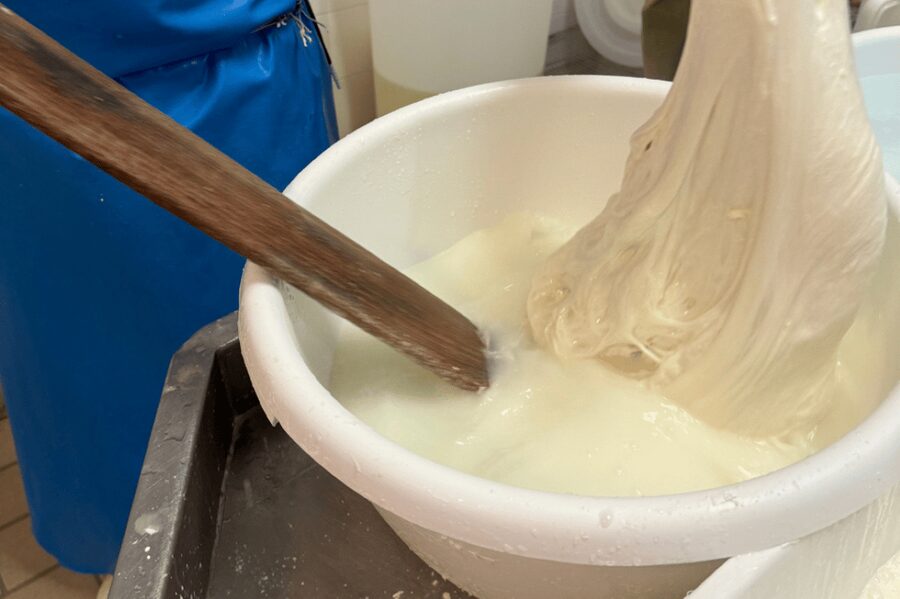
The best part of this Martina Franca outing is that you do not simply sit down to eat Apulian food. You make mozzarella and pasta yourself, then see where farm products begin. I especially like the visit to the breeding farm and vegetable garden, plus the small group limit of nine, which gives the workshop a more personal feel. Valentina, named in guest feedback, is described as kind and interesting, and the activity suits children as well as adults.
The main point to weigh is the price: at $124.61 per person for 2.5 hours, this is not a cheap meal or a quick cooking class. Tasting depends on the option you book, and you must arrange your own transport to the farm. The site is also not suitable for wheelchair users or people with mobility impairments.
Key points before you book
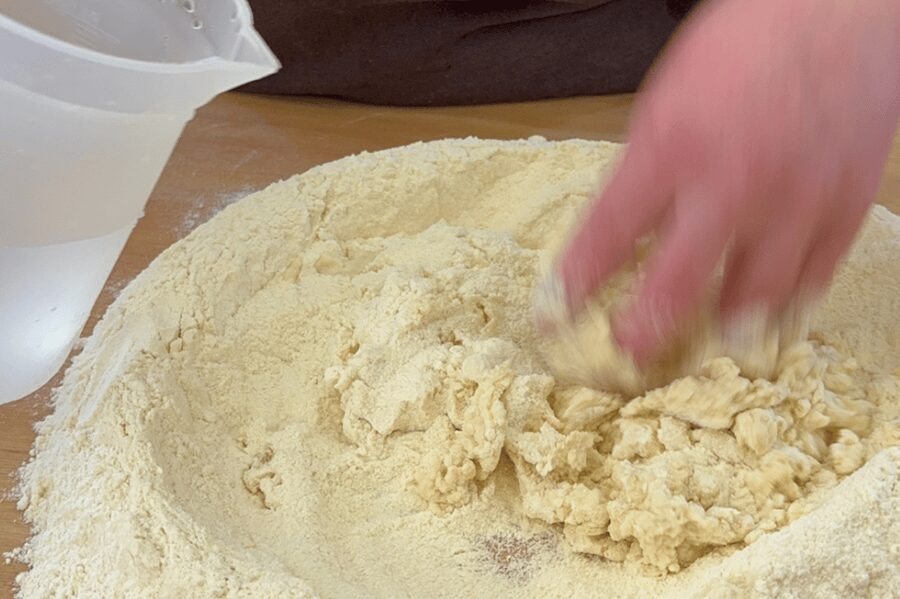
- Mozzarella and pasta are hands-on: You learn from artisans instead of watching a food demonstration from the sidelines.
- The farm visit gives the food a setting: Meet the animals, see the vegetable garden, and follow the farm-to-table process.
- An ancient church adds local character: The farm visit includes guided commentary at a historic religious site.
- Groups are limited to nine: This is a useful size for asking questions and getting practical help.
- Food tasting is an option, not a guarantee: Select the version that includes tasting if eating the finished products matters to you.
- Plan for a rural visit: Comfortable shoes and clothes are sensible, and transportation is not included.
Why this farm visit feels different from a standard cooking class
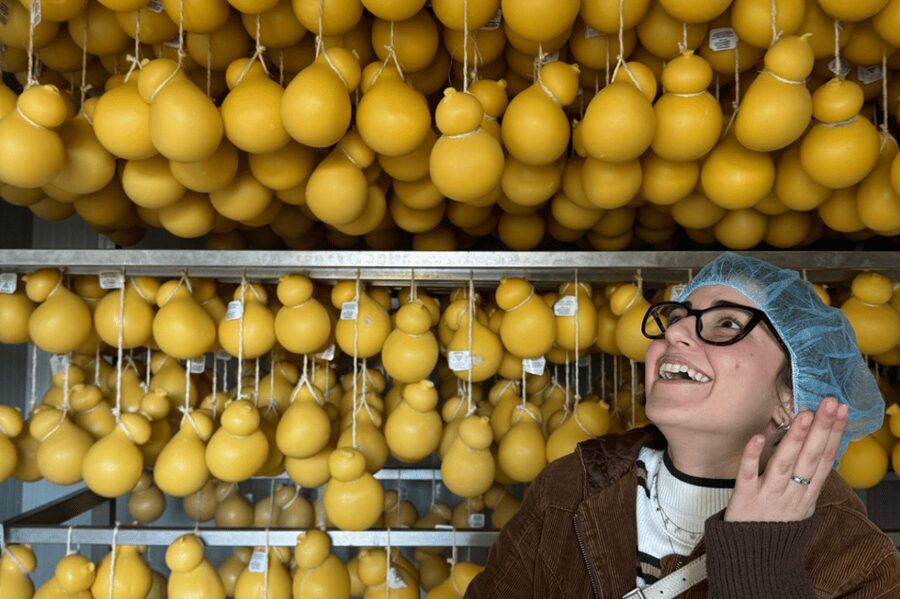
Many cooking classes give you a recipe, a work surface, and a plate at the end. This experience connects the food to the place that produces it. You begin at a farmstead in Martina Franca, not in a city kitchen, so the setting is part of the lesson.
I like that the visit covers several links in the food chain. You see the breeding farm, walk through the vegetable garden, visit the cheese factory and bakery, and then work with the ingredients in the workshops. That sequence helps you understand the food as a local product, not just a dish prepared for tourists.
The activity lasts 2.5 hours, which is long enough to include several stops without taking up an entire day. Still, the schedule is fairly full. You will want to stay engaged during the farm and church visits so you have enough time for both mozzarella and pasta making.
An Italian and English-speaking guide leads the experience. The group limit of nine matters here. Food preparation works better when you can see the instructor, ask for help, and get a turn with the ingredients. A large group could make a practical class feel passive. This one is designed to remain small.
More Cheese Farm Visits in Italy
- Authentic Farm Tour with Pizza, Cheese, Wine & Limoncello Tasting
★ 5.0 · 698 reviews - Sorrento: Farm Tour with Cheese Tasting & Pizza Making Class
★ 5.0 · 503 reviews - Parma: Traditional Cheese Factory Visit with Tasting
★ 4.9 · 225 reviews
Meeting the animals at the breeding farm
The first part takes you to the breeding farm, where the guide introduces you to the animals and explains the farm’s sustainable practices. This is more than a quick photo stop. It gives you a basic understanding of how a working farm supports the food served later.
The animal visit may be especially useful for families. Children get a clear connection between the farm and the food on the table, while adults can listen for details about the way the farm operates. The supplied feedback specifically describes the activity as suitable for both young and old, with a son enjoying the experience.
Do not expect a large-scale agricultural tour with a long technical lecture. The published details promise an introduction to the animals and sustainable methods, not an extended farming course. I would treat this as a friendly, guided look at the farm rather than a specialist visit.
Comfortable shoes are a smart choice. You will be walking around a farm and garden, and the activity is not designed for wheelchair users or people with mobility impairments. Anyone with reduced mobility should contact the provider before booking, since the team says it will try to help with special needs, but the experience is formally listed as unsuitable for mobility impairments.
From the vegetable garden to the farm table
The walk through the vegetable garden shows the other side of the farm’s food production. After meeting the animals, you see crops growing on site and get a clearer picture of the farm-to-table idea.
That phrase can be used loosely, but here it has a practical meaning. The tour links the garden, the farm, the cheese factory, the bakery, and the workshops. You are not just told that local food matters. You are shown several places where ingredients and traditional products come together.
The garden portion also gives the visit a slower pace before the hands-on work begins. You can listen to the guide’s explanation of the farmstead and ask questions about the products you will later help prepare. Since the group is small, this should feel more like a conversation than a formal speech.
The exact crops and seasonal details are not specified, so do not book this expecting a particular vegetable or harvest. The value is in seeing the growing area and learning how it fits the farm’s daily work.
The ancient church and the story of the farmstead
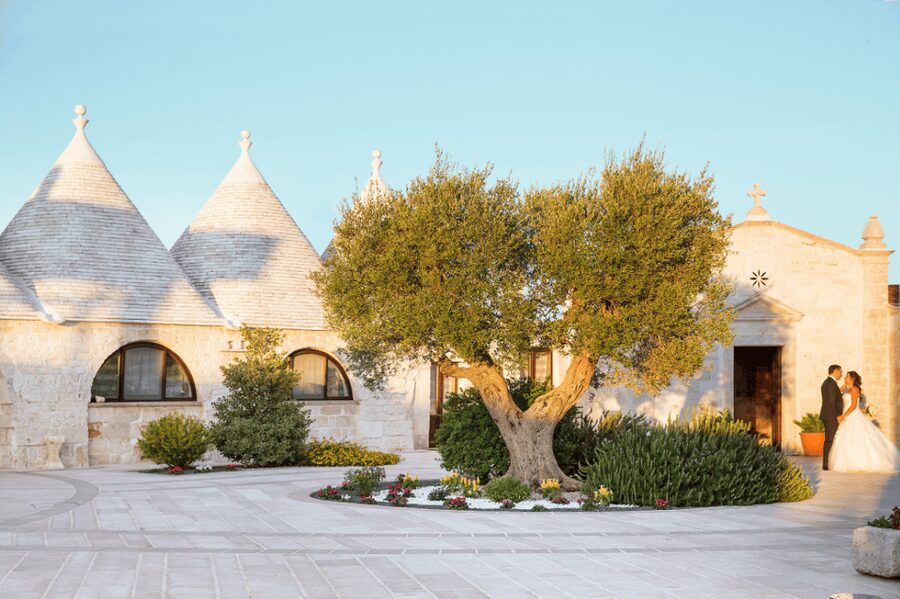
An ancient church is included in the route, with commentary from the guide. This is a pleasant addition because it gives the farmstead a sense of place beyond food production.
The church stop may appeal most to people who like local history but do not want a separate museum visit. You get cultural context as part of the farm tour, and the guide’s narration connects the site to the wider story of the property.
The details provided do not identify the church’s name, architectural style, or age. That means you should see this as a short guided visit rather than a dedicated church tour. If religious buildings are your main interest, the stop may feel brief. If you enjoy variety, it breaks up the food activities and adds another layer to the outing.
The guide’s role is important throughout the route. Valentina is singled out in the available feedback as interesting and kind, with an approach that worked well for a child and an adult. Guides can vary by date, so I would not assume Valentina will lead every departure, but her mention gives you a useful sense of the tone to expect.
More Cheese Making Workshops in Italy
- Florence: Mozzarella Making Workshop with Wine Tasting
★ 4.9 · 54 reviews - Florence: Mozzarella Cheese Making with Wine and food Tastings
★ 5.0 · 37 reviews - Sorrento Half-Day Farm Experience: Pizza, Cheese Making and Wine
★ 5.0 · 17 reviews - Dolianova: visit and workshop in a cheese factory
★ 4.8 · 11 reviews
Inside the cheese factory and bakery
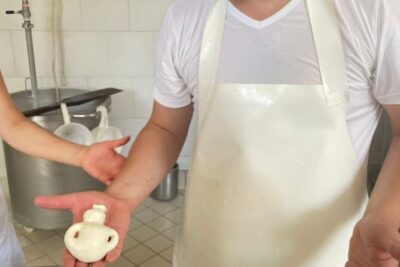
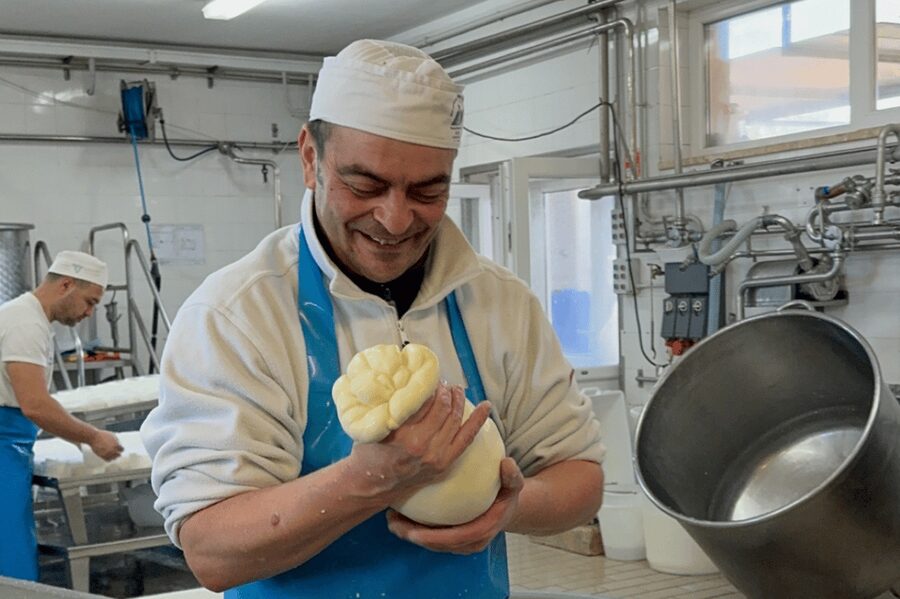
The next stage takes you into the cheese factory and bakery, where local artisans explain their methods. This is the point where the tour moves from seeing ingredients to understanding how they become familiar Apulian foods.
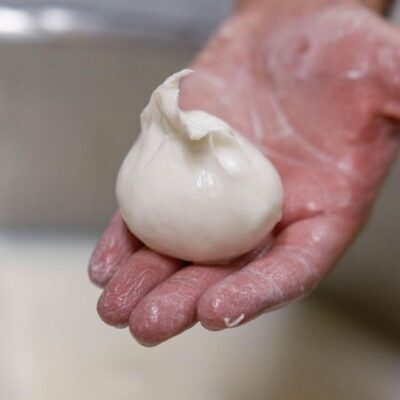
The cheese factory is the natural setting for the mozzarella workshop. Rather than learning in a generic cooking studio, you see the production environment first and then handle the process yourself. That can make the lesson more memorable, especially if you are curious about how fresh cheese is shaped and prepared.
The bakery visit broadens the food picture, though the information does not specify a separate bread-making class. You should expect to learn about the bakery and its products, not necessarily to bake bread yourself.
Because the activity is led by artisans, the experience should suit you if you prefer traditional methods and local instruction over a polished, restaurant-style presentation. It is less suited to someone who wants a quiet tasting with no practical work.
Making mozzarella with local instruction
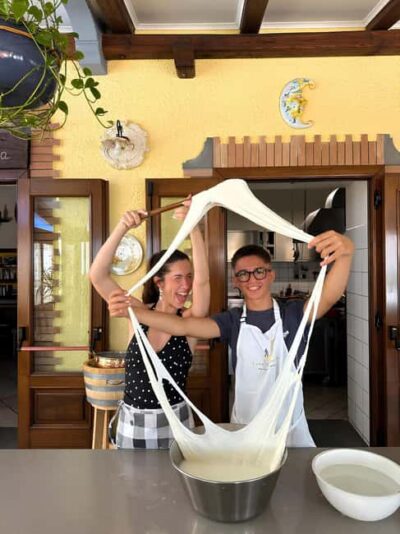
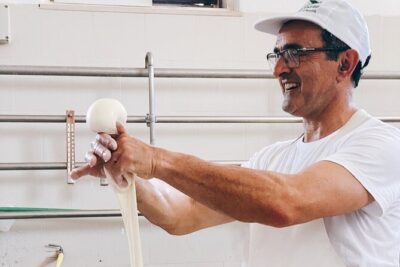
The mozzarella workshop is one of the main reasons to choose this activity. You take part under the direction of skilled instructors, learning the traditional techniques rather than only watching someone else perform them.
A hands-on class can be messy and slower than simply ordering a plate of cheese. That is part of the appeal. You get a better sense of the work behind a product that often arrives at the table looking effortless.
The supplied information does not give a step-by-step recipe, the exact quantity you make, or the equipment used. You should therefore book it as a guided workshop, not as a formal certification course or a detailed professional training session.
For families, this is likely the most active part of the outing. Children can take part, but comfortable clothing is wise. The farm setting and practical food work call for clothes and shoes you do not mind wearing for a few hours.
Learning traditional pasta techniques
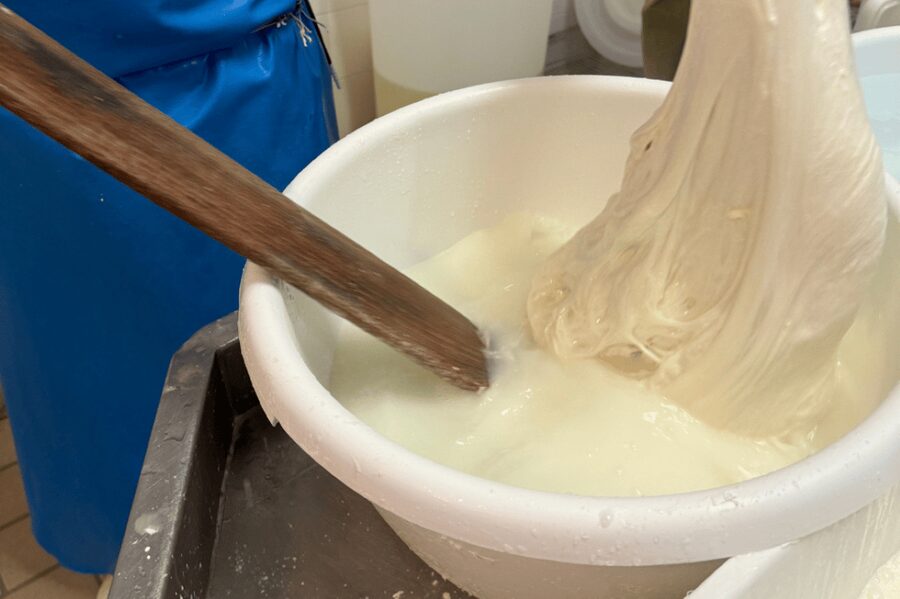
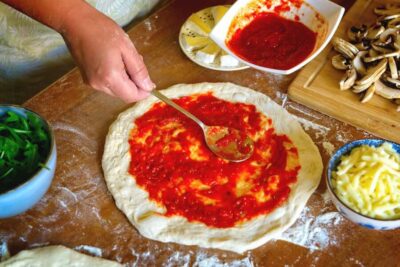
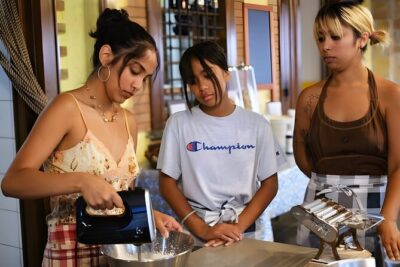
The pasta workshop follows the same hands-on approach. You work with an instructor and learn traditional techniques connected to local food culture.
I like the pairing of pasta and mozzarella. One activity focuses on cheese, the other on dough and shaping, so you get two different kinds of kitchen work in a single visit. That makes the $124.61 price easier to assess if you value instruction, farm access, and a small group rather than just the food itself.
There is no stated pasta shape or recipe, so do not arrive with one specific dish in mind. The experience is about learning the technique and taking part in the process. If you are hoping to leave with a full recipe book or a long cooking lesson, the 2.5-hour format may feel limited.
The instructors speak Italian and English. If you are more comfortable in English, confirm the language when booking if that matters to you, though English is listed as an available language.
Choosing the tasting option
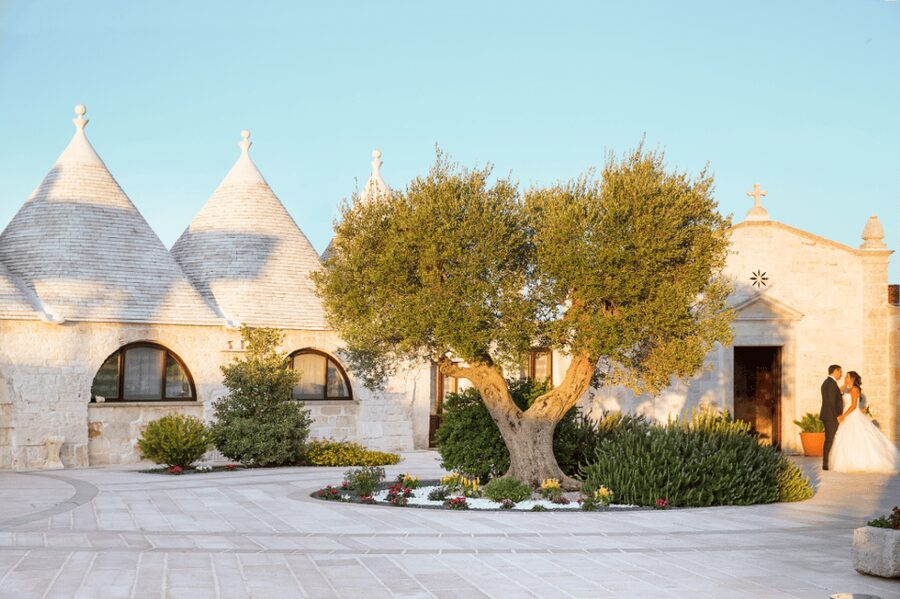
A tasting of the products made during the workshops is available only with the appropriate booking option. This is an important detail. The workshop and the meal are not automatically the same package.
I would choose the tasting option if you want the experience to end with a clear reward for the work you have done. Eating the products you helped prepare gives the outing a satisfying finish and lets you judge the results for yourself.
If you are mainly interested in the farm tour and instruction, you may prefer the option without tasting. Just check the booking details before paying, since tasting is listed as an optional inclusion and is not included in every version.
The information does not specify the tasting menu, portion size, beverages, or whether other farm products are served. Do not assume that a full lunch, wine, or a broad food spread is included. Alcohol and drugs are not allowed during the activity.
Is $124.61 good value for 2.5 hours?
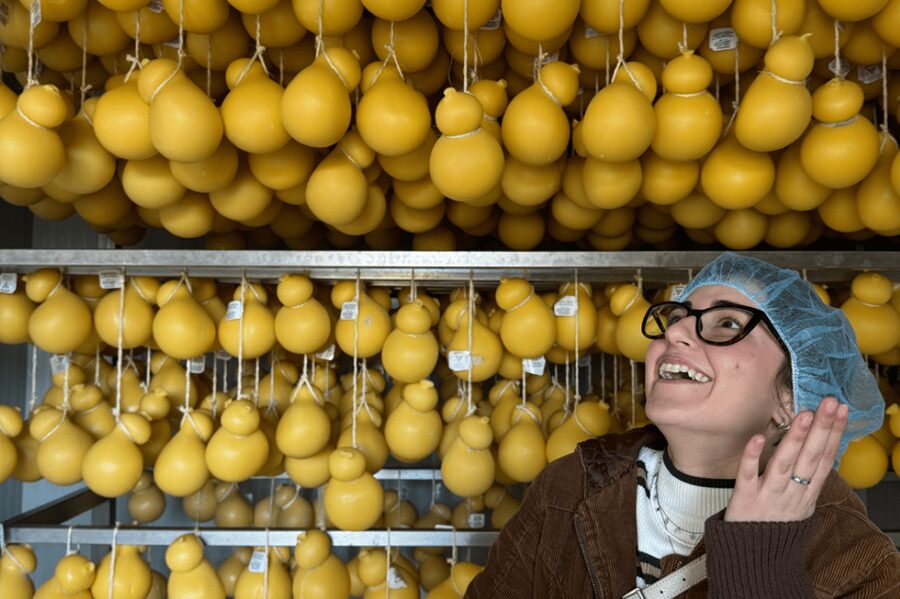
At $124.61 per person, the experience costs more than a short pasta class or a basic farm visit. The price becomes more reasonable if you count the several parts included: an expert guide, the breeding farm, vegetable garden, ancient church, cheese factory, bakery, mozzarella workshop, and pasta workshop.
The small group limit also affects the value. With no more than nine participants, you should have a better chance to follow the demonstrations and get direct help. That matters more in a practical workshop than it would on a standard sightseeing walk.
Still, this is not the best choice if you only want to eat local food cheaply. Tasting depends on the selected option, and transportation to the farm is extra. Add your transfer costs when comparing the price with a restaurant meal or another cooking class.
I see it as a special-interest experience for people who care about how food is produced. Families, food lovers, and visitors staying in or near Martina Franca may find the combination worthwhile. If your budget is tight, compare the cost against what you value most: the farm access, the instruction, the small group, or the tasting.
Timing, clothing, and practical planning
The visit lasts 2.5 hours, but starting times vary. Check availability for the date you want instead of assuming a morning or afternoon departure.
You need to reach the tour location yourself. No transfer is included, so plan the route before the day of the activity. The supplied information does not state the exact meeting point, parking arrangements, or public transport options, so confirm those details with the provider.
Wear comfortable shoes and clothes. That advice is simple but important for a farm walk, garden visit, and food workshop. You should also avoid bringing expectations of a formal restaurant setting. This is a working farm experience with practical activities.
Free cancellation is available up to 24 hours before the start for a full refund, and you can reserve now and pay later. Those terms are useful if your Apulia plans are still changing, but check the final conditions at booking.
Who should book this Martina Franca experience?
I would recommend it to you if you want to connect Apulian food with farming, local craft, and place. It is a good fit for families, couples, and small groups who enjoy doing rather than simply observing.
The activity is also suited to anyone who wants a compact half-day outing. In 2.5 hours, you get food instruction, a farm visit, a garden walk, an ancient church, and a look at the cheese factory and bakery.
I would hesitate if you have limited mobility, need a wheelchair-accessible route, or want a fully specified cooking curriculum. The experience is not suitable for wheelchair users or people with mobility impairments, and several workshop details are left open until the visit.
Should you book it?
Book this if you want a personal farm visit with real participation, especially if you choose the tasting option and enjoy learning from local artisans. The small group and Valentina’s warm, clear style, as described in the available feedback, are encouraging signs for families and first-time cooking students.
Skip it if you only want a quick meal, a fully accessible outing, or a low-cost activity close to your hotel. For the right visitor, the price buys more than mozzarella and pasta. It buys a look at how farm products, local traditions, and everyday work fit together in Martina Franca.
FAQ
Where does the mozzarella and pasta workshop take place?
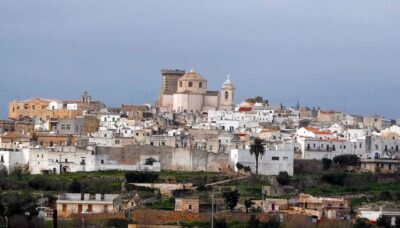
The activity takes place at a farmstead in Martina Franca, in Apulia, Italy.
How long does the experience last?
The experience lasts 2.5 hours. Starting times vary, so check availability for your preferred date.
What languages are available?
The guide and instructors speak Italian and English.
How many people are in each group?
The activity is offered in a small group limited to nine participants.
Is food tasting included?
Tasting depends on the option you book. Choose the version that includes tasting if you want to eat the products made during the workshops.
Is transportation to the farm included?
No. You must arrange and pay for transportation to reach the tour location.
What should I wear?
Wear comfortable shoes and comfortable clothing suitable for a farm visit and hands-on food workshops.
Is the tour suitable for wheelchair users?
No. The experience is listed as unsuitable for wheelchair users and people with mobility impairments.
Can I cancel the booking?
You can cancel up to 24 hours in advance for a full refund. A reserve-now, pay-later option is also available.
More pasta and cheese classes in Italy
- Sorrento Farm by Tuk Tuk: Cheese, Limoncello & Hands-On Pizza
★ 5.0 · 628 reviews - Florence: Flambé Cheese Wheel Truffle Pasta Class & Tiramisù
★ 5.0 · 190 reviews - Amalfi Coast: Pizza & Mozzarella Class with Farmhouse visit
★ 5.0 · 98 reviews - Sorrento Ape Tour, Lemon Garden, Mozzarella Show & Pizza Class
★ 5.0 · 82 reviews
More mozzarella and buffalo dairies in Italy
- Cooking class with Pasta, mozzarella and Tiramisu with wine
★ 5.0 · 549 reviews - Amalfi: Make Fresh Pasta, Mozzarella & Tiramisù with wine
★ 5.0 · 503 reviews - Amalfi: Prepare fresh pasta, mozzarella and tiramisu
★ 5.0 · 315 reviews - Amalfi: Make Fresh Pasta, Mozzarella, & Tiramisù with Wine
★ 5.0 · 305 reviews
Freshly cut around Italy
- Wine Tasting with Cured Meats & Cheeses in Florence★ 5.0 · 2 reviews
- Vico Equense: Tour in the dairy “Mozzarella Experience”★ 5.0 · 19 reviews
- Turin: Gastronomy tasting through oil, wine and cheese★ 5.0 · 2 reviews
- From Parma/Cinque Terre: Truffle & Parmesan Picnic (Tasting)★ 5.0 · 2 reviews
- Tuscany: Ripalte Design Winery Wine and Cheese Tasting Tour★ 4.7 · 15 reviews
- Prosecco Hills Wine and Cheese Gourmet Discovery★ 5.0 · 6 reviews
- The Valpolicella food & wine driving tour: cheese factory+ winery★ 5.0 · 6 reviews
- Premium Cheeses and Gins Tour in the Prosecco hills. Full lunch!★ 5.0 · 3 reviews
Mozzarella and Buffalo Cheese Tours, plate by plate.
Mozzarella Experience – Cheese Tour and tastings to Masseria Fragnite
Read our review →