
Review · ITALY
Puglia: Mozzarella Experience at an Apulian Farm
The best part of this Puglia farm visit is watching a cheesemaker turn fresh cow’s milk into mozzarella, burrata, and other shapes right in front of you. It is a short, hands-on look at a food tradition that usually stays behind the counter.
I like the family-run setting and the generous tasting, which can include fresh cheese, cured meats, bread, and seasonal farm products. I also like that the visit connects the finished food to the animals, milking parlor, and farm work behind it.
The main drawback is visibility: if the group is large, not everyone may get a clear view of the cheese-making demonstration. This is also cow’s-milk mozzarella, not buffalo mozzarella, and the farm sits in the countryside, so you need your own car.
Key points to know before booking
- Mozzarella is made in front of you: A local cheesemaker explains the process step by step, with Rocco often leading the cheese demonstration.
- The farm visit includes animals: You may see cows, calves, bulls, and other farm animals, with a chance to observe them in the fields or stables.
- The tasting is a major part of the visit: Expect farm-made cheeses, mozzarella, cured meats, bread, and seasonal products.
- Guiding is available in English and Italian: Guides such as Daniela, Diana, and Lucia have led visits, with family members helping explain farm life.
- Bring a car: The masseria is in the countryside and transportation is not included.
- Plan for a short but food-heavy stop: The visit lasts 1.5 hours, and the tasting may be substantial enough to replace a light lunch.
A farm visit that begins with the animals
This is not only a cheese tasting. The visit begins with the farm itself, giving you a better sense of where the milk comes from and how a working Apulian dairy operates.
You may visit the stables and see cows, calves, bulls, and other animals. When conditions allow, you can watch them moving freely in the fields. That simple part of the visit matters because it gives context to the cheese on your plate. You are not just sampling a finished product with a vague local label. You are seeing the animals, the milking area, and the people who turn milk into food each day.
The exact order can vary, but the farm visit and cheese demonstration fit into a compact 90-minute program. You should not expect a full agricultural tour or a long countryside walk. Instead, this works as a focused stop that brings together animal care, milk production, cheese-making, and tasting.
The family connection is one of the nicest details. Diana, who is part of the owning family, has led visits in excellent English and explained both cheese production and the raising of cows. Daniela has also received strong praise for clear explanations, while Lucia has been singled out for her warm welcome. The names may vary according to the day, but the format remains personal rather than purely scripted.
More mozzarella and buffalo dairies in Italy:
- Cooking class with Pasta, mozzarella and Tiramisu with wine
★ 5.0 · 549 reviews - Amalfi: Make Fresh Pasta, Mozzarella & Tiramisù with wine
★ 5.0 · 503 reviews - Amalfi: Prepare fresh pasta, mozzarella and tiramisu
★ 5.0 · 315 reviews
Inside the milking and cheese-making process
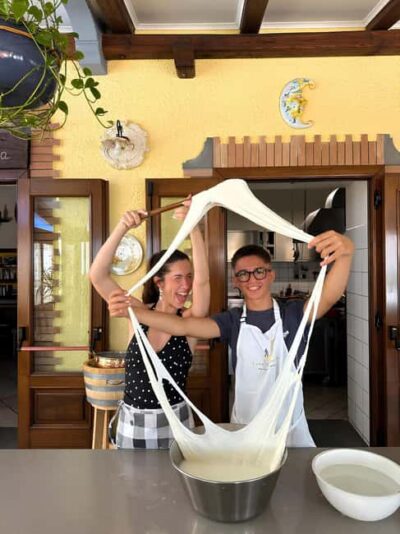
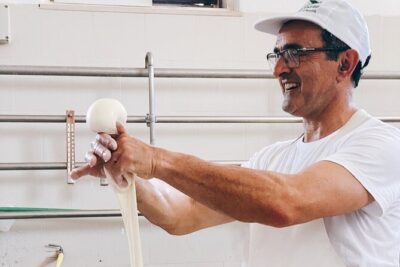
The most interesting section is the meeting with the casaro, the Italian cheesemaker. Rocco has been praised for showing how the curd is shaped into mozzarella, burrata, and several forms of cheese while keeping the demonstration lively.
You learn how milk moves through the production process and how the cheesemaker works the curd into its final form. The shaping is especially fun to watch. Mozzarella is not simply cut into one standard ball. It can be pulled and formed into different sizes and shapes, while burrata requires another level of care because the outer cheese must hold its creamy filling.
The demonstration is practical rather than technical for its own sake. You can expect an explanation of the main steps, followed by a close look at the cheesemaker’s handwork. The local staff also use humor, which helps keep the session relaxed. This is useful for families and for anyone who enjoys food but does not want a formal classroom lecture.
One detail is worth keeping clear: the farm uses cow’s milk. If you are specifically seeking buffalo mozzarella, this is not the right stop. Cow’s-milk mozzarella has its own flavor and texture, but it is not the same product as mozzarella di bufala.
The published experience is described as a mozzarella-making workshop with the cheesemaker. In practice, the supplied details emphasize a demonstration and explanation. Do not assume you will make an individual ball of mozzarella from start to finish unless the farm confirms that for your date. One suggestion from a recent visit was to make the workshop more hands-on, so you should treat this as a guided cheese-making demonstration rather than a guaranteed personal cooking class.
Why group size matters at the demonstration
The cheese-making area is the one part where the size of the group can affect your enjoyment. A large party may crowd around the work area, making it hard for people at the back to see the curd being shaped.
If seeing every movement matters to you, arrive ready to position yourself near the demonstration space and listen closely to the guide’s explanation. The farm may also be able to adjust the group position, but that is not promised in the supplied information.
This issue does not cancel out the value of the visit. It simply changes what you should expect. The experience is strongest when you can see the cheesemaker’s hands, hear the explanation, and ask a question. A smaller group would naturally make that easier, while a larger group may feel more like a presentation.
The good news is that the staff appear to keep the tone lively and welcoming. Rocco’s jokes and the family’s involvement help prevent the cheese demonstration from feeling stiff. Still, the physical layout is important, and this is the clearest practical weakness to consider before booking.
The tasting is more than a sample plate
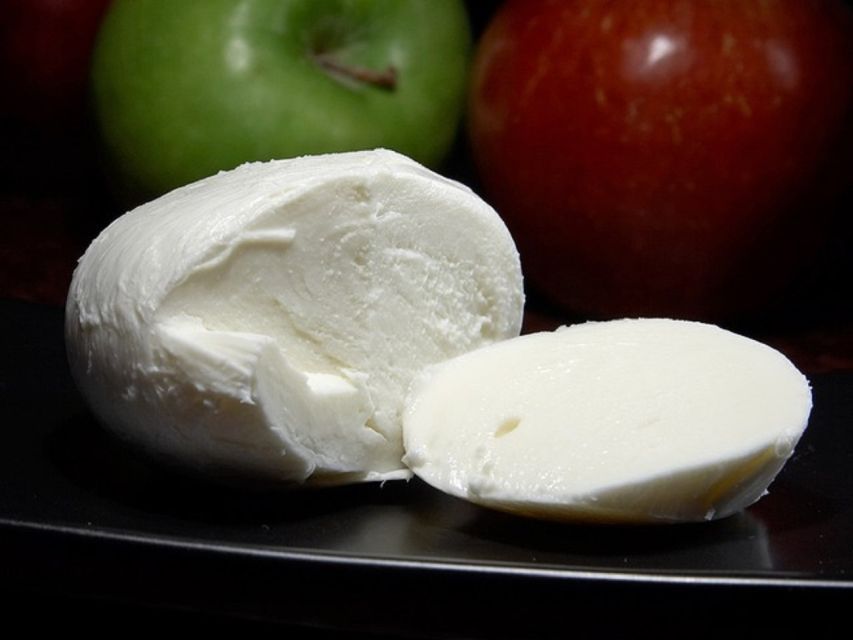
The final tasting is where this farm visit earns much of its $59 price. You do not simply receive one small piece of mozzarella and move on. The spread can include fresh mozzarella, burrata, other farm cheeses, cured meats, bread, and seasonal products.
Several accounts describe the tasting as generous enough to replace lunch. One family found there was so much food that they took leftovers away, and takeaway boxes were provided. That makes the value easier to judge: the price covers a farm visit, a guided production demonstration, and a substantial local-food meal.
The tasting also lets you compare products rather than judging the mozzarella in isolation. Fresh cheese tastes different from aged cheese. Cured meats add salt and texture. Bread and seasonal produce help show how these foods are eaten in the region, not just displayed as souvenirs.
Some tasting accounts included water and local wine, but the published details state that drinks are not included. I would plan on paying separately for drinks or confirm what will be served before you arrive. Do not book this expecting alcohol to be part of the standard price.
The food quantity can be a benefit or a small problem. If you have a full lunch planned immediately afterward, you may find yourself too full to enjoy it. I would schedule the visit around a light meal, especially if you are keen to try everything on the table.
More cheese tours around Italy:
- Authentic Farm Tour with Pizza, Cheese, Wine & Limoncello Tasting
★ 5.0 · 698 reviews - Sorrento Farm by Tuk Tuk: Cheese, Limoncello & Hands-On Pizza
★ 5.0 · 628 reviews - Tour Parmigiano Reggiano dairy and Parma ham
★ 5.0 · 601 reviews - Parma: Parmigiano Production and Parma Ham Tour & Tasting
★ 4.9 · 554 reviews
A taste of Apulian farm life, not a polished city attraction
The setting is a working family farm, and that shapes the mood. You are not entering a city museum with carefully arranged displays. You are visiting a place connected to livestock, milk, cheese production, and farm sales.
That gives the experience a useful sense of place. Puglia is well known for its food, but food becomes more memorable when you see the work behind it. The animals, milking area, cheesemaker, and tasting all fit together in a way that a restaurant meal cannot quite match.
The farm also has a small shop where you may be able to buy more cheese, meats, vegetables, and other Apulian products. This is a practical extra, particularly if you find something you want to serve later during your trip. The shop is not listed as a separate part of the paid experience, so treat purchases as optional.
Weather can affect the balance of the visit. During one rainy visit, most of the activity took place indoors, with the farm animals seen when the rain stopped. That means the visit can still work in poor weather, but you may spend less time outside than expected.
Getting there and choosing the right season
The masseria is in the countryside, and transportation is not included. You need your own car to reach the meeting point. This is the most important logistical point because a taxi or public transport arrangement is not provided in the experience details.
Build in enough time to locate the farm and arrive for the scheduled start. The activity lasts 1.5 hours, and the start time depends on availability. It is best suited to a driving itinerary through rural Puglia rather than a day based entirely in a city.
Winter needs extra care. From November through March, fewer flight connections and lower demand can lead to schedule changes. Visits are usually grouped on two or three days each week so the farm can reach its minimum number of participants. Check the available date and time before arranging the rest of your day.
The farm offers English and Italian guiding. That makes the activity practical for international visitors, and the English explanations have been described as clear and easy to follow. If you need a particular language, select the correct option when booking or confirm it in advance.
Who will enjoy this mozzarella experience?
I would recommend this to anyone who enjoys food with a story attached to it. You do not need specialist cheese knowledge. The appeal comes from seeing a familiar product made by hand, meeting the people behind the farm, and tasting the result while it is fresh.
It is also a good family activity. A 10-year-old child enjoyed seeing the cows, learning how cheese forms, and feeding young calves when the weather improved. Children who like animals or practical demonstrations should find more to hold their attention here than in a standard food lecture.
Couples and small groups can use it as a relaxed countryside stop between larger sightseeing days. The tasting is social, and the farm setting offers a break from churches, museums, and busy town centers.
I would not choose it if you have lactose intolerance. The entire experience centers on dairy products, and the tasting is a major part of the program. It is also not suitable for people with mobility impairments, according to the activity information, so ask the provider for details if you have any access concerns.
Is $59 a fair price?
At $59 per person, this is not the cheapest way to eat cheese in Puglia. You could buy mozzarella and cured meats for less at a market or shop. But that comparison misses the main point.
The price includes access to a family farm, an explanation of milk production, a cheesemaker demonstration, and a broad tasting. If the tasting is as generous as described, it may also replace lunch. You are paying for the setting and the explanation as well as the food.
The value is strongest if you have a car, care about local food, and want more than a quick tasting counter. It is weaker if you are mainly looking for a hands-on class where each person makes their own mozzarella. Confirm the workshop format if personal participation is essential to you.
Free cancellation up to 24 hours before the start and the option to reserve without paying immediately make the booking less risky. Those terms are useful when your Puglia route is still changing, though the winter schedule can still be adjusted by the farm.
Should you book the Apulian farm mozzarella experience?
Book it if you want a friendly, food-focused look at rural Puglia, especially if you are driving and enjoy generous tastings. The strongest reasons are the family setting, the chance to see Rocco or another cheesemaker shape mozzarella and burrata, and the farm products served at the end.
Think twice if you need a fully hands-on workshop, cannot eat dairy, have mobility limitations, or specifically want buffalo mozzarella. Also keep the group-size issue in mind, since a crowded demonstration may limit your view.
For most cheese lovers, families, and curious eaters, this is a worthwhile 90-minute stop. Plan it as a late-morning or early-afternoon food activity, leave room for the tasting, and visit the farm shop if you want to take a piece of Puglia with you.
FAQ
How long does the mozzarella farm experience last?
The activity lasts 1.5 hours.
What does the experience include?
It includes a mozzarella-making workshop with the cheesemaker and a tasting of local products.
What food is served during the tasting?
The tasting may include fresh mozzarella, burrata, other cheeses, cured meats, bread, and seasonal farm products.
Are drinks included?
Drinks are listed as not included. Some tasting accounts described water and local wine, so confirm what will be available for your visit.
Is transportation provided to the farm?
No. The masseria is in the countryside, and you need to use your own car to reach the meeting point.
Is the mozzarella made with cow’s milk or buffalo milk?
The farm produces mozzarella using cow’s milk. It is not a buffalo mozzarella experience.
Can I take part if I have lactose intolerance or mobility limitations?
The activity is not suitable for people with lactose intolerance or mobility impairments.
Freshly cut around Italy
- Wine Tasting with Cured Meats & Cheeses in Florence★ 5.0 · 2 reviews
- Vico Equense: Tour in the dairy “Mozzarella Experience”★ 5.0 · 19 reviews
- Turin: Gastronomy tasting through oil, wine and cheese★ 5.0 · 2 reviews
- From Parma/Cinque Terre: Truffle & Parmesan Picnic (Tasting)★ 5.0 · 2 reviews
- Tuscany: Ripalte Design Winery Wine and Cheese Tasting Tour★ 4.7 · 15 reviews
- Prosecco Hills Wine and Cheese Gourmet Discovery★ 5.0 · 6 reviews
- The Valpolicella food & wine driving tour: cheese factory+ winery★ 5.0 · 6 reviews
- Premium Cheeses and Gins Tour in the Prosecco hills. Full lunch!★ 5.0 · 3 reviews
Mozzarella and Buffalo Cheese Tours, plate by plate.
Mozzarella Experience – Cheese Tour and tastings to Masseria Fragnite
Read our review →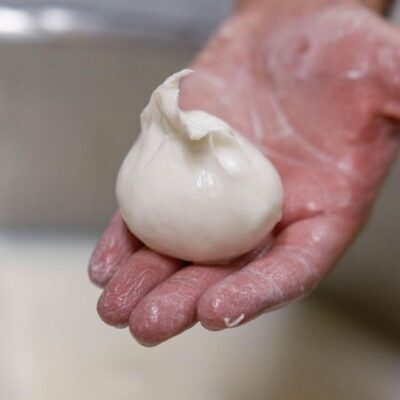
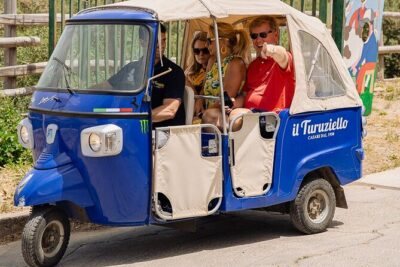
Sorrento Ape Tour, Lemon Garden, Mozzarella Show & Pizza Class
Read our review →Cheese lists with this tasting