
Review · SPAIN
Paella and Burnt Basque Cheesecake Cooking Class (in Bilbao)
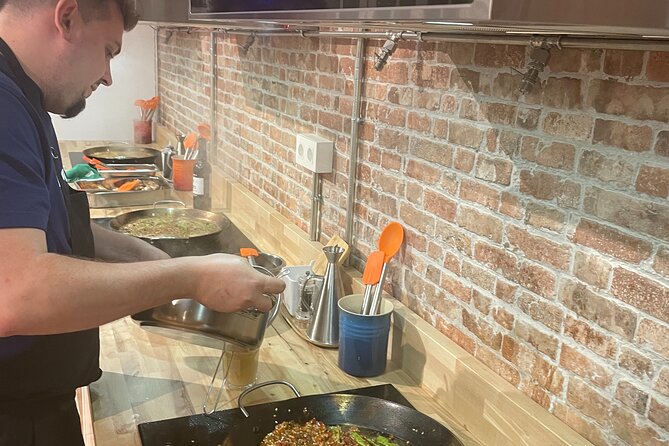
The best part of this Bilbao cooking class is that you do not just watch someone make paella. You help build the meal from the beginning, including the broths, rice, starters, and dessert. Chef Mikel, who has worked in several Michelin-starred restaurants, also adds practical kitchen tips, from chopping onions to handling bomba rice.
I like the small group of no more than 12 and the fact that the class ends with a full sit-down meal in a private dining room. I also like the unusual pairing of two paellas with Burnt Basque Cheesecake, a crustless dessert with a dark caramelized top. The main consideration is the price, $150.18 per person, which is a serious lunch bill even though wine, food, instruction, and recipes are included.
Key points to know before booking
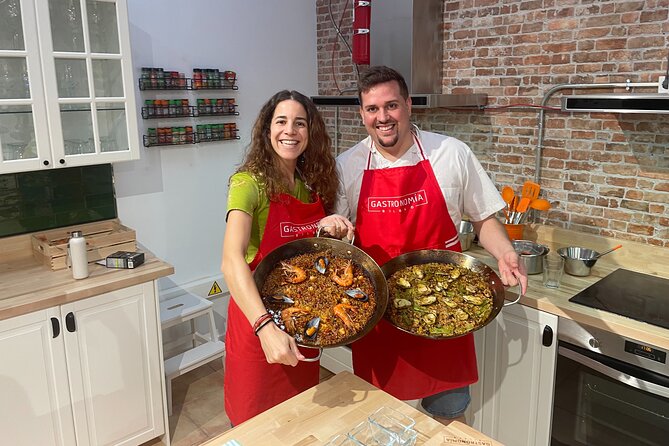
- Two paellas in one class: You prepare both a fish paella and a meat paella, with seafood and chicken-and-rabbit versions included in the cooking.
- Chef Mikel leads the class: Expect hands-on instruction, cooking tips, food stories, and guidance rather than a demonstration from a distance.
- A complete lunch is included: Starters, two main dishes, dessert, and three glasses of local wine make this a meal as well as a lesson.
- Burnt Basque Cheesecake is made from scratch: The high-temperature bake creates the signature dark top and soft, creamy center.
- The group is capped at 12: This keeps the class personal and gives you a better chance to ask questions.
- The class begins at 11 a.m.: Meet at Salbe pl., 6, in Bilbao, and return there when the activity ends.
Why this class is more than a paella demonstration
Many cooking classes give you a quick look at a recipe, then leave the real work to the chef. This one is designed differently. You take part in preparing several dishes, then sit down to eat what you helped make.
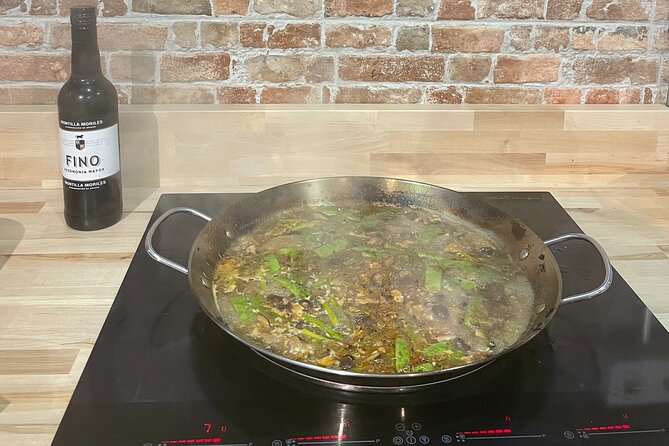
That matters with paella. The dish is not simply rice mixed with seafood or meat. The stock, onions, garlic, seasoning, and timing all affect the final result. The class includes instruction on chicken and shrimp broths, along with an introduction to bomba rice, the short-grain rice often used for paella. You get a better sense of why the dish works, not just a list of ingredients to copy at home.
The menu also gives you a useful taste of Spanish and Basque food together. Idiazabal cheese brings a local Basque note to the meal. Chorizo cooked in cider adds a hearty starter with a clear regional feel. Then the two paellas let you compare seafood and meat preparations side by side.
I like that the class does not stop at paella. Burnt Basque Cheesecake is now popular far beyond northern Spain, but making it yourself explains the appeal. It has no crust, and the high-temperature baking creates a browned, almost burnt-looking surface while the inside stays soft and creamy.
More pasta and cheese classes in Spain:
- Yarra Valley Grazing Tour Wine, Cheese, Gin, Pizza from Melbourne
★ 5.0 · 821 reviews - Authentic Farm Tour with Pizza, Cheese, Wine & Limoncello Tasting
★ 5.0 · 698 reviews - Sorrento Farm by Tuk Tuk: Cheese, Limoncello & Hands-On Pizza
★ 5.0 · 628 reviews
Arriving at Salbe pl. for an 11 a.m. start
The meeting point is Salbe pl., 6, 48007 Bilbao, and the start time is 11 a.m. You should allow enough time to arrive without rushing, since the first part of a cooking class often includes introductions, setup, and an explanation of the meal ahead.
The activity lasts about three hours and 30 minutes. That is long enough for several cooking stages and a proper meal, so you should plan it as your main lunch rather than as a short morning stop.
The class ends back at the meeting point. No separate transport is listed, and no sightseeing stops are built into the activity. That is useful to know if you are fitting it between museum visits, a cruise schedule, or other Bilbao plans.
The early start also makes sense for the menu. Paella needs time for preparation and cooking, and the final meal is intended to replace lunch. If you have a busy afternoon, the 11 a.m. start gives you a clear block of time rather than leaving you wondering when the meal will finish.
A bright kitchen and a small-group setup
The class takes place at Gastronomía Bilbao, a space described as having a bright, clean kitchen, a shop, and a wine tasting room. The setting is part of the appeal. Cooking in a purpose-built kitchen is more comfortable than trying to work around a crowded restaurant table.
A maximum of 12 people keeps the class from feeling like a lecture. You can expect a shared activity, with people working through the same menu and eating together afterward. The size also gives Mikel room to answer questions and correct techniques as you go.
That does not mean every moment will be private or tailored just to you. You are still part of a group, and some cooking steps may move at the pace of the class. If you want a private lesson or one-on-one culinary coaching, this is not presented that way. For most people, though, 12 is a sensible upper limit.
The atmosphere sounds relaxed and social. Several parts of the class are naturally suited to conversation, especially the shared starters, wine, and final meal. The format works well for couples, friends, families with an interest in cooking, and cruise passengers looking for a substantial shore excursion.
Starting with Idiazabal cheese and cider-cooked chorizo
The first dishes are simple, but they help set the regional tone. Idiazabal is a local Basque cheese, so it gives you a direct connection to the food culture around Bilbao before the more involved cooking begins.
The second starter is chorizo cooked in cider. This is a useful contrast: the cheese is served as a local product to taste, while the chorizo brings you into the kitchen with a cooked dish. You get a feel for how a familiar ingredient changes when prepared with cider.
The class also includes guidance on basic preparation. Specific instruction has included chopping onions and learning how to cook garlic and onions properly. Those may sound like small details, but they are the foundation of good paella. A class that explains those steps is more useful than one that rushes straight to the dramatic final pan.
You may also make or try sangria during the session, according to the details provided by the experience. The fixed drink offering is three glasses of local wine or non-alcoholic options during the meal. If you do not drink alcohol, you can still take part without needing to arrange your own alternative.
Same region, a different wheel:
- Tacoronte: Guided Winery Tour with Wine and Cheese Tastings
★ 4.6 · 481 reviews - Guided Visit to the Estrella Galicia Museum with Cheese Pairing
★ 5.0 · 218 reviews - Fuerteventura: Tickets to Salt, Cheese and Windmill Museums
★ 4.4 · 129 reviews - Tenerife Bodegas Monje Winery Tour with Wine and Cheese Tasting
★ 4.5 · 121 reviews
Preparing the two paellas
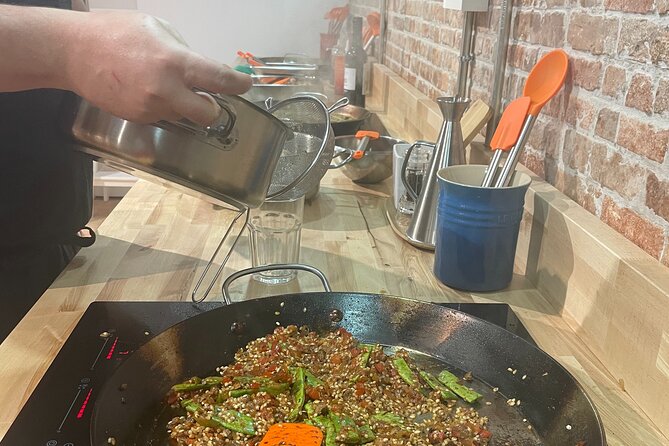
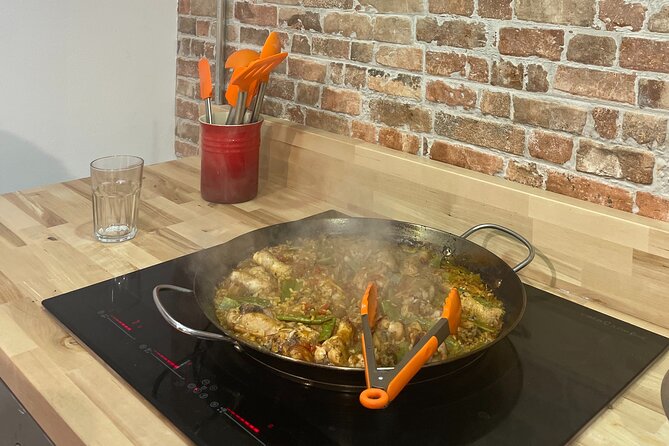
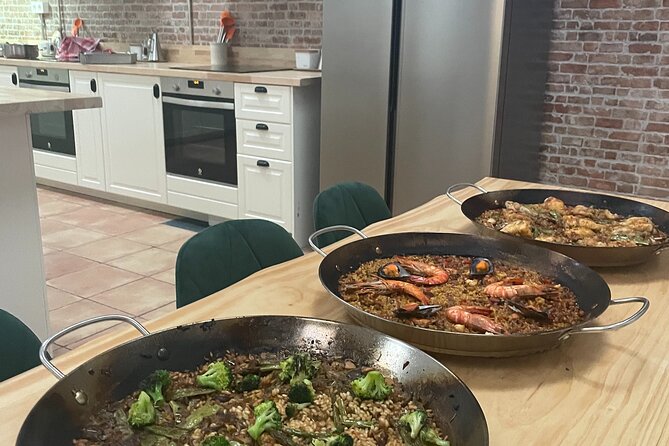
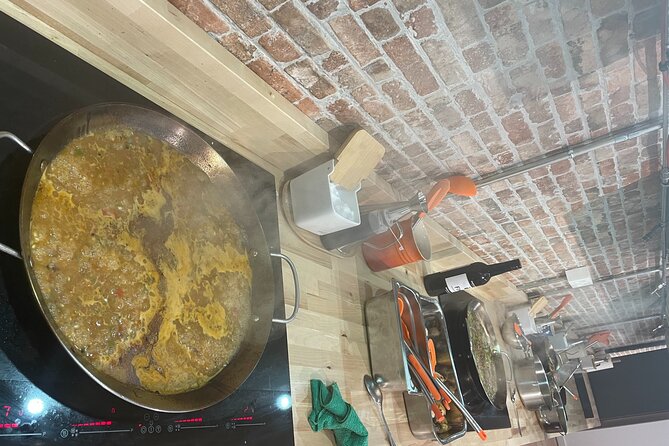
The main event is the preparation of two paellas: one fish or seafood version and one meat version. The meat dish has been described as chicken with rabbit, while the seafood preparation uses fish and shellfish elements.
Making both versions is one of the strongest reasons to choose this class. You are not limited to a single recipe, and you can compare the way meat stock and seafood stock shape the rice. The broth preparation is part of the learning, including chicken and shrimp broths.
Bomba rice is another useful detail. It is a rice variety associated with paella, and it behaves differently from ordinary long-grain rice. Learning how it absorbs stock helps explain why rice selection matters. You will also see how the cooking process depends on proportion and timing, not only on topping the pan with attractive ingredients.
The experience is hands-on, but the exact division of tasks may depend on the group and the stage of the recipe. You should expect to chop, prepare ingredients, follow cooking steps, and work under Mikel’s direction. You should not expect to leave with two large individual paellas. The meal is prepared for the class to share.
That shared format is a plus for anyone who wants a social class. It is less ideal if you are hoping to practice every step of every dish entirely on your own. The value here comes from guided participation and from eating the finished food together.
The Burnt Basque Cheesecake finale
Dessert is not an afterthought. You make Burnt Basque Cheesecake from scratch, using the high-temperature baking method that gives it a caramelized top and soft center.
The texture is the main lesson. The surface darkens dramatically, while the middle remains creamy. It can look overbaked before you cut into it, which is part of the charm. Seeing that transformation in person makes the recipe easier to remember.
One particularly appealing detail is that the cheesecake recipe is described as Mikel’s personal recipe. You receive e-recipes after the class, so you have a practical chance to repeat the dishes at home. The recipes are more useful because you have already watched the key techniques and tasted the result.
There is also a memorable bread-and-custard quality to the dessert described in the class details, with brioche becoming a soft custard beneath the crisp top. You should expect a rich, creamy finish rather than a light fruit dessert.
Sitting down to eat everything you made
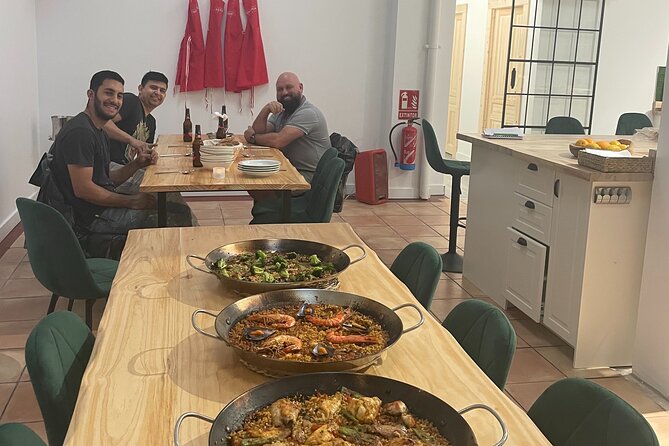
After the cooking, you move to one of the private dining rooms and eat the menu. This is where the three-and-a-half-hour schedule pays off. You are not simply handed a small tasting plate after a quick lesson. You sit down to a meal built around the work of the morning.
The planned food includes Idiazabal cheese, cider-cooked chorizo, seafood paella, meat paella, and Burnt Basque Cheesecake. Three glasses of local wine are included, with non-alcoholic choices available. Since the class is scheduled around lunch, you should not need to plan another meal afterward.
I like this approach because it gives you time to notice the differences between the dishes. You can compare the two rice preparations, return to the starters, and see how the dessert fits into a full Spanish-style meal.
The meal also gives Mikel room to talk about ingredients, preparation, and local food customs. His teaching style has been described as friendly, entertaining, and full of useful advice. That may be just as valuable as the recipes, especially if you want to understand how to cook with more confidence rather than memorize one fixed menu.
What the $150.18 price includes
At $150.18 per person, this is not a budget lunch. The price is easier to justify when you count everything included: about three and a half hours of instruction, all ingredients, cooking equipment, an apron, three glasses of wine or non-alcoholic drinks, a multi-course meal, and e-recipes.
You are also paying for the small group and the setting. A class capped at 12 people can offer more contact with the chef than a large demonstration. The meal itself covers starters, two main dishes, and dessert, so the food portion is substantial.
Still, I would not call it a bargain. If you mainly want to taste paella, you can spend much less at a restaurant. This class makes sense when you want the social time, the cooking practice, the stories, and the chance to recreate the food afterward.
It is also a good value for a special occasion or a cruise day in Bilbao. The full meal means you get a clear activity rather than paying separately for lunch and a shorter cooking demonstration. On the other hand, someone with little interest in cooking may find the price hard to support.
The class is often reserved around 45 days ahead. That suggests you should not leave it until the last moment, especially if your Bilbao visit falls during a busy period or your schedule is fixed by a cruise departure.
Who will enjoy this Bilbao cooking class
I would choose this class if you like food but do not need a formal culinary school lesson. You get real participation, but the tone is meant to be friendly and social rather than demanding.
It suits:
- Couples and friends who want a shared lunch with a local food theme.
- Cruise passengers looking for a substantial excursion with a fixed start and return point.
- Home cooks who want to improve their paella technique and receive recipes afterward.
- Food-focused families whose children or older teens are comfortable taking part in kitchen work, though the supplied details do not specify age requirements.
- Wine drinkers and non-drinkers alike, since non-alcoholic options are available.
- People curious about Basque food, especially those who want more than restaurant dining.
I would hesitate if you dislike group activities, need a fully private class, or want a short stop of less than two hours. The class is built around participation and a long shared meal, so you need to give it most of the late morning and early afternoon.
The menu is also not described as vegetarian, vegan, gluten-free, or allergy-adapted. If you have dietary restrictions, ask the provider before booking rather than assuming the recipes can be changed.
Practical booking details and cancellation
Confirmation is provided at booking, and the experience is offered in English. The mobile ticket is convenient for a day of sightseeing, and the activity returns to the meeting point at Salbe pl., 6.
You can cancel for a full refund up to 24 hours before the local start time. Cancellations or changes made less than 24 hours ahead are not refunded or accepted. The class also requires a minimum number of participants, so if it is canceled for that reason, you are offered another date or experience, or a full refund.
Since the class is commonly booked well ahead, I would reserve once your Bilbao schedule is firm. That is especially important if you need the 11 a.m. start to fit around a ship or another timed visit.
Should you book it?
Book this class if you want Bilbao through its food, enjoy getting your hands involved, and value a proper meal at the end. The strongest reasons are the small group, Mikel’s practical teaching, the chance to prepare two kinds of paella, and the memorable Burnt Basque Cheesecake.
Skip it if you only want a quick tasting, need a low-cost lunch, or prefer to keep your day open. At $150.18, the class asks you to pay for instruction and time, not just food.
For a food-minded visit, I think the format earns its place on a Bilbao schedule. You leave with a full lunch, a set of recipes, and a clearer idea of why good paella depends on stock, rice, and patient preparation.
FAQ
Where does the cooking class begin?
The class begins at Salbe pl., 6, 48007 Bilbao, Bizkaia, Spain.
What time does the class start?
The scheduled start time is 11 a.m.
How long does the activity last?
The cooking class lasts approximately three hours and 30 minutes.
How many people can join the class?
The class has a maximum of 12 participants.
What food will I prepare?
You will prepare Idiazabal cheese and chorizo cooked in cider, a seafood paella, a meat paella, and Burnt Basque Cheesecake. The meat paella may include chicken and rabbit.
Are drinks and cooking supplies included?
Yes. The price includes ingredients, materials, an apron, and e-recipes. You also receive three glasses of local wine during the meal, with non-alcoholic options available.
Freshly cut around Spain
- Cheese Factory Workshop with Wine Tasting in Requena, Valencia★ 4.5 · 3 reviews
- Guided Tour Montesdeoca Cheese Factory – Cheese and Wine Tasting★ 4.5 · 6 reviews
- Hike the Cork Oak trail and try some Delicious Cheese★ 5.0 · 12 reviews
- Discover the Art of Idiazabal Cheese in the Basque Country★ 4.5 · 9 reviews
- Private Basque Cheese & Txakoli Wine Tour from San Sebastian★ 5.0 · 20 reviews
- Menorca: Cheesemaking and Farm-Fresh Product Tasting★ 5.0 · 29 reviews
- Madrid Bike Tour with Churros and Wine, Ham, and Cheese Upgrade★ 5.0 · 8 reviews
- Mallorca Wine and Cheese Tasting★ 5.0 · 29 reviews
Pasta and Cheese Cooking Classes, plate by plate.
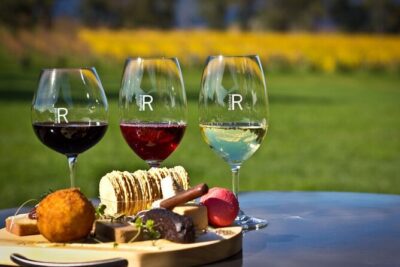
Yarra Valley Grazing Tour Wine, Cheese, Gin, Pizza from Melbourne
Read our review →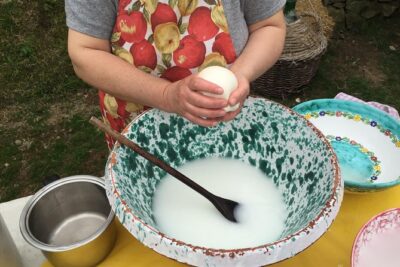
Authentic Farm Tour with Pizza, Cheese, Wine & Limoncello Tasting
Read our review →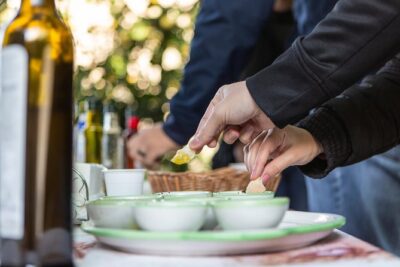
Sorrento Farm by Tuk Tuk: Cheese, Limoncello & Hands-On Pizza
Read our review →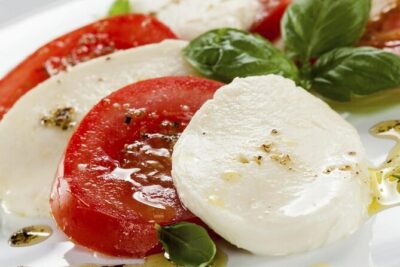
Yarra Valley Full Day Grazing Tour: Gin, Wine, Pizza, Cheese
Read our review →
Cheese lists with this tasting