
Review · FRANCE
Private tasting of Savoie cheese and wine in Chamonix
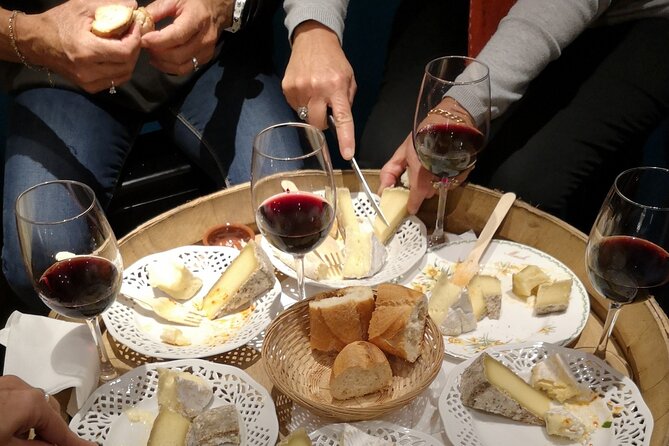
The best part of this Chamonix experience is the close match between Savoie cheese and local wine. Your guide prepares the pairings in advance, then leads you through them in a deliberate order, explaining the products and asking you to identify the aromas. I like that the session teaches you how to taste, not just what to eat. I also like that it is private, so your group can ask questions and set its own pace.
The main drawback is the price: $332.66 per person is a serious spend for about two hours, especially if you are not keen on both cheese and wine. The experience offers group discounts, but you should check the final rate for your party before booking. If you need an invoice for business expenses, confirm that point in advance.
Key points at a glance
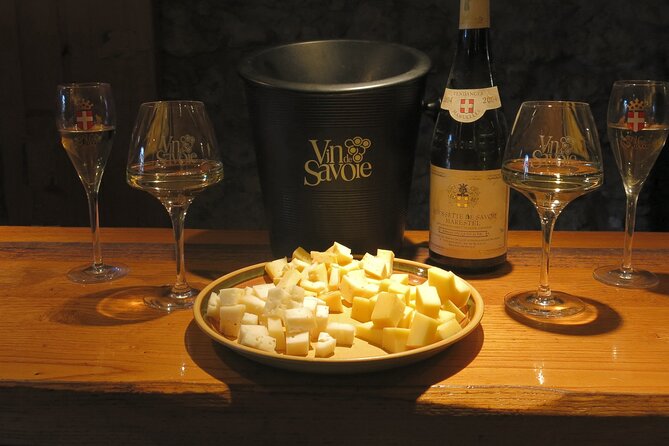
- A private tasting in central Chamonix: Only your group takes part, and the experience begins and ends at the Chamonix Centre-ville meeting point.
- Classic Savoie cheeses: Expect Tomme, Beaufort, Abondance, and Reblochon, each tied to local farming and food traditions.
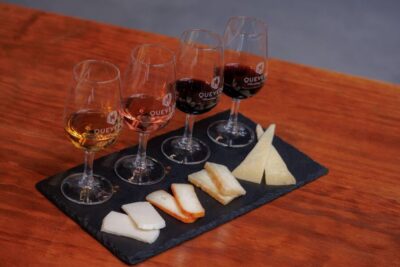
- Regional wines with a purpose: Chignin-Bergeron, Altesse, and Pinot Noir are paired with the cheeses rather than served at random.
- Nearly two hours of guided tasting: You learn about aromas, production methods, origins, and the order of tasting.
- A lesson as well as a meal: The guide explains why each cheese and wine works together and encourages you to test your own palate.
- Flexible booking terms: Free cancellation is available up to 24 hours before the start time, subject to the stated conditions.
Why Savoie cheese belongs on your Chamonix itinerary
Chamonix is best known for Mont Blanc, cable cars, mountain walks, and snow sports. Yet the local food tells you just as much about the region as its peaks do. Savoie cuisine grew from mountain farming, with cheeses made to preserve milk and wines shaped by cool Alpine conditions.
That makes this tasting a useful change of pace. You are not simply eating a plate of French cheese. You are looking at several products from the same broad region and learning how climate, farming, aging, and production methods affect the final taste.
The selection gives you a good spread. Tomme is a familiar Alpine-style cheese, while Beaufort is one of the region’s best-known names. Abondance and Reblochon add their own textures and flavors. The point is not to memorize labels. It is to notice how each cheese behaves beside a different wine.
I particularly like that the experience treats Savoie food as a living part of the area, not as a decorative extra for tourists. You get a taste of the food behind dishes associated with the Alps, along with some background on the people and methods that produce it.
More Wine and Cheese Tastings in France
- Paris: Montmartre Cheese, Wine & Pastry Guided Walking Tour
★ 4.8 · 2,255 reviews - Private Montmartre Food Tour with Wine, Cheese & Pastries
★ 5.0 · 1,027 reviews - Paris Le Marais Food Tour With 10+ Tastings, Cheese, Wine & More
★ 5.0 · 985 reviews
The tasting order makes the two hours work
Your guide prepares the tasting before you arrive and decides the order in which the pairings should be served. That small detail matters. Wine and cheese can easily blur together if everything arrives at once, but a planned sequence gives your palate a clearer path.
As each pairing comes up, the guide introduces the cheese and wine, explains where they come from, and asks you to consider the aromas you detect. You might notice fruit, floral notes, earth, spice, or a firmer dairy character, though the exact impressions will depend on your palate.
You do not need to arrive with technical wine knowledge. The format is designed for enthusiasts and beginners alike. If you already know your way around a tasting glass, you can ask more detailed questions. If you are new to the subject, the guide gives you a simple way to pay attention without turning the session into a lecture.
The sequence also helps you understand the guide’s main lesson: a pairing works because of balance. A cheese may soften a wine, bring out its fruit, or make its acidity feel brighter. A wine can do the same for cheese, changing how you experience its salt, texture, or finish.
This is why the experience has more value than a casual wine-and-cheese snack. You leave with a method you can use later. At a shop or restaurant, you will have a better idea of why a particular bottle might suit a particular cheese.
Tomme, Beaufort, Abondance, and Reblochon
The cheese list gives this tasting a clear regional identity. You are not being served a generic selection of famous French cheeses from across the country. The focus is on Savoie and nearby Alpine traditions.
Tomme is often a good starting point because it introduces the earthy, mountain-style character associated with many local cheeses. Beaufort gives you a chance to consider a firmer cheese with a more pronounced finish. Abondance and Reblochon add variety, so the session is not built around one texture or level of intensity.
The guide also explains how the products are made. That could include information about production techniques, origins, and the history of the local food tradition. The supplied details do not specify every farm, cellar, or producer you will visit, so do not book this expecting a farm tour or a visit to a cheese-making facility.
Instead, think of it as a seated tasting with cultural context. You get the useful part of a food lesson without spending the day driving between producers. That suits you if your Chamonix schedule is already full of mountain activities.
One practical point: this is a tasting, not a full meal. Cheese can be filling, but the experience is built around comparing small pairings and learning how they work. If you are hungry, plan another meal separately.
Chignin-Bergeron, Altesse, and Pinot Noir
The wine selection covers several styles of Savoie wine. Chignin-Bergeron and Altesse give the tasting a chance to explore local white wines, while Pinot Noir provides a red wine comparison.
The value here is the connection between the bottle and the cheese. You are not just sampling wines from a list. The guide explains why each wine was matched with a particular cheese and helps you look for the aromas that make the pairing successful.
Savoie wines may be less familiar to you than bottles from Bordeaux, Burgundy, or the Rhône. That is part of the appeal. A tasting like this gives you a practical introduction to a regional wine culture that many visitors might otherwise miss.
The session can also help you decide what to order during the rest of your stay. If you find that you prefer the white wines, you may want to look for them on a local menu. If the Pinot Noir suits your taste more closely, you have learned that Savoie is not limited to whites.
The description promises delicate aromas and an explanation of the local terroir. In plain terms, that means the guide links the wine to its place, production, and regional character. You should expect interpretation, not just pours.
Same region, a different wheel:
- Paris: Wine and Cheese Lunch
★ 4.9 · 596 reviews - Cheese & Wine Tasting in Montmartre with Local Cheesemonger
★ 5.0 · 470 reviews - French Wine, Champagne And Cheese Tasting Paris SECRET WINE DOOR
★ 5.0 · 464 reviews - Paris Wine Tasting plus Cheese Lunch with an Expert Sommelier
★ 5.0 · 424 reviews
A private format with room for questions
Because this is a private activity, only your group participates. That is useful if you want to ask basic questions without feeling self-conscious, or if your party has different levels of interest in wine.
A private format can also make the tasting feel less rushed. The guide can spend more time on a cheese your group likes, explain an unfamiliar aroma, or answer questions about production. The exact pace still depends on the guide and your group, but you are not sharing the session with a large public crowd.
This setup is especially suitable for couples, families with adult children, and small groups marking a special occasion. It may also work well for colleagues, though the invoice issue deserves attention if you are booking for a company.
The private arrangement is one reason the price deserves a careful look. At $332.66 per person, this is not a bargain snack. You are paying for the guide’s time, the private setting, the selection of food and wine, and the explanation that ties everything together.
If you have a large group, ask about the available group discount. That could improve the value, though the supplied information does not state the discount amount or the minimum group size. Compare the final total with what you would spend on a good meal and several bottles of wine, but remember that a restaurant meal will not normally include this level of guided instruction.
Meeting in central Chamonix
The activity begins in Chamonix Centre-ville, at 74400 Chamonix-Mont-Blanc, and ends back at the meeting point. That simple arrangement keeps the logistics manageable. You do not need to plan a separate transfer to a remote vineyard or village.
The meeting point is near public transportation, which is useful if you are staying elsewhere in Chamonix or arriving without a car. The exact meeting instructions should be checked after booking, since confirmation is issued within 48 hours and remains subject to availability.
The central setting also makes this easy to place between other plans. You could schedule it on a day when the weather is poor, or use it as a slower afternoon after outdoor activities. The duration is about two hours, so it fits more easily into a short stay than a full-day food excursion.
Do not expect mountain transport, a vineyard walk, or a scenic drive to be part of the experience. The supplied details describe a tasting in town, not a tour through the countryside. That is a limitation if you want a broader food trip, but an advantage if you want a focused activity without extra travel.
Who will enjoy this Savoie tasting most
I would recommend this experience to you if you enjoy learning through food, especially if you like hearing the reason behind a pairing. It suits curious beginners because the guide introduces tasting methods in approachable terms.
It is also a good fit for people who have already visited Chamonix’s main sights. After a day focused on views and outdoor activity, the cheese and wine session gives you a different way to connect with the region.
You will probably get the most from it if you enjoy trying several styles rather than seeking one favorite bottle. The planned order encourages comparison, so an open mind matters more than a developed palate.
I would think twice if you dislike cheese, rarely drink wine, or want a large meal. I would also question the price if you are traveling on a tight budget and could enjoy local products on your own. The private guide is the central benefit, and you should be willing to pay for that personal attention.
The tasting may not suit children or anyone who does not drink alcohol, though the available details do not set an age rule or describe non-alcoholic substitutes. Ask the provider directly if that matters to your group.
The price and what you receive
At $332.66 per person, the cost is high for a two-hour activity. The included services are cheese tasting, wine tasting, and a wine specialist. Personal expenses are not included.
I see the value in three parts. First, the tasting is private. Second, the guide does the work of selecting and ordering the pairings. Third, you receive instruction about aromas, production, origins, and regional food traditions.
Still, the price may feel hard to justify if you mainly want a quick bite. You are not paying for a long itinerary or several attractions. You are paying for a concentrated food lesson with premium regional products and a private guide.
Group discounts could make the experience more reasonable for a party, but the amount is not provided. I would check that before making a decision rather than assuming the discount will be substantial.
One practical warning concerns paperwork. A business booking may not automatically come with an invoice, so ask Agence 1786 about documentation before paying if you need to claim the cost.
Booking, confirmation, and cancellation
Confirmation is sent within 48 hours of booking, subject to availability. Since the activity is private and often booked well ahead, it is sensible to avoid leaving this until the last day of your Chamonix stay.
The average booking lead time is 92 days. That does not mean you must book three months ahead, but it does suggest that advance planning is common. If your visit falls in a busy season, booking early gives you a better chance of getting the date and time you want.
You can cancel for a full refund up to 24 hours before the experience starts. Cancellations made less than 24 hours before the start time are not refunded, and changes inside that same window are not accepted. The cut-off follows local time in Chamonix.
Should you book this experience?
Book it if you want a private, guided introduction to Savoie food and wine, and if the price fits your budget. The strongest reasons are the thoughtful pairing order, the focus on regional cheeses and wines, and the chance to ask questions in a small setting.
Skip it if you are looking for a full meal, a vineyard excursion, or a low-cost way to sample local products. You can also skip it if your group is not interested in wine or if the invoice question matters and the provider cannot meet your needs.
For the right audience, this is a pleasant two-hour pause from Chamonix’s outdoor schedule. It gives you a better understanding of what people eat and drink around Mont Blanc, with enough practical tasting advice to remain useful after you leave.
FAQ
Where does the tasting begin?
The experience begins at Chamonix Centre-ville, 74400 Chamonix-Mont-Blanc, France.
Where does the activity end?
It ends back at the meeting point in Chamonix Centre-ville.
How long does the experience last?
The tasting lasts approximately two hours.
Is this a private activity?
Yes. Only your group participates in the activity.
What is included?
Cheese tasting, wine tasting, and the services of a wine specialist are included.
Are personal expenses included?
No. Personal expenses are not included.
Which cheeses might I taste?
The tasting may include Tomme, Beaufort, Abondance, and Reblochon.
Which wines might I taste?
The listed wines include Chignin-Bergeron, Altesse, and Pinot Noir.
Is the meeting point near public transportation?
Yes. The meeting point is described as being near public transportation.
Can I cancel for a full refund?
Yes, if you cancel at least 24 hours before the experience start time. Cancellations made less than 24 hours before the start time are not refunded.
Freshly cut around France
- Wine Masterclass & Cheese Tasting Workshop in Bordeaux★ 5.0 · 2 reviews
- Paris: Wine and Cheese Pairing★ 5.0 · 4 reviews
- Wine, Cheese and Charcuterie tasting★ 4.9 · 17 reviews
- Wine and Cheese experience★ 4.5 · 18 reviews
- Cheese food-tour through downtown Toulouse★ 4.5 · 7 reviews
- Wine and Cheese Tasting★ 4.5 · 17 reviews
- French Wine and Cheese Master Class Near the Eiffel Tower★ 5.0 · 6 reviews
- Paris Wine and Cheese Tastings Class near Le Marais★ 5.0 · 4 reviews
Wine and Cheese Tastings, plate by plate.
Paris: Montmartre Cheese, Wine & Pastry Guided Walking Tour
Read our review →
Paris Le Marais Food Tour With 10+ Tastings, Cheese, Wine & More
Read our review →Cheese lists with this tasting