
Review · AMALFI
Amalfi: Make tagliatelle, mozzarella and tiramisù
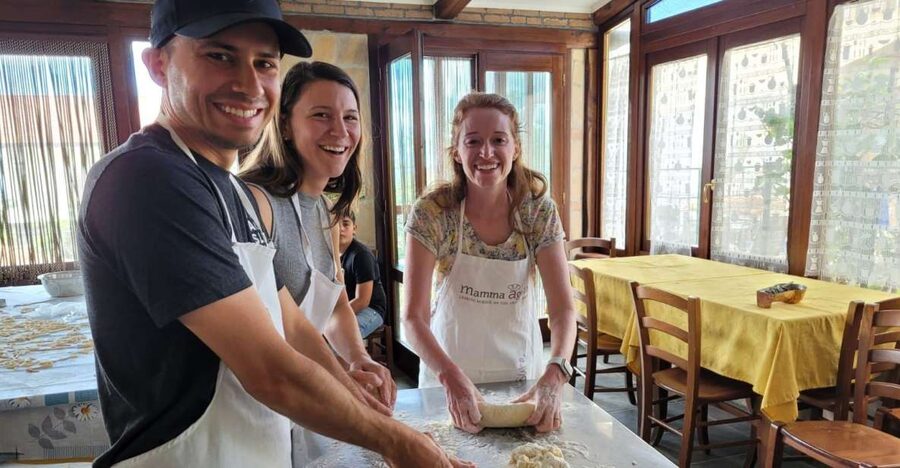
The best part of this Amalfi cooking class is the setting: a real family farm with animals, a vegetable garden, and broad views toward the coast. Valentino and his family lead you through recipes tied to daily farm life, not just a staged kitchen lesson. I like the chance to make fresh tagliatelle from garden produce and then turn milk from Bianca the cow into mozzarella.
I also like that the class includes wine from the farm and the meal you prepare, so the three hours feel like a full visit rather than a quick demonstration. The main consideration is the farm’s somewhat remote location. If you are relying on the bus, allow extra time, and remember that the class runs rain or shine.
Key points to know before booking
- Meet Bianca the cow: The mozzarella lesson uses milk from the farm’s own cow, adding a memorable link between the animals and the food.
- Learn three Italian staples: You prepare tiramisù, fresh tagliatelle, and mozzarella during one three-hour session.
- Cook with Valentino and his family: The family welcomes you to the farm and shares recipes connected to their garden and household.
- Taste wine made on the farm: Wine is served during the class and with the food you prepare.
- Expect a country setting above Amalfi: The farm offers coastal views, but its distance from the main tourist route affects transport planning.
- Rain does not cancel the experience: Bring comfortable clothes and be ready to attend in any weather.
A farm visit rather than a restaurant lesson
Many cooking classes in Italy take place in a city kitchen, where you learn a dish and leave. This one begins outside that kitchen world. Valentino and his family welcome you to a centuries-old farm cared for by his parents, with a special connection to his grandmother Maria.
You first get a look at the farm and its vegetable garden. That matters because the food lesson is tied to the place itself. You are not simply mixing ingredients from a supermarket. The fresh pasta uses products from the garden, and the visit lets you see the setting that supports the meal.
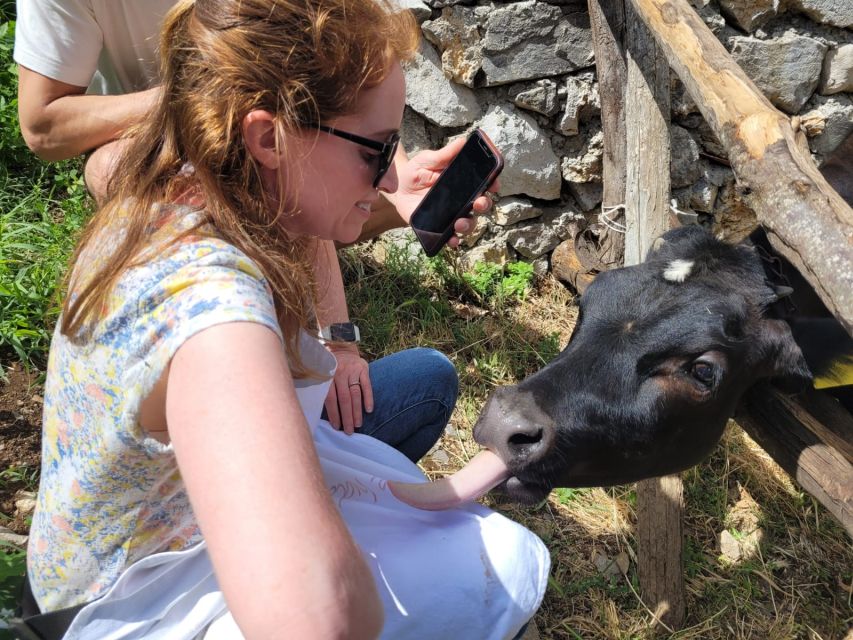
The farm also has animals, including Bianca, the cow whose milk is used for the mozzarella lesson. That detail gives the class a clear sense of place. You can connect the finished cheese to the animal and the farm, rather than treating mozzarella as an abstract recipe.
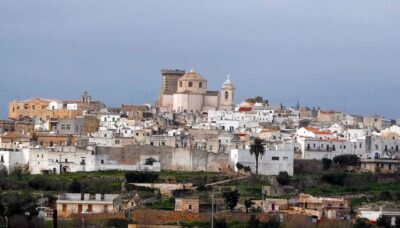
The setting is one of the main reasons to choose this activity. You get views toward the Amalfi Coast, along with a rural side of the area that many people miss when they stay on the coastal road. At the same time, this is not the easiest stop to add casually between ferry rides and town sightseeing. The farm is somewhat removed, so plan the transport before booking.
More mozzarella and buffalo dairies in Italy:
- Cooking class with Pasta, mozzarella and Tiramisu with wine
★ 5.0 · 549 reviews - Amalfi: Make Fresh Pasta, Mozzarella & Tiramisù with wine
★ 5.0 · 503 reviews - Amalfi: Prepare fresh pasta, mozzarella and tiramisu
★ 5.0 · 315 reviews
Starting with tiramisù and a glass of farm wine
The class begins with tiramisù. This is a useful first dish because it can be prepared while you move on to other tasks. Valentino and his family explain the method and share the details that help the dessert come together properly.
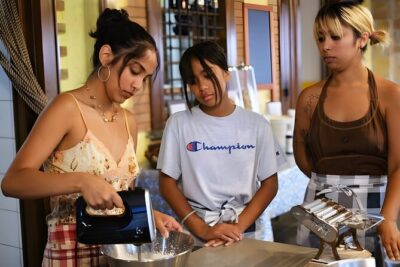
The lesson is hands-on, so you should expect to take part rather than watch a chef do all the work. The supplied details do not give a full recipe or list every step, but the focus is on preparing the dessert together and learning the secrets behind a good result.
Wine from the farm is served during this part of the class. It helps set a relaxed tone and gives you a taste of something made locally, not just a standard restaurant pour. The wine is also included in the price, which makes the overall value stronger.
One note from the experience: music is part of the atmosphere, and Valentino has been described as generous with the wine and good at involving everyone in the work. That is useful if you want a social class instead of a quiet technical workshop. The exact mood will depend on the group, but the format clearly leaves room for conversation and shared preparation.
Making tagliatelle with produce from the garden
Next comes the fresh pasta. The class focuses on tagliatelle, a practical choice for beginners because the shape is familiar and the finished dish is easy to eat together at the end.
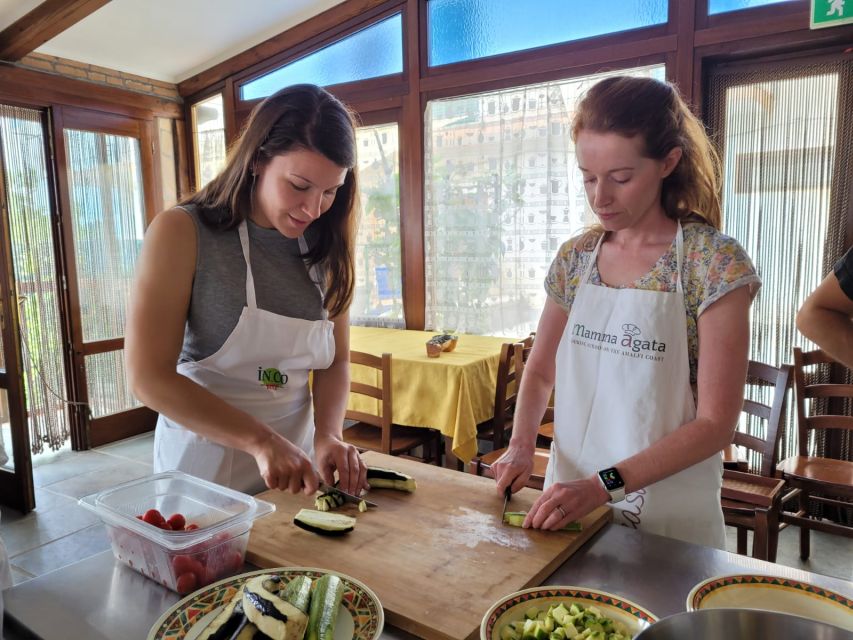
The important detail is where the ingredients come from. The pasta is prepared using products from the farm’s garden, tying the lesson to the land around you. You get more than a standard pasta-making exercise because the family can explain how garden produce fits into Amalfitan cooking.
Fresh pasta also rewards participation. You will have a chance to work with the dough and help shape the tagliatelle, rather than simply receiving a plate prepared by someone else. If you enjoy food classes for the physical work as much as the meal, this is likely to be one of the strongest parts.
The class is conducted in English and Italian. That gives English-speaking participants a clear way to follow along, while the bilingual setting keeps the experience connected to the family’s local life. It is wise to wear comfortable clothes, since the activity involves cooking and moving around the farm.
The available information does not specify the class size, the exact menu for the pasta, or the full sequence of pasta techniques. I would not book this expecting an advanced chef-training session. The value is in learning a few useful dishes in a family setting and eating what you help make.
Turning Bianca’s milk into mozzarella
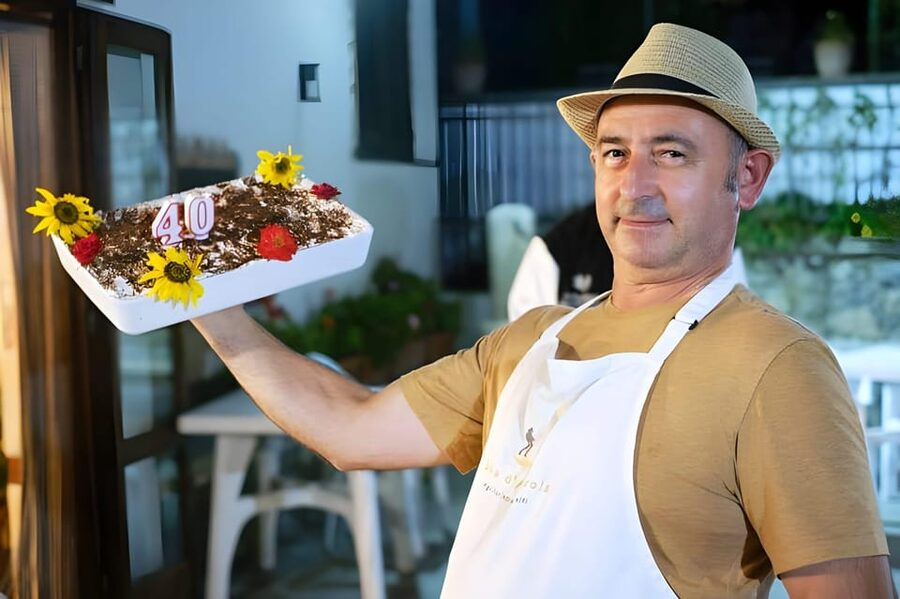
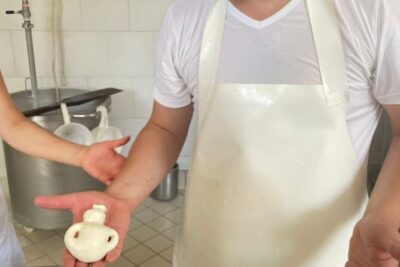
The mozzarella lesson gives the class its most distinctive detail. The cheese is prepared with milk from Bianca, the family’s cow. Meeting the animals first and then working with one of the farm’s products makes the lesson feel connected from beginning to end.
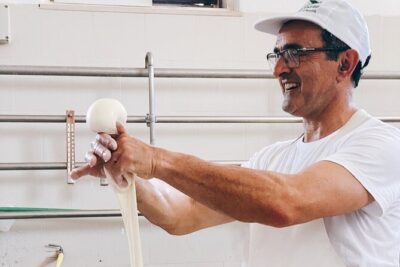
Mozzarella can look simple on a plate, but shaping it yourself gives you a better sense of the work behind it. You will have the chance to take part in preparing the cheese, with the family guiding the process. The description does not promise a long technical demonstration, so think of this as an accessible introduction rather than a professional cheesemaking course.
I especially like this part for families and food lovers who want a story to take home with the recipe. You can remember Bianca, the farm, and the view when you think about the mozzarella later. That is more personal than buying the same cheese at a market.
The animals are part of the visit, but this is still primarily a cooking class. If your main goal is a farm tour, note that the animal meeting is one part of the three-hour experience, not a separate extended activity. The class keeps moving through several dishes.
More pasta and cheese classes in Italy:
- Authentic Farm Tour with Pizza, Cheese, Wine & Limoncello Tasting
★ 5.0 · 698 reviews - Sorrento Farm by Tuk Tuk: Cheese, Limoncello & Hands-On Pizza
★ 5.0 · 628 reviews - Sorrento: Farm Tour with Cheese Tasting & Pizza Making Class
★ 5.0 · 503 reviews - Amalfi: Make Fresh Pasta, Mozzarella, & Tiramisù with Wine
★ 5.0 · 305 reviews
Eating the meal you prepared together
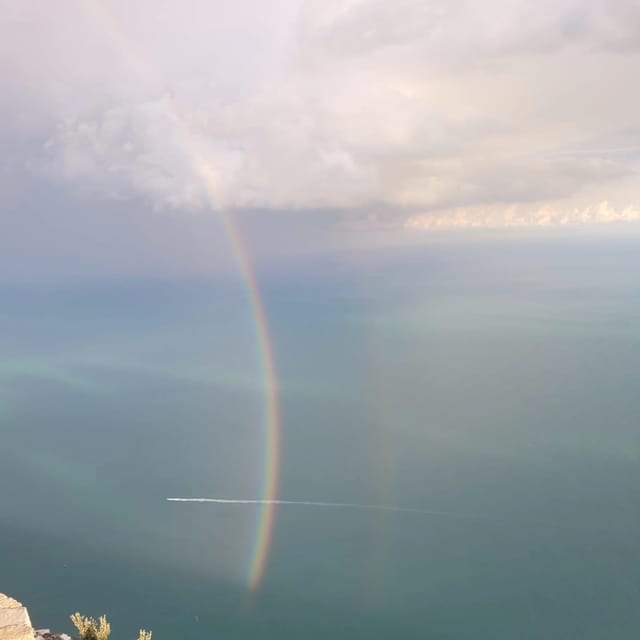
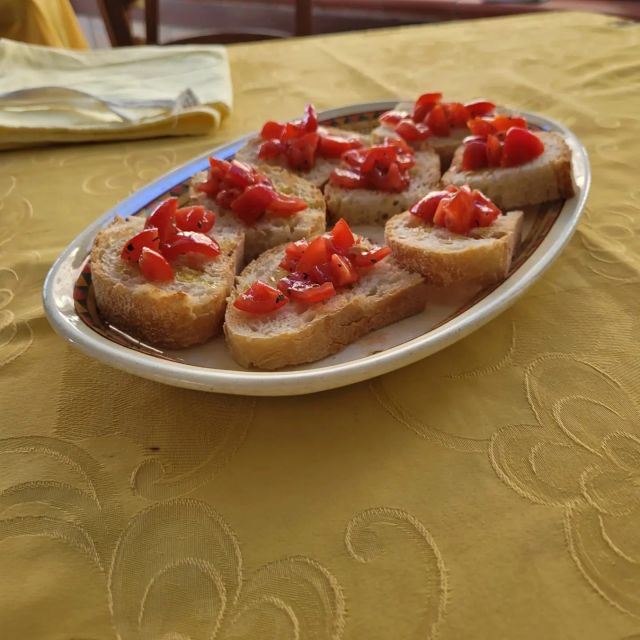
At the end, you taste everything made during the class. That includes the tiramisù, tagliatelle, and mozzarella, along with the farm wine. The meal is included, so you do not need to plan a separate lunch or dinner immediately afterward.
This final meal is important for two reasons. First, you get to see how the separate lessons fit together. Second, it gives you time to slow down and enjoy the farm setting after the hands-on work.
The menu is set by the class rather than chosen from a restaurant menu. That keeps the experience focused and simple, but it also means you should not expect a broad selection of alternatives. The supplied details do not state how dietary needs are handled, so ask before booking if you have allergies or strict food restrictions.
At $71 per person, the value depends on how you measure a cooking class. You are paying for three hours of instruction, a farm visit, an animal meeting, wine, and a complete meal. Compared with a short pasta demonstration in a central town, that is a fair package.
The price is less compelling if you only want to learn one dish or if the farm is difficult for you to reach. Here, part of what you are buying is the setting and the family welcome. The farther you travel from the coast to reach the farm, the more important it is that you want the rural experience too.
Getting to a farm above the Amalfi Coast
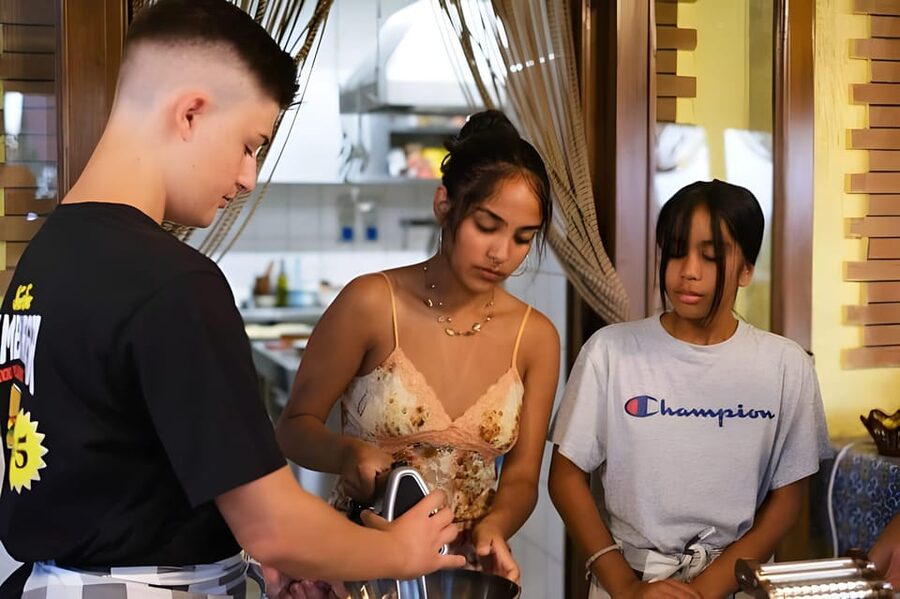
Hotel pickup and drop-off are not included, though they can be arranged for a set price. That gives you flexibility, but it also means transport is your responsibility unless you add the transfer option.
The farm is described as somewhat remote. One booking arrived late because of a bus, and Valentino accepted the delay with understanding. That is a kind sign, but you should not rely on a late arrival being harmless every time. Public transport on the Amalfi Coast can take longer than expected, especially when roads are busy.
A practical plan is to check the class start time and the available bus connection before you reserve. Leave room for delays, and confirm where you need to get off. If you prefer not to manage the journey, ask about the paid pickup and drop-off option.
The trip to the farm can also be part of the appeal. You see an area that you might otherwise skip, and the drive offers a different view of the Amalfi region. Still, this is not a convenient choice for a tightly packed day. Give the class its full three hours, plus transport time.
Weather, clothing, and the pace of the class
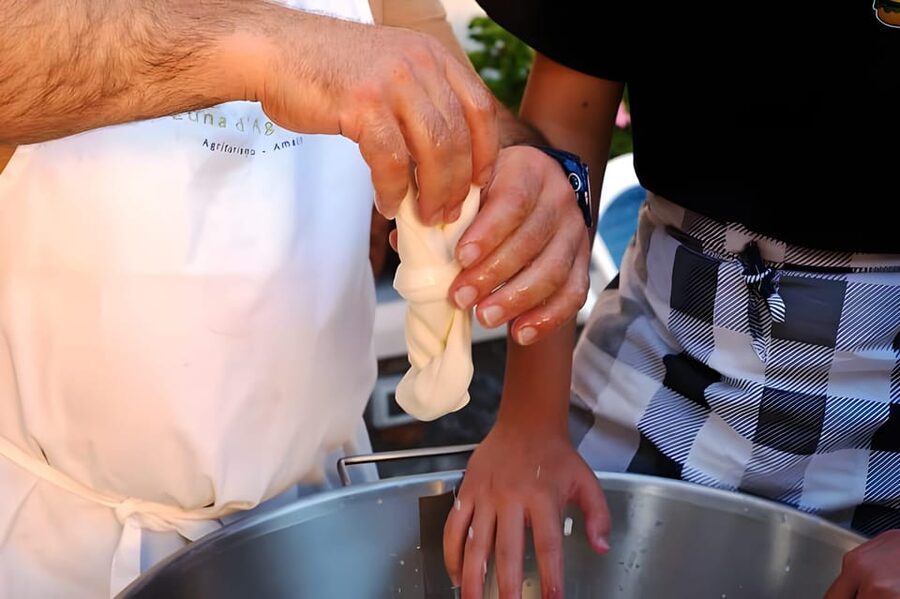
The activity takes place rain or shine. Comfortable clothes are the only stated item to bring, but that advice matters here because you are visiting a working farm and taking part in food preparation.
On a clear day, the coastal views should be a major part of the visit. In poor weather, the farm setting will feel different, and outdoor portions may be less pleasant. The class still goes ahead, so check the forecast and dress in a way that lets you stay comfortable.
The three-hour duration gives enough time for several dishes without turning the class into a full-day commitment. You will move from tiramisù to pasta to mozzarella, with wine and the final meal included. The pace sounds social and active rather than rushed.
The instructors speak English and Italian. Valentino is the main named host, with his family helping guide the visit. His grandmother Maria is part of the story of the farm, which adds a personal family thread to the experience, even though the details do not say exactly which parts she leads herself.
Who will enjoy this Amalfi cooking class
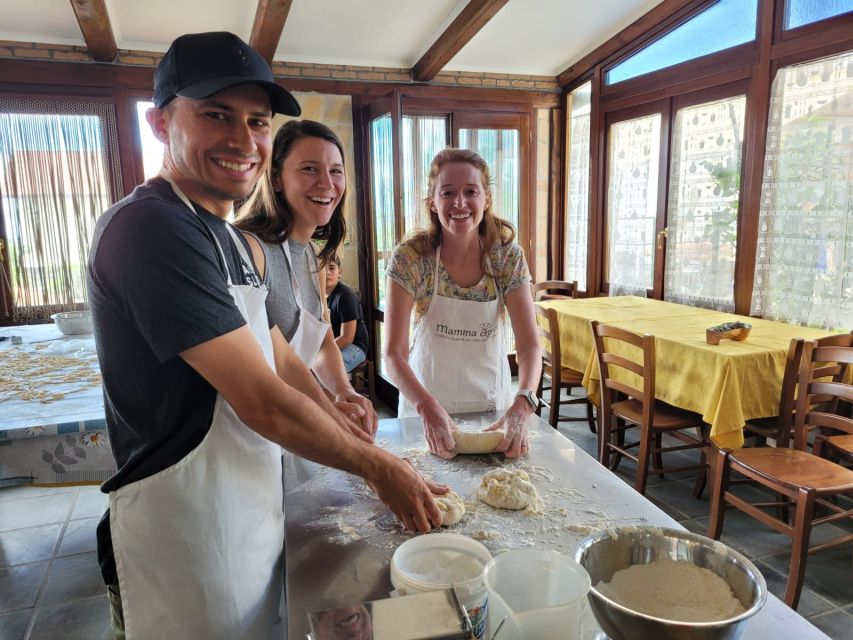
I would choose this class if you want food, scenery, and family contact in one outing. It suits people who enjoy learning by doing and who would rather visit a farm than sit in a polished cooking studio.
It is also a good fit for couples, families, and small groups looking for a shared activity. Meeting the animals and making mozzarella from Bianca’s milk gives the class a playful side, while the tagliatelle and tiramisù keep it grounded in familiar Italian dishes.
You may want a different option if you need a central location, a strict timetable, or a highly technical lesson. The farm is not positioned as a professional culinary school, and the remote setting can make the logistics less predictable.
The class is available in English and Italian, so English-speaking visitors can take part. If you have food allergies or dietary restrictions, confirm what can be changed before booking, since no alternatives are specified.
Should you book it?
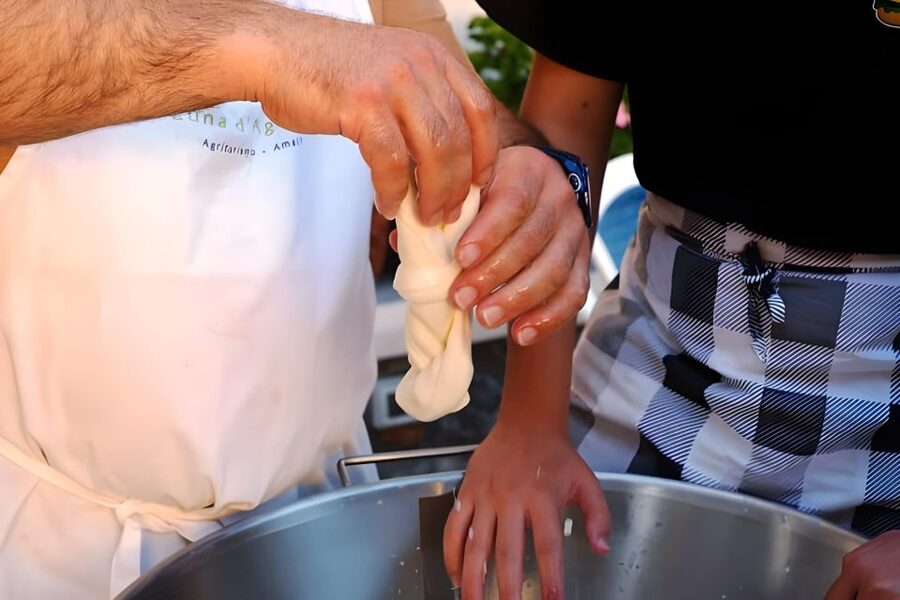
Book this experience if you want a genuine farm setting, a family-led class, and a meal built around what you prepare. The strongest reasons are the garden produce, the meeting with Bianca, the farm wine, and the chance to see a quieter side of the Amalfi area.
Skip it if you want an easy central meeting point or a single-dish lesson with no transport planning. At $71, the class offers solid value for three hours of cooking, wine, food, views, and a farm visit, but the setting is a key part of the purchase. Plan the journey carefully, wear comfortable clothes, and arrive ready for a hands-on afternoon or evening in the countryside.
FAQ
How long does the Amalfi cooking class last?
The activity lasts three hours. Check availability for the starting times offered on your chosen date.
What dishes will I prepare?
You will prepare tiramisù, fresh tagliatelle, and mozzarella. The pasta uses products from the farm’s garden, and the mozzarella uses milk from Bianca, the family cow.
Is food and wine included?
Yes. The class includes a meal made from the dishes prepared together and a tasting of wine produced on the farm.
Who leads the cooking class?
Valentino and his family welcome you and guide the experience. The class is operated by Giovanni’s cooking class, and instruction is offered in English and Italian.
Is hotel pickup included?
No. Hotel pickup and drop-off are not included in the listed price, but they can be arranged for a set price.
What happens if it rains?
The class runs rain or shine. Bring comfortable clothes and prepare for the activity to continue in all weather conditions.
Freshly cut around Italy
- Wine Tasting with Cured Meats & Cheeses in Florence★ 5.0 · 2 reviews
- Vico Equense: Tour in the dairy “Mozzarella Experience”★ 5.0 · 19 reviews
- Turin: Gastronomy tasting through oil, wine and cheese★ 5.0 · 2 reviews
- From Parma/Cinque Terre: Truffle & Parmesan Picnic (Tasting)★ 5.0 · 2 reviews
- Tuscany: Ripalte Design Winery Wine and Cheese Tasting Tour★ 4.7 · 15 reviews
- Prosecco Hills Wine and Cheese Gourmet Discovery★ 5.0 · 6 reviews
- The Valpolicella food & wine driving tour: cheese factory+ winery★ 5.0 · 6 reviews
- Premium Cheeses and Gins Tour in the Prosecco hills. Full lunch!★ 5.0 · 3 reviews
Mozzarella and Buffalo Cheese Tours, plate by plate.
Mozzarella Experience – Cheese Tour and tastings to Masseria Fragnite
Read our review →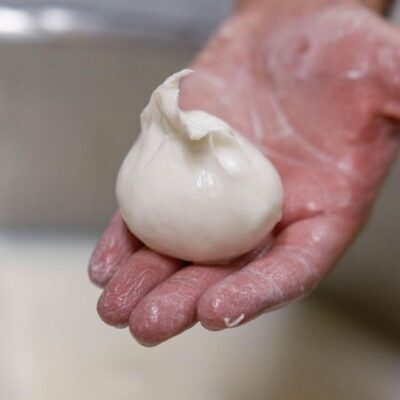
Cheese lists with this tasting