
Review · GREECE
From Chania: Olive Oil, Wine, Cheese & Honey Tasting Tour
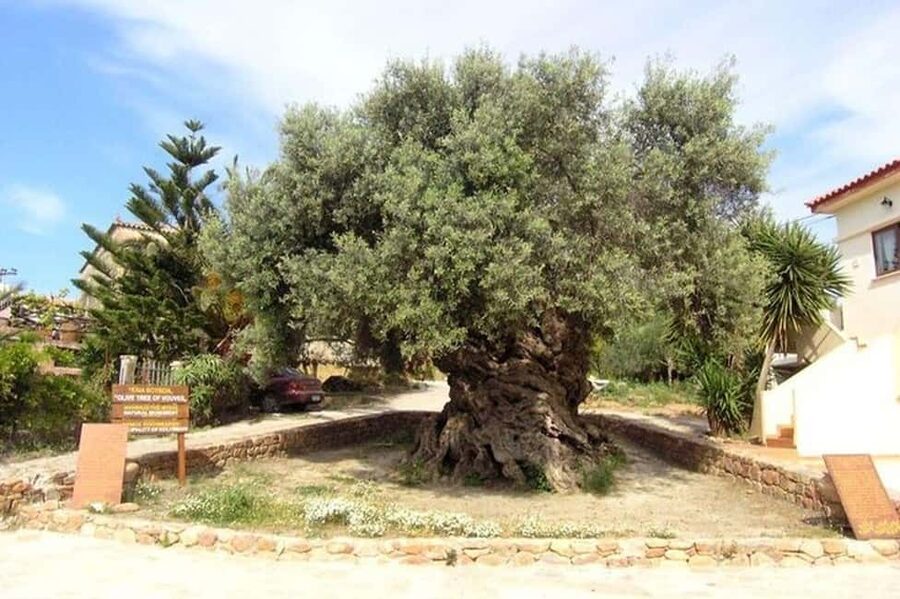
The oldest known olive tree in the world is the star of this Chania food tour, but it is only the beginning. You move from the ancient tree at Vouves to a bakery, cheese producer, olive mill, honey presentation, and family winery, seeing how everyday Cretan foods reach the table. The day links food with place, which makes it more meaningful than a string of unrelated samples.
I like two things in particular: the generous tastings and the guide-led explanations that connect agriculture, village life, and Cretan cooking. The honey session and the self-serve wine tasting are especially memorable, with as many as 18 to 20 wines available. The main drawback is the pickup route. Collecting and returning people from many hotels can add close to an hour at each end, so this is not the best choice if you want a quick, private outing.
Key points at a glance
- Vouves olive tree: See an ancient tree estimated to be 3,000 to 5,000 years old.
- Five food stops in one day: Sample bakery goods, cheese, honey, olive oil, and wine.
- Strong guiding: Linda receives repeated praise for her energy and clear explanations, while Electra has also led the tour.
- A full wine tasting: Taste up to 20 local wines, with some sessions offering 18 varieties plus raki.
- Good food value: At $49 per person, the included tastings can replace a light lunch.
- Plan for a group outing: Pickup is available from many Chania-area hotels, but this creates extra road time.
Why this tour gives you a useful taste of Crete
Crete is often sold through beaches and ancient ruins. Those matter, but food tells you just as much about the island. Olive oil, bread, cheese, honey, and wine are not fancy extras here. They are part of the daily table, local farming, family work, and village economy.
This seven-hour trip gives you a broad look at that food culture without asking you to arrange several separate visits. You ride into the countryside, listen to a local guide explain what you are seeing, and then taste the results. That combination matters. You are not only sampling cheese or wine. You are learning why olives grow where they do, how bees are managed, and how Cretan producers turn simple ingredients into food worth taking home.
The tour is conducted in English and includes hotel pickup, an air-conditioned vehicle, a local guide, and the tasting stops. Several pickup points serve Chania, Nea Chora, Stalos, Agia Marina, Platanias, Maleme, Tavronitis, Kolymvari, and nearby areas. Give the operator your hotel name when booking so you receive the exact pickup point and time.
More olive oil and cheese tastings in Greece:
- Athens: Acropolis Wine Tasting with Cheese and Olives
★ 4.9 · 337 reviews - Cretan Farm Tour with Cheese-Making, Olive Oil Tasting & Picnic
★ 5.0 · 10 reviews - Farm Tour with Cheese-Making, Olive Oil Tasting & Picnic
★ 5.0 · 8 reviews
Vouves and an olive tree older than most civilizations
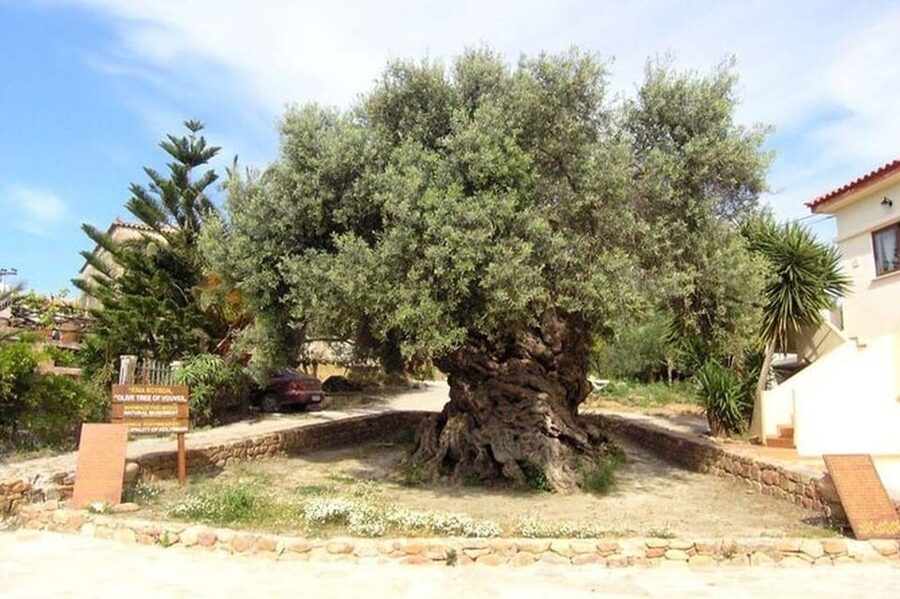
The first major stop is Ano Vouves, home to the famous olive tree of Vouves. It is estimated to be between 3,000 and 5,000 years old, although the exact age depends on how the tree is measured. Its trunk is broad, twisted, and hollowed into dramatic shapes. It looks more like carved stone than a normal tree.
You get about 30 minutes here with a guided visit. That is enough to see the tree and hear why it matters, but it is not a long garden visit. If you want time for careful photographs or a slower look around, use your minutes well. One useful tip is to take your pictures early, then listen to the explanation rather than trying to do both at once.
The tree also sets the theme for the rest of the day. Olive growing is not a recent tourist product in Crete. It reaches back thousands of years and still shapes the countryside, meals, and local income. After seeing this living link to the past, the later olive oil presentation feels more grounded.
Bakery flavors before the main tasting stops
The food portion begins with a family-run bakery and traditional Cretan baked goods. You may taste rusks, fresh bread, and savory pastries, with the chance to buy items you like.
Rusks are twice-baked breads with a firm texture. They are made to keep well and are often eaten with tomatoes, olive oil, cheese, or other toppings. This is a small but useful introduction to Cretan food because it shows how practical local cooking can be. Nothing needs to be elaborate to be good.
The bakery stop is also a sensible place to make purchases. If you buy bread or pastries, consider how you will carry them through the rest of the day. Product purchases are not included in the $49 price, and personal expenses are extra.
Cheese, village food, and a hands-on explanation
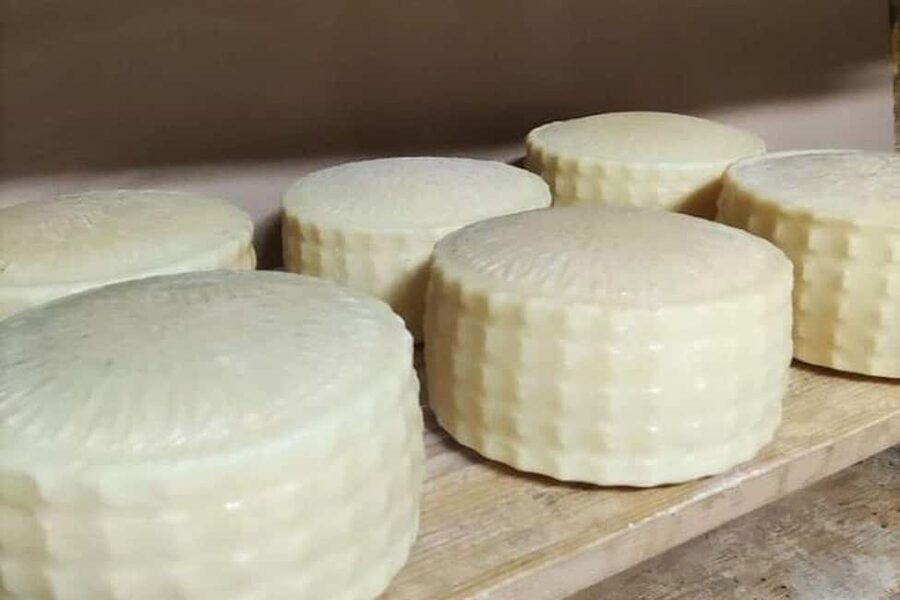
The next food visit includes a multi-award-winning cheese factory. Depending on the season, you may see cheese being made. At other times, the guide explains the process and the producer focuses on tasting.
The schedule allows around 100 minutes for this part of the day, which is considerably longer than a quick sample at a shop. You have time to try several products, ask questions, and eat a traditional tasting platter. Expect cheese alongside bread, tomatoes, olives, olive oil, and other local foods.
This is one of the places where the tour can become filling. Several people found the combined food tastings substantial enough to skip or reduce their evening meal. I would still avoid arriving after a large breakfast if you want to enjoy every sample.
You can also buy cheese to take home. That is a nice option, but check your travel plans and accommodation before buying perishable products. The tour includes tasting, not the cost of anything you choose to purchase.
More Wine and Cheese Tastings in Greece:
- Cheese & Wine Trails – Naxos
★ 5.0 · 29 reviews - Cheese and Wine Tasting (Guided Tour INCLUDED)
★ 4.5 · 14 reviews - Naxos Mythology & Ancient Sites Tour with Cheese & Wine
★ 4.5 · 12 reviews - Cheese and Wine Tasting Tour From Chania
★ 5.0 · 7 reviews
Honey, olive groves, and the work behind the bottle
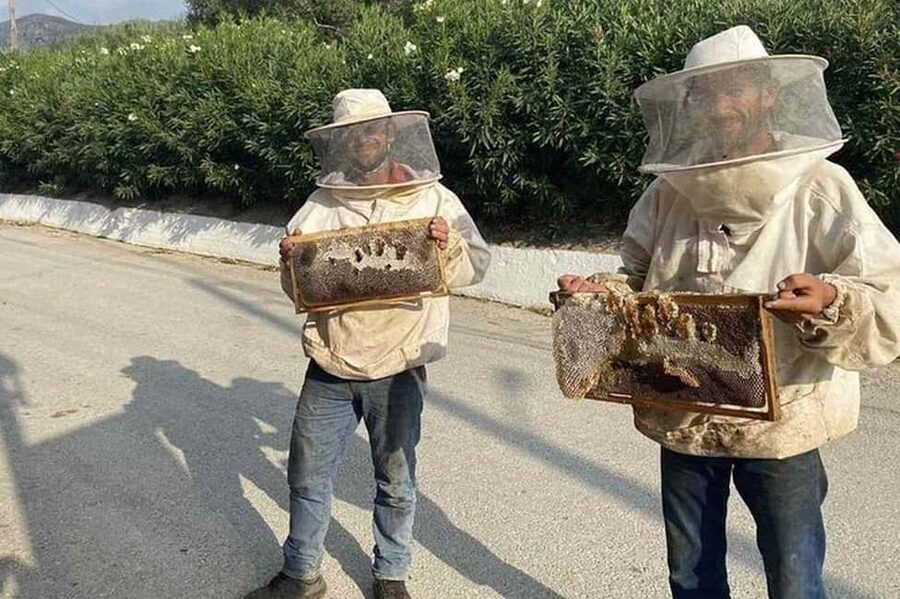
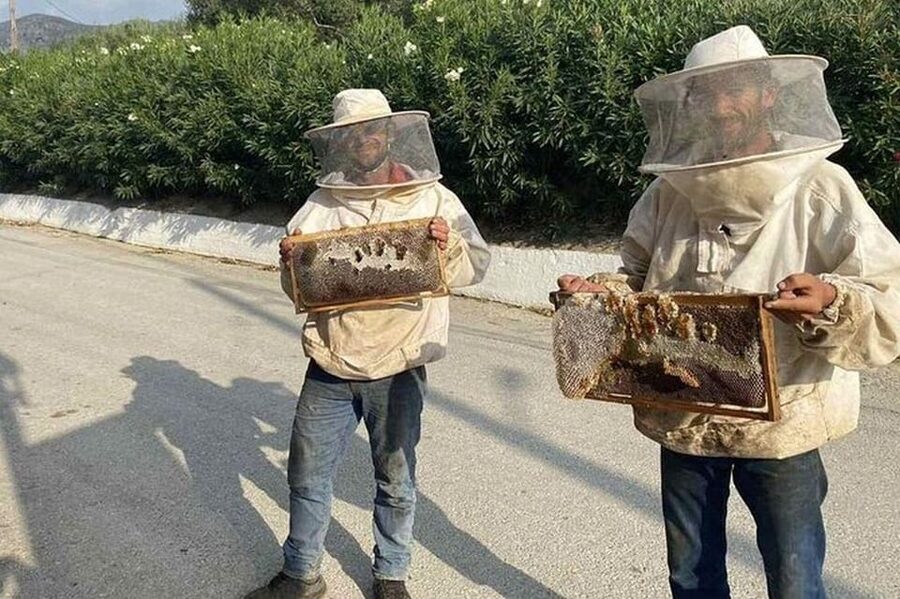
The honey and olive oil portion adds the clearest look at how Cretan producers work. You learn about bees, hives, honey extraction, and bottling, then walk among olive trees and visit a local olive factory.
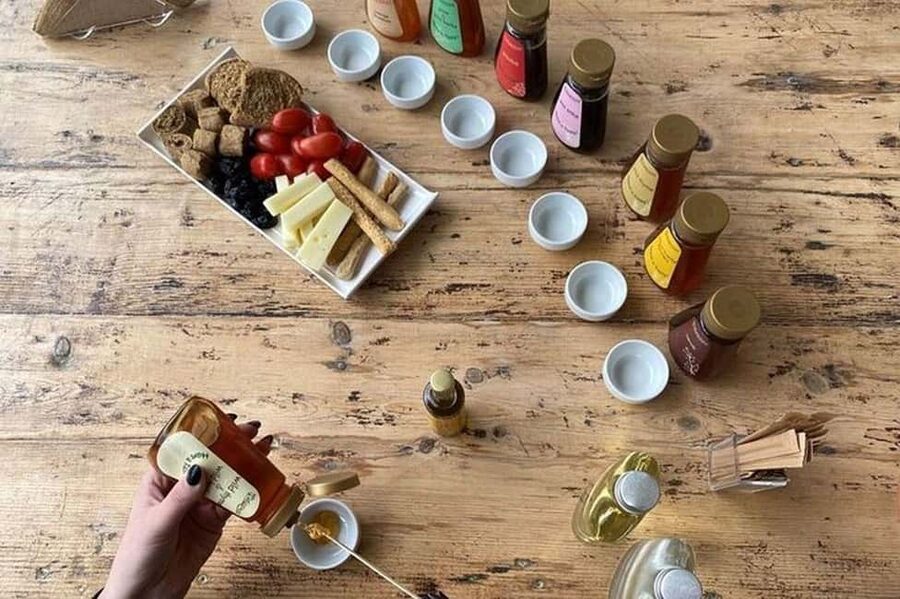
The honey presentation is more than a quick spoonful. The explanation covers the process from the bees and hives through extraction and packaging. The tasting may include several types of honey, allowing you to compare flavors and textures. If you like honey, bring a small notebook or use your phone to record which varieties you prefer. There is a lot to remember, and a useful pairing guide is not guaranteed.
The olive mill section shows how olives move from harvest to pressing and finishing. This is one of the most useful parts for anyone who buys olive oil. You can taste the oil with a better sense of what you are looking for, rather than choosing a bottle only because the label looks attractive.
The walk through the olive grove also gives you a break from indoor tastings. Wear comfortable shoes, use sunscreen, and bring a hat and sunglasses. The supplied information recommends sunscreen, a sun hat, and sunglasses, and that advice makes sense for a full day outdoors.
Pnevmatikakis Winery and the final pour
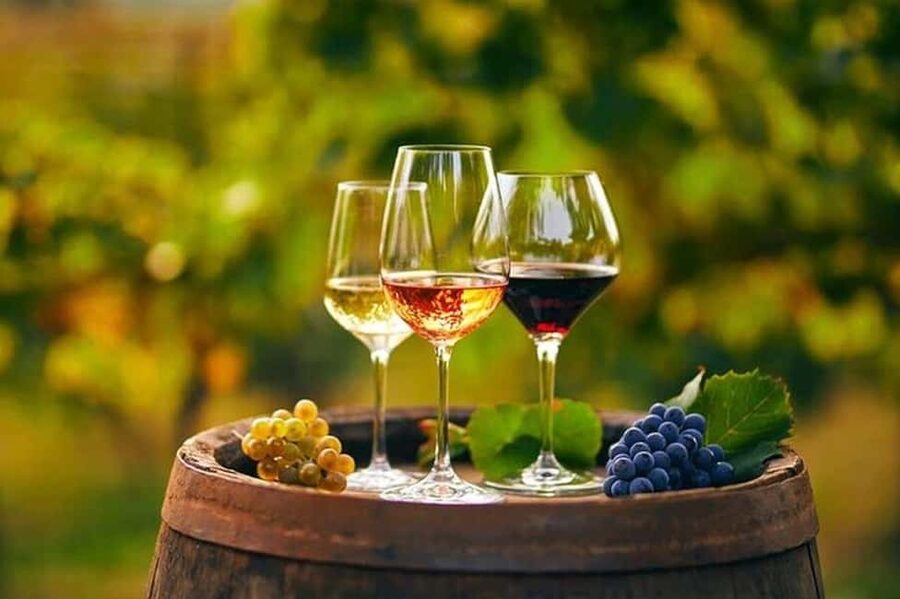
The winery visit takes place at Pnevmatikakis Winery in Nopigia and lasts about an hour. You learn about Cretan winemaking and taste local wines with Cretan food.
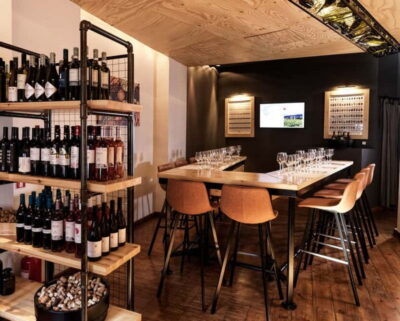
The unusual feature here is the number of wines. The tour includes up to 20 varieties, while the tasting has also been described as offering 18 wines plus raki. It is a broad comparison rather than a single formal tasting. You can sample different styles at your own pace, which suits curious drinkers, but it also means you need to pace yourself.
Because wine comes last, the earlier food is helpful. Eat the cheese, bread, and other items provided, drink water when available, and do not feel obliged to try every glass. A self-serve tasting with many choices can turn into a lot of alcohol quickly.
Children are welcome and receive a specially prepared platter and non-alcoholic drinks. That makes the winery stop more practical for families than the word wine tour might suggest. Still, adults should supervise children around tasting areas, and everyone in the group needs to follow the guide’s instructions.
The winery is also the stop where group size matters most. If your group is large, it may be harder to hear the explanation or move easily around the tasting area. Reviews describe the tour as a big bus outing, even though the relaxed organization keeps it from feeling chaotic. If you strongly prefer quiet tastings, a private winery visit would be a better fit, but it would cost more than this package.
The guide can make or break a long food day
This tour covers many subjects in one day, so the guide’s role is important. Linda is the name most often associated with the experience. She is described as energetic, warm, and clear, with a strong grasp of Cretan agriculture, food, and local customs. Electra has also guided the tour and is described as answering questions and explaining the stops in detail.
The guide talks during the bus rides, which helps use the travel time well. You hear about Crete while passing villages, olive groves, and mountain roads instead of waiting until you reach each stop. That approach keeps the schedule moving and gives you context before the tasting begins.
The drivers also deserve practical credit. Routes into rural Crete can include narrow and curving roads. Several accounts specifically praise the careful driving of Marco, Nikos, Theo, Christos, and Stavros. You should still expect a road trip, not a smooth city transfer, especially if you are prone to motion sickness.
Transport, timing, and group size
The advertised duration is seven hours. The schedule lists about 1.5 hours of coach travel, though the actual experience includes hotel collection, road time between visits, and the return route. Some sections between the main stops may feel closer to 20 or 30 minutes, while the total route grows because the bus serves many pickup and drop-off points.
Pickup is available from a long list of hotels and meeting points around Chania and the west coast. This is convenient if you are staying in one of the covered areas. It also explains the biggest time complaint: the bus may spend roughly 45 minutes gathering people before the tour fully gets going and about an hour returning them afterward.
An air-conditioned vehicle is included, which matters in the warmer months. Bring water, though food and tastings are supplied along the route. The tour is listed as wheelchair accessible in one part of the information, but another section says it is not suitable for wheelchair users. Confirm the vehicle and the walking arrangements directly before booking if accessibility is important.
Is $49 a fair price?
At $49 per person, this is a strong value if you want several tastings and countryside sightseeing in one day. Hotel transport alone can add up quickly, and the package also includes the guide, bakery visit, cheese tasting, honey presentation, olive oil visit, winery stop, and wine tasting.
The food is not a token sample. You may receive bread, pastries, cheese, tomatoes, olives, honey, olive oil, and other Cretan foods, followed by a substantial wine tasting. For many people, this is enough for a light lunch. Extra purchases and food or drinks outside the included package cost more.
The tradeoff is efficiency. You pay with time as well as money. A private tour could remove the long pickup loop and give you more time at the olive tree or winery, but it would not offer the same $49 price. If your priority is value and variety, this tour makes sense. If your priority is privacy, silence, or a carefully paced wine education, choose a smaller outing.
Who should book this Chania food tour?
I would recommend it to first-time Crete visitors who want to understand the island through food. It is also a good match for couples, families, and curious eaters who want more than a beach day but do not want to plan rural transport themselves.
You will get the most from it if you enjoy trying unfamiliar foods, listening to local stories, and spending a full day with a mixed group. It suits people who like a steady schedule with several stops.
I would be more cautious if you dislike coach tours, have limited time in Chania, need a completely private experience, or are sensitive to winding roads. The route is rewarding, but the pickup loop can feel slow, and a large group may make some explanations harder to hear.
Should you book it?
Book this tour if you want a broad, affordable introduction to Cretan food production. The ancient olive tree, honey presentation, generous cheese and bakery samples, and large wine selection give you plenty for the price. Linda and Electra bring useful local explanations, and the careful drivers make the rural roads less stressful.
Skip it in favor of a private or smaller tour if you want long, quiet visits at each stop. Also confirm accessibility before paying, since the supplied information gives conflicting guidance about wheelchair suitability. For most food lovers staying around Chania, though, this is a practical way to see rural Crete and taste what the island does best.
FAQ
How long does the tour last?
The activity lasts about seven hours, including transportation, guided visits, tastings, and hotel pickup and drop-off.
What is included in the $49 price?
The price includes hotel pickup and drop-off, an English-speaking local guide, air-conditioned transportation, visits to the bakery, olive mill, cheese factory, and winery, plus tastings of wine, cheese, olive oil, honey, and bakery products.
How many wines can I taste?
The tour information says you can enjoy up to 20 different wine varieties. The tasting has also been described as offering 18 wines, along with raki.
Is this tour suitable for children?
Yes. Children are welcome at the winery and receive a specially prepared platter and beverages.
Is hotel pickup available?
Yes. Pickup is offered from many hotels and meeting points around Chania, Nea Chora, Stalos, Agia Marina, Platanias, Maleme, Tavronitis, Kolymvari, and nearby areas. Provide your hotel name after booking so the exact pickup details can be sent to you.
What should I bring?
Bring sunglasses, a sun hat, and sunscreen. Comfortable footwear is also sensible for walking around the olive grove and visiting rural sites.
Can I buy products during the tour?
Yes. You can purchase bakery goods, cheese, honey, olive oil, wine, and other products if available. These personal purchases are not included in the tour price.
Is the tour wheelchair accessible?
The information provided is conflicting. One section lists the activity as wheelchair accessible, while another says it is not suitable for wheelchair users. Contact the operator before booking to confirm the vehicle, surfaces, and access at each stop.
Freshly cut around Greece
- Naxos Mythology & Ancient Sites Tour with Cheese & Wine★ 4.5 · 12 reviews
- Naxos Farm Experience and cheese making★ 5.0 · 5 reviews
- Ios: Cooking Experience with Cheese and Wine Tasting★ 5.0 · 6 reviews
- Culture & Taste Tour★ 5.0 · 6 reviews
- Cheese and Wine Tasting (Guided Tour INCLUDED)★ 4.5 · 14 reviews
- Cretan Farm Tour with Cheese-Making, Olive Oil Tasting & Picnic★ 5.0 · 10 reviews
- Cheese and Wine Tasting Tour From Chania★ 5.0 · 7 reviews
- Explore Shepherd’s Hut and Cheese Making Process★ 5.0 · 2 reviews
Olive Oil and Cheese Tastings, plate by plate.
DISCOVER SORRENTO, food &Walking tour . Lemons-cheese&olive oil
Read our review →
Cretan Farm Tour with Cheese-Making, Olive Oil Tasting & Picnic
Read our review →
Florence: The secret of wine, cheese and olive oil at a farm
Read our review →
Cheese lists with this tasting