
Review · FUERTEVENTURA
Fuerteventura Goat Cheese Workshop with Transfer from the South
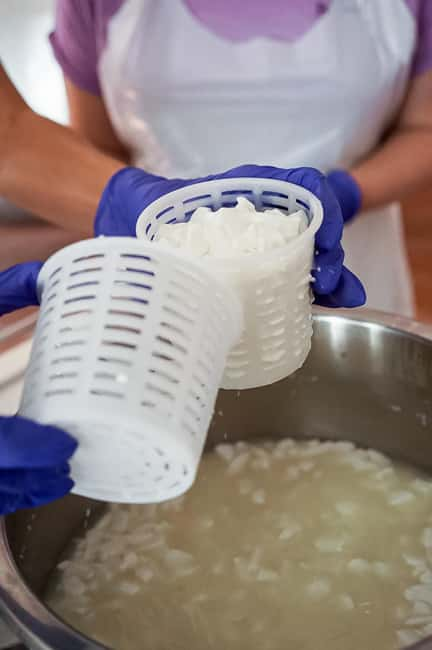
Fuerteventura’s most useful food lesson may happen beside a herd of about 350 goats. On this farm, you do more than sample cheese: you learn how milk becomes a local staple, then make a small goat cheese yourself under the direction of an experienced cheesemaker.
I like two things right away. First, the workshop is genuinely hands-on, so you are not just watching a demonstration. Second, the tasting covers young, semi-ripe, and ripe cheese, with white wine to help you compare them. The main consideration is the variable length, 2.5 to 4 hours, and the activity is not suitable for children under 9.
Key points to know before booking
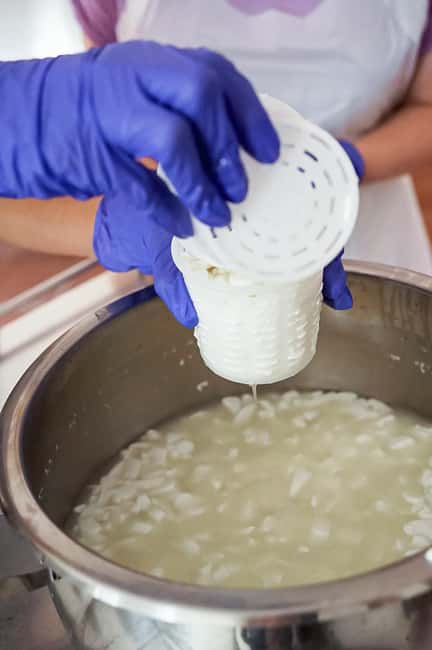
- Make your own small goat cheese: You take part in the process instead of sitting through a standard food talk.
- Visit a working goat farm: The farm has around 350 animals, giving the workshop a real agricultural setting.
- Taste three stages of ripeness: Young, semi-ripe, and ripe cheeses show how time changes flavor and texture.
- Walk about 500 meters: The farm tour is short, but sturdy, closed-toe shoes are required.
- White wine is included: The tasting is designed as a food pairing, not just a quick sample.
- Pickup is available from the south: A white minibus can collect you at your hotel, with a meeting point arranged for apartment stays.
Why goat cheese fits Fuerteventura so well
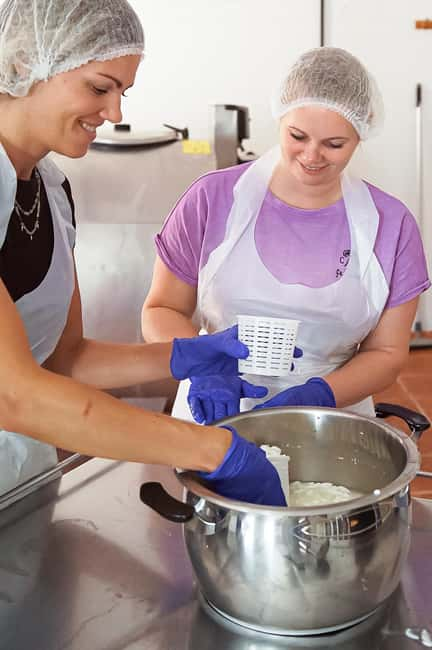
Goat cheese is part of Fuerteventura’s long-standing food tradition. The island’s cheesemakers use regional goat milk and methods passed down through generations, so this workshop gives you a useful link between local agriculture and the food on your plate.
I like that the setting is a farm rather than a city tasting room. The animals, the production area, and the short walk all help explain where the cheese begins. You are not only hearing about a product at the end of the chain. You are seeing the agricultural setting that makes it possible.
The workshop also suits curious eaters who want to understand what they are tasting. It covers the ingredients, production methods, ripening, and storage. That means you leave with more than a pleasant snack. You should have a clearer idea of why one goat cheese is soft and mild while another is firmer and more pronounced.
The experience is listed at $92 per person. That is not a low-cost farm visit, but it includes transportation, a guide, the farm tour, cheese making, a tasting, and white wine. If you would otherwise need a taxi or rental car from the south, the transport adds real value. The price makes the most sense for people who want an active food experience rather than a simple tasting.
More Cheese Making Workshops in Spain
- Fuerteventura: Artisan Goat’s Cheese Making at Local Farm
★ 4.9 · 112 reviews - Sangria Workshop and Tasting with Local Cheese
★ 5.0 · 86 reviews - Central Madrid: Sangría Workshop & Tasting with Local Cheese
★ 4.8 · 82 reviews
Starting with pickup from southern Fuerteventura
Transportation is arranged in a white minibus, and hotel pickup is optional. If you stay in a hotel, the pickup takes place in front of the property. If you stay in an apartment, you are told the meeting point the day before.
That detail matters on Fuerteventura, where a well-planned pickup can save you from sorting out directions to a rural farm. It also keeps the tasting more relaxed, since you do not need to plan a drive after the wine.
The exact starting time depends on availability, so check the schedule before committing to other plans. The total duration is given as 2.5 to 4 hours. That range likely reflects the day’s timing and transport, so I would avoid booking a tight lunch reservation or airport transfer afterward.
The tour is offered in English and German. No individual guide name is provided, but an experienced cheesemaker leads the cheese-making portion. That is the person who matters most here, since the value of the workshop comes from seeing and doing the work correctly.
Walking the farm and meeting the setting
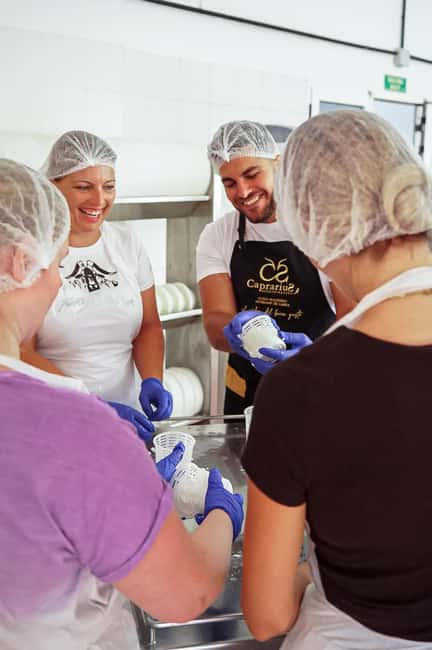
The farm tour covers about 500 meters. This is a modest walk, not a demanding hike, but the surface may be agricultural rather than polished. Closed-toe, sturdy shoes are required, and you should bring water.
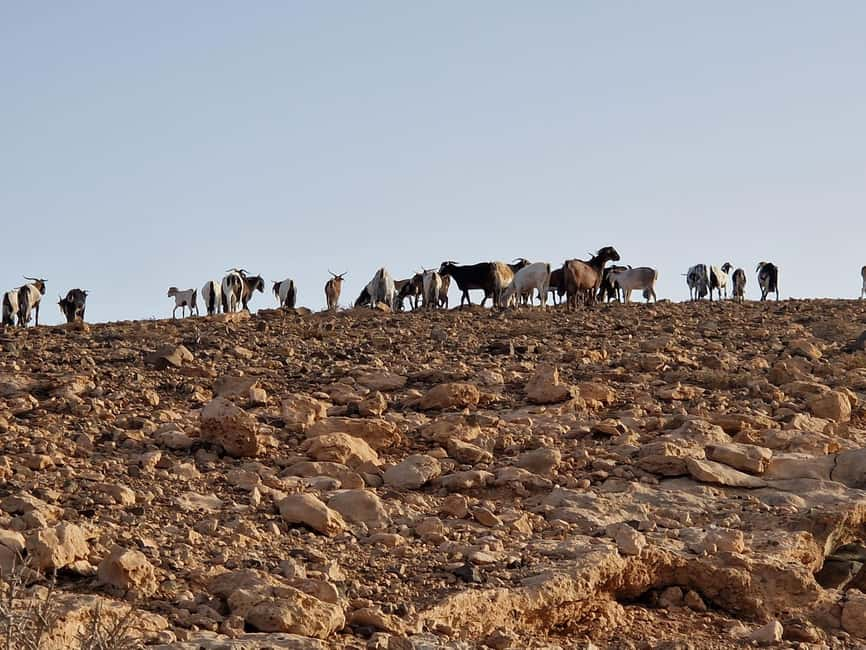
The farm has around 350 goats, which gives the visit a working-farm feel. The animals are not just a decorative backdrop for a tasting. They are the source of the milk behind the workshop, and their presence helps make the production process easier to understand.
I would not book this expecting a long nature walk or a broad farm tour. The stated route is short and focused. Its purpose is to connect the animals, the milk, and the cheese, then move you into the practical part of the visit.
That focused format is a strength if you prefer a clear activity with a food theme. It may feel limited if you want several hours of animal contact or a large agricultural estate to explore. The details provided do not promise feeding animals or milking, so you should not assume those activities are included.
Learning how the cheese is made
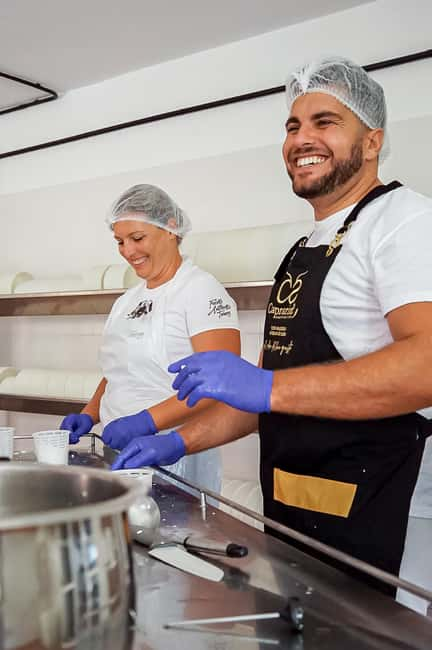
The workshop covers the main stages of cheese making, beginning with the choice and preparation of ingredients. You then learn about production techniques and the ripening process.
The best part is that you make a small goat cheese yourself. Hands-on work changes the way you look at the finished product. Instead of treating cheese as something that simply appears on a plate, you get a basic feel for the steps and timing behind it.
The supplied feedback describes the activity as informative, well prepared, and enjoyable because participants get to work with their own hands. That is a useful clue about the tone. This is not presented as a vague demonstration where you stand at the back and watch. You should expect clear instruction and a chance to participate.
Still, keep your expectations realistic. You are making a small cheese during a short visit, not learning enough to run a dairy. The workshop gives you an introduction to the craft, with practical context about ingredients, technique, ripening, preservation, and storage.
The storage advice is especially useful for food lovers. Ripening affects more than taste. It changes how you should handle and keep cheese, and learning those basics can help you make better choices at local markets and shops during the rest of your stay.
Same region, a different wheel:
- Tacoronte: Guided Winery Tour with Wine and Cheese Tastings
★ 4.6 · 481 reviews - Guided Visit to the Estrella Galicia Museum with Cheese Pairing
★ 5.0 · 218 reviews - Fuerteventura: Tickets to Salt, Cheese and Windmill Museums
★ 4.4 · 129 reviews - Tenerife Bodegas Monje Winery Tour with Wine and Cheese Tasting
★ 4.5 · 121 reviews
Comparing young, semi-ripe, and ripe cheese
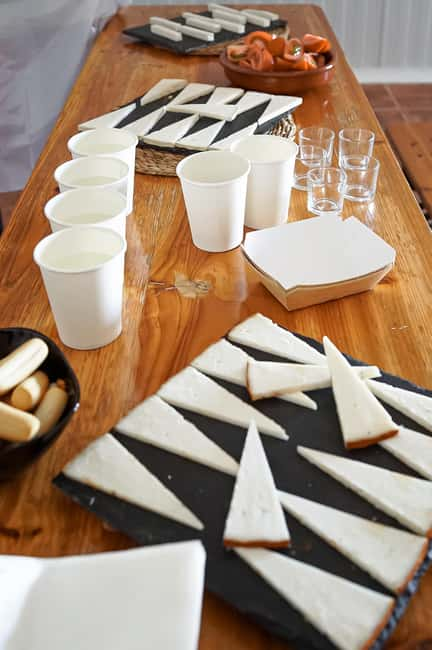
The tasting is built around different stages of maturity: young, semi-ripe, and ripe. This is a smart structure because it gives you a direct comparison instead of asking you to judge one sample in isolation.
A young cheese may show a fresher, gentler side of goat milk, while a more mature cheese can offer a firmer texture and stronger character. The precise flavors are not specified, so I would not book this expecting a fixed list of varieties. The point is the progression from one stage to the next.
The tasting includes selected cheeses and white wine. The wine adds a social, gourmet touch, but it also gives the workshop a clear finish. You have learned how the product is made, then you taste the results and compare them.
I would pay attention to texture as much as flavor. Notice how the cheese changes as it ages, and ask the guide about the best way to preserve each type. The workshop specifically includes tips on storage, so this is a good chance to turn tasting into useful knowledge.
If you do not drink alcohol, the available information does not specify a substitute for the white wine. The cheese tasting itself is included, but you may want to check directly if a nonalcoholic option matters to you.
Who will enjoy this farm workshop most
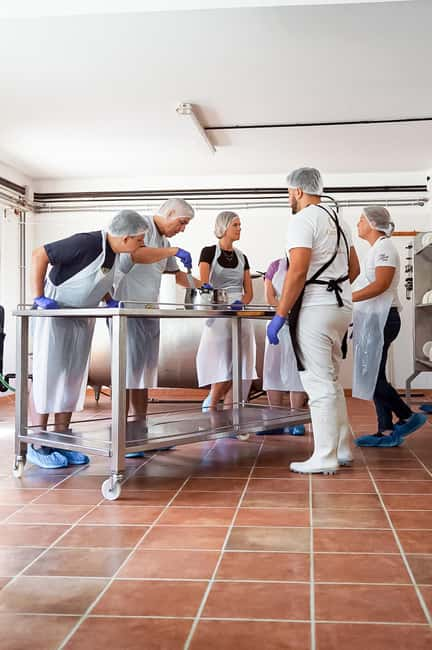
This activity is a strong fit for food-focused visitors, couples, and adults who prefer local culture through everyday products. You do not need to be a cheese expert. The format is designed to introduce the process step by step, so beginners should be able to follow along.
It also works well for anyone who likes practical activities. You are not simply being driven to a farm for a photo stop. You walk, listen, handle ingredients, make a small cheese, and taste several stages of the finished product.
The minimum age is 9. Children under 9 cannot join. Older children may enjoy the hands-on element, but parents should consider the walking requirement, the farm setting, and the workshop’s food-focused pace.
This is less suitable if you want a very short stop, dislike dairy products, or are looking for a full-day excursion. The 2.5 to 4-hour duration is manageable, but it is long enough that you should have a real interest in the subject.
It is also not the right pick if you want a highly customized private lesson. The information confirms an experienced cheesemaker and live guidance in English or German, but it does not state that the workshop is private or that group size can be selected.
Practical details that affect the day
Bring water, even though the tour includes a food tasting and wine. Wear sturdy closed-toe shoes. Sandals and thin casual shoes are poor choices for a farm visit.
The tour includes transportation, but pickup is optional. Confirm the pickup arrangement if you are staying in an apartment, since the meeting point is communicated the day before rather than automatically taking place at your door.
The activity offers free cancellation up to 24 hours in advance for a full refund. You can also reserve now and pay later, which helps if your Fuerteventura plans are still shifting.
The skip-the-ticket-line feature is less important here than it would be at a major monument. The real advantage is having the farm visit and workshop organized in advance, with transport available from the south.
The rating shown for this activity is 5 out of 5 from three verified bookings. The most specific feedback praises the clear preparation, informative content, and the fun of taking part directly. That matches the structure of the activity: its main strength is participation, not spectacle.
Is $92 a fair price?
At $92, the workshop costs more than buying a few pieces of goat cheese at a market. That comparison is not quite fair, since the price also covers a guide, transport, a farm visit, instruction from a cheesemaker, your own cheese-making session, several tastings, and white wine.
I see the value most clearly if you are staying in the south and would otherwise need to arrange transport to a rural farm. The minibus pickup removes some planning and lets you treat the visit as a complete half-day outing.
The value is weaker for someone who only wants to taste cheese. In that case, a market or shop visit would be faster and cheaper. You are paying for the setting, the process, and the chance to make something yourself.
The price is also easier to justify if you enjoy food education. The lesson about ripening, preservation, and storage adds practical value that a quick tasting cannot provide.
Should you book the Fuerteventura goat cheese workshop?
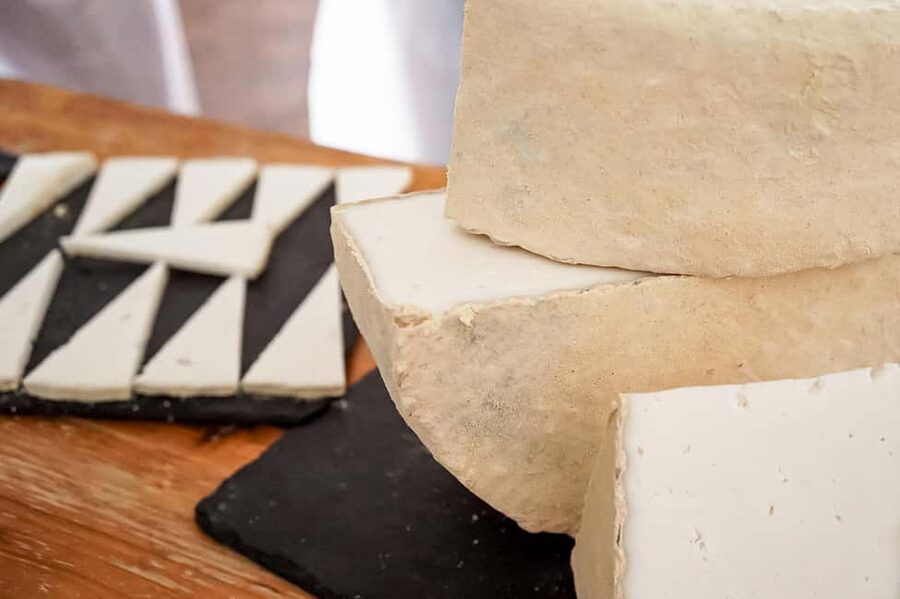
Book it if you want a hands-on local food experience with transport from the south, a working farm setting, and a tasting that shows how cheese changes with age. The workshop is especially appealing if you like understanding how regional food is made rather than simply ordering it in a restaurant.
Think twice if you dislike goat cheese, need a very precise schedule, or want a longer farm visit with more animal activities. The duration can run from 2.5 to 4 hours, and the stated program focuses on cheese production rather than a broad range of farm experiences.
For the right audience, this is a well-focused way to spend part of a Fuerteventura day. You walk a short farm route, learn from a cheesemaker, make a small cheese, and finish with local varieties and white wine. That is a practical taste of the island’s food tradition, not just a souvenir photo.
FAQ
Where does the goat cheese workshop take place?
It takes place on a traditional goat farm in Fuerteventura with around 350 animals.
How much does the activity cost?
The listed price is $92 per person.
How long does the workshop last?
The duration is between 2.5 and 4 hours, depending on the available starting time and schedule.
Is transportation included?
Transportation is included. Optional pickup is available by white minibus.
Where is pickup provided?
Hotel pickup takes place in front of your hotel. If you stay in an apartment, you receive a meeting point the day before.
What languages are available?
The live tour guide is available in English and German.
Do I make goat cheese myself?
Yes. The workshop includes hands-on cheese making, and you prepare a small goat cheese yourself.
Is wine included in the tasting?
Yes. White wine is included with the cheese tasting.
What should I bring and wear?
Bring water and wear sturdy, closed-toe shoes. Children under 9 cannot take part.
Freshly cut around Spain
- Cheese Factory Workshop with Wine Tasting in Requena, Valencia★ 4.5 · 3 reviews
- Guided Tour Montesdeoca Cheese Factory – Cheese and Wine Tasting★ 4.5 · 6 reviews
- Hike the Cork Oak trail and try some Delicious Cheese★ 5.0 · 12 reviews
- Discover the Art of Idiazabal Cheese in the Basque Country★ 4.5 · 9 reviews
- Private Basque Cheese & Txakoli Wine Tour from San Sebastian★ 5.0 · 20 reviews
- Menorca: Cheesemaking and Farm-Fresh Product Tasting★ 5.0 · 29 reviews
- Madrid Bike Tour with Churros and Wine, Ham, and Cheese Upgrade★ 5.0 · 8 reviews
- Mallorca Wine and Cheese Tasting★ 5.0 · 29 reviews
Cheese Making Workshops, plate by plate.
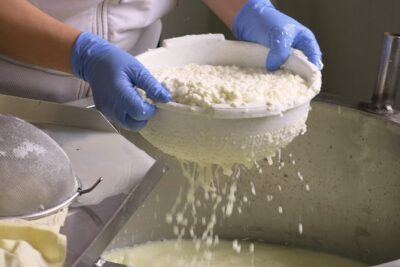
Troodos Mountains Halloumi Making: All Inclusive Workshop & Tour
Read our review →
Central Madrid: Sangría Workshop & Tasting with Local Cheese
Read our review →
Cheese lists with this tasting