
Review · PORTUGAL
Goat Cheese Making Workshop with Tasting
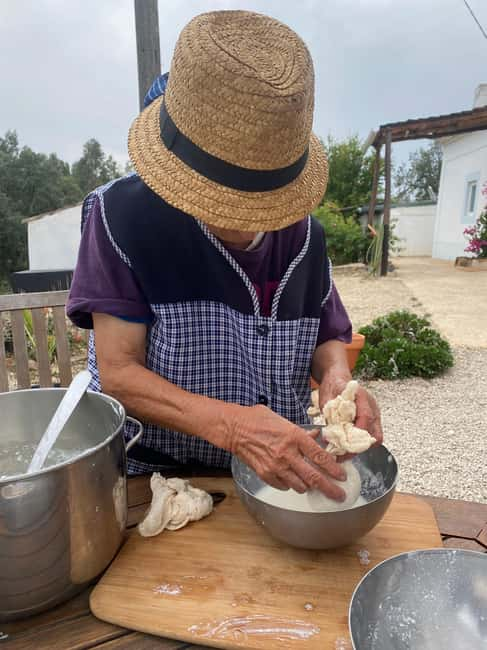
The most appealing part of this experience is its hands-on look at rural Algarve life. You meet a local farmer in the Serra do Caldeirão, learn how goat cheese is made using traditional methods, and then sit down to taste the result with bread, olives, olive oil, and wine. It is a small-scale cultural experience, not a quick stop at a tourist shop.
I like the simple two-hour format and the setting at a working property reached by an open black gate and a dirt road. I also like that the tasting includes several local staples rather than cheese alone. The main consideration is food: this is not suitable for anyone with food allergies or lactose intolerance, and you should bring sun protection for time outdoors.
Key points to know before booking
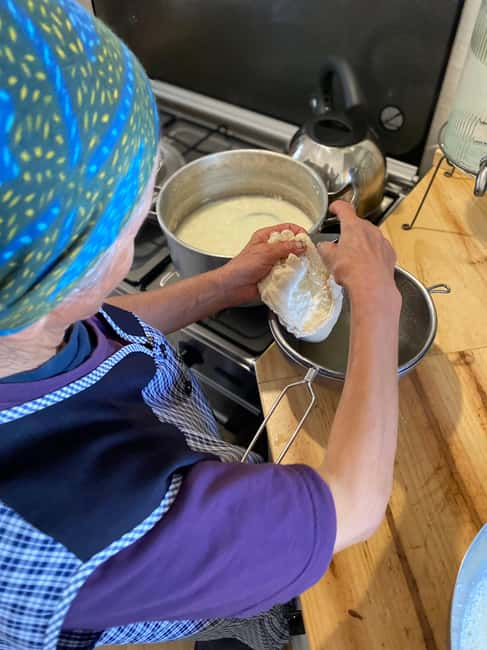
- Traditional cheese making: Learn how local farmers turn goat milk into fresh cheese using long-standing methods.
- Serra do Caldeirão setting: Reach the activity by car and enjoy views of the Algarvian countryside around the farm.
- Generous local tasting: Sample goat cheese with olives, olive oil, freshly baked bread, and wine.
- Short, useful format: The two-hour length fits neatly into a day exploring the inland Algarve.
- Three-language instruction: The activity is offered in English, Portuguese, and Spanish.
- Simple access details: Enter through the open black gates, follow the dirt road, and park beside the little white house.
A small farm experience in the Serra do Caldeirão
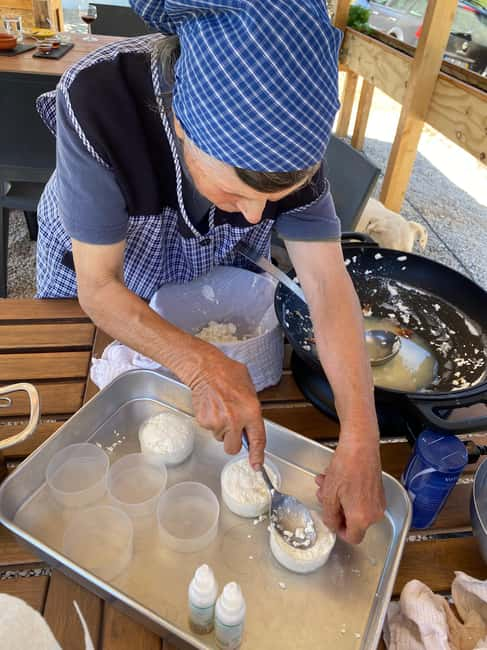
The Serra do Caldeirão is the inland hill country of the Algarve, away from the large beach resorts and busy coastal roads. Here, the appeal is the slower pace and the chance to see how local food is made close to its source.
This workshop focuses on goat cheese, a useful choice for understanding the region. Goats suit the dry hills and farm life of southern Portugal, and cheese making connects food, animals, family habits, and local trade. You are not simply sampling a finished product. You are shown the work behind it.
The activity takes place at Quinta Rosa De Victoria. The meeting point is not a conventional city address, so read the directions carefully before setting out. Drive through the open black gates, continue down the dirt road, and park near the small white house. The coordinates are 37.27318572998047, -7.868228435516357.
You should allow a little extra time to find the entrance, particularly if you are unfamiliar with rural Portuguese roads. The directions are clear once you know what to look for, but this is not a place where you should expect a large sign or a formal visitor center.
More Cheese Making Workshops in Portugal:
- Private Azeitão Cheese Workshop: Wine & Sesimbra from Lisbon
★ 5.0 · 2 reviews - Paris Cheesemaking Workshop including Wine and Cheese Tasting with an Expert
★ 5.0 · 141 reviews - Dijon: Cheese and Burgundy Wine Tasting Workshop
★ 4.8 · 122 reviews
What happens during the two-hour workshop
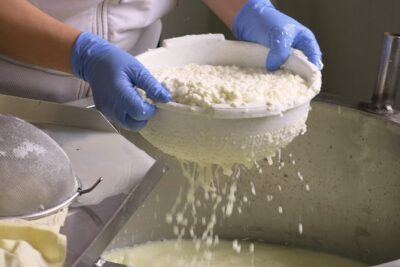
The main part of the activity is a demonstration of traditional goat cheese making led by a local farmer. The exact amount of hands-on participation can vary, but you should expect to see the process explained close up and to learn how rural producers craft fresh goat cheese.
That local instruction matters. A general cooking class can teach you a recipe, but this activity ties the food to the Serra do Caldeirão and to the people who have used these methods over time. You get context about the region and its customs while watching a practical task.
The workshop is also a chance to ask questions. If you are curious about the stages of cheese making, the role of goat milk, or the place of cheese in local food traditions, this is the moment to speak up. The available teaching languages are English, Portuguese, and Spanish, which makes the activity workable for a broad mix of visitors.
Do not expect a large production facility or a polished culinary school. The attraction is the farm setting and the direct connection with a local producer. If you prefer carefully timed cooking stations, printed recipes, or a long technical class, this may feel basic. If you want a close look at a local practice, the straightforward approach is a strength.
The tasting: goat cheese, bread, olives, and wine
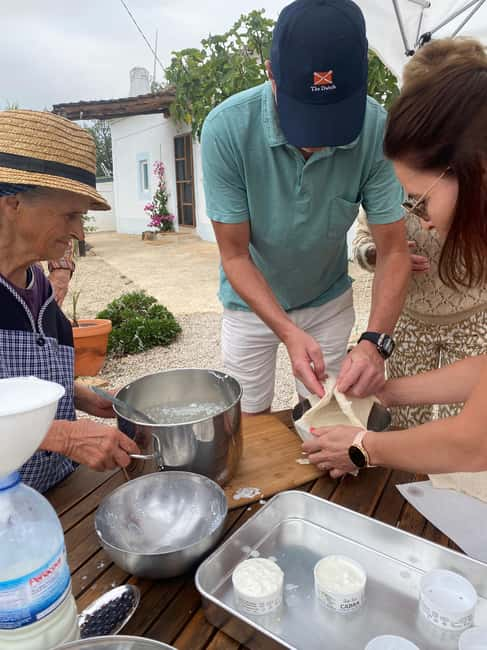
After the cheese demonstration, you sit down for a tasting of local products. Goat cheese is served with olives, good-quality olive oil, freshly baked bread, and a glass of wine.
This combination gives you more than one way to judge the cheese. Bread provides a plain base. Olive oil adds a smooth, grassy note. Olives bring salt and texture. Wine rounds out the tasting and makes the stop feel like a relaxed countryside break rather than a classroom exercise.
I like this part because it gives the workshop a clear payoff. You have just learned how the cheese is produced, then you taste it in a simple local setting. The foods are familiar, but together they create a useful introduction to the Algarve table.
The cheese may be fresh and direct in flavor rather than aged and intensely sharp. That is part of the point. You are tasting a local farm product in the place where it is made, not comparing a wide range of cheeses in a formal shop.
The wine is included as part of the tasting. If you do not drink alcohol, the supplied information does not specify a substitute, so ask when booking if that matters to you. You should also bring water, especially during warm weather.
Why the rural setting matters
The countryside around the Serra do Caldeirão is not just a backdrop for photographs. It helps explain why the workshop is about goat cheese in the first place. The experience connects you with a part of the Algarve that many beach-focused itineraries miss.
The setting should appeal to you if you enjoy food with a sense of place. You are surrounded by the open countryside, hearing about local culture and the long history of the area while taking part in a farm-based activity.
The views are also part of the reward. Bring a camera if you want to record the setting, but do not let photography distract you from the demonstration. The activity is short enough that you can enjoy both the scenery and the food without feeling rushed.
You should wear comfortable walking shoes. The meeting point involves a dirt road, and the activity takes place in a rural setting rather than on a smooth indoor floor. A hat, sunscreen, and water are sensible additions, especially in the warmer months.
More cheese tours around Portugal:
- Vila Nova de Gaia: Port Wine Tasting with Cheese Pairing
★ 4.8 · 1,074 reviews - Wine and Cheese Tasting Lunch in Portuguese Wine Bar
★ 5.0 · 447 reviews - Lisbon: Portuguese Wine and Cheese Tasting with Lunch
★ 4.7 · 353 reviews - Porto: Cálem Cellar with Chocolate, Cheese, and Wine Tasting
★ 4.6 · 310 reviews
How the experience compares with a regular food tour
A city food tour usually moves between several stops, with a guide explaining restaurants, markets, and neighborhood history. This workshop does something narrower and more personal. You spend the full two hours with one food tradition and one rural setting.
That focus is useful if you want to slow down. You will not collect a long list of dishes, but you will understand one product more clearly. Goat cheese becomes a way into the culture of the Serra do Caldeirão.
The tasting also has a social side. Bread, olives, oil, cheese, and wine are foods meant to be shared, and the relaxed format gives you time to enjoy them without a strict restaurant schedule. The supplied information does not give a group size, so I would not assume a private session. If group size is important to you, confirm it before booking.
This is a good match for couples, families with food-loving older children, and visitors who enjoy local producers. It can also suit anyone staying near the Algarve coast who wants a half-day change of pace. The two-hour duration leaves room for other plans before or after the workshop.
Practical access and comfort notes
You will need your own transport to reach the meeting point. The directions are simple: drive into the open black gates, follow the dirt track, and park beside the little white house. Because the meeting point is rural, save the coordinates before leaving your accommodation.
The activity is listed as wheelchair accessible. Still, the dirt road and outdoor setting may make the exact level of ease depend on conditions and personal mobility needs. If you use a wheelchair, contact the provider before arrival to clarify the route from the parking area to the workshop space.
Pets are not allowed, and smoking is not allowed. Food is central to the experience, so the restrictions are worth noting before you commit.
Cancellation is flexible up to 24 hours before the start time, with a full refund. You can also reserve now and pay later. These options are useful if your Algarve plans are still changing, though you should still check the available starting times before choosing a day.
Is the tasting worth the time and money?
No price is provided here, so I cannot judge the exact cost against other Algarve activities. I can judge the value of what is included. In two hours, you receive local instruction, a farm setting, a cultural explanation, a tasting plate, bread, olive oil, olives, and wine.
That is stronger value than a simple cheese sample because the educational part gives the meal context. You are paying for time with a local producer and for access to a rural place you might not otherwise see.
The experience is less useful if you only want a large meal. The tasting sounds substantial enough for a snack or light lunch, but it is not described as a full meal. Plan another meal later if you are hungry after a morning outdoors.
The perfect rating from three verified bookings supports the activity’s appeal, with praise focused on the experience being special, fun, and unusual. That enthusiasm makes sense, but the small number of ratings means I would treat it as a positive signal rather than a guarantee that every visitor will enjoy the same pace or setting.
Who should book this goat cheese workshop?
I would recommend it most strongly if you enjoy local food, small farms, and direct contact with producers. It is also a good choice if you have already seen the Algarve beaches and want a quieter inland experience.
You should book it if these points sound right for you:
- You want a short activity with a clear local theme.
- You enjoy tasting regional foods in a simple setting.
- You like learning by watching a real process rather than only hearing a lecture.
- You have a car or another reliable way to reach the rural meeting point.
- You are comfortable spending time outdoors.
- You can eat dairy products and have no relevant food allergies.
I would skip it if you dislike goat cheese, need a fully indoor activity, or want a broad food tour with many different stops. It is also not suitable for people with lactose intolerance or food allergies.
Final verdict: a worthwhile inland Algarve stop
This workshop offers something many Algarve itineraries lack: a direct link between local food and rural life. You learn how goat cheese is made, hear about the Serra do Caldeirão, and taste the result with everyday regional foods.
The best reasons to book are the personal farm setting, the compact two-hour schedule, and the tasting of cheese, olives, olive oil, bread, and wine. The main drawbacks are the need to drive to a rural meeting point, the outdoor conditions, and the fact that the experience will not suit anyone with dairy-related dietary restrictions.
Book it if you want an authentic food lesson rather than a polished culinary show. Bring walking shoes, sun protection, water, and an appetite for a simple taste of the Algarve countryside.
FAQ
How long does the goat cheese workshop last?
The activity lasts two hours, including the cheese-making demonstration and tasting.
Where does the workshop take place?
It takes place at Quinta Rosa De Victoria in the Serra do Caldeirão, in the Algarve countryside.
How do I find the meeting point?
Drive through the open black gates, continue down the dirt road, and park beside the little white house. The coordinates are 37.27318572998047, -7.868228435516357.
What food and drink are included?
The tasting includes local goat cheese, olives, olive oil, freshly baked bread, and a glass of wine.
Which languages are available?
Instruction is available in English, Portuguese, and Spanish.
Is the activity suitable for people with food allergies or lactose intolerance?
No. The activity is not suitable for people with food allergies or lactose intolerance.
Freshly cut around Portugal
- Cheese Walk & Atelier with a Goat Shepherd in Aoleão★ 5.0 · 2 reviews
- WineTour Palmela – Cheese, Wine & Bread★ 5.0 · 2 reviews
- Private Porto Half Day Tour: Port Wine Cellars and Cheese Tasting★ 4.5 · 6 reviews
- Private Serra da Estrela Gastronomy & Snow Tour from Porto★ 5.0 · 9 reviews
- Private Azeitão Cheese Workshop: Wine & Sesimbra from Lisbon★ 5.0 · 2 reviews
- Bread, Wine&Cheese, The Natural Taste★ 5.0 · 3 reviews
- Private Tour to Arrabida with Wine and Cheese Tasting at the Mourisca Tide Mill★ 5.0 · 9 reviews
- Serra da Estrela – Half-day off-road tour with cheese tasting★ 5.0 · 3 reviews
Cheese Making Workshops, plate by plate.
Troodos Mountains Halloumi Making: All Inclusive Workshop & Tour
Read our review →
Central Madrid: Sangría Workshop & Tasting with Local Cheese
Read our review →
Cheese lists with this tasting