
Review · PARIS
Guided visit of the Cheese Museum with Tasting Included
French cheese gets its own small theater on Île Saint-Louis, just five minutes from Notre Dame. Inside a 17th-century building, you trace cheese from curds to finished wheel, watch an artisan work, and taste four French cheeses with guidance from an expert.
I like the central location and the way this visit links cheese to French culture rather than treating the tasting as a quick snack. I also like the range of styles, from mild to famously pungent. The main caution is that the live demonstration depends on having milk ready, and one session felt loosely organized when supplies and timing did not line up.
Key points to know
- Four cheeses are included: The tasting moves through French regions and cheese styles, with an expert explaining what you are eating.
- The demonstration is hands-on: You see the tricks, tools, and small gestures used to handle curds.
- The setting is unusually old: The museum occupies a 17th-century building on Île Saint-Louis.
- The visit is short and easy to fit in: Allow about one hour, making it a useful stop near Notre Dame.
- Wine costs extra: An optional glass is offered on arrival, but it is not part of the ticket price.
- The quality can depend on the session: A strong guide can make the visit lively, but the cheese-making segment may be limited if milk is unavailable.
Why this little museum works near Notre Dame
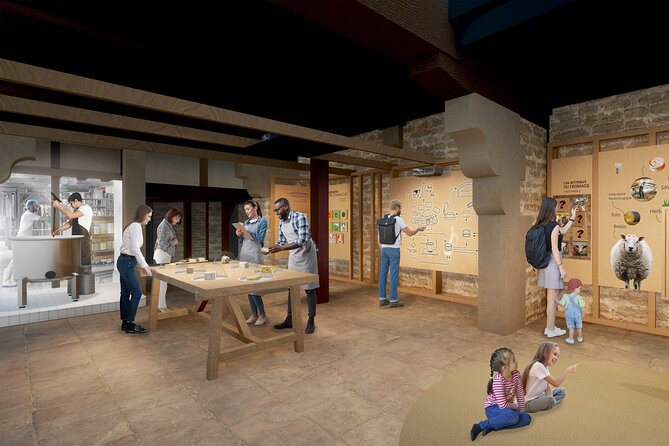
The Musée Vivant du Fromage is not a grand national museum with vast galleries. It is a compact, focused visit built around one central French pleasure: cheese. That narrow focus is its strength. In about an hour, you get history, production methods, a live encounter with a cheese maker, and a tasting.
The location helps. After seeing Notre Dame, you can walk to Île Saint-Louis and add something distinctly local without committing half a day. The museum is near public transportation, and the wide choice of departure times makes it easier to fit around church visits, a Seine walk, or lunch.
At $23.97 per person, this is not the cheapest way to eat cheese in Paris. A market stall or fromagerie will cost less. You are paying for the explanations, the setting, and the chance to connect the food on your plate with the work behind it. I see the price as fair if you want a guided cultural activity, but less appealing if your only goal is a few bites.
More cheese and food museums in Paris:
- Paris: Living Cheese Museum Guided Tour with Cheese Tasting
★ 4.8 · 182 reviews - Guided Visit to the Estrella Galicia Museum with Cheese Pairing
★ 5.0 · 218 reviews - Fuerteventura: Tickets to Salt, Cheese and Windmill Museums
★ 4.4 · 129 reviews
Entering the 17th-century cheese museum
The visit begins with cheese experts who introduce you to the museum before taking you behind the scenes. That backstage angle gives the experience more purpose than a display of old tools and labels alone. You are shown how French cheese developed, how artisans handle curds, and why production methods differ from one region to another.
The museum section is described as a journey through French cheese heritage. Expect the presentation to be compact and basic rather than a long museum tour. One disappointing session found this part too simple, so you should come for the combination of demonstration and tasting, not for a major historical exhibition.
The 17th-century building adds atmosphere. You are not simply standing in a modern classroom with a few cheese boards. The old setting gives the subject a sense of place, especially on an island in the middle of Paris that was once called the cow’s island.
The visit also helps answer questions you may have while shopping in France. Why does one cheese have a soft rind while another is hard? What happens to the curds? How does an artisan handle them without destroying their texture? The point is not to turn you into a cheese maker in one hour, but to give you enough understanding to taste with more attention.
Watching curds become French cheese
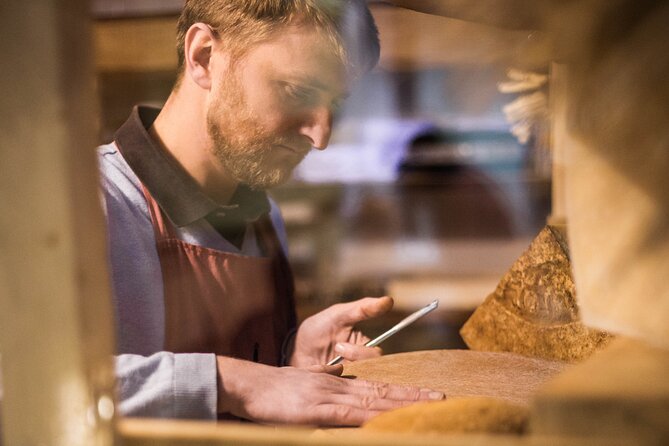
The live cheese-making portion is the most distinctive part of the experience. You meet an artisan who demonstrates the work and explains the small techniques used in production. The emphasis is on the practical gestures that can be hard to understand from a written description.
One particularly strong feature is the chance to ask questions directly. Agathe, one of the named instructors connected with the experience, is described as funny and well informed. Another cheese maker was praised for switching easily between French and English depending on the group. Since the exact expert may vary, you should expect the personality of the presenter to shape the session.
The demonstration is also the part most exposed to real working conditions. One session could not show the cheese-making process because no milk was available. That is an important limitation, not a minor footnote. This is a working demonstration, not a recorded show with every step guaranteed.
There was also an account of people arriving at different times, which made the talk feel less structured. I would not treat that as the normal experience, but it is a useful reminder to keep your expectations practical. The best version of this visit is a clear, well-paced lesson. The weaker version may feel more like a conversation around a cheese maker than a polished performance.
The four-cheese tasting across France
The tasting is the payoff. Four cheeses are included, selected to show different French regions and styles. You are guided through the aromas, textures, and flavors rather than left to guess what sits on the plate.
The selection can move from mild to strong, including a pungent cheese. Do not assume a powerful smell means an unpleasant bite. One tasting included a stinky cheese that proved far more appealing on the palate than its aroma suggested. That is exactly the kind of small surprise that makes a guided tasting worthwhile.
The tasting also gives you a better way to shop later. Instead of choosing a cheese only because you recognize the name, you can pay attention to rind, firmness, scent, and aftertaste. The expert can explain why a cheese tastes as it does and how it fits into French food traditions.
The advertised tasting is four cheeses, though one account recorded three samples. That difference may reflect a change in the session or a serving issue. If the exact number matters to you, ask when you arrive. One poorly prepared session also had too little cheese available, while the positive sessions describe attractive samples and good explanations.
I would treat the tasting as an introduction, not a full meal. The experience lasts about one hour, and the purpose is comparison and instruction. You will likely leave with a better sense of what you enjoy, but you should still plan lunch or dinner separately.
More guided cheese tours in Paris:
- Paris: Montmartre Cheese, Wine & Pastry Guided Walking Tour
★ 4.8 · 2,255 reviews - Paris: French Wine and Cheese Guided Tasting
★ 5.0 · 201 reviews - Paris: Saint-Germain-des-Prés Guided Tour with Wine & Cheese
★ 4.4 · 2 reviews - Louvre & Mona Lisa Guided Tour with Wine & Cheese Experience
★ 5.0 · 2 reviews
Adding wine, or keeping the cost down
An optional glass of wine is offered on arrival, but it is not included in the $23.97 ticket. This can make sense if you enjoy pairing wine with cheese and want the classic French combination. It also adds to the cost, so decide before you arrive if you are watching your budget.
The ticket includes the guided visit, four cheeses, the live cheese-making element, and access to the museum. Tips for the experts are not included. There is no stated requirement to tip, but you can leave something if the guide gives you a useful, engaging session.
At this price, I would compare the experience with other short food activities in Paris. The value is strongest for someone who wants a clear explanation and a cultural setting. It is weaker for someone who already knows French cheese well or simply wants to taste without instruction.
The one-hour length helps. You are not committing to a long tour built around one food. If the subject holds your interest, the time may pass quickly. If you find cheese-making less exciting than expected, the short format limits the damage.
Timing your visit around Île Saint-Louis
A wide choice of departure times is one of the practical advantages. You can place the visit before or after Notre Dame, and the central location makes it easy to combine with time on Île Saint-Louis.
Because the experience is booked an average of 24 days in advance, popular times may fill before your trip. That does not guarantee every departure will sell out, but it suggests you should reserve ahead if your Paris schedule is tight.
Plan to arrive ready for a mostly standing experience. One person found an hour on their feet uncomfortable and wished there had been somewhere to sit. Seating is not listed as part of the experience, so anyone who needs regular rest should keep that in mind.
The activity is offered in English, and most people can take part. It is near public transportation, which makes access straightforward, though the supplied details do not specify a meeting point beyond the museum location on Île Saint-Louis.
Who will enjoy this experience most
I would recommend this visit to food-curious first-time visitors who want a short, focused introduction to French cheese. It is also a good choice for couples, families with older children, and anyone who likes learning how everyday foods are made.
You do not need expert cheese knowledge. In fact, beginners may get the most from the explanations because the tasting gives you a framework for noticing differences. If you are nervous about strong cheese, the guided format can help you try it without making a blind choice.
This is less suitable if you want a polished, tightly scripted attraction. The live demonstration can depend on supplies, and the pace may vary with the group. It may also disappoint visitors expecting a large museum with many rooms and extensive displays.
The tour suits an itinerary that already includes central Paris. You can see Notre Dame, walk the island, and then spend an hour on a French food lesson. It does not need to replace a meal or occupy a major part of your day.
Practical details before you book
Confirmation is provided when you book, and free cancellation is available if you cancel at least 24 hours before the start time. Within 24 hours, you receive no refund, and changes made inside that window are not accepted. The cut-off follows local Paris time.
The ticket is for one person and costs $23.97. The experience is offered in English. The optional wine is extra, and tips are not included.
I would arrive prepared to stand and keep an open mind about the demonstration. The cheese-making element is a real attraction, but it cannot be treated as fully guaranteed in the same way as the museum entry and tasting. If the artisan cannot work with milk that day, the value shifts toward the talk and samples.
You should also remember that the tasting count is advertised as four cheeses, while at least one session served three. That does not erase the main appeal, but it is worth checking if you are booking mainly for the food.
Should you book the Musée Vivant du Fromage?
Book it if you want a short food lesson with real cultural context, especially while sightseeing around Notre Dame and Île Saint-Louis. The strongest sessions offer a lively expert, useful production details, a broad tasting, and a chance to try cheeses you might otherwise avoid.
Skip it if you are looking for a large museum, guaranteed theater-style demonstrations, or the lowest-cost way to eat French cheese. The visit has some working-day uncertainty, and the standing format may not suit everyone.
For most curious visitors, I think the experience earns its place as a one-hour Paris stop. Go for the artisan explanation and the tasting, not just the word museum. If you leave knowing why you like one cheese and not another, and feeling braver at the fromagerie counter, the ticket has done its job.
FAQ
Where does the cheese museum visit take place?
It takes place at the Musée Vivant du Fromage on Île Saint-Louis in central Paris, about five minutes from Notre Dame.
How long does the guided cheese visit last?
The experience lasts approximately one hour.
How many cheeses are included?
The experience includes a tasting of four French cheeses. One account described tasting three, so the exact serving may vary by session.
Is wine included in the ticket?
No. An optional glass of wine is offered on arrival, but it costs extra.
Is the visit offered in English?
Yes. The experience is offered in English, and the cheese experts can explain the visit for English-speaking participants.
Can I cancel for a full refund?
Yes, if you cancel at least 24 hours before the scheduled start time. Cancellations or changes made less than 24 hours before the start time are not refunded or accepted.
Freshly cut around Paris
- Paris: Wine and Cheese Pairing★ 5.0 · 4 reviews
- French Wine and Cheese Master Class Near the Eiffel Tower★ 5.0 · 6 reviews
- Paris Wine and Cheese Tastings Class near Le Marais★ 5.0 · 4 reviews
- Paris Wine with Cheese Pairing & Tasting Small Group Class★ 5.0 · 6 reviews
- Private wine tour to Sancerre vineyards from Paris with Sommelier★ 5.0 · 11 reviews
- Paris Marché d’Aligre Walking Tour with Chocolate and Cheese Tasting★ 3.5 · 24 reviews
- Paris Wine and Cheese Pairing Private Masterclass in a Bistrot★ 5.0 · 7 reviews
- Wine and cheese tasting in Bastille★ 5.0 · 5 reviews
France Cheese Tours, plate by plate.
Paris: Montmartre Cheese, Wine & Pastry Guided Walking Tour
Read our review →
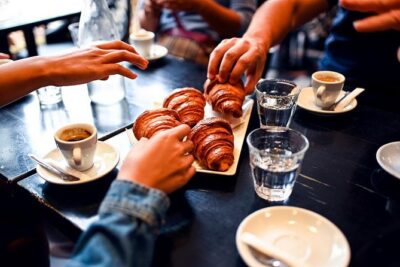
Paris Le Marais Food Tour With 10+ Tastings, Cheese, Wine & More
Read our review →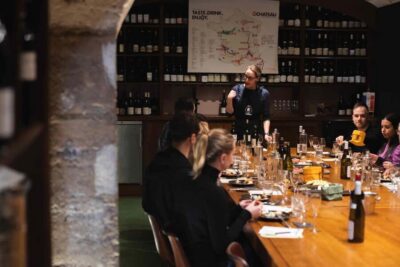

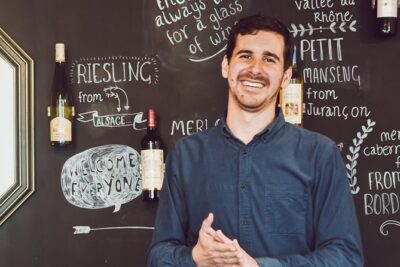
French Wine, Champagne And Cheese Tasting Paris SECRET WINE DOOR
Read our review →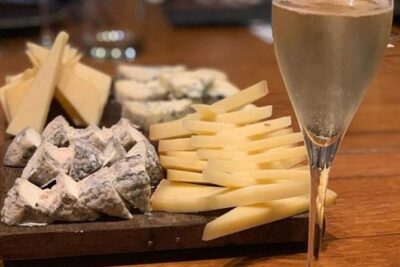
Paris Wine Tasting plus Cheese Lunch with an Expert Sommelier
Read our review →
Paris St Germain Food Tour with Cheeses, Foie Gras, Wines & More
Read our review →Cheese lists with this tasting