
Review · ITALY
Matera: Mozzarella and Cheese tasting with a Cheesemaker
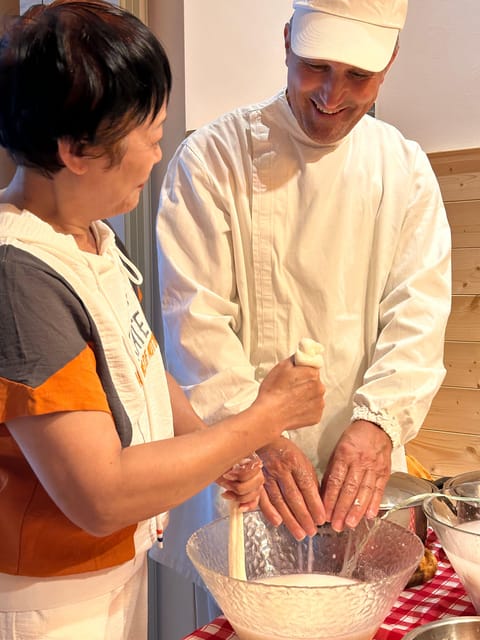
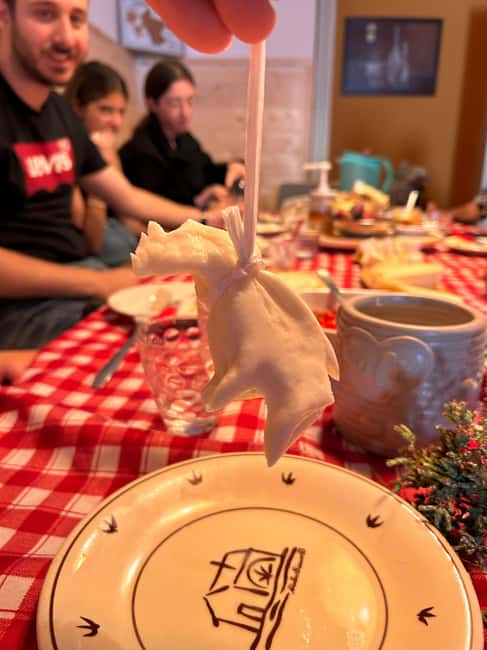
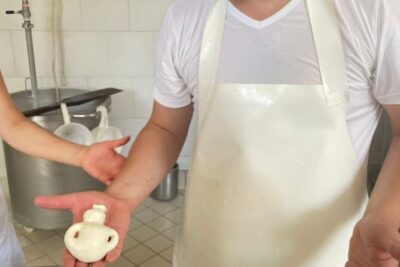
The most memorable part of this Matera experience is getting your hands into warm curd and learning to stretch mozzarella beside a family cheesemaker and his wife. It feels less like a polished cooking show and more like being welcomed into a working home where cheese has been made for three generations. I like the generous farmer’s breakfast, and I like that you do more than taste: you actually attempt the mozzarella-making yourself.
The tasting is unusually broad for a two-hour class, moving from fresh mozzarella and burrata through semi-fresh, semi-matured, and matured cheeses. My main caution is simple: do not eat breakfast first, and do not book this if you have lactose intolerance. The food is plentiful, and the experience is built around dairy from start to finish.
Key points at a glance
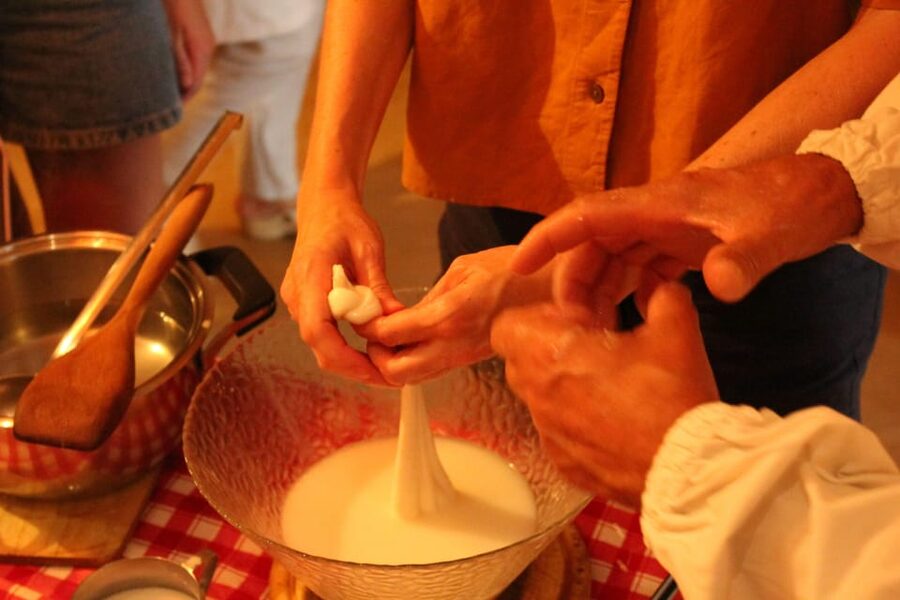
- Hands-on mozzarella stretching: You watch the traditional technique, then try shaping the curd yourself.
- A full farmer’s breakfast: Fresh yogurt, milk, butter, honey, jam, homemade treats, and local bread begin the visit.
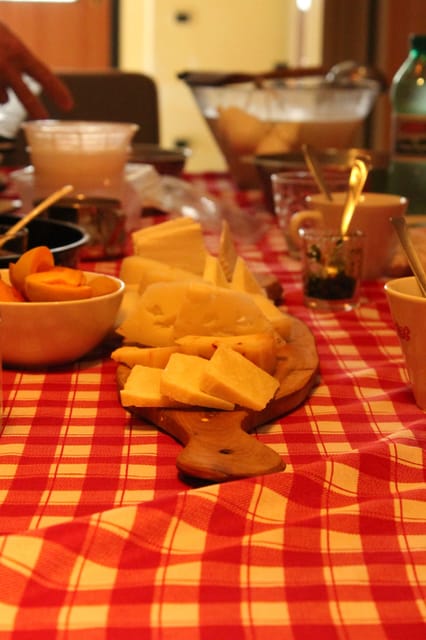
- Eight cheese tastings: The sampling includes mozzarella, burrata, two fresh cheeses, two semi-fresh cheeses, two semi-matured cheeses, and two matured cheeses.
- A family setting: The cheesemaker and his wife host you in their home and explain a family business passed from father to son.
- A useful souvenir: You take home vacuum-packed provolone, scamorza, or another cheese that can be transported for up to 20 days.
- Small-group format: The class is limited to 10 people, with instruction in Italian and English.
Starting with a farmer’s breakfast in Matera
This experience begins with food, not a lecture. You sit down to a typical farmer’s breakfast built around the creamery’s own dairy products: fresh yogurt, fresh milk, fresh butter, local bread, honey, jam, and other homemade treats.
That opening meal matters because it gives you a taste of the products before you see how they are made. Fresh milk and butter are not abstract ingredients once you have tried them on their own. You can better understand the difference between a mild fresh cheese and a more developed one later in the session.
The breakfast is also substantial. I would plan this as your main morning meal rather than squeezing it between coffee and lunch. One person who took the class advised arriving hungry, and that is practical advice. The tasting continues after breakfast, with several rounds of cheese still ahead.
The word organic is part of the experience description, so you can expect the breakfast to focus on organic dairy and homemade accompaniments. The exact homemade treats may vary, but the basic spread includes the items listed above. If you have lactose intolerance, this is not the right food activity for you.
More mozzarella and buffalo dairies in Italy:
- Cooking class with Pasta, mozzarella and Tiramisu with wine
★ 5.0 · 549 reviews - Amalfi: Make Fresh Pasta, Mozzarella & Tiramisù with wine
★ 5.0 · 503 reviews - Amalfi: Prepare fresh pasta, mozzarella and tiramisu
★ 5.0 · 315 reviews
Meeting the family behind the cheese
The class includes an introduction to the family business and its cheese-making tradition. The family has passed the craft from father to son for three generations, and the hosts explain how that work has developed into production of more than 100 kinds of cheese.
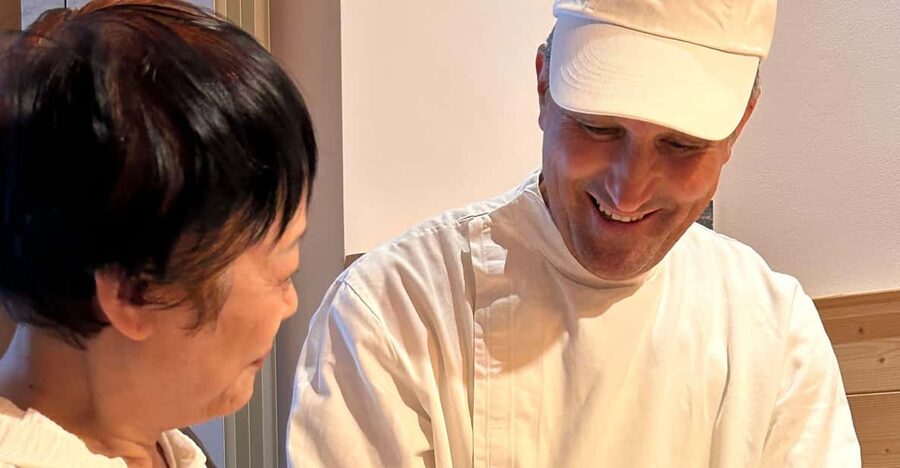
The setting is part of the charm. You meet the cheesemaker and his wife at their home, rather than in a large visitor center. That gives the class a personal tone. You are not simply watching a demonstration from a distance. The hosts share their daily work and guide you through the steps in a relaxed, family-style setting.
The meeting point is the brown door beside the cheese shop. Since transportation is not included, you need to make your own way there. Check the exact starting time when booking, then allow enough time to find the shop and identify the correct door. The meeting instructions are short, so having the location open on your phone is sensible.
The group is limited to 10 people. That is small enough for a hands-on activity to work well, though the experience may feel more intimate with fewer participants. English and Italian are available.
From milk to curd, then to mozzarella
The class follows the cheese-making process from milk onward. You learn about milk processing, cooking, and the transformation of curd into different local cheeses.
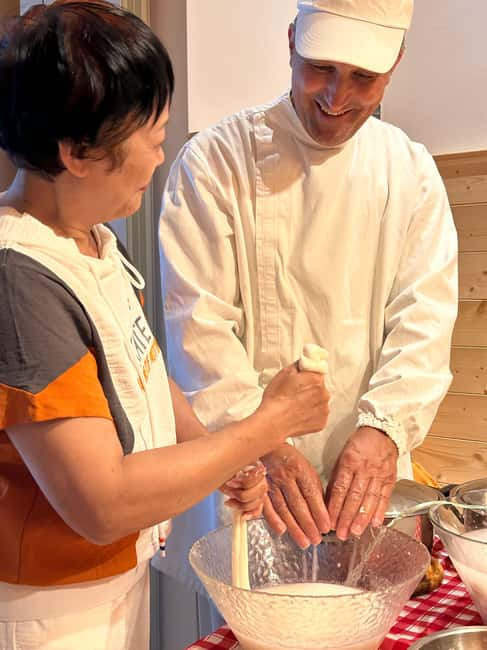
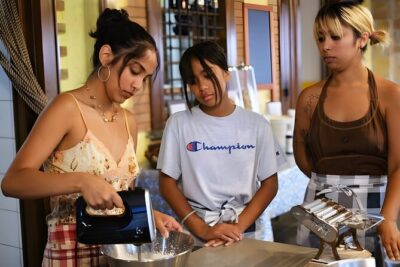
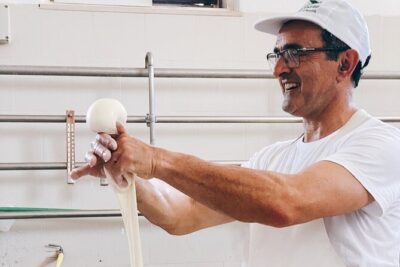
The most active section is the mozzarella stretching. The cheesemaker demonstrates the traditional hand technique, then gives you a chance to work with the curd. This is not the sort of cooking class where you measure ingredients into a bowl and take home a recipe card. The texture, heat, timing, and hand movements all matter.
Your first attempt may not look like a shop-perfect ball. That is part of the fun. The point is to understand how the cheese changes under your hands and why the maker’s technique takes practice. The class lets you try the work without pretending that a short session can replace three generations of experience.
You also work with the idea of burrata, one of the most appealing parts of the tasting. Burrata combines a soft outer shell with a creamy interior, and eating it close to the production process helps explain why freshness matters so much. The local milk is a major part of the experience, and the tasting gives you a chance to compare very fresh dairy with cheeses that have had more time to develop.
Eight styles of cheese in one sitting
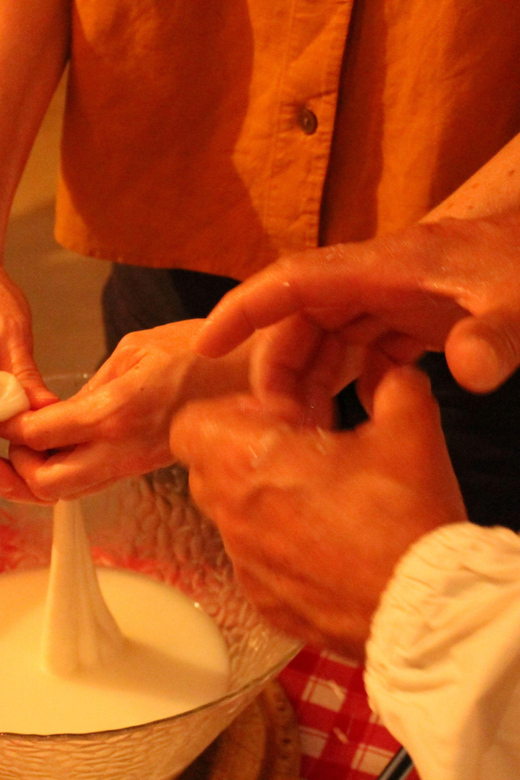
The tasting is not limited to a single plate of mozzarella. You sample freshly prepared mozzarella and burrata, followed by:
- Two fresh cheeses
- Two semi-fresh cheeses
- Two semi-matured cheeses
- Two matured cheeses
That range gives the two-hour visit a clear structure. Fresh cheeses tend to show the clean, milky side of dairy. As the cheeses mature, their texture and flavor change. You can compare the stages instead of trying to remember separate samples without context.
I particularly like this format for people who are still learning what they enjoy. If you already know you prefer a firm, aged cheese, you can see how it compares with soft fresh cheese. If mozzarella and burrata are your favorites, you still get a wider view of the creamery’s work.
The number of samples also explains why the price is not simply paying for a short demonstration. At $77 per person, you are receiving breakfast, instruction, hands-on participation, a substantial tasting, and a packed cheese to take home. It is not a budget snack stop, but the food component is generous and the class covers far more than one tasting plate.
More cheese tours around Italy:
- Authentic Farm Tour with Pizza, Cheese, Wine & Limoncello Tasting
★ 5.0 · 698 reviews - Sorrento Farm by Tuk Tuk: Cheese, Limoncello & Hands-On Pizza
★ 5.0 · 628 reviews - Tour Parmigiano Reggiano dairy and Parma ham
★ 5.0 · 601 reviews - Parma: Parmigiano Production and Parma Ham Tour & Tasting
★ 4.9 · 554 reviews
Why burrata and ricotta get special attention
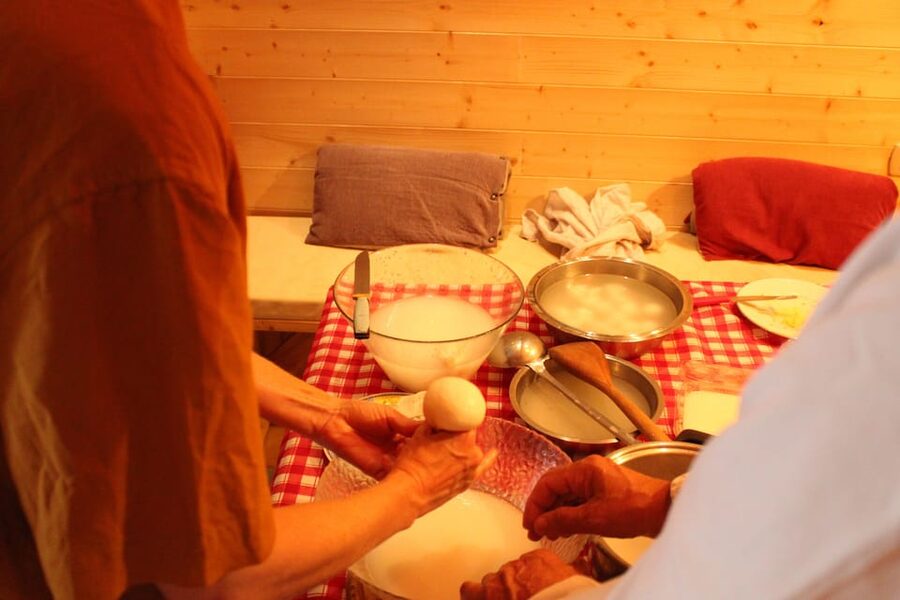
The listed tasting includes mozzarella and burrata, while the hosts also prepare and discuss a range of other cheeses. Fresh dairy is the heart of the class, and that is where the quality of the milk is easiest to notice.
The creamy burrata is likely to be a highlight if you enjoy soft cheese. The fresh ricotta also receives particular attention in the food experience, especially for its smooth texture and clean dairy flavor. Since the exact order and selection can change with production, you should think of these as tasting moments rather than fixed restaurant courses.
This is also a good lesson in timing. A cheese made that day offers something different from a cheese that has rested and matured. The class makes that contrast easy to understand because you taste several stages side by side.
Taking home provolone or scamorza
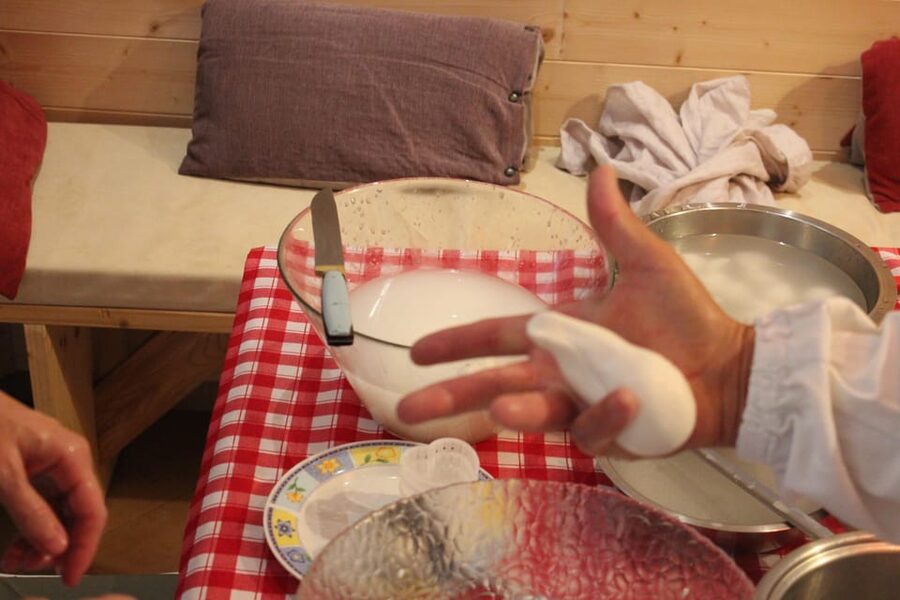
At the end, you receive a small cheese gift in a vacuum package. It may be provolone, scamorza, or another type of cheese, depending on availability.
The package can be transported for up to 20 days without a problem, which makes it more useful than a fragile fresh cheese. You can share it at home or save it for a meal after your return. Vacuum packing also removes some of the worry that comes with carrying dairy during the rest of your trip.
Do remember that this is a food souvenir, not a substitute for checking any rules that apply when you return home. The experience states that the cheese can be transported for 20 days, but your own destination may have separate customs requirements.
How the two-hour schedule works
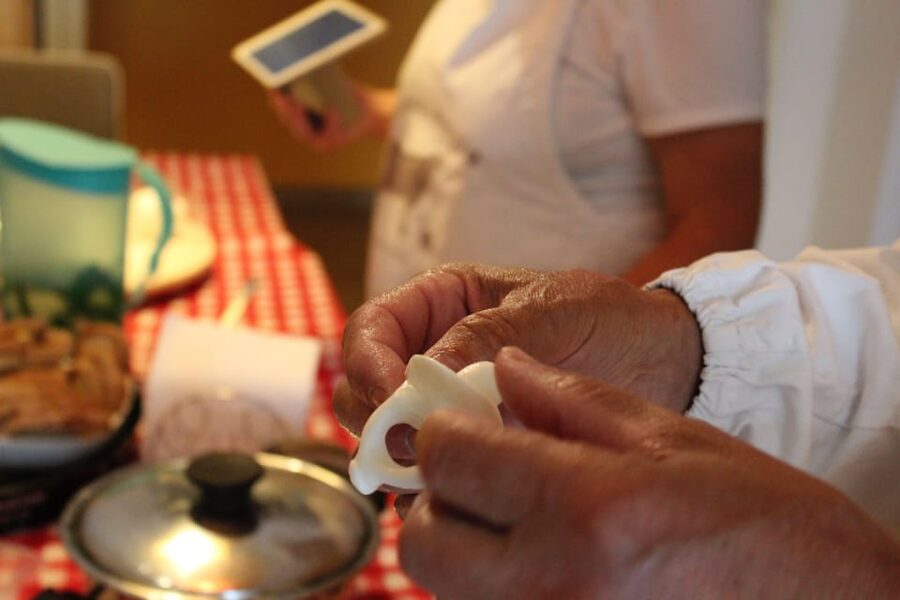
The advertised duration is two hours. In that time, you should expect four connected parts:
- A farmer’s breakfast with dairy and homemade foods.
- An introduction to the family business and cheese-making tradition.
- A demonstration and hands-on mozzarella stretching session.
- A broad tasting of fresh through matured cheeses, followed by the packed cheese gift.
The schedule is full. You will not spend most of the visit listening to a long talk. Food, explanation, demonstration, and participation are mixed together.
Because the experience takes place in a home setting and includes many tastings, the pace may feel generous rather than rushed. Still, two hours is not a full professional cheese course. You will learn the basic stages and try the central technique, but you will not master every one of the more than 100 cheese types made by the family.
Practical details before you book
The price is $77 per person. For a two-hour food experience, that is reasonable if you value a substantial meal and hands-on instruction rather than a quick sample. The packed cheese adds a practical benefit, and the small group keeps the class from feeling like a large commercial tasting.
Transportation is not included. You are responsible for getting to the brown door beside the cheese shop in Matera. The meeting point is simple, but it is worth allowing a few extra minutes because the instructions do not include a pickup service.
The activity is available in Italian and English. If you are traveling with children or friends, the group limit of 10 may make this easier to enjoy than a crowded food tour. The hands-on element also gives the visit more purpose than a passive tasting.
Pets are not allowed. The experience is also not suitable for people with lactose intolerance, since dairy appears in the breakfast, the class, the tasting, and the takeaway gift.
Free cancellation is available up to 24 hours before the experience for a full refund. You can also reserve and pay later, which helps if your Matera plans are still moving around.
Who will enjoy this most
I would choose this for anyone who plans meals around local food. It suits cheese lovers, curious home cooks, couples, small groups of friends, and families who want a personal activity with a strong connection to local work.
It is especially good for you if you enjoy asking questions and trying a technique with your own hands. The mozzarella session gives you something to do, while the breakfast and tastings keep the class relaxed and social.
You may want a different activity if you prefer a formal culinary school, a short tasting with no meal, or a tour that includes transportation. This is a dairy-focused visit, not a general introduction to Basilicata’s cuisine. The two-hour format gives you a focused look at one craft rather than a broad food tour around Matera.
Should you book the cheese-making class?
Book it if you want an authentic, food-centered experience where you can meet a family cheesemaker, eat a very generous breakfast, try mozzarella stretching, and compare eight types of cheese. The home setting and the chance to take home vacuum-packed provolone or scamorza give it more personality than a standard tasting.
Skip it if dairy does not agree with you, if you have already eaten a large breakfast, or if you need transport included. For everyone else, $77 buys a full morning of food, instruction, and personal contact. I would arrive hungry, wear clothes you do not mind using during a hands-on food session, and keep room in your luggage for the cheese gift.
FAQ
Where does the cheese-making experience meet?
Meet at the brown door beside the cheese shop in Matera.
How long does the activity last?
The experience lasts two hours.
What languages are available?
Instruction is available in Italian and English.
How many people can join the group?
The group is limited to 10 participants.
Is breakfast included?
Yes. The organic farmer breakfast includes fresh yogurt, fresh milk, fresh butter, local bread, honey, jam, and homemade treats.
What cheeses will I taste?
You will taste freshly prepared mozzarella and burrata, plus two fresh cheeses, two semi-fresh cheeses, two semi-matured cheeses, and two matured cheeses.
Can I take cheese home?
Yes. You receive provolone, scamorza, or another cheese in a vacuum package. It can be transported for up to 20 days without a problem.
Freshly cut around Italy
- Wine Tasting with Cured Meats & Cheeses in Florence★ 5.0 · 2 reviews
- Vico Equense: Tour in the dairy “Mozzarella Experience”★ 5.0 · 19 reviews
- Turin: Gastronomy tasting through oil, wine and cheese★ 5.0 · 2 reviews
- From Parma/Cinque Terre: Truffle & Parmesan Picnic (Tasting)★ 5.0 · 2 reviews
- Tuscany: Ripalte Design Winery Wine and Cheese Tasting Tour★ 4.7 · 15 reviews
- Prosecco Hills Wine and Cheese Gourmet Discovery★ 5.0 · 6 reviews
- The Valpolicella food & wine driving tour: cheese factory+ winery★ 5.0 · 6 reviews
- Premium Cheeses and Gins Tour in the Prosecco hills. Full lunch!★ 5.0 · 3 reviews
Mozzarella and Buffalo Cheese Tours, plate by plate.
Mozzarella Experience – Cheese Tour and tastings to Masseria Fragnite
Read our review →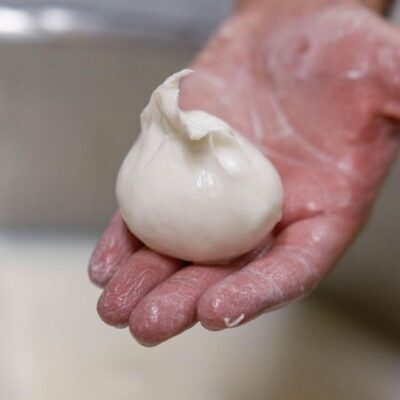
Cheese lists with this tasting