
Review · SPAIN
Paella and Burnt Basque Cheesecake
The best part of this Basque Country cooking class is that you do not merely watch a chef stir a pan. You prepare the food yourself, from starters through two or three types of paella and the famous Burnt Basque Cheesecake. Chef Mikel leads the English-language session, and the work ends with a proper meal in a private dining room.
I like the small maximum of 12 people, which gives everyone a real job in the kitchen. I also like the useful extras: three glasses of local wine, an apron, and recipes to take home. The main consideration is the $147 price, which is not cheap for a cooking class, though it includes a full meal and drinks.
Key points at a glance
- Chef Mikel leads the class in English, with clear instruction and a strong focus on regional food, customs, and technique.
- Everyone cooks, rather than standing behind a demonstration counter.
- The menu is substantial, with starters, fish, meat, and vegetable paella options, plus Burnt Basque Cheesecake.
- The group is limited to 12 people, making it easier to ask questions and take part.
- Three local wines or non-alcoholic drinks are included, along with an apron and electronic recipes.
- The class lasts 3.5 hours, finishing with the food you prepared in a private dining room.
A full Spanish menu in a Bilbao kitchen
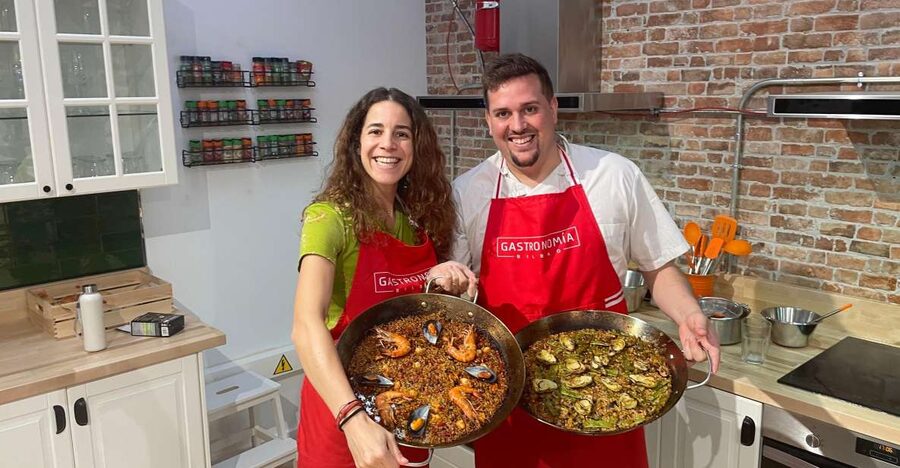
This is a cooking class built around a complete meal, not a quick lesson in one dish. You begin with a couple of Spanish starters, move into paella preparation, and finish by making Burnt Basque Cheesecake from scratch.
That order matters. You are not rushing straight to the main course, and you are not left hungry while someone else does the cooking. The menu gives you a sense of how a Spanish meal comes together, from the first small dishes to the final dessert.
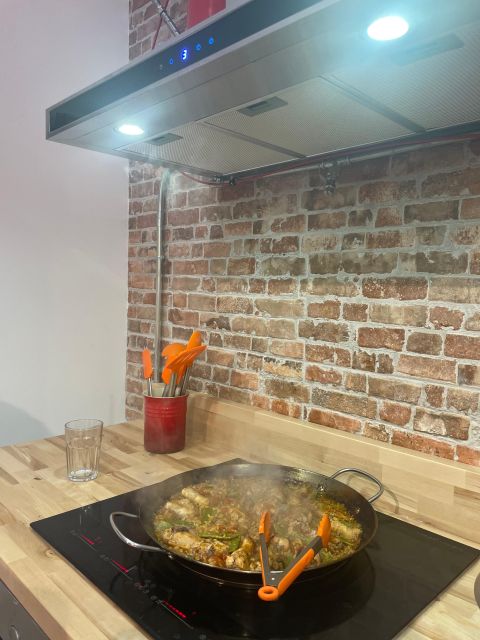
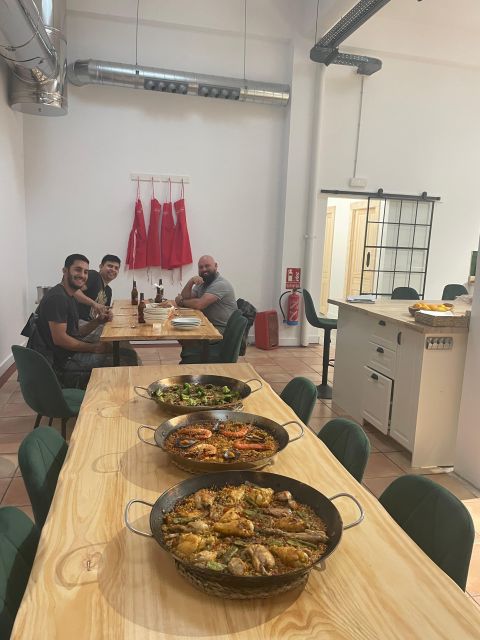
The paella portion is the main event. Depending on the session, you may work with fish, meat, and vegetable versions, with two or three types prepared during the class. That variety is useful because it lets you compare how the same basic dish changes with different ingredients.
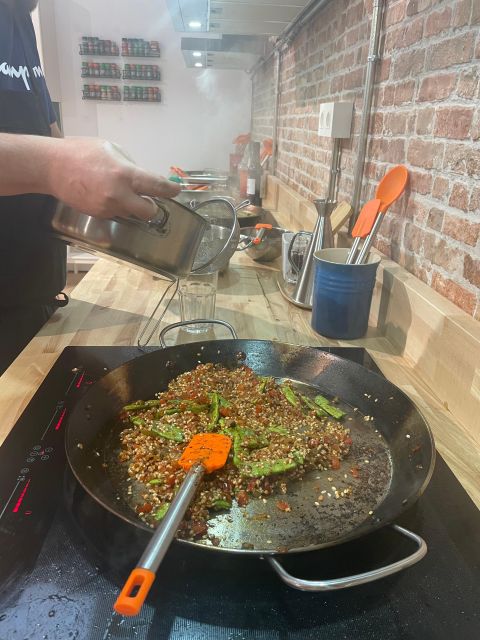
I would not expect a quiet, watch-and-copy demonstration. The experience is described as fully hands-on, so you should be ready to chop, stir, season, and follow instructions. Exact kitchen tasks may vary with the group and menu, but the point is participation.
More dairies, cellars and tasting tables around Spain:
- Tacoronte: Guided Winery Tour with Wine and Cheese Tastings
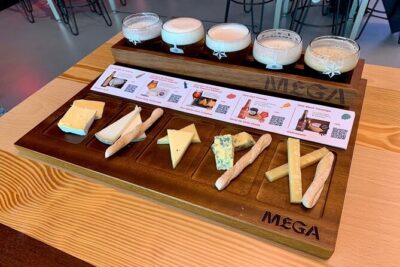
★ 4.6 · 481 reviews - Guided Visit to the Estrella Galicia Museum with Cheese Pairing
★ 5.0 · 218 reviews - Fuerteventura: Tickets to Salt, Cheese and Windmill Museums
★ 4.4 · 129 reviews
Chef Mikel’s practical approach to paella
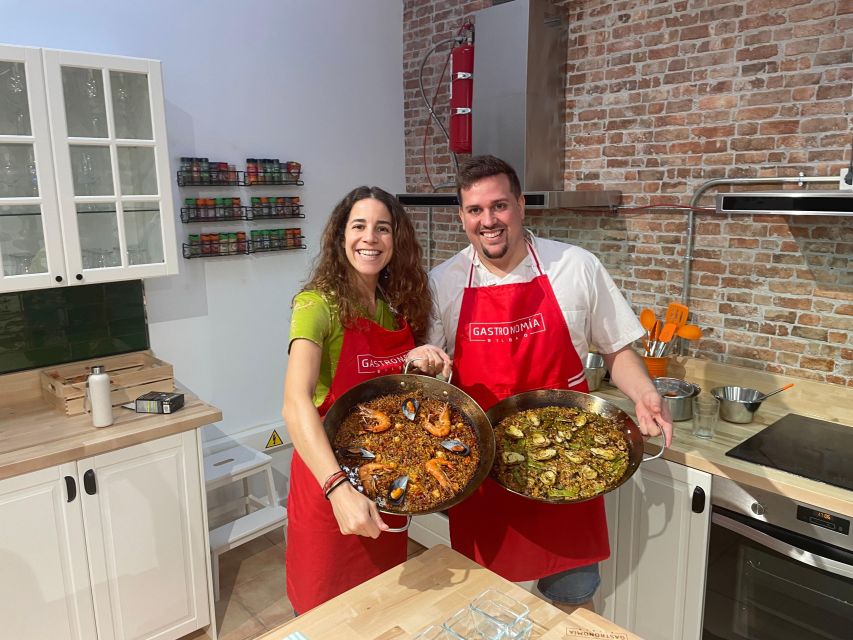
Chef Mikel is the central figure here, and the strongest praise focuses on his teaching. He is described as passionate about regional food, clear in his explanations, and good at sharing local customs as well as recipes.
That combination is worth paying for. A recipe tells you what to add, but a live chef can explain what to look for as food cooks. You can ask why a step matters, how ingredients are handled, or what makes a preparation more traditional.
The class is conducted in English, which makes it a practical choice for international visitors who want direct instruction rather than a translated handout. The supplied electronic recipes help you remember the process later, but the live guidance is the part you cannot get from a cookbook.
A small group also changes the experience. With a maximum of 12 people, you are more likely to have room at the counter and a chance to take part. One particularly useful sign is that the class has also worked with very small groups, including a session for only two people. That suggests the teaching can remain personal rather than becoming a production line.
Why the Burnt Basque Cheesecake matters
The dessert is not an afterthought. You make the iconic Burnt Basque Cheesecake from scratch, which gives the class a clear connection to the region.
The name tells you something about the style: this is the dark-topped, creamy cheesecake associated with the Basque Country, rather than a dense, biscuit-based cake. The class lets you see the preparation before eating it, and the recipe gives you a way to try it again at home.
For many people, the dessert may be the most memorable takeaway. Paella is familiar to diners around the world, but Burnt Basque Cheesecake has become a signature Basque food in its own right. Making both dishes in one session gives you two distinct pieces of Spanish cooking to bring back to your own kitchen.
The class also suits mixed groups well. One person may be eager to learn paella, while another is more interested in dessert. Since the menu includes both, you do not have to choose between a savory cooking lesson and a pastry-style experience.
The kitchen setting and group size
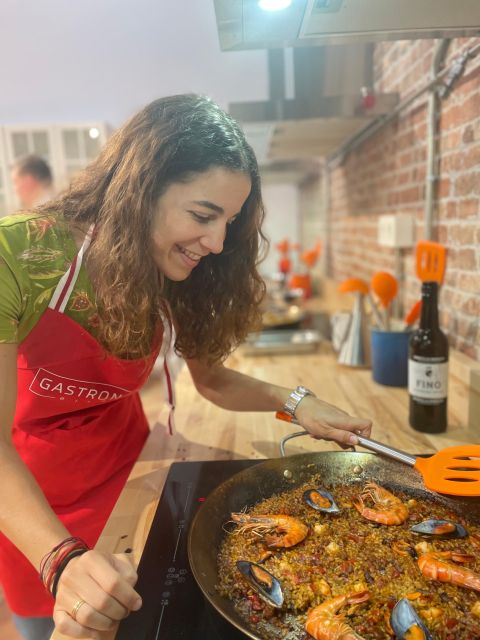
The class takes place in a modern, spacious kitchen that has been described as clean, professional, and welcoming. That matters more than it may sound. A cramped or poorly organized room can make a hands-on class tiring, especially when several dishes are being prepared at once.
Here, the setup is intended for cooking rather than simply watching. The kitchen has been praised for being well organized, and the class includes an apron and all needed materials. You should not need to bring cooking equipment or ingredients.
The maximum group size of 12 is one of the strongest practical features. A larger class can leave you waiting while one person handles each step. Twelve people is still enough for a social meal, but small enough to give the instructor a chance to keep an eye on the work.
There is one sensible point to keep in mind: the class may feel more social than private unless your group happens to be small. If you want a one-on-one lesson, this is not advertised as a private class. Its strength is the balance between personal instruction and meeting other people around a shared meal.
Same region, a different wheel:
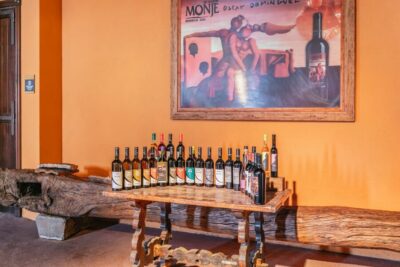
- Tenerife Bodegas Monje Winery Tour with Wine and Cheese Tasting
★ 4.5 · 121 reviews - Fuerteventura: Artisan Goat’s Cheese Making at Local Farm
★ 4.9 · 112 reviews - Menorca: Guided visit to the Subaida cheese factory,
★ 4.5 · 96 reviews - Sangria Workshop and Tasting with Local Cheese
★ 5.0 · 86 reviews
Sitting down to eat what you prepared
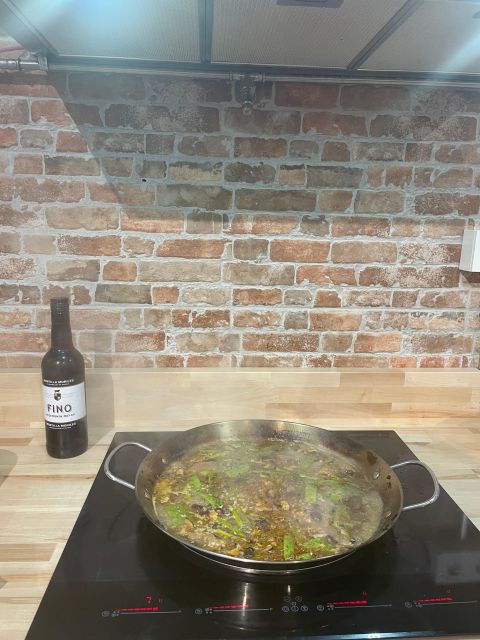
At the end, you move to one of the private dining rooms and eat the food prepared during the class. This is a better finish than simply receiving a small taste before heading out.
The full menu means you should not need lunch afterward. That makes the timing useful for a day in Bilbao, since the 3.5-hour experience combines an activity with a substantial meal. You are paying for instruction, but you are also replacing a restaurant lunch with food you helped make.
The meal also gives you a chance to judge the results. You can taste the different paellas side by side, try the starters, and finish with the cheesecake. That turns cooking advice into something concrete. You are not trying to remember a technique from a demonstration. You can connect the instruction with the dish in front of you.
The private dining room adds a calmer final stage after the kitchen work. It is a good place to slow down, eat, and discuss the food with the group. The included drinks help round out the meal rather than leaving you to arrange beverages separately.
Local wine and non-alcoholic choices
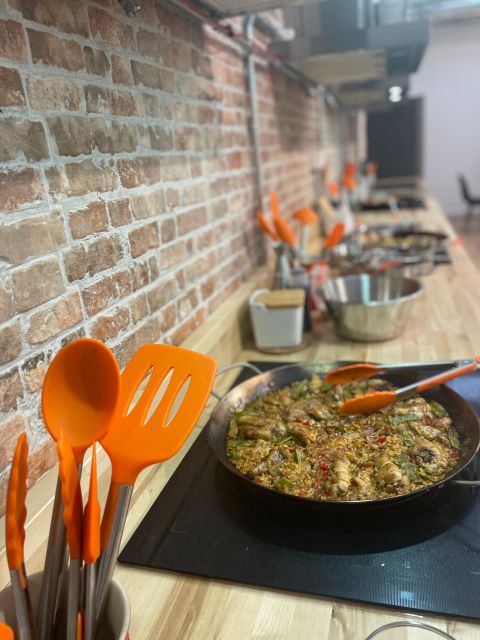
Three glasses of local wine are included with the meal. This is a useful regional touch, since the class is not only about cooking but also about food customs and what people drink alongside the meal.
You do not have to choose wine. Non-alcoholic options are available, so the experience works for people who do not drink, are driving later, or simply prefer another choice.
The three-drink allowance is enough to make the meal feel complete without turning the class into a wine tasting. I would think of it as a food pairing element, not the main reason to book. The cooking remains the focus.
Because drinks are included, the $147 price is easier to assess than it might first appear. You are receiving a 3.5-hour class, ingredients, equipment, an apron, electronic recipes, a full meal, and three drinks. It is still a premium-priced activity, but it bundles several costs that you would otherwise pay separately.
Is $147 good value?
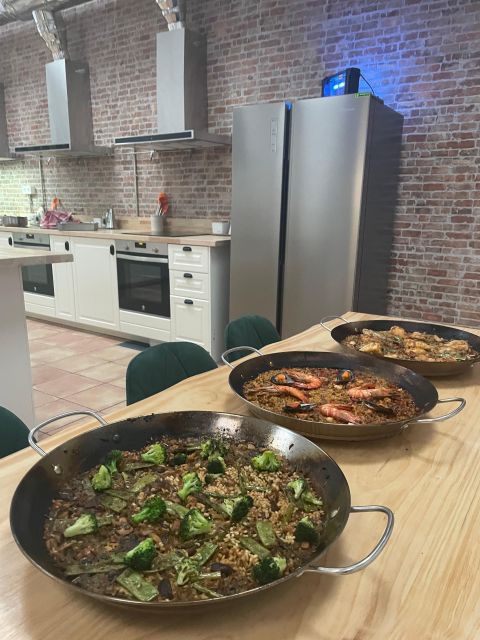
The answer depends on what you want from the experience. If you are looking only for a cheap lunch, the price will feel high. You can eat paella for less at many restaurants, and a cooking class always costs more than a finished plate.
I think the price makes better sense if you value instruction and participation. You are not just buying food. You are paying for Chef Mikel’s guidance, a structured menu, kitchen access, ingredients, drinks, recipes, and time to cook with a small group.
The strongest value comes from the amount of food and the length of the session. A short class followed by a snack would be harder to justify. Here, the experience fills 3.5 hours and replaces a full meal.
The recipes improve the long-term value. You can try the dishes again after returning home, especially the paella and Burnt Basque Cheesecake. Of course, the result will depend on your own ingredients and equipment, but a recipe is more useful than a souvenir that sits on a shelf.
I would book it as a special food experience rather than as a budget activity. It works best for someone who enjoys learning by doing and wants a memorable meal with a regional connection.
Who will enjoy this class most?
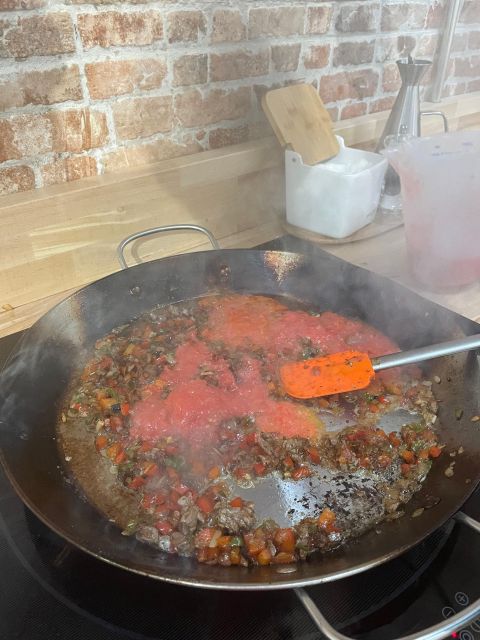
This is a strong choice for couples, families with older children, friends, and solo visitors who like meeting people through food. The small group format gives solo participants a natural way to join a shared activity, while couples and friends can work together without needing to plan a meal afterward.
It also suits cooks at different levels. The information provided does not set a required skill level, and the emphasis is on clear, understandable instruction. You should still be comfortable taking part in kitchen work, but you do not need to arrive as an expert.
Food-focused visitors will get the most from the class. If you are mainly interested in museums, architecture, or sightseeing, this may not be the best use of half a day. It is a slow experience built around cooking, eating, and conversation.
The activity may also suit someone looking for a more personal alternative to a standard restaurant meal. You learn how the dishes are made, then sit down to eat them. That gives the meal a story and a skill attached to it.
What to know before booking
Plan on giving the class the full 3.5 hours. This is not an activity to squeeze between two tightly timed sightseeing stops, especially since the meal comes at the end.
Check the available starting times before booking. The activity does not list one fixed start time, so your daily schedule will determine how easily it fits.
The class is in English, and all materials are provided. You receive an apron and electronic recipes, so you can travel light and still have a record of what you learned.
Cancellation is flexible up to 24 hours before the activity for a full refund. You can also reserve now and pay later, which is helpful if your Basque Country plans are still taking shape.
The experience has a top rating from 15 reviews, with repeated praise for the clean, modern kitchen, clear instruction, organization, and Chef Mikel’s enthusiasm. I would treat those points as useful clues about the teaching style, while remembering that a small sample cannot guarantee every session will feel identical.
Should you book Paella and Burnt Basque Cheesecake?
Book it if you want a hands-on food experience that can replace lunch and leave you with practical recipes. The combination of paella, starters, dessert, local wine, and a small group gives the class more substance than a short cooking demonstration.
The best reason to go is Chef Mikel’s teaching style and the chance to cook rather than watch. The best reason to hesitate is the price. At $147, this is a splurge, not a casual drop-in activity.
For food lovers spending time in the Basque Country, I think the class earns consideration. It gives you a meal, a lesson, a taste of local food culture, and recipes you can use later. If that sounds more appealing than another restaurant lunch, reserve a place. If you want the cheapest possible way to eat paella, spend the money elsewhere.
FAQ
How long does the cooking class last?
The experience lasts 3.5 hours.
What language is the class conducted in?
The live tour guide conducts the class in English.
What dishes will I prepare?
You will prepare a couple of Spanish starters, two or three types of paella, including fish, meat, and vegetable options, and Burnt Basque Cheesecake from scratch.
Is the meal included?
Yes. You eat the full meal prepared during the class in one of the private dining rooms.
Are drinks included?
Yes. The experience includes three glasses of local wine or non-alcoholic drink options.
What is provided for the cooking class?
Ingredients, materials, an apron, and electronic recipes are provided.
Can I cancel the booking?
You can cancel up to 24 hours in advance for a full refund. You can also reserve now and pay later.
Freshly cut around Spain
- Cheese Factory Workshop with Wine Tasting in Requena, Valencia★ 4.5 · 3 reviews
- Guided Tour Montesdeoca Cheese Factory – Cheese and Wine Tasting★ 4.5 · 6 reviews
- Hike the Cork Oak trail and try some Delicious Cheese★ 5.0 · 12 reviews
- Discover the Art of Idiazabal Cheese in the Basque Country★ 4.5 · 9 reviews
- Private Basque Cheese & Txakoli Wine Tour from San Sebastian★ 5.0 · 20 reviews
- Menorca: Cheesemaking and Farm-Fresh Product Tasting★ 5.0 · 29 reviews
- Madrid Bike Tour with Churros and Wine, Ham, and Cheese Upgrade★ 5.0 · 8 reviews
- Mallorca Wine and Cheese Tasting★ 5.0 · 29 reviews
Spain Cheese Tours, plate by plate.
Guided Visit to the Estrella Galicia Museum with Cheese Pairing
Read our review →
Tenerife Bodegas Monje Winery Tour with Wine and Cheese Tasting
Read our review →
Central Madrid: Sangría Workshop & Tasting with Local Cheese
Read our review →Cheese lists with this tasting