Review · PARIS
Paris Art of Pairing Cheese and Wine Tasting in a Cheese Cellar
The best part of this Paris experience is the trip below street level. After meeting at the cheese shop on Île Saint-Louis, you put on a protective suit and enter a cool cellar lined with ripening wheels, rolls, and blocks, including cheeses weighing up to 77 pounds. It feels like a working food space, not a staged tasting room.
I like the small groups of up to 12, which give guides such as Pierre, Gabriel, Agathe, and Paul room to answer questions. I also like the practical pairing advice: after seven cheeses and three wines, you can walk into a Paris fromagerie or restaurant with a better idea of what to order.
The main consideration is that this is as much a cheese lesson as a wine class. You’ll hear about French cheesemaking, regions, and aging, while the wine discussion may feel shorter than the title suggests. The cellar is cold and reached by stairs, so bring a warm layer and wear shoes you can manage comfortably.
Key points to know before booking
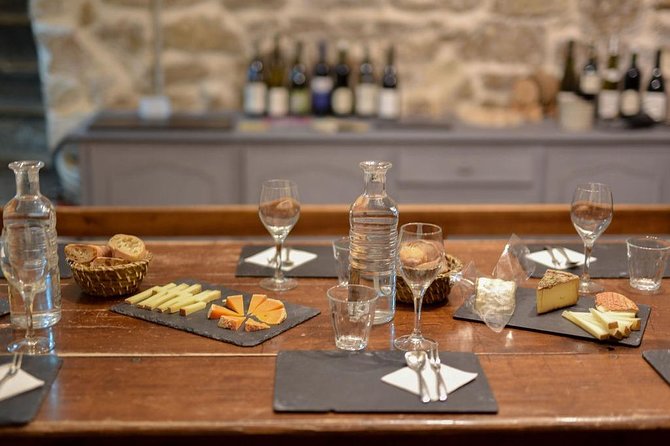
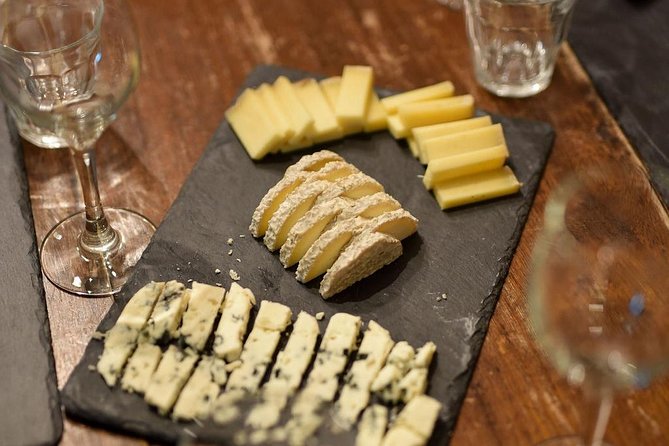
- Seven cheeses and three wines: The tasting includes Gruyère, bôfavre, Camembert, Etivaz, Beaufort, and other selections, served with fresh baguette.
- A real aging cellar: You descend among ripening cheeses and learn why temperature, time, and care shape the final flavor.
- Guides with strong personalities: Sessions may be led by Pierre, Gabriel, Agathe, Paul, Dee, Dion, or another cheese and wine specialist.
- Small-group format: The maximum group size is 12, with some sessions smaller.
- Plan for the cold: Protective clothing is provided, but you should still bring a sweater or jacket.
- A useful first-day activity: The pairing advice can help you make better cheese and wine choices during the rest of your Paris stay.
Entering the cheese world on Île Saint-Louis
The meeting point is 39 Rue Saint-Louis en l’Île, in the heart of Paris. You make your own way there, since hotel pickup and drop-off are not included. The location is near public transportation, and the activity begins and ends at the same meeting point.
The setting matters. Île Saint-Louis is one of the central islands of the Seine, so this tasting fits easily into a day around the river, Notre-Dame, the Marais, or the Latin Quarter. I would not treat it as a quick snack stop squeezed between major sights. Give yourself enough time to arrive without rushing, since a late arrival can mean missing the introductory part.
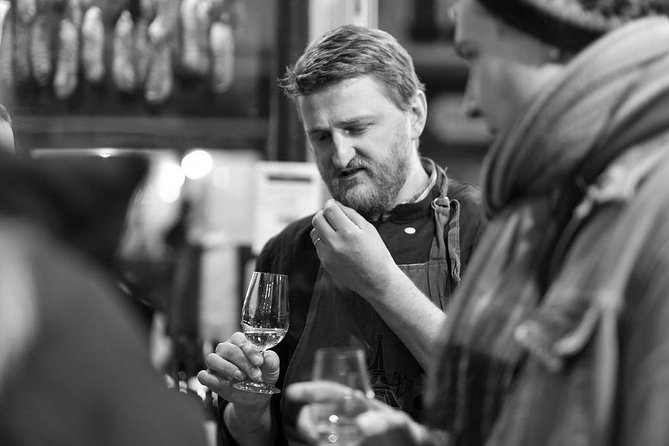
Inside the specialty cheese shop, your guide sets the stage for the tasting. The opening lesson covers French cheese regions, basic cheesemaking, and the role of aging. You learn that the final character of a cheese does not come only from the milk. The aging room, handling, temperature, and time all affect texture and flavor.
That introduction is useful even if you already know your Brie from your Camembert. French cheese labels and regional names can be confusing, especially when you are standing in front of a shop counter with dozens of choices. The guide’s job is to give you a simple framework for understanding what you see.
The people leading these sessions are a major part of the experience. Pierre is described as patient and passionate, while Gabriel is praised for his relaxed teaching style. Agathe brings clear enthusiasm for cheese, and Paul creates an easygoing class atmosphere. Other sessions have been led by Dee, Dion, and Galina.
Because the guide can change, you should not book expecting one particular person unless the provider confirms it. You can expect a host who works closely with cheese and wine and who can explain the food in an approachable way.
More Wine and Cheese Tastings in France
- Paris: Montmartre Cheese, Wine & Pastry Guided Walking Tour
★ 4.8 · 2,255 reviews - Private Montmartre Food Tour with Wine, Cheese & Pastries
★ 5.0 · 1,027 reviews - Paris Le Marais Food Tour With 10+ Tastings, Cheese, Wine & More
★ 5.0 · 985 reviews
Putting on the protective suit and heading downstairs
Before entering the cellar, you put on a hygienic protective suit. This is not a costume or a theatrical touch. It helps protect the delicate cheeses in the aging space, where cleanliness and stable conditions matter.
The cellar is cool, and you should take that literally. A warm shirt or light jacket will make the tasting more comfortable. The protective suit is provided, but it may not be enough for everyone in a cold room, especially if you tend to feel chilled easily.
You reach the cellar by stairs. That is important for anyone with mobility concerns, since the cellar is not accessible by lift according to the available details. Most people can take part, but you should be comfortable with stairs and a cool underground setting.
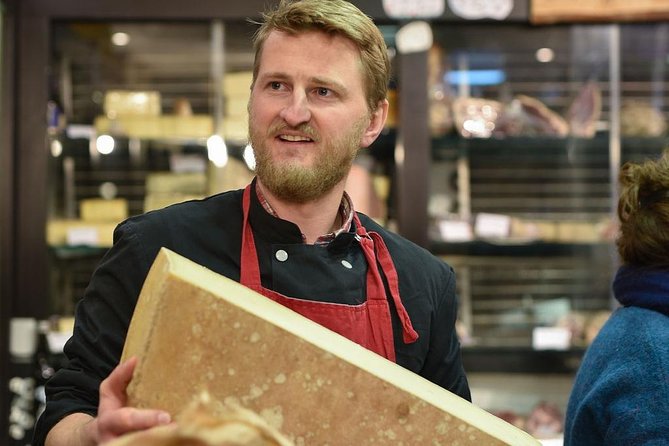
Once downstairs, you see wheels, rolls, and blocks at different stages of ripening. Some are enormous, weighing as much as 77 pounds, or 35 kilograms. The sight helps explain why a cheese cellar is more than storage. It is part of the production process.
The guide explains how cheese changes while it ages. A hard cheese may develop a firmer body and deeper flavor, while a soft cheese can become creamier and more fragrant. You do not need to memorize every technical term. The useful lesson is to notice how a cheese’s age and texture affect the wine that works beside it.
This is also where the experience feels less like a standard tasting flight. You are not simply handed small portions and told to approve or reject them. The surroundings give the food a physical context. You see the size of the wheels, the cool conditions, and the care involved before you taste the finished product.
Seven cheeses, from Swiss mountain styles to Camembert
The tasting includes seven cheeses. The exact selection can vary, but the named examples give you a good idea of the range: Swiss Gruyère, bôfavre from the Jura Mountains, Camembert, Etivaz from the Alps, and Beaufort made from raw cow’s milk.
This is a well-chosen spread for learning. Gruyère and the other firm Alpine or mountain cheeses let you notice dense texture, savory flavor, and the way a hard cheese holds up beside wine. Camembert offers a softer, more delicate contrast. Bôfavre and Etivaz add regional character and help show that not every firm cheese tastes the same.
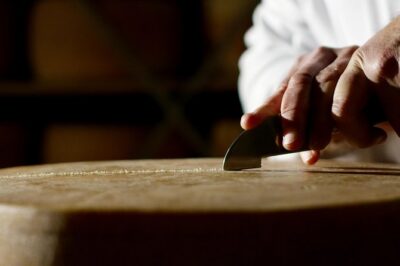
The cheese is cut fresh from the block or wheel. That small detail improves the tasting. You see the portion being prepared, rather than receiving anonymous pieces that have been sitting on a plate. Fresh-cut cheese also makes it easier to compare texture and aroma from one sample to the next.
Your guide helps you taste with more attention. Look at the color and texture first. Then notice the smell before chewing. Let the cheese sit in your mouth for a moment, and pay attention to salt, sweetness, nuttiness, creaminess, or a sharper finish.
You also learn how to eat the cheese with bread. The baguette is not just filler between samples. It gives you a plain base and helps clear your palate before the next pairing. The simple starter, main, and dessert joke is cheese, wine, and bread, but the bread has a real purpose in the tasting.
If you are used to mild supermarket cheese, some samples may seem strong. That is part of the point. The guide can explain how to approach a cheese that smells more powerful than it tastes. You are not being asked to like every variety. You are being shown how to identify what you enjoy.
Three wines and the art of matching flavors
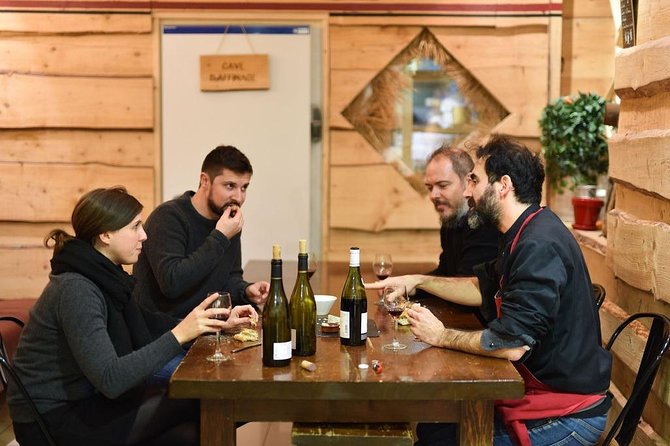
Three wines are served with the cheeses. The focus is on complementary pairings, so you taste the cheese, sip the wine, and compare the effect. A good pairing can soften a salty edge, highlight a nutty note, or make a creamy cheese feel lighter.
The wine instruction is practical rather than overly formal. You are not expected to become a sommelier in 90 minutes. Instead, you learn why a certain wine works with a certain cheese and how to make a sensible choice when faced with a French menu.
This is especially handy in Paris, where menus may list regional cheeses and wines without much explanation in English. One of the useful benefits of the class is help deciphering unfamiliar food terms. You leave better prepared to ask for a recommendation or order with confidence.
Still, keep your expectations clear. The cheese receives more attention than the wine. The history of cheesemaking and the aging process take up a meaningful part of the session. If you want a detailed lesson on French vineyards, grape varieties, and appellation rules, this is not the right class.
If you want a friendly introduction to the way wine supports cheese, it works well. I would describe it as a cheese-led pairing class, not a wine course with cheese on the side.
The alcohol minimum is 18. The experience includes three wines, so it is wise to pace yourself and eat the bread and cheese provided. Anyone who does not drink alcohol should check directly with the provider before booking, since the supplied details do not explain a nonalcoholic alternative.
More Wine and Cheese Tastings in Paris
- Paris: Wine and Cheese Lunch
★ 4.9 · 596 reviews - Cheese & Wine Tasting in Montmartre with Local Cheesemonger
★ 5.0 · 470 reviews - French Wine, Champagne And Cheese Tasting Paris SECRET WINE DOOR
★ 5.0 · 464 reviews - Paris Wine Tasting plus Cheese Lunch with an Expert Sommelier
★ 5.0 · 424 reviews
Why the 90-minute format works
The experience lasts about one hour and 30 minutes. That is long enough to cover the shop, the cellar, the cheesemaking lesson, and the tasting without turning the activity into a full afternoon.
I like this length for a first food experience in Paris. You get a clear introduction without giving up an entire day of sightseeing. It also works well as a break between major attractions, particularly if you want to sit, eat, and learn after walking around central Paris.
The small group makes the time more useful. With no more than 12 people, the guide can respond to questions and adjust the explanation to the group. Some sessions may be much smaller, even down to a private-feeling class with one participant, though you should not count on that when booking.
A small group also makes tasting less awkward. You can ask why one cheese smells stronger than another, how to pronounce a regional name, or what to look for on a Paris menu. Those questions are harder to ask in a large food tour.
The main tradeoff is that the pace may feel full if you want to linger over every sample. Seven cheeses and three wines require some structure. The guide needs to keep the group moving from explanation to tasting, especially when the cellar visit is included.
Is $84.69 a fair price?
At about $84.69 per person, this is not a cheap snack. You are paying for more than the food on the plate. The price covers a specialist guide, access to the cheese shop and cellar, seven cheese samples, three wines, bread, and a small-group lesson.
The value depends on what you want from a tasting. If you only want to eat cheese and drink wine, you can spend less at a Paris market or wine bar. If you want to understand French cheese, see an aging cellar, and get advice you can use for the rest of your trip, the price is easier to justify.
The amount of food sounds generous for a 90-minute session, though it is still a tasting rather than a full meal. The bread helps, but you should not book this as dinner unless you plan to eat elsewhere afterward.
I also see value in taking the class early in your visit. The new vocabulary and pairing tips can shape later choices at restaurants and shops. You may recognize Beaufort, Gruyère, or Camembert on a menu and have a better sense of what to expect.
The 97 percent recommendation rate and 4.9 rating from 386 reviews point to a consistently strong experience, especially around the hosts, cheese selection, and small-group feel. The few reservations are useful too: the session can spend more time on cheese history than the name art of pairing cheese and wine might imply, and communication about a changed meeting address has caused trouble in at least one case.
Who will enjoy this Paris tasting most
I would recommend it to anyone who enjoys food stories as much as food itself. You learn how cheese is made, where different styles come from, and why aging changes what you taste.
It suits first-time Paris visitors who want a local food activity without committing to a long cooking class. It also suits repeat visitors who have already seen the main monuments and want something tied to French daily life.
Couples, families with adult children, and small groups of friends should find the format easy to share. The minimum drinking age is 18, so younger participants cannot drink the wine. The available information says most people can participate, but the stairs and cold cellar deserve attention before you book.
This is less suitable if you dislike dairy, want a full meal, or care much more about wine than cheese. It may also disappoint anyone expecting a large market tour or a long walk through Paris. The activity stays focused on one shop, one cellar, and one tasting lesson.
Practical details that can make the visit smoother
Check your confirmation carefully for the meeting address before leaving your hotel. The stated meeting point is 39 Rue Saint-Louis en l’Île, but a past change of venue was not seen by one participant who relied on a printed ticket instead of current app messages. I would check the latest message on the day of the activity.
Arrive with a sweater or light jacket. You can remove it later, but you cannot add one if the cellar feels colder than expected. Wear shoes suitable for stairs and avoid arriving after drinking elsewhere.
The tour is offered in English and uses a mobile ticket. It starts and ends at the meeting point. Confirmation is issued at booking, and free cancellation is available up to 24 hours before the start time. Cancellations or changes within 24 hours are not refunded or accepted, and the experience can be canceled if the minimum number of participants is not reached.
Should you book the cheese cellar experience?
Book it if you want a focused, friendly introduction to French cheese with enough wine to show how pairings work. The cellar, protective suit, fresh-cut samples, and small group give the activity a sense of place that a casual cheese plate cannot match.
I would book it near the start of your Paris stay, especially if you plan to eat at traditional restaurants or shop for cheese later. Just bring a warm layer, allow time to find the meeting point, and expect a cheese-centered lesson rather than a full wine seminar.
Skip it if stairs are difficult, you want a substantial meal, or your main goal is detailed wine study. For most food-minded visitors, though, the combination of cellar access, seven cheeses, three wines, and practical menu advice makes this a worthwhile Paris stop.
FAQ
Where does the cheese and wine tasting begin?
It begins at 39 Rue Saint-Louis en l’Île, 75004 Paris, France.
Where does the activity end?
The experience ends back at the meeting point.
How long does the tasting last?
The activity lasts approximately one hour and 30 minutes.
How many people can join the group?
The maximum group size is 12 people.
What food and drink are included?
The tasting includes seven cheeses, three wines, and fresh bread.
Which cheeses might be served?
Named examples include Swiss Gruyère, bôfavre from the Jura Mountains, Camembert, Etivaz from the Alps, and Beaufort made from raw cow’s milk. The exact selection may vary.
Is the cellar cold?
Yes. The cellar can be cold, so warm clothing is recommended. A hygienic protective suit is provided.
Is the cellar accessible without stairs?
No. The cellar is accessible by stairs only.
What is the minimum age for drinking wine?
The minimum age to drink alcohol is 18.
Can I cancel for a full refund?
Yes. You can cancel at least 24 hours before the start time for a full refund. Cancellations or changes made less than 24 hours before the start time are not accepted or refunded.
More Cheese Farm Visits in Paris
- Authentic Farm Tour with Pizza, Cheese, Wine & Limoncello Tasting
★ 5.0 · 698 reviews - Sorrento: Farm Tour with Cheese Tasting & Pizza Making Class
★ 5.0 · 503 reviews - Amsterdam: Experience Zaanse Schans Windmills & Cheese Farm
★ 4.1 · 354 reviews - Amsterdam private tour to windmills, cheese farm and villages
★ 5.0 · 262 reviews
Freshly cut around Paris
- Paris: Wine and Cheese Pairing★ 5.0 · 4 reviews
- French Wine and Cheese Master Class Near the Eiffel Tower★ 5.0 · 6 reviews
- Paris Wine and Cheese Tastings Class near Le Marais★ 5.0 · 4 reviews
- Paris Wine with Cheese Pairing & Tasting Small Group Class★ 5.0 · 6 reviews
- Private wine tour to Sancerre vineyards from Paris with Sommelier★ 5.0 · 11 reviews
- Paris Marché d’Aligre Walking Tour with Chocolate and Cheese Tasting★ 3.5 · 24 reviews
- Wine and cheese tasting in Bastille★ 5.0 · 5 reviews
- Paris Wine and Cheese Pairing Private Masterclass in a Bistrot★ 5.0 · 7 reviews
Dairy Farm and Cheese Factory Visits, plate by plate.
Authentic Farm Tour with Pizza, Cheese, Wine & Limoncello Tasting
Read our review →
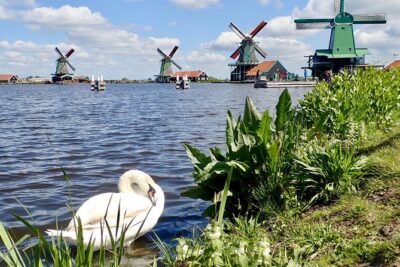
Amsterdam private tour to windmills, cheese farm and villages
Read our review →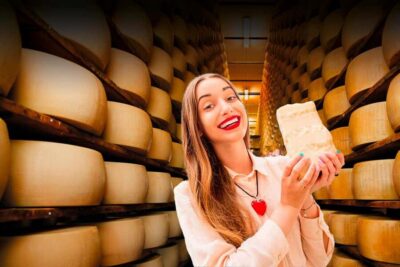
From Parma: Parmigiano Reggiano Farm Tour & Tasting with Transfer
Read our review →