
Review · GREECE
Orange & Natural Wines Of Greece with Cheese & Olive Oils
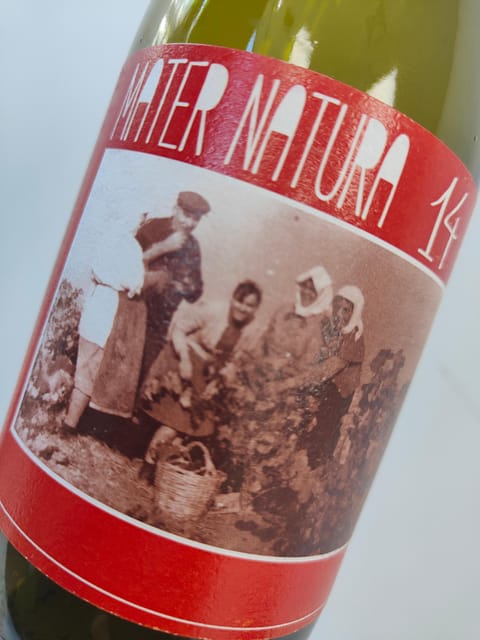
Greek wine gets much more interesting once you move beyond the familiar labels. This one-hour tasting brings six organic, biodynamic, natural, and orange wines to the table, along with cheese, small Greek nibbles, and extra virgin olive oils. Sommelier Anton guides the session in English, explaining what makes each bottle different and how to pair it with food.
I like the focus on small-production Greek wines, including bottles made in amphorae, stainless steel, and cement. I also like that the tasting treats olive oil as more than a side dish, showing how herbs, spices, grape must, and oil can change the way wine tastes. The main drawback is the short format: one hour moves quickly, especially if you want a long discussion about every bottle.
Key points
- Six unusual Greek wines: Taste organic, biodynamic, natural, and orange styles rather than a standard selection of international grapes.
- Anton’s clear English guidance: Expect practical explanations about flavors, winemaking, Greek islands, and food matching.
- Food and wine pairings: Cheese, ancient-style nibbles, herbs, spices, condiments, grape must, and olive oils all play a part.
- A look at Greek wine traditions: Learn about indigenous grape varieties, amphorae, cement, stainless steel, and bottle ageing.
- Limited bottles: Some wines come from runs of only 200 bottles and may be available to buy or ship from the store.
- A focused one-hour stop: At $41 per person, it works best as a compact food-and-drink experience, not a full winery visit.
Six Greek wines beyond the usual bottle
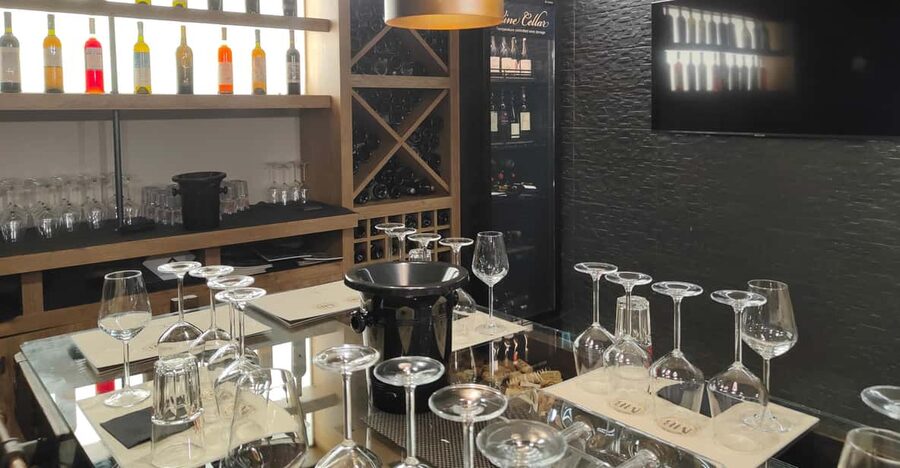
The heart of the experience is simple: six wines, served with the foods and oils that help make sense of them. You are not just handed a glass and left to guess what you are tasting. Anton, a professional sommelier and the owner of the wine shop, leads you through the selection in English.
The wines may include organic, biodynamic, natural, and orange styles. These categories overlap at times, but they point to different choices in the vineyard and cellar. Organic farming avoids certain synthetic treatments. Biodynamic production follows an even more particular farming philosophy. Natural wine usually involves low intervention in the cellar, while orange wine is made from white grapes fermented with their skins, giving the wine more color, texture, and grip.
That range matters. A conventional tasting can leave you with six versions of roughly the same idea. Here, you get a better chance to notice how farming, fermentation, ageing, and grape variety affect what lands in your glass.
I would not book this expecting a polished parade of famous labels. The appeal is the opposite. Greece has more than 340 indigenous grape varieties, and some are rarely seen outside the country. The selection is designed to show that Greek wine has its own character, rather than simply copying the styles of France, Italy, or California.
More Wine and Cheese Tastings in Greece:
- From Chania: Olive Oil, Wine, Cheese & Honey Tasting Tour
★ 4.6 · 490 reviews - Athens: Acropolis Wine Tasting with Cheese and Olives
★ 4.9 · 337 reviews - Cheese & Wine Trails – Naxos
★ 5.0 · 29 reviews
Anton’s way of explaining the glass
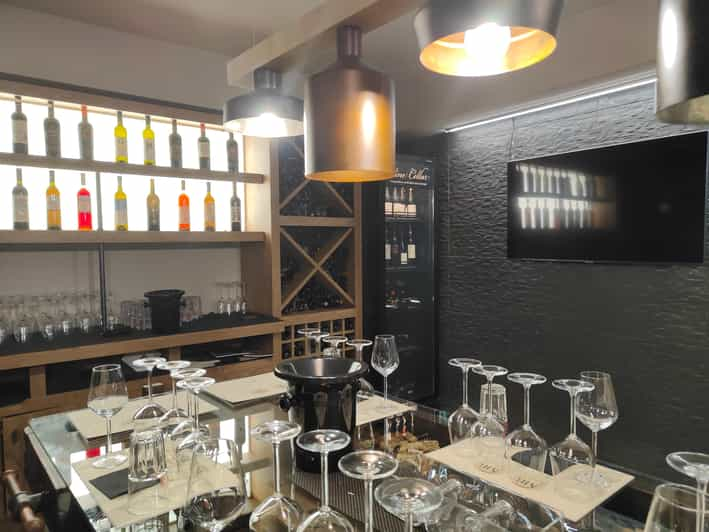
The guide can make or break a tasting, and Anton seems to be a strong reason to book this one. He explains wine in accessible English, with a warm manner and a good sense of humor. That is useful if you enjoy wine but dislike lectures full of technical language.
You can expect discussion of flavors, production methods, and the story behind the wines. Anton also draws connections between the Greek islands and the bottles in front of you, helping you see how broad the country’s wine culture is. One particularly useful feature is his willingness to offer recommendations for other wineries during the rest of your time in Greece.
I like this practical approach. You do not need to arrive with a firm grasp of tannins, lees, skin contact, or fermentation vessels. If you know only that you enjoy dry white wine or bold red wine, that is enough to start. The tasting gives you a vocabulary for describing what you like without turning the hour into a classroom exam.
The session is in English, and the available information does not specify the group size. If you prefer quiet, private attention, it is sensible to ask about that before booking. The tasting is also limited to adults, with no children under 18 permitted.
Why the orange wine earns attention
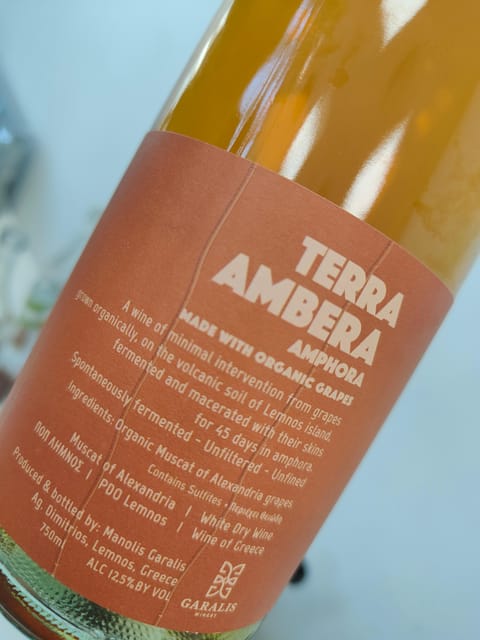
Orange wine is likely to be the most unfamiliar pour for many people. It is not made from oranges. It is white wine made with extended contact between the grape juice and skins, a technique that can bring color, texture, spice, and a more structured feel.
The style can be surprising, especially beside a crisp white wine. You might notice that it feels less soft and simple, with more grip on the finish. One participant particularly enjoyed the orange wine, which is a good reminder that a tasting like this can help you find a new favorite rather than confirm what you already know.
I appreciate that the orange wine is not treated as a novelty trick. It sits within a larger discussion about older methods and renewed interest in low-intervention winemaking. Greece has a strong connection to ancient wine production, and the tasting links present-day bottles with techniques that use clay amphorae and other traditional vessels.
Still, orange wine is not guaranteed to please everyone. If you prefer light, very clean, modern whites, its texture may feel unusual. That is part of the value, but it is also a reason to approach the tasting with curiosity rather than expecting six easy-drinking crowd pleasers.
Amphorae, cement, steel, and careful ageing
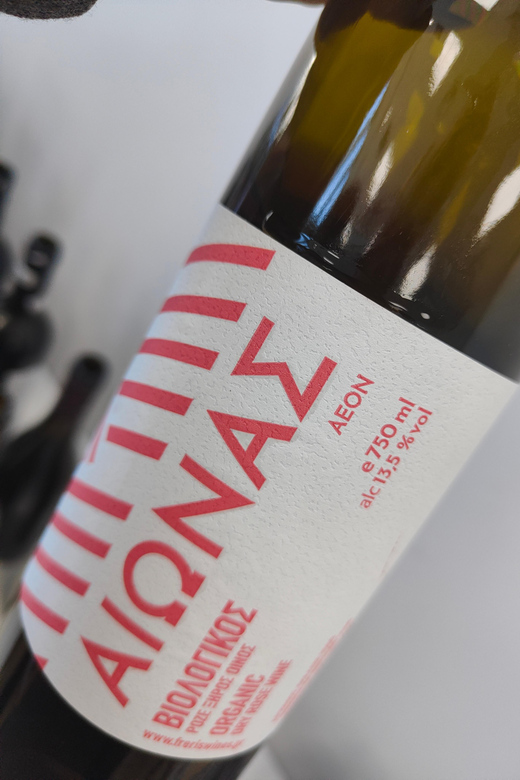
The winemaking conversation goes well beyond grape names. You learn how Greek producers use clay amphorae, stainless steel, plain cement, and sometimes oak. Each material can affect the wine, although the grape, fermentation, ageing, and producer’s choices matter just as much.
Amphorae connect the tasting to ancient Greek wine culture, but the point is not that old methods are automatically better. Stainless steel can preserve freshness. Cement can give a different texture without the obvious flavor of oak. Oak may add its own notes, while longer bottle ageing can soften and join the elements together.
This is where Anton’s guidance has real value. A bottle described as natural or ancient-method is not automatically good. The useful question is how the choices work together. You get the chance to taste first and then connect the flavor to the production method.
Greece also has helpful conditions for these wines. Indigenous grapes, hot days, and dry winds can support healthy fruit and concentrated flavors. Those conditions do not guarantee a fine bottle, but they help explain why Greece is well suited to wines with strong local identity.
More cheese tours around Greece:
- Crete: Farm Visit with Cheese Tasting and Milking Experience
★ 4.9 · 109 reviews - Cheese and Wine Tasting (Guided Tour INCLUDED)
★ 4.5 · 14 reviews - Beer Tasting Evening Experience in Athens with Greek Cheeses
★ 5.0 · 14 reviews - Naxos Mythology & Ancient Sites Tour with Cheese & Wine
★ 4.5 · 12 reviews
The food pairings are part of the lesson
The nibbles are not an afterthought. Cheese, small ancient-style bites, herbs, spices, condiments, concentrated grape must, and olive oils help show how wine behaves with food.
A simple pairing can reveal something a sip alone hides. A wine that seems sharp by itself may feel rounder with cheese. A bold wine may need a stronger-flavored bite rather than something delicate. The guiding rule is practical: powerful wine with powerful food, complex wine with complex food.
I like this because it gives you ideas to use at home. You are not only learning which wine you prefer. You are learning how to serve it. The concentrated grape must is especially interesting, since it brings a sweet, dense grape flavor that can shift the balance of a bite.
The food is described as nibbles rather than a meal. Come prepared for a tasting, not lunch or dinner. If you need a substantial meal, plan that separately. The one-hour format leaves little room for a large spread, slow grazing, or a long pause between samples.
Extra virgin olive oil gets its own moment
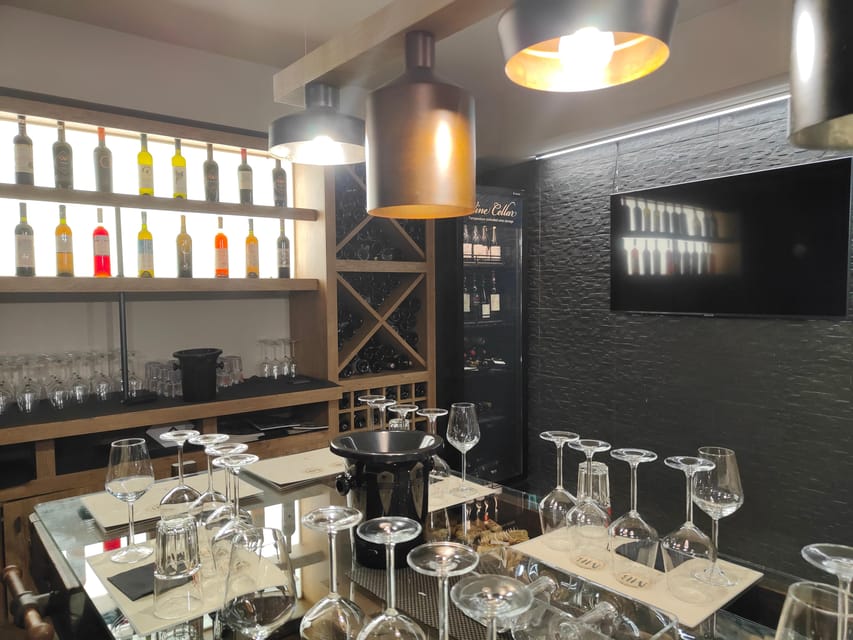
The olive oil portion gives this tasting a useful second subject. Greece is known for extra virgin olive oil, but many people still judge it only by whether it tastes pleasant. This experience introduces the idea that oil has its own aromas, texture, freshness, and food matches.
You may explore how oil works with cheese, herbs, spices, and other small bites. The goal is to notice the difference between an ordinary cooking oil and a carefully made extra virgin product. It is a small lesson, but a valuable one if you plan to bring Greek oil home or use it in your own kitchen.
I like the combination of wine and oil because it makes the hour feel more connected to everyday Greek eating. Wine is not presented in isolation. It is tied to the table, to condiments, and to the way simple ingredients can change one another.
The available details do not specify the exact number of oils or the names of individual producers. If olive oil is your main interest, ask how much of the session is devoted to oil before booking. The central focus remains the six wines.
A useful introduction to limited Greek bottles
Some of the wines offered are made in very small quantities, with certain bottlings limited to about 200 bottles. That gives the tasting a sense of discovery, but it also has a practical side. These are not necessarily wines you will find at an ordinary supermarket once you return home.
The store may have selected bottles available to buy or ship. That can be helpful if you find a wine you love and want to continue the experience later. It is also worth remembering that small production can mean limited availability and changing stock.
I would keep notes on the names of the grapes, producers, and bottles you enjoy. With six wines in an hour, details can blur. Asking Anton for a recommendation based on your taste is likely more useful than trying to remember every label by sight.
Do not assume that a rare bottle is automatically the right purchase. Taste first, ask about the style, and consider how you would drink it. A highly unusual natural wine may be exciting at the tasting but less practical if you want something easy to serve with a simple meal.
Is $41 a fair price for one hour?
At $41 per person, the price is reasonable if you want a guided tasting rather than a quick sample at a shop. You receive six wines, nibbles, olive oils, and an explanation of Greek wine culture from a professional sommelier. The unusual selection adds value, especially if you are interested in organic, biodynamic, natural, or orange wines.
The price is less attractive if you are mainly looking for a full meal, a winery tour, or a long afternoon of relaxed drinking. The format lasts only one hour, and there is no indication of vineyard transport, a cellar tour, or a full food menu.
For me, the best value comes from the education. Anton can help you understand what you are tasting and point you toward other wineries for the rest of your trip. That advice can save you from choosing random bottles or spending a day at a place that does not match your interests.
Free cancellation up to 24 hours before the start and the option to reserve without paying immediately make it easier to fit into a changing Greece itinerary. Check the available start times, since the experience is offered for one hour and the exact schedule is not fixed in the details provided.
Who will enjoy this tasting most?
I would recommend it most strongly to adults who like trying unfamiliar wines and want a local point of view. It is a good match for people curious about natural wine, low-intervention production, orange wine, indigenous grapes, and food pairing.
It also suits a couple or small group looking for a compact activity between sightseeing plans. One hour is short enough to fit into a busy day, and the tasting gives you something more specific than another stop for a standard glass of wine.
You do not need to be an expert. In fact, the accessible explanations make it suitable for beginners who want to understand why two wines taste different. It can also work well for experienced wine drinkers who want bottles outside the usual international range.
I would hesitate if you dislike experimental wine styles or want only familiar varieties. I would also skip it if you need a complete meal, a vineyard visit, or a long, slow tasting. The experience is focused, urban-style wine-shop education rather than a countryside winery outing.
The activity is not suitable for children under 18 or people over 95. The supplied information does not give details about wheelchair access or the physical layout, so ask the provider if those points matter for you.
Should you book CRU BEE-HAVING?
Book this tasting if you want to understand why Greek wine deserves attention beyond the standard tourist bottle. The strongest reasons are the six varied styles, Anton’s clear guidance, the unusual orange wine, and the food and olive oil pairings that help you taste with more purpose.
The main caution is simple: one hour goes fast. You will sample a lot, but you will not get a full winery day or a large meal. At $41, it offers good value for a focused introduction to small-production Greek wines, especially if you plan to visit other wineries afterward.
For curious drinkers, I would make room for it early in your Greece plans. You may leave with a few favorite grapes, a better sense of what natural wine means, and a shopping list of bottles that are far more interesting than a generic souvenir.
FAQ
How long does the wine and olive oil tasting last?
The experience lasts one hour. Check the available start times when booking.
How many wines are included?
You will taste six wines. The selection may include organic, biodynamic, natural, and orange wines from Greece.
Is the tasting conducted in English?
Yes. The instructor, Anton, leads the tasting in English.
What food is served with the wine?
The tasting includes nibbles, cheese, herbs, spices, condiments, concentrated grape must, and extra virgin olive oils. It is a tasting selection, not a full meal.
Is the activity suitable for children?
No. Children under 18 are not permitted.
Can I cancel the booking?
Yes. You can cancel up to 24 hours in advance for a full refund. You can also reserve now and pay later.
Freshly cut around Greece
- Naxos Mythology & Ancient Sites Tour with Cheese & Wine★ 4.5 · 12 reviews
- Naxos Farm Experience and cheese making★ 5.0 · 5 reviews
- Ios: Cooking Experience with Cheese and Wine Tasting★ 5.0 · 6 reviews
- Culture & Taste Tour★ 5.0 · 6 reviews
- Cheese and Wine Tasting (Guided Tour INCLUDED)★ 4.5 · 14 reviews
- Cretan Farm Tour with Cheese-Making, Olive Oil Tasting & Picnic★ 5.0 · 10 reviews
- Cheese and Wine Tasting Tour From Chania★ 5.0 · 7 reviews
- Explore Shepherd’s Hut and Cheese Making Process★ 5.0 · 2 reviews
Wine and Cheese Tastings, plate by plate.

Paris: Montmartre Cheese, Wine & Pastry Guided Walking Tour
Read our review →




Paris Le Marais Food Tour With 10+ Tastings, Cheese, Wine & More
Read our review →Cheese lists with this tasting