
Review · GREECE
Naxos: Myths & Ancient Sites with Cheese and Wine Tasting
Naxos reveals its myths best outside the main town, where marble temples, olive trees, vines, and farm fields give the old stories a real setting. This four-hour outing links Demeter’s sanctuary with the ancient site of Yria, then adds cheese, wine, olives, and olive oil to the lesson.
I like the way the tour joins archaeology with food rather than treating the ruins as silent stones. I also like the efficient route in a private Mercedes van, with entrance fees and an English-speaking certified guide included.
The main consideration is pace. You spend only half a day on the island, but the schedule gives 75 minutes at Demeter and 105 minutes at Yria. That suits you if you want focused visits, but not if you prefer long, unhurried time at each site.
Key points to know before you book
- Demeter’s Temple comes first: Spend 75 minutes learning about the goddess, the sanctuary, and the myth of Persephone and the changing seasons.
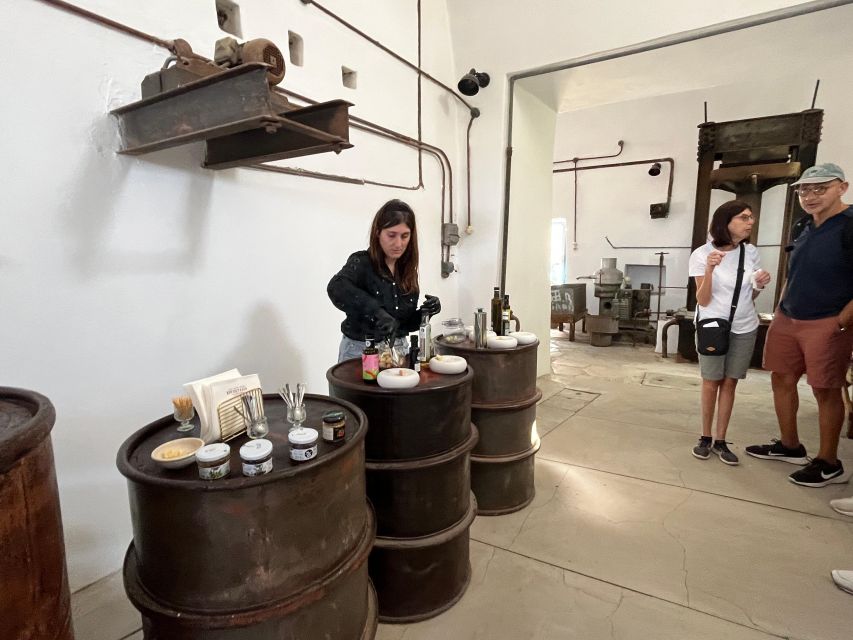
- Sangri brings the myths to the table: A 40-minute tasting includes cheese, wine, olives, olive oil, and other local products.
- Yria is the longer archaeological visit: Allow 105 minutes for the sanctuary connected with Dionysus, wine, harvest celebrations, and Ariadne.
- The route begins at Naxos Port: Meet the guide in front of the local bus ticket office, where she will hold a Naxos Cultural Tours sign.
- The tour costs $229 per person: That price covers transport, a professional English-speaking certified guide, archaeological entrance fees, and tastings.
- You can cancel up to 24 hours ahead: The booking also allows you to reserve now and pay later.
Why these Naxos myths work better in the countryside
Greek mythology can feel abstract when you meet it only in a book or museum. Here, the stories are tied to actual sanctuaries, farm country, marble, vines, and the seasonal work that shaped island life.
The tour begins with a drive through Naxos countryside. You pass rocky slopes, green hills, and open plains before reaching Sangri. This is useful context: Demeter was linked to agriculture, fertility, and the growth of crops, so the setting helps you understand why her sanctuary was placed above fertile land.
The guide also brings in the wider cast of Greek myth. You may hear about the gods and goddesses of Olympus, Theseus, Odysseus, Persephone, Dionysus, Ariadne, and Zeus as Xenios Zeus, the god associated with hospitality. The storytelling gives the route a clear theme, but the tour still spends real time at physical monuments and archaeological sites.
I see this as a good choice if you want more than a standard island drive. You are not simply looking at views from a vehicle. You are moving between places that connect food, farming, worship, wine, and old stories.
More Wine and Cheese Tastings in Greece:
- From Chania: Olive Oil, Wine, Cheese & Honey Tasting Tour
★ 4.6 · 490 reviews - Athens: Acropolis Wine Tasting with Cheese and Olives
★ 4.9 · 337 reviews - Cheese & Wine Trails – Naxos
★ 5.0 · 29 reviews
Starting at Naxos Port and crossing to Sangri
Your meeting point is in the Naxos Port area, in front of the local bus ticket office known as Naxos Bus Transfer. The guide will hold a sign with the Naxos Cultural Tours logo, so you have a clear landmark for the start.
From there, you travel for about 25 minutes by private Mercedes van. The vehicle matters because this route links several inland sites that are not visited from the port on foot. It also keeps the outing compact enough to fit into a four-hour schedule.
The drive itself gives you a quick look at rural Naxos. Expect rocky slopes, green hills, and plains rather than a town-centered sightseeing route. You might find the scenery as interesting as the ruins, especially if this is your first time leaving the port area.
The exact starting time depends on availability, so check the schedule before booking. The tour is offered in English, and the included guide is described as a professional certified English-speaking guide.
Demeter’s Temple and the story of Persephone
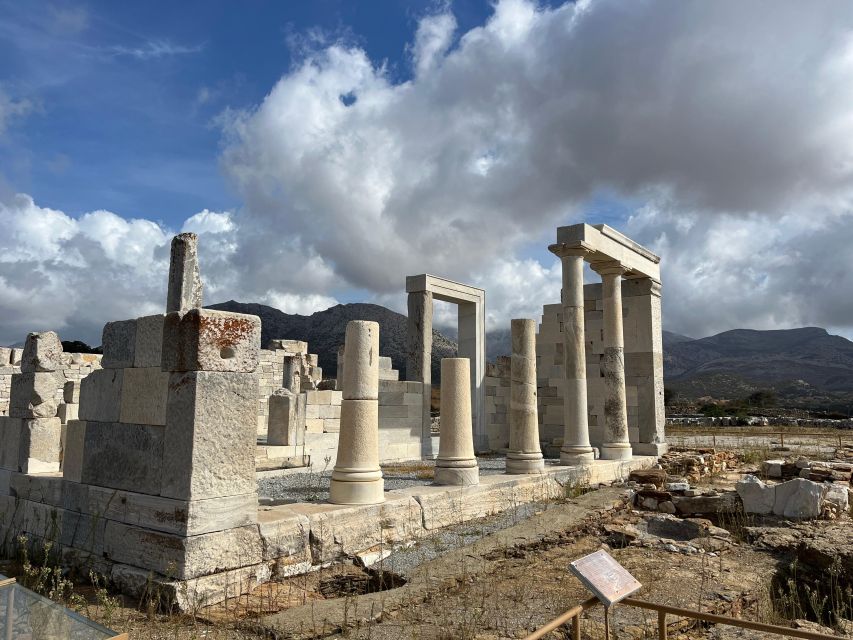
The first major stop is the Temple of Demeter, reached after the 25-minute drive. You spend about 75 minutes here on a guided visit, enough time for the guide to explain the monument and set out the myth at the heart of the site.
Demeter was tied to the earth, crops, and the cycle of growth. The guide connects her sanctuary with Persephone’s story, which explains the changing seasons in Greek mythology. This is one of the most useful parts of the tour because the myth is not treated as a detached tale. It relates directly to the fertile plains around Sangri and to the agricultural life of the island.
You also learn about the mysteries held in Demeter’s honor. The supplied details do not promise a full reconstruction of ancient ceremonies, so expect explanation and interpretation rather than a staged ritual. The value comes from seeing how worship, farming, and seasonal change were linked.
The marble temple gives the stop its visual focus. A guided visit helps you notice why the site matters instead of simply taking a few photographs and moving on. If you enjoy ancient architecture, this is likely to be one of the strongest stops.
The 75-minute timing is sensible for a half-day outing. It allows room for a proper explanation without leaving too little time for Yria. Still, anyone who wants extended photography or quiet time among the stones may find the schedule brisk.
Sangri tasting: cheese, wine, olives, and olive oil
After Demeter’s Temple, the van makes a short five-minute transfer to Sangri. The tasting lasts about 40 minutes and focuses on local products connected with Greek mythology and the old idea of hospitality.
This is more than a snack break. The tour links the food to Xenios Zeus, Zeus in his role as protector of hospitality. You taste cheese, wine, olives, olive oil, and other local products while the guide continues the cultural story.
The tasting is also a practical pause between two archaeological visits. Ancient sites can demand concentration, and a short food stop gives you time to reset before the longer visit at Yria. The format should appeal to you if you want local flavors included in a history tour rather than a separate food excursion.
The included tasting covers olive oil and local products, including wine. The description specifically names cheese, wine, olives, and olive oil, so you can expect those flavors to be part of the experience. It does not specify the exact producers, varieties, or menu, so do not book it expecting a formal winery tour or a full meal.
At $229 per person, this tasting is part of the value calculation. You are paying for more than the food itself. The price also includes transport, the guide, and entrance fees, so the important question is how much you value having the history and tasting explained together.
More cheese tours around Greece:
- Crete: Farm Visit with Cheese Tasting and Milking Experience
★ 4.9 · 109 reviews - Cheese and Wine Tasting (Guided Tour INCLUDED)
★ 4.5 · 14 reviews - Beer Tasting Evening Experience in Athens with Greek Cheeses
★ 5.0 · 14 reviews - Naxos Mythology & Ancient Sites Tour with Cheese & Wine
★ 4.5 · 12 reviews
Yria and the world of Dionysus
The next drive takes about 20 minutes to the Archaeological Site of Yria. The guided visit lasts 105 minutes, making it the longest stop of the day.
Yria is presented as the sanctuary of Dionysus, the ancient god of wine. The setting includes olive trees, fig trees, and vines, which gives the site a natural connection to the food and drink you sampled earlier in Sangri.
Here, the guide explains the love story of Dionysus and Ariadne. You also hear about the ecstatic dances of Dionysus’ female followers, harvest celebrations, and wine banquets held at the site. These details show how religious life could include food, drink, music, dance, and seasonal festivals.
This stop should be especially appealing if you enjoy mythology with a human and social side. Demeter’s story centers on crops and the seasons. Dionysus brings in celebration, wine, harvest, and communal gatherings. Together, the two sanctuaries create a fuller picture of how ancient island life connected belief with daily work.
The 105-minute visit gives the guide time to explain the site without rushing through every point. It is also the part of the tour most closely tied to the wine tasting. If wine is your main interest, pay close attention here, since the tour explains the religious and cultural role of wine rather than simply handing you a glass.
There is a possible drawback. The listing does not provide a detailed site plan or describe every surviving structure at Yria. If you want an architecture-heavy tour with a long list of monuments, you may find the mythology and storytelling more prominent than technical archaeological detail.
How the four-hour schedule feels
The time plan is clear:
- About 25 minutes from Naxos Port to Demeter’s Temple
- 75 minutes at the Temple of Demeter
- About five minutes to Sangri
- 40 minutes for cheese, wine, olive, olive oil, and local product tasting
- About 20 minutes to Yria
- 105 minutes at the Archaeological Site of Yria
- About 15 minutes back to Naxos Bus Transfer
That adds up to roughly four hours, with the return drive included. The schedule works because the sites are grouped into one inland route rather than scattered across the whole island.
You should think of this as a focused half-day excursion, not a slow day in the countryside. You have time to listen, taste, and look around, but not unlimited time at any one stop. Wear the right mindset: the tour is about making connections between places, myths, and local goods.
The route also gives you a useful contrast. Demeter’s sanctuary brings agriculture and seasonal change into focus. Sangri connects those themes to food and hospitality. Yria then shifts toward wine, harvest, celebration, and Dionysus.
What the $229 price includes
The cost is $229 per person. That is a significant half-day price, so it deserves a close look.
Included are private Mercedes van transportation, a professional English-speaking certified guide, entrance fees to the archaeological sites, and olive oil tasting with local products including wine. Cheese tasting is also part of the Sangri stop.
I would judge the price on convenience and depth, not on the tasting alone. If you were only buying cheese and wine, the cost would be hard to justify. If you want a guide to explain two ancient sites, transportation from the port, admission fees, and a themed tasting in one organized outing, the package makes more sense.
The tour can also save you the trouble of arranging separate transport to Demeter’s Temple and Yria. Since the route includes several inland stops and returns to Naxos Bus Transfer, it is practical for someone with limited time on the island.
Still, the value depends on your interests. You might prefer a cheaper independent visit if you mainly want photographs or only one archaeological site. You are paying for interpretation, transport, and the way the stops are connected.
Who will get the most from this outing
I would recommend this tour to you if mythology gives your sightseeing a little extra spark. The guide does not simply identify ruins. The stories of Persephone, Theseus, Odysseus, Ariadne, Dionysus, and the Olympian gods provide a thread from one stop to the next.
It also suits you if you want to see rural Naxos without committing a full day to island touring. The half-day length leaves room for other plans in Naxos Town, while still taking you away from the port and into the countryside.
Food-minded visitors should appreciate the way the tasting fits the subject. Cheese, wine, olives, and olive oil are not random add-ons here. They help connect the ancient stories to farming, hospitality, harvest, and celebration.
Families and mixed-interest groups may also find the format useful, since it combines scenery, ruins, stories, and food. The main question is attention span. The tour has two guided archaeological visits, including a 105-minute stop at Yria, so it may feel long for anyone who has little interest in ancient sites.
You should also be comfortable with a scheduled group outing. The information provided does not state the group size or accessibility details, so ask the operator if those points matter to you before reserving.
Booking details worth handling early
You meet in front of the local bus ticket office at Naxos Port, not at a separate archaeological site. Look for the guide holding the Naxos Cultural Tours sign.
The tour runs for four hours, and starting times vary by availability. It is conducted in English, with a live English-speaking guide.
The booking terms are flexible. You can reserve now and pay later, and cancellation is free up to 24 hours before the activity for a full refund. Those terms are helpful if your Naxos plans depend on ferry timing or changing weather, although you should still check your exact booking time carefully.
The description does not state a meal, hotel pickup, or a specific guide’s name. Plan around the listed port meeting point, and think of the tasting as part of the tour rather than a substitute for lunch.
Should you book this Naxos mythology tour?
Book it if you want a compact, guided look at inland Naxos that combines ancient sites with local food. The strongest feature is the connection between the stops: Demeter explains farming and the seasons, Sangri introduces hospitality and island produce, and Yria turns to Dionysus, wine, harvest, and celebration.
The tour is less suitable if you want a relaxed full-day outing, a detailed study of ancient architecture, or a large meal. At $229 per person, it is best value for someone who would otherwise need to arrange transport, admissions, a guide, and a separate tasting.
For a first visit to Naxos, I like the balance. You get two important archaeological visits, a taste of the countryside, and a clear introduction to the myths that give the island its character. Just allow for the brisk schedule and book it for the stories as much as for the wine.
FAQ
How long is the Naxos mythology tour?
The tour lasts four hours.
Where does the tour begin?
Meet the guide in front of the local bus ticket office at Naxos Port, at Naxos Bus Transfer.
How will I identify the guide?
The guide will be holding a sign with the Naxos Cultural Tours logo.
Which language is the tour offered in?
The tour includes a live English-speaking guide.
What archaeological sites are included?
The tour includes the Temple of Demeter and the Archaeological Site of Yria, associated with the sanctuary of Dionysus.
What food and drink are included?
The experience includes cheese, wine, olives, olive oil, and other local products. Olive oil tasting and local products including wine are included in the activity.
Can I cancel or pay later?
You can cancel up to 24 hours in advance for a full refund. You can also reserve now and pay later.
Freshly cut around Greece
- Naxos Mythology & Ancient Sites Tour with Cheese & Wine★ 4.5 · 12 reviews
- Naxos Farm Experience and cheese making★ 5.0 · 5 reviews
- Ios: Cooking Experience with Cheese and Wine Tasting★ 5.0 · 6 reviews
- Culture & Taste Tour★ 5.0 · 6 reviews
- Cheese and Wine Tasting (Guided Tour INCLUDED)★ 4.5 · 14 reviews
- Cretan Farm Tour with Cheese-Making, Olive Oil Tasting & Picnic★ 5.0 · 10 reviews
- Cheese and Wine Tasting Tour From Chania★ 5.0 · 7 reviews
- Explore Shepherd’s Hut and Cheese Making Process★ 5.0 · 2 reviews
Wine and Cheese Tastings, plate by plate.


Paris: Montmartre Cheese, Wine & Pastry Guided Walking Tour
Read our review →





Paris Le Marais Food Tour With 10+ Tastings, Cheese, Wine & More
Read our review →Cheese lists with this tasting