Review · BORDEAUX
Tasting of Bordeaux red wines, wine and charcuterie pairings
Bordeaux wine makes more sense once you stop treating the region as one big name. This small tasting explains the split between the Cabernet-led Left Bank and the softer, fruitier Merlot style of the Right Bank, then lets you taste the difference. Mathilde and Cécilia lead the session, and both bring a clear, friendly teaching style.
I like the maximum of six people, which gives you room to ask questions instead of simply watching a host pour. I also like the practical food pairing: each wine comes with charcuterie chosen to suit its flavors. The main consideration is time. At about one hour, this is a focused introduction, not a long afternoon of winery visits.
Key points to know before booking
- Compare Bordeaux’s two major styles: Learn how Médoc on the Left Bank often favors structured Cabernet Sauvignon blends, while Saint-Émilion on the Right Bank is known for softer Merlot-led wines.
- Taste four regional wines: The selection may include family estates, organic wines, Grand Cru bottles, single-variety examples, blends, a mystery glass, and a mature wine.
- Keep the group personal: With no more than six people, you can ask about grape varieties, aging, food matches, and choosing bottles in Bordeaux.
- Eat as you taste: Charcuterie is paired with the wines, though the food may be meat-focused rather than a cheese board.
- Learn a method you can reuse: A tasting booklet helps you remember aromas, textures, and the effect of aging after you return home.
- Stay in the city: The meeting point is at 25 Avenue Thiers, so you can learn about Bordeaux wine without arranging transport into the vineyards.
Why this short Bordeaux tasting works
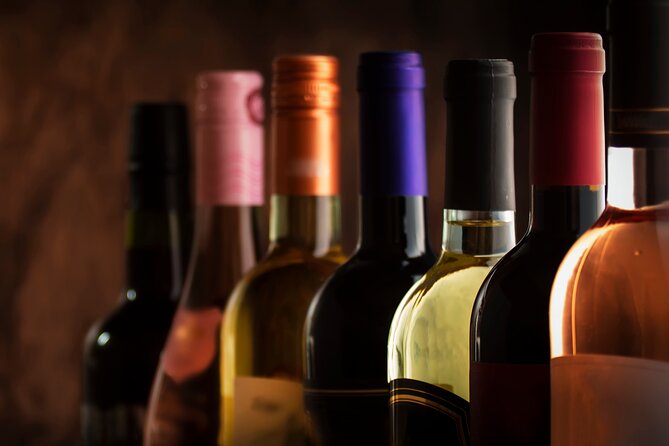
Bordeaux can be confusing even after you have tasted its wines. Labels often emphasize the estate or appellation rather than the grape variety, and the same region can produce a firm, age-worthy red or a smooth, generous one. This session gives you a simple map before asking you to taste.
The key lesson is the contrast between the Left Bank and Right Bank. Médoc, on the Left Bank of the Garonne and Gironde system, is presented through Cabernet Sauvignon-led wines with structure and firmness. Saint-Émilion, on the Right Bank, is associated here with Merlot, softer texture, and more obvious fruit.
That comparison is useful because it turns geography into something you can sense in the glass. You are not just memorizing Bordeaux names. You are learning to connect a place and grape blend with body, aroma, tannin, and finish.
The format also suits people at different levels. If you already know your Cabernet from your Merlot, you can ask about blending, cellar age, and estate styles. If you are still learning how to describe wine, Mathilde or Cécilia can guide you through the basic steps without making the session feel like an exam.
More Cheese and Charcuterie Boards in France
- Tasting of 6 Bordeaux wines and pairing charcuterie & cheese
★ 5.0 · 199 reviews - Bordeaux: Wine Masterclass with Cheese and Charcuterie Board
★ 4.9 · 184 reviews - Introduction to Bordeaux wines paired with cheeses & charcuterie
★ 5.0 · 175 reviews
Meeting Mathilde or Cécilia at Avenue Thiers
The tasting begins at 25 Av. Thiers, 33100 Bordeaux, and ends at the same place. It is close to public transportation, which makes this an easy activity to fit into a city stay. You do not need to lose half a day traveling to a château.
The setting changes with the season. You might taste in a stone room, a private courtyard, or a cellar. That variation gives the activity a local feel, though the exact setting is not something you can count on when booking.
Your host may be Mathilde or Cécilia. The teaching style matters here. Mathilde has been praised for explaining Bordeaux’s areas, grape varieties, bouquets, and aging in a way that remains easy to follow. Cécilia is also noted for clear explanations and for adjusting the session to individual interests and scheduling needs.
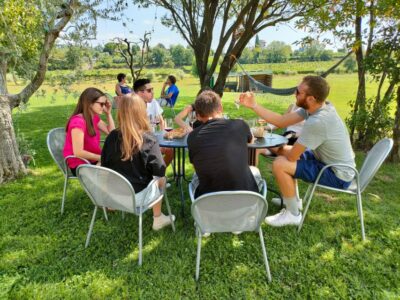
The small group makes a real difference. Six is the maximum, not the usual size promised in every case, so the actual number may be smaller. Either way, the design is personal enough for you to ask about a bottle you saw in a shop, a style you already enjoy, or a wine you have never understood.
Four Bordeaux wines, plus the useful surprises
The central tasting includes four carefully selected wines. The selection can draw from family estates, organic producers, Grand Cru wines, single-variety bottles, and blends. That range is more useful than tasting four wines that all taste alike.
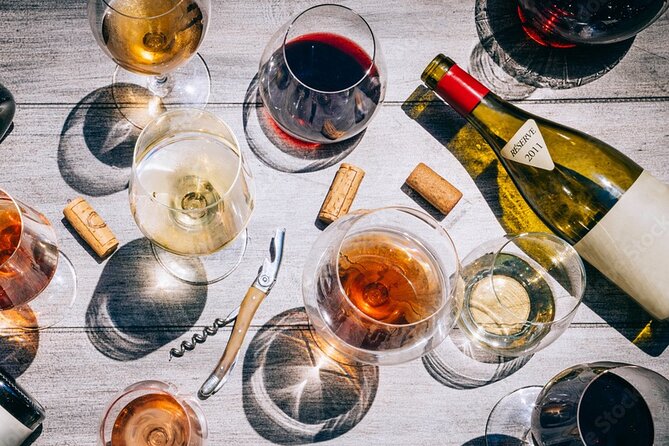
The wines are chosen to show how grape variety, soil, and winemaking choices affect the result. You may be asked to look at the color, smell the wine more than once, and notice how the aroma changes in the glass. You will also work on identifying texture, fruit, structure, and the effect of time.
A mystery glass adds a small puzzle. Instead of being told everything at once, you can use what you have learned to make a guess. This is not about getting the answer right. It is a practical way to test your nose and compare your first impression with the explanation that follows.
A mature wine is included to show what aging can do. Young Bordeaux can feel firm or tightly wound, while time may soften its edges and bring out different aromas. The mature pour gives that lesson a direct comparison rather than leaving it as an abstract point in a tasting booklet.
The description presents four wines while also mentioning a mystery glass and a mature wine as part of the session. If the precise number of pours matters to you, ask the provider for the current format before booking. The important point is that the tasting is built around four regional examples and includes extra ways to think about age and identification.
Learning to taste without the usual wine fuss
Wine tasting can become needlessly formal. Here, the goal is to give you a method you can use at dinner or in a shop.
You will look at the wine, smell it, taste it, and think about how the parts fit together. The host explains how to notice a bouquet, how grape varieties show themselves, and how a wine changes with food. You do not need a trained palate. You need only a willingness to slow down and pay attention.
The strongest educational feature is the link between flavor and cause. A wine may feel firmer because of its grape blend, more fruit-driven because of its Merlot character, or more developed because of time in the bottle. The session helps you replace vague comments such as I like it with more useful observations such as I prefer softer tannins or I enjoy fresher fruit.
That matters when you shop later. Bordeaux labels can be intimidating, but a basic understanding of Left Bank and Right Bank styles gives you a starting point. You may not identify every appellation, but you will have better questions to ask and a clearer idea of what you enjoy.
More Wine and Cheese Tastings in France
- Professional – Bordeaux Wine and Cheese Tasting with a walking tour
★ 5.0 · 218 reviews - Bordeaux Gourmet Experience: Cheese & Wine Tasting
★ 4.6 · 169 reviews - Bordeaux Wines Masterclass paired with cheeses & charcuterie
★ 5.0 · 110 reviews - Bordeaux Gourmet Experience : tasting of French cheeses & wines
★ 4.5 · 71 reviews
Charcuterie pairings, with one important caveat
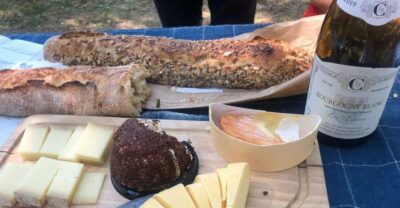
Each wine comes with a delicatessen pairing selected to suit its flavors. Food changes how wine tastes, and the session uses that fact as part of the lesson. A firm red may feel different with savory cured meat, while a fruitier wine can show a different balance alongside food.
The pairing is not just a snack between pours. It lets you notice acidity, tannin, salt, richness, and fruit in a practical setting. If you usually taste wine without eating, this is a useful addition.
There is one detail to keep in mind: the food may be all meat, without cheese. The activity is described as wine and charcuterie, so you should not book it expecting a full cheese-and-cured-meat board. For most people, the meat selection is enough to support the wine lesson, but it is worth knowing if you have your heart set on cheese.
Dietary needs are not described in the available information. If you have restrictions, ask before booking rather than assuming substitutions are available.
What the one-hour schedule means for you
One hour is enough for a clear introduction, but the pace will be brisk. You should expect the host to move from Bordeaux geography to grape varieties, tasting technique, the wines, and the food matches without much spare time.
That short format is a strength if you want something easy to place between sightseeing stops. You can start at Avenue Thiers, learn the basics, and return to the city without committing to a full-day wine-country excursion.
It is also a limitation. You will not visit individual estates, walk through vineyards, or see cellar operations at several properties. This is a teaching tasting in Bordeaux, not a château tour. If your main goal is to see the Médoc or Saint-Émilion countryside, you need a separate excursion.
For a first look at Bordeaux wine, the compressed format makes sense. You get comparison rather than repetition, and you leave with vocabulary that can help you choose your next bottle or winery visit.
Is $46.99 a fair price?
At $46.99 per person, the value depends on what you want from a wine activity. The price covers about an hour, four wines, paired charcuterie, expert instruction, and a tasting booklet. It also buys you a very small group rather than a large, fixed presentation.
I see the price as reasonable for an urban introduction, especially if you are already staying in Bordeaux and do not want to pay for transport into the wine region. The personal attention is the main value. Six people gives the host enough time to answer individual questions, which can be more useful than adding several extra pours to a larger session.
The price is less compelling if you want quantity or a full meal. This is not a long tasting with a large spread, and the format does not promise an extensive meal. Think of it as a compact class with wine and food, not a substitute for a full vineyard day.
Wines are available for sale, which can be handy after you have learned what you like. Still, you should not feel that buying a bottle is part of the activity. The useful outcome is the knowledge you take with you.
Who should book this Bordeaux tasting?
I would choose this for a first visit to Bordeaux, especially if you want the region explained before you start buying bottles. It is also a good fit for couples or small groups who prefer conversation over a crowded tasting room.
It works for people who know little about wine because the lesson starts with basic ideas and concrete comparisons. It also suits more experienced drinkers who want to ask about estate styles, organic production, Grand Cru wines, aging, or Bordeaux blends.
The activity is especially useful if you have only a weekend in the city. It gives you a regional foundation without spending hours on the road. Mathilde and Cécilia can also tailor the discussion to your preferences, and one session was even conducted bilingually after the language needs were checked in advance. The advertised language is English, so confirm any other language request before you go.
People with mobility concerns should note that service animals are allowed, public transportation is nearby, and most people can participate. Specific details about the stone room, courtyard, or cellar are not provided, so ask the provider if you need a fully accessible setting.
The experience is not the best match for someone seeking a major château, a vineyard walk, or a long, leisurely meal. It is also not ideal if you want a broad survey of white wines, since the focus is Bordeaux reds. The host can adapt to people who prefer white wine, but the main lesson remains centered on red Bordeaux.
What to bring away from the tasting
The tasting booklet is a small but useful touch. Write down which wines feel firm, soft, fruity, smoky, mature, or fresh. Note the grape blend and the food pairing that worked best for you.
You can use those notes during the rest of your stay. If you visit a wine shop, ask for a Left Bank Cabernet-led bottle or a Right Bank Merlot-led style and explain the level of structure you prefer. The tasting will not make every Bordeaux label instantly simple, but it should make your choices less random.
I also like that the session teaches you how wine changes with food and age. Those are two ideas you can test long after the class ends. The best souvenir may not be a bottle. It may be the ability to taste with more confidence.
Should you book it?
Book this if you want a friendly, compact lesson in Bordeaux reds, with four wines, matched charcuterie, and enough time for real questions. The six-person limit, the comparison of Médoc and Saint-Émilion styles, and the mystery and mature wine elements give the hour a clear purpose.
Skip it if your priority is a countryside visit, a winery tour, or a large meal. For a city-based introduction that teaches you how to taste and helps you understand Bordeaux labels, $46.99 is a sensible spend, especially at the start of a Bordeaux stay.
FAQ
Where does the Bordeaux wine tasting begin?
The tasting begins at 25 Av. Thiers, 33100 Bordeaux, France, and finishes back at the same meeting point.
How long does the experience last?
The tasting lasts approximately one hour.
How many people can join?
The maximum group size is six people.
How many wines will I taste?
The experience highlights four different wines. The tasting may also include a mystery glass and a mature wine as part of the lesson on identification and aging.
Is the tasting offered in English?
Yes. English is an offered language. If you need another language, confirm availability with the provider before booking.
Can I cancel for a full refund?
Yes. You can cancel at least 24 hours before the local start time for a full refund. Cancellations or changes made less than 24 hours before the start time are not accepted for a refund.
More Wine and Cheese Tastings in Bordeaux
- Bordeaux Afternoon Food Tour : Sweets, Wine and Cheese
★ 5.0 · 38 reviews - Blind Tasting: 4 Bordeaux Natural Wine + Cheese experience
★ 4.8 · 35 reviews - Wine Masterclass & Cheese Tasting Workshop in Bordeaux
★ 5.0 · 29 reviews - Bordeaux wines : tasting with 4 white wines and cheeses
★ 5.0 · 24 reviews
More Cheese and Charcuterie Boards in Bordeaux
- Budapest: Wine, Cheese, and Charcuterie Tasting
★ 4.9 · 647 reviews - Hungarian Wine Tasting (with Cheese and Charcuterie) in Budapest
★ 5.0 · 531 reviews - Full-Day Group Wine Tour (with cheese and charcuterie) in Niagara-on-the-Lake
★ 5.0 · 349 reviews - Taste of Lake Como: 4 Wines Paired with Local Cheese Charcuterie
★ 5.0 · 197 reviews
Freshly cut around Bordeaux
- Wine Masterclass & Cheese Tasting Workshop in Bordeaux★ 5.0 · 2 reviews
- Tasting of Bordeaux White Wines Wine and Cheese Pairing★ 5.0 · 10 reviews
- Wines and Cheeses: Learning to combine perfectly★ 4.5 · 7 reviews
- Highlights of Bordeaux Walking Tour + Wine & Cheese Tasting★ 4.5 · 5 reviews
- Wine Masterclass & Cheese Tasting Workshop in Bordeaux★ 5.0 · 29 reviews
- Bordeaux Night Walk Ending with Delicious wine & cheese Tasting★ 5.0 · 10 reviews
- Bordeaux Food Tour : Sweets, Cheese & Wine pairing workshop★ 5.0 · 8 reviews
- Bordeaux wines : tasting with 4 white wines and cheeses★ 5.0 · 24 reviews
Cheese and Charcuterie Boards, plate by plate.
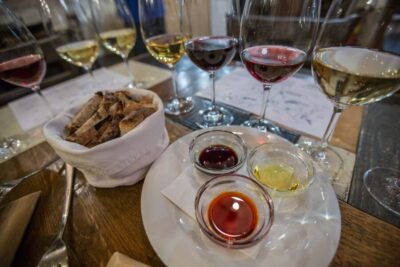
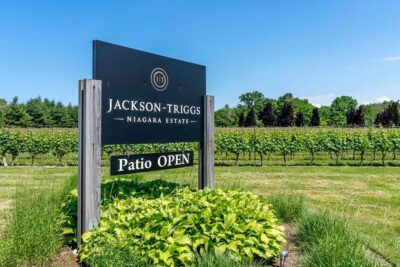
Full-Day Group Wine Tour (with cheese and charcuterie) in Niagara-on-the-Lake
Read our review →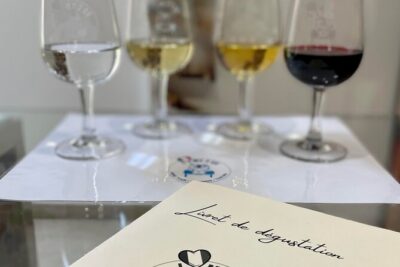
Tasting of 6 Bordeaux wines and pairing charcuterie & cheese
Read our review →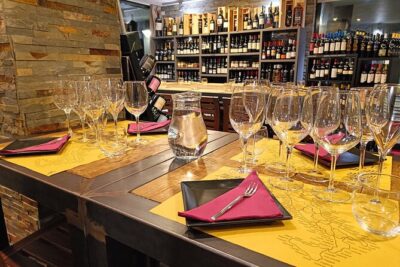
Taste of Lake Como: 4 Wines Paired with Local Cheese Charcuterie
Read our review →
Bordeaux: Wine Masterclass with Cheese and Charcuterie Board
Read our review →
Introduction to Bordeaux wines paired with cheeses & charcuterie
Read our review →