Review · BORDEAUX
Bordeaux Wines Masterclass paired with cheeses & charcuterie
Bordeaux wine can feel like a puzzle of grape names, bank names, appellations, châteaux, and classifications. This 90-minute masterclass gives you a clear way into that puzzle, starting with tasting basics and moving toward the differences between the Left Bank and Right Bank.
I like two things in particular: the tasting uses single-grape red wines to show what each variety contributes to a blend, and the guides, including Hugo, Vincent, Antoine, Noe, Matilde, and Ana, adjust their explanations to the group. The local cheese, charcuterie, and baguette also make the lesson feel connected to everyday French food.
The main drawback is that the class can run longer than 90 minutes, and one report described an uncomfortably hot room and an unpleasant cheese-related odor. Most importantly, wine selections and the schedule can change, so come for the quality of the teaching rather than a promised vintage.
Key points at a glance
- Six regional wines: One white, three single-grape reds, and two more refined Bordeaux wines, including one Grand Cru.
- Left Bank and Right Bank explained: You learn why these two sides of the Gironde produce different wine styles.
- A real lesson, not just a tasting: The class covers terroir, appellations, blending, winemaking, aging, storage, and serving.
- Food makes the point: Local cheeses, charcuterie, and fresh baguette help you see how wine changes with food.
- Central Bordeaux location: The meeting point at 2ter Rue Mably is two steps from the Grand Théâtre.
- Small-group format: The stated maximum is 10 people, with English instruction and a mobile ticket.
Why this Bordeaux wine class is useful early in your stay
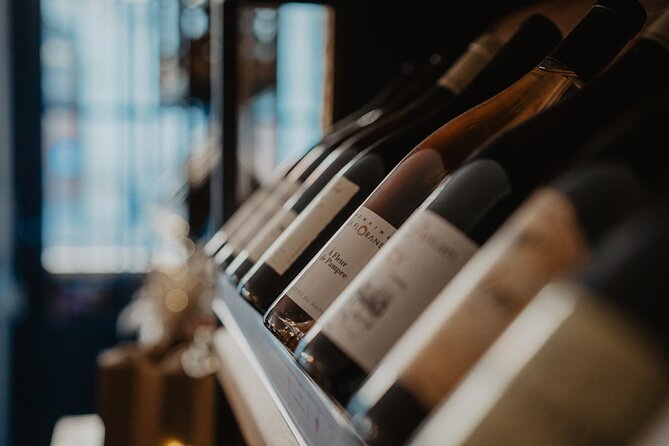
I would place this class near the start of a Bordeaux visit. It gives you enough vocabulary and structure to make later wine-shop purchases, restaurant choices, or château visits less confusing.
Bordeaux is not organized around one simple grape. Red wines commonly rely on blends, so the bottle label may tell you an appellation or château without making the grape mix obvious. This class tackles that issue directly by serving single-variety reds before moving to blended regional wines.
That order matters. You first taste the character of individual grapes, then see why a winemaker might combine them. It is a practical lesson, not just a list of facts. You can begin to notice which styles suit your palate before you spend money on a bottle.
The format also works for people who already drink Bordeaux. One participant who had been buying Bordeaux for years still found the structure useful, particularly the explanation of primary, secondary, and tertiary aromas and the role of smell in tasting.
More Cheese and Charcuterie Boards in France
- Tasting of 6 Bordeaux wines and pairing charcuterie & cheese
★ 5.0 · 199 reviews - Bordeaux: Wine Masterclass with Cheese and Charcuterie Board
★ 4.9 · 184 reviews - Introduction to Bordeaux wines paired with cheeses & charcuterie
★ 5.0 · 175 reviews
Arriving near the Grand Théâtre
The class begins at 2ter Rue Mably, in central Bordeaux, close to the Grand Théâtre and near public transportation. The location makes this an easy add-on to a morning in the historic center, though you should allow enough time to find the exact address.
The activity starts at 11:00 a.m. and returns to the same meeting point. There is no transport between vineyards, so this is not a château outing or a countryside excursion. Its strength is the compact city format: you can learn the regional basics without giving up half a day to transfers.
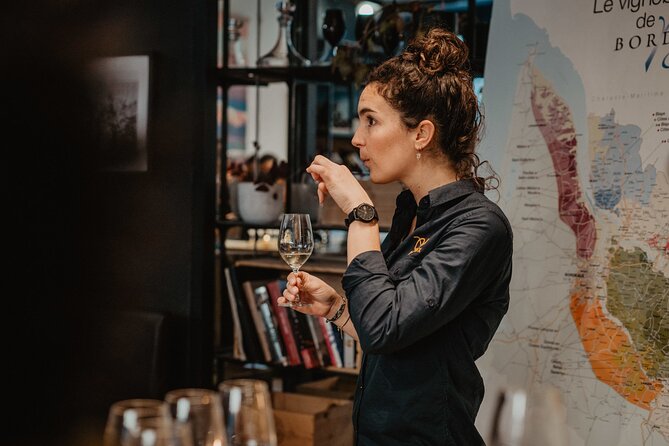
The room has been described as clean and quiet, with a small storefront appearance matching the published photos. That quiet setting helps when the instructor is explaining technical points or asking you to compare aromas.
One practical note: room comfort may vary. A previous session took place on a very hot July day, and one report complained that the space was too warm and had an unpleasant odor. Traditional cheeses can have a strong smell, which is part of the food experience, but anyone sensitive to heat or cheese aromas should keep this in mind.
The first glass: learning how to taste
The tasting begins with a white Bordeaux wine. This first glass serves as a lesson in the basic mechanics of tasting: appearance, aroma, taste, texture, and finish.
You are not expected to know wine terms before arriving. The universal tasting method gives you a simple order to follow, so you are not left staring at the glass and guessing what to do. The instructor explains how to look at the wine, smell it, and taste it with more attention.
This opening is especially useful if French wine labels have always seemed intimidating. You learn that tasting is not a test of expensive vocabulary. It is a process of noticing what is in the glass.
The white wine also prevents the session from becoming a red-wine-only lesson. Bordeaux is strongly associated with red blends, but the region produces white wines too. Starting with white gives the class a broader view of the area.
Three single-grape reds reveal the building blocks
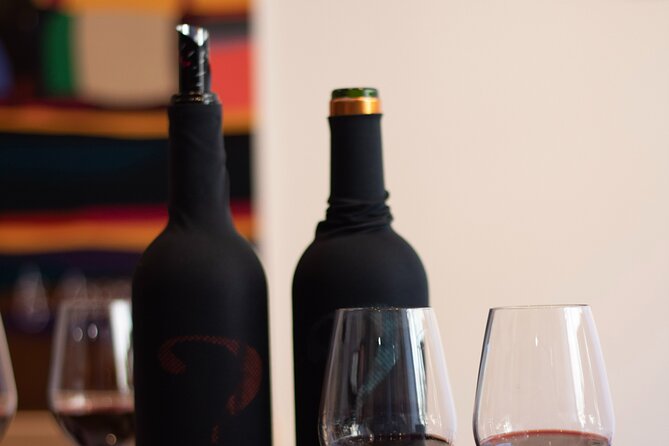
The next stage features three regional red wines made from single grape varieties. This is one of the strongest parts of the experience because Bordeaux is famous for blending grapes rather than presenting them separately.
Tasting the varieties one at a time helps you connect flavor and structure with the grape itself. You can compare differences in aroma, body, acidity, tannin, and finish before the wines are combined in a traditional blend.
The instructor may also use sensory exercises to help you recognize aromas. One class included a game in which participants tried to identify scents like a sommelier. These activities keep the theory from becoming a lecture and give you a way to practice instead of simply listening.
I particularly like this approach for beginners. You do not need to identify every aroma correctly. The point is to become more alert to what you smell and taste, then use that awareness when choosing wine later.
The number of pours can vary. The advertised structure includes six wines total, but some sessions have included six or seven, and one account referred to nine wines. That difference may reflect the day’s selection or additional tasting exercises. The reliable point is that you will taste a broad set of Bordeaux examples, not just one or two glasses.
More Wine and Cheese Tastings in France
- Professional – Bordeaux Wine and Cheese Tasting with a walking tour
★ 5.0 · 218 reviews - Bordeaux Gourmet Experience: Cheese & Wine Tasting
★ 4.6 · 169 reviews - Bordeaux Gourmet Experience : tasting of French cheeses & wines
★ 4.5 · 71 reviews - Bordeaux Afternoon Food Tour : Sweets, Wine and Cheese
★ 5.0 · 38 reviews
Left Bank and Right Bank in the glass
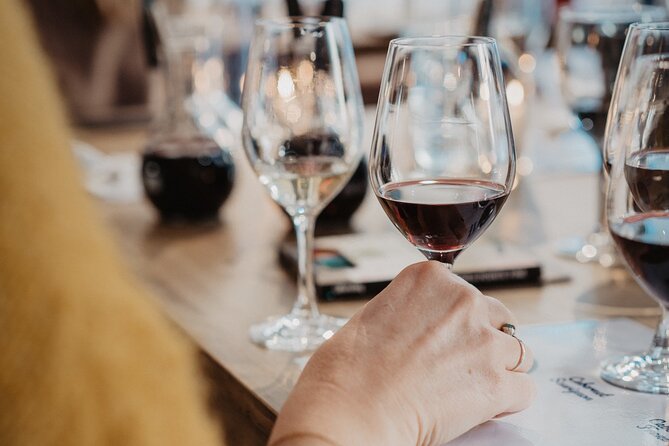
The final part compares two more refined Bordeaux wines, one from the Left Bank and one from the Right Bank. One of these is a Bordeaux Grand Cru.
This is where the geography starts to become useful rather than abstract. The class explains how the two sides of the Gironde relate to different appellations, grape choices, and wine styles. You are not simply told that Left Bank and Right Bank are different. You taste examples side by side.
The comparison can help you plan the rest of a Bordeaux visit. After the class, you have a better idea of whether you want to explore wines connected with the Left Bank, the Right Bank, or both. It also gives you clues when browsing a wine list that names an appellation but says little about the grapes.
Do not expect a full château classification course in 90 minutes. The session introduces classification and appellation systems, but it is meant as a strong orientation rather than an advanced certification class.
Cheese, charcuterie, and the Bordeaux table
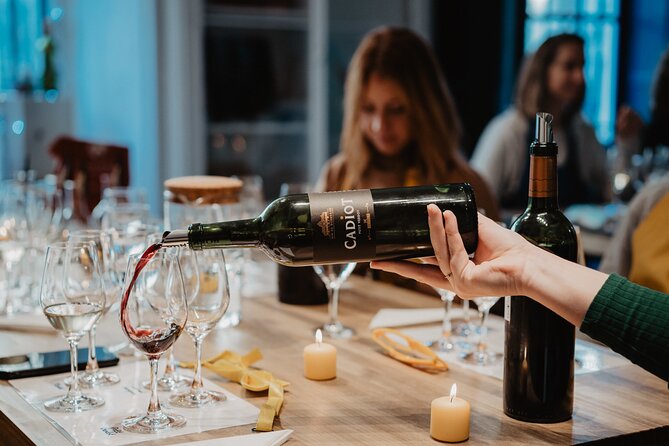
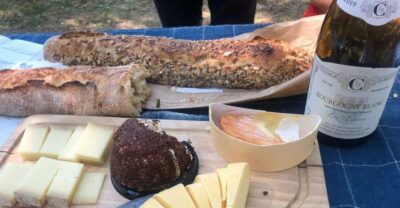
The wines are served with an assortment of local cheeses and charcuterie, along with fresh baguette. This is more than a snack plate. Food pairing gives you another way to understand the wine.
Salt, fat, creaminess, acidity, and texture can change how a wine tastes. A red that seems firm on its own may feel smoother with food. A white may show a different balance beside cheese. The instructor uses these contrasts to explain basic pairing ideas without turning the meal into a formal cooking demonstration.
The board is described as generous enough to support the tasting, though it should not be confused with a full lunch. If you are booking the 11:00 a.m. session, I would treat the food as a substantial tasting accompaniment and plan another meal afterward.
The cheese is traditional and local, which is a plus for anyone looking for a taste of Bordeaux beyond wine itself. It also explains why a cheese aroma may be noticeable in the room. That is part of the setting, though not everyone will find it pleasant.
The teaching makes the difference
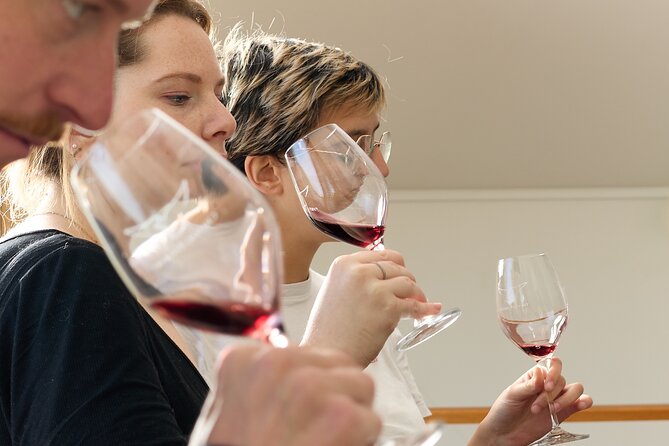
The most consistent strength of this experience is the instructors. Antoine has been praised for explaining complex wine production in simple terms. Hugo is described as friendly and strong on Bordeaux history, regions, and tasting theory. Vincent takes time with grape varieties, appellations, and ways to predict what you may like.
Noe’s approach focuses on using all the senses, including the difference between primary, secondary, and tertiary aromas. Matilde has led a convivial session that encouraged conversation among the group, while Ana has been noted for her patience and personal attention.
The names matter because the experience depends heavily on who leads it. You are not watching a fixed audio program. The guide can adjust the pace and level of detail based on the group, which helps when wine experience varies widely among participants.
Some sessions may feel more like a class than a casual bar tasting. That is good news if you want useful information, but less so if you only want to sip wine with minimal explanation. The course covers terroir, grape varieties, appellations, classification, vinification, aging, storage, and service. That is a lot for a short session, so the pace can feel intense.
One guide continued beyond the stated 90 minutes. I would not schedule a museum reservation or train immediately afterward. Give yourself extra time, especially if the group has many questions.
Is $54.42 a fair price?
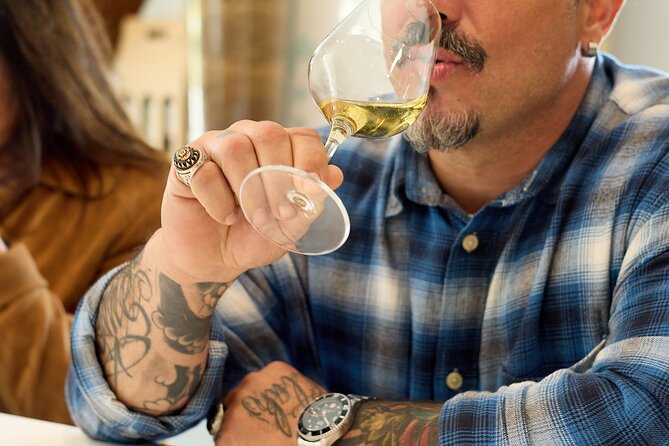
At $54.42 per person, the value depends on what you want from a wine tasting. You are paying for six alcoholic beverages, an expert-led lesson, printed information, water, baguette, and a cheese and charcuterie board.
Compared with a simple bar tasting, the price makes more sense because the class explains why the wines differ. You are also paying for a central location and a small group capped at 10 people. With a full group, that limit still allows better access to the instructor than a large commercial tasting.
The wine quality is not guaranteed to match a high-end château visit. One assessment found the wines good but not especially exquisite. That is a fair expectation to set. The value here is the education and comparison, not the chance to drink rare bottles.
A single Grand Cru pour is included, but this is not a Grand Cru tasting. The wines and schedule can change while keeping the same general quality of the offer. If you want to taste specific estates or vintages, this is not the right booking.
Who should book this class?
I would recommend it to first-time Bordeaux visitors, curious beginners, and wine drinkers who know French wine but still find Bordeaux labels hard to read. It is also a good choice for couples or friends who want an indoor activity near the center.
You will get the most from it if you ask questions and pay attention to the differences between the single-grape wines. Bring your curiosity, not a notebook full of wine rules.
This is less suitable for children, since anyone under 16 is not allowed. Pets are also not allowed, and service animals are permitted. If you need a private format because of children or pets, the provider suggests arranging a private tour or tasting instead.
Booking and cancellation details
Confirmation is provided at booking, and a mobile ticket is accepted. The experience is offered in English and is generally booked well ahead, with an average booking lead time of about 31 days.
Free cancellation is available up to 24 hours before the 11:00 a.m. start time for a full refund. Cancellations or changes made inside that window are not accepted, so check your Bordeaux plans before booking.
Should you book the Bordeaux Wines Masterclass?
Book it if you want a practical introduction to Bordeaux wine in the city, especially before visiting the Left Bank or Right Bank. The single-grape tasting, side-by-side regional comparison, and food pairing give you useful tools for the rest of your trip.
Skip it if your main goal is a countryside château visit, a large selection of prestige vintages, or a quiet meal with little instruction. Also allow extra time beyond the advertised 90 minutes, and remember that the room can be warm and the cheese aromas noticeable.
For most visitors who want to understand Bordeaux rather than merely drink it, this is a well-priced starting point. It leaves you with a clearer sense of grapes, regions, blends, and labels, which is exactly what a good first wine class should do.
FAQ
How long does the Bordeaux Wines Masterclass last?
The scheduled duration is approximately 1 hour and 30 minutes. One session ran longer, so allow extra time after the class.
Where does the experience begin?
The class starts at 2ter Rue Mably, 33000 Bordeaux, France, two steps from the Grand Théâtre. It ends back at the same meeting point.
What wines are included?
The stated tasting includes one white Bordeaux wine and five red wines. The red selection includes three regional single-grape wines, followed by wines representing the Left Bank and Right Bank, including one Bordeaux Grand Cru. Wines may vary.
Is food included with the wine?
Yes. The tasting includes local cheeses, charcuterie, fresh baguette, and water. Personal expenses are not included.
Is the class suitable for beginners?
Yes. No prior wine knowledge is required. The class teaches tasting basics, grape varieties, terroir, appellations, blending, winemaking, aging, storage, and wine service.
Can I cancel for a full refund?
Yes. You can cancel at least 24 hours before the experience start time for a full refund. Cancellations or changes made less than 24 hours in advance are not accepted.
More Wine and Cheese Tastings in Bordeaux
- Blind Tasting: 4 Bordeaux Natural Wine + Cheese experience
★ 4.8 · 35 reviews - Wine Masterclass & Cheese Tasting Workshop in Bordeaux
★ 5.0 · 29 reviews - Bordeaux wines : tasting with 4 white wines and cheeses
★ 5.0 · 24 reviews - Tasting of Bordeaux White Wines Wine and Cheese Pairing
★ 5.0 · 10 reviews
More Cheese and Charcuterie Boards in Bordeaux
- Tasting of Bordeaux red wines, wine and charcuterie pairings
★ 5.0 · 24 reviews - Budapest: Wine, Cheese, and Charcuterie Tasting
★ 4.9 · 647 reviews - Hungarian Wine Tasting (with Cheese and Charcuterie) in Budapest
★ 5.0 · 531 reviews - Full-Day Group Wine Tour (with cheese and charcuterie) in Niagara-on-the-Lake
★ 5.0 · 349 reviews
Freshly cut around Bordeaux
- Wine Masterclass & Cheese Tasting Workshop in Bordeaux★ 5.0 · 2 reviews
- Tasting of Bordeaux red wines, wine and charcuterie pairings★ 5.0 · 24 reviews
- Tasting of Bordeaux White Wines Wine and Cheese Pairing★ 5.0 · 10 reviews
- Wines and Cheeses: Learning to combine perfectly★ 4.5 · 7 reviews
- Highlights of Bordeaux Walking Tour + Wine & Cheese Tasting★ 4.5 · 5 reviews
- Wine Masterclass & Cheese Tasting Workshop in Bordeaux★ 5.0 · 29 reviews
- Bordeaux Night Walk Ending with Delicious wine & cheese Tasting★ 5.0 · 10 reviews
- Bordeaux Food Tour : Sweets, Cheese & Wine pairing workshop★ 5.0 · 8 reviews
Cheese and Charcuterie Boards, plate by plate.
Full-Day Group Wine Tour (with cheese and charcuterie) in Niagara-on-the-Lake
Read our review →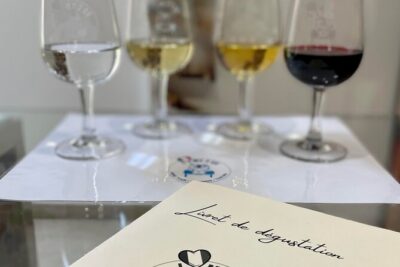
Tasting of 6 Bordeaux wines and pairing charcuterie & cheese
Read our review →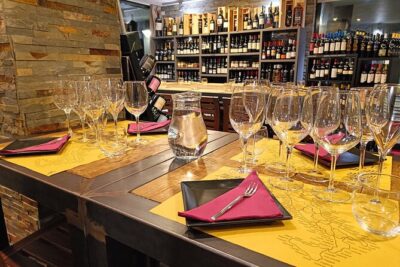
Taste of Lake Como: 4 Wines Paired with Local Cheese Charcuterie
Read our review →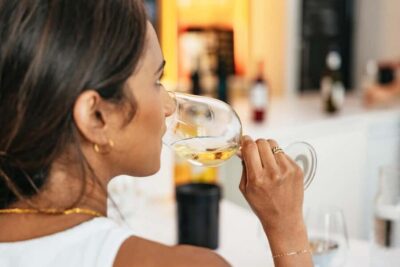
Bordeaux: Wine Masterclass with Cheese and Charcuterie Board
Read our review →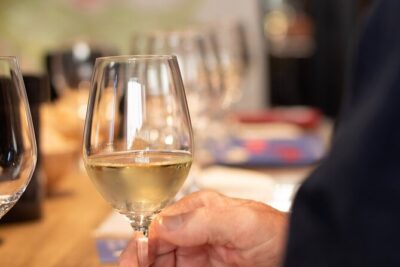
Introduction to Bordeaux wines paired with cheeses & charcuterie
Read our review →